


 Citgo Logo PNG
The Citgo logo instantly captures attention and evokes confidence. It can be compared to a longtime companion on the road, always ready to provide support. Through it, the company demonstrates the quality, comfort, and reliability you experience daily.
Citgo traces its roots to 1910, when Henry Doherty founded Cities Service Company in Kansas City. The company began as a holding group for small gas and electric utilities in the Midwest and later expanded through acquisitions. By the 1920s, Cities Service had become a major producer of oil and natural gas, with a growing network of gasoline stations.
During the 1910s and 1920s, Doherty sold shares directly to small investors through newspapers and mail campaigns. The model created a broad shareholder base, but the Great Depression hit those investors hard as the stock price collapsed. Cities Service survived and later focused on vertical integration, from oil and gas production to refining and retail sales.
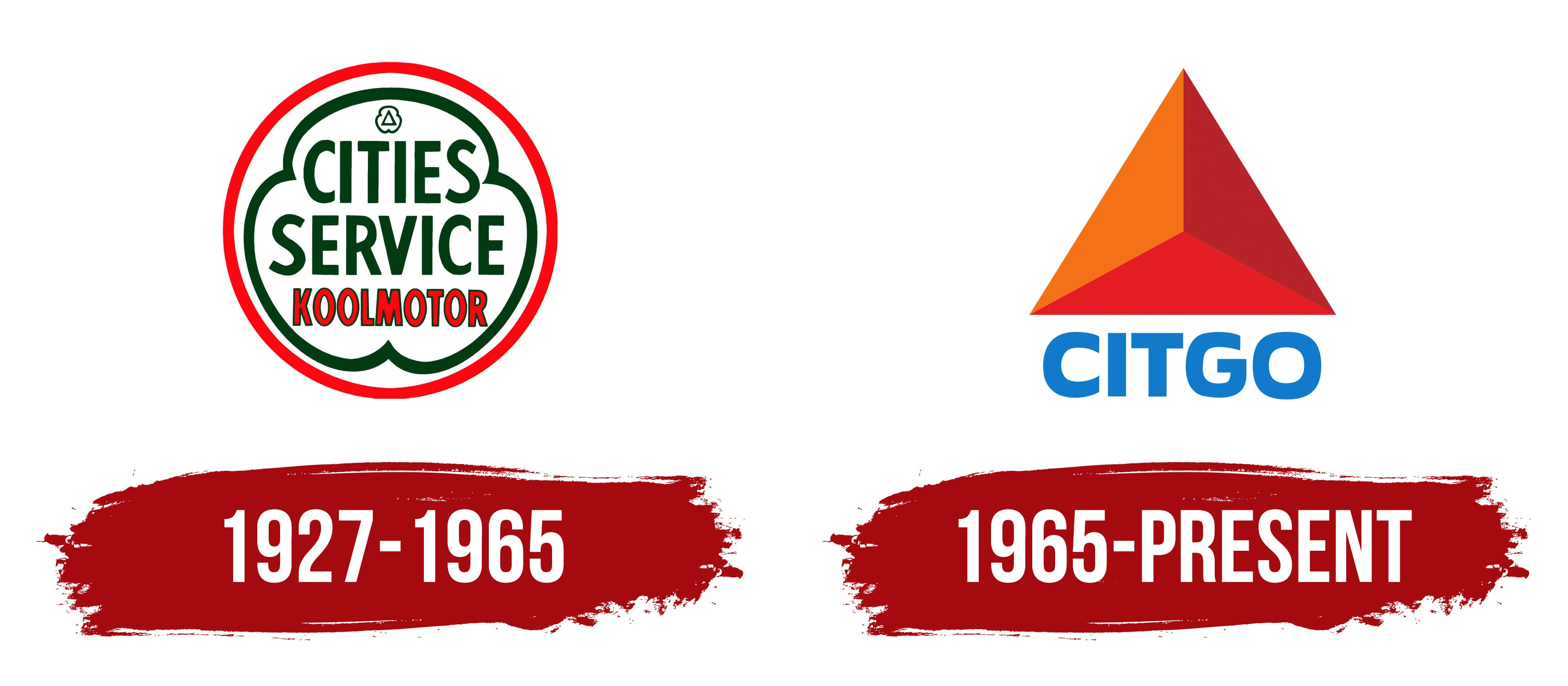
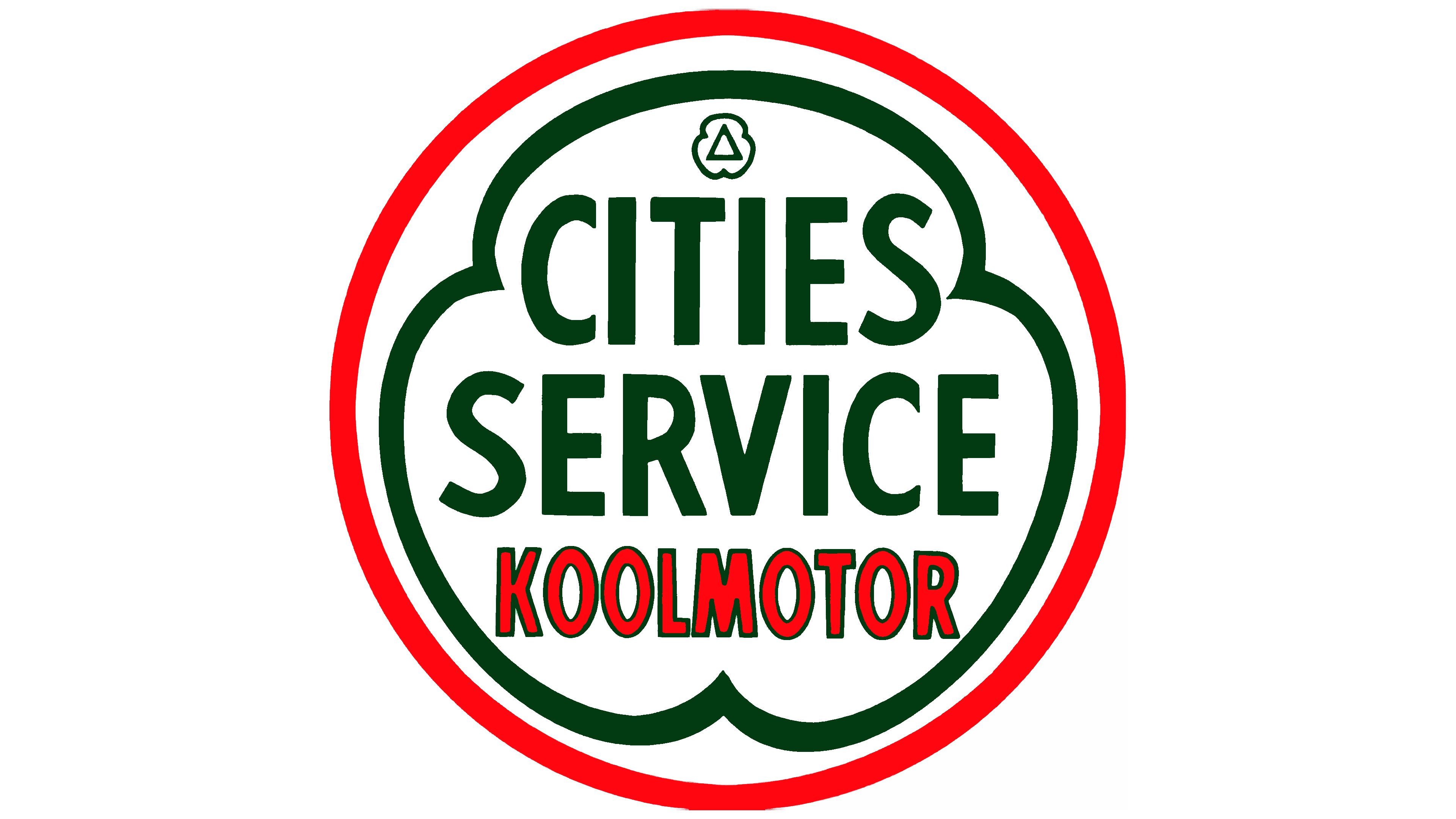
In 1965, the company replaced the longer Cities Service name in retail with Citgo, built from Cities Service Company and “Go.” The red-and-white triangle logo became familiar across the South and Midwest, where Citgo stations competed with Exxon, Shell, and Texaco. In 1982, Occidental Petroleum acquired Cities Service. Still, it sold the refining and retail business after deciding it did not fit its priorities.
In 1986, Venezuela’s state oil company PDVSA bought Citgo to secure access to the U.S. fuel market. Citgo’s refineries in Louisiana, Illinois, and Texas processed Venezuelan crude for American consumers. In 2006, Hugo Chávez used Citgo for subsidized heating oil programs in the United States. After PDVSA debt pressure and U.S. sanctions in 2017, Citgo entered legal disputes. In 2024, a federal court in Delaware approved the sale, with control transferring to Gold Reserve.
Meaning and History
What is Citgo?
This American refining company operates one of the largest networks of gas stations in the United States. It is recognized by its triangular emblem, a familiar sight on roads, particularly in the East-Central states. Its three major refineries process heavy Venezuelan crude oil to produce high-quality fuel and petroleum products. Additionally, the company manufactures industrial lubricants and specialty petroleum products for various industries. The network includes hundreds of gas stations offering fuel, retail, and automotive services.
1927 – 1965
1965 – today
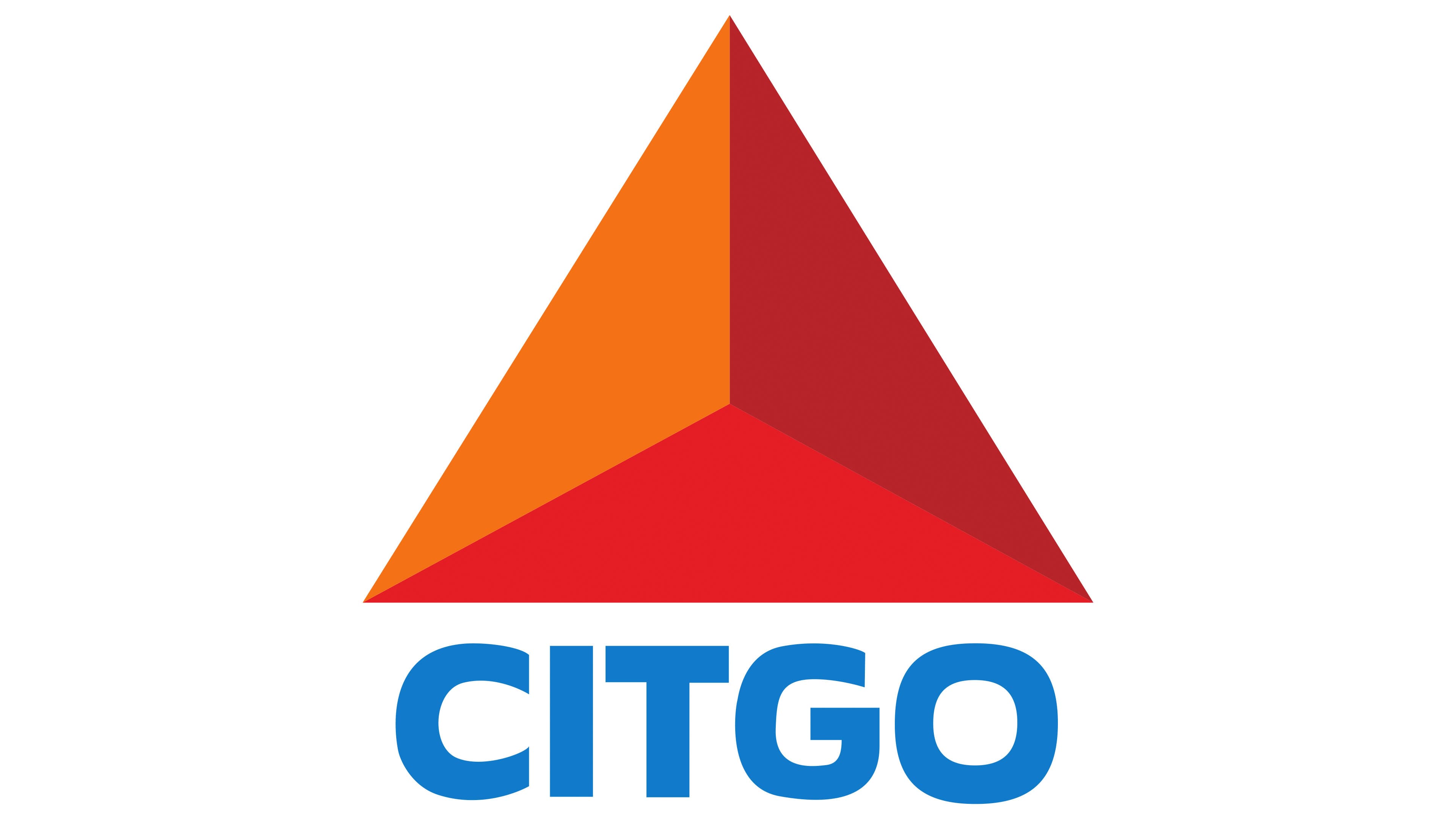
The Citgo logo stands out with its strict geometry and concise design, reflecting clarity of purpose and the company’s stability. Its central element is a three-dimensional shape resembling a pyramid. This form consists of three isosceles triangles that together produce a 3D visual effect. Each triangle has a distinct color: the top is bright orange, the right is burgundy, and the bottom is deep red. This combination emphasizes energy, strength, and confidence.
The pyramid symbolizes stability and upward movement, symbolizing progress and reaching new heights. The three triangles represent the key aspects of the company’s operations: innovation, quality, and reliability.
Beneath the triangular composition is the company name, displayed in large uppercase letters. The font is simple and balanced: the letters “I” and “T” feature strict, straight lines, while “C,” “G,” and “O” have smooth, rounded curves. The sans-serif font underscores a modern and universal style. The name is colored in a rich blue, harmonizing with the triangles’ bright shades and lending professionalism and confidence.
The blue text symbolizes stability, trust, and reliability, which are essential for a company that produces and sells petroleum products. The vibrant and dynamic colors of the triangles highlight energy and a drive for development.
The overall style of the Citgo emblem combines strict forms and rich colors, creating the image of a reliable, modern, and forward-looking company. Each design element contributes to forming a recognizable and strong visual message.