


 Eneos Logo PNG
The Eneos logo reflects dynamism and power, evoking roads, movement, and reliability. Its shape and style evoke stability and a connection to travel and energy.
Eneos traces its history to 1888, when Nippon Oil Company was founded in Niigata during Japan’s Meiji-era modernization. Niigata was one of the country’s early oil regions, with local extraction traditions dating back to the Edo period. Nippon Oil became Japan’s first company to organize industrial oil refining. It grew as a major kerosene supplier before electric lighting spread widely.
During the first half of the twentieth century, Nippon Oil expanded its refining and distribution operations. World War II placed the company under strict state control. At the same time, Japan’s postwar recovery created heavy demand for fuel for industry, transport, and housing. In the 1950s and 1960s, Nippon Oil entered into supply and technology agreements with Western oil companies, including Caltex and Standard Vacuum (Stanvac).
The 1973 oil crisis exposed Japan’s dependence on imported crude, since the country imported over 99 percent of its oil. Industry consolidation followed as refiners faced excess capacity and competition from Idemitsu Kosan, Cosmo Oil, and TonenGeneral. Nippon Oil remained independent throughout that period, but pressure to merge with larger groups increased.
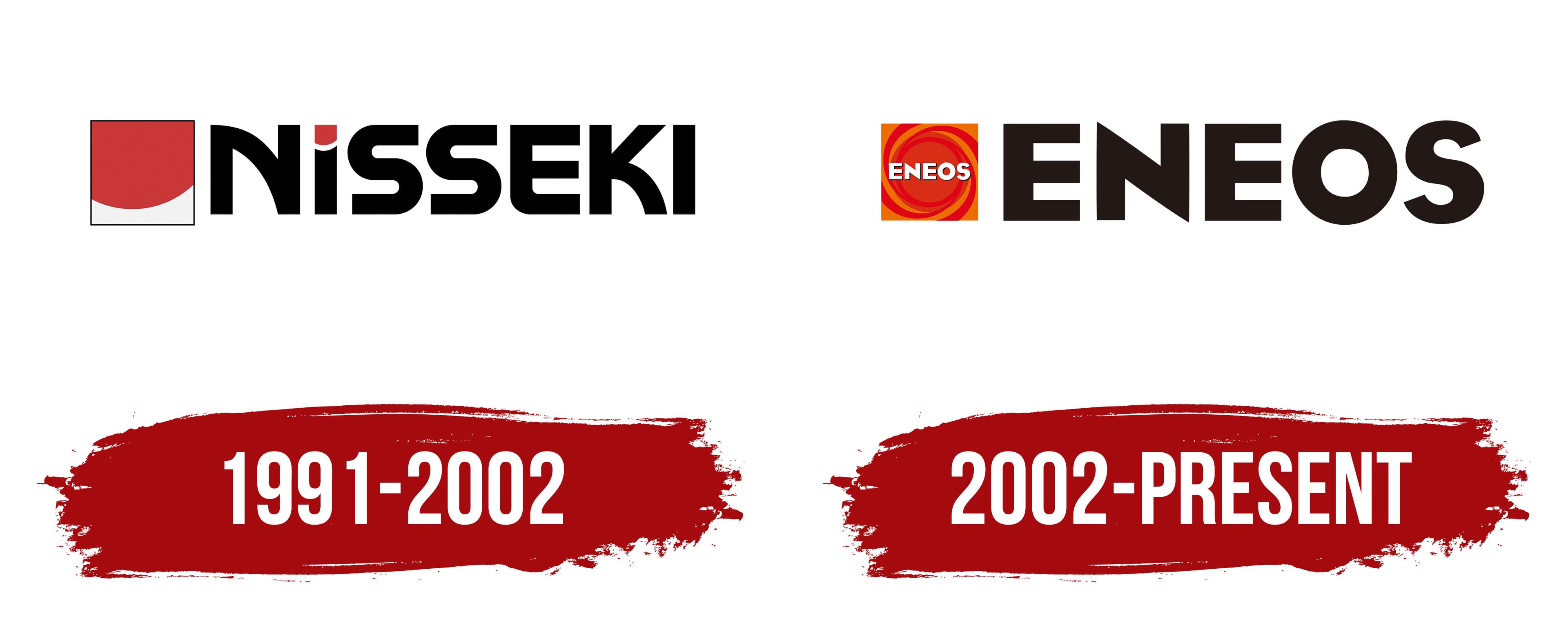
In 1999, Nippon Oil merged with Mitsubishi Oil to form Nippon Mitsubishi Oil Corporation. In 2002, it returned to the Nippon Oil name and unified its stations under ENEOS, from Energy and OS. In 2010, Nippon Oil merged with Nippon Mining Holdings to create JX Holdings. In 2017, JX joined TonenGeneral Sekiyu, linked to ExxonMobil’s Japanese operations, forming JXTG Holdings. In 2020, the group became Eneos Holdings, with Eneos Corporation as the main operating company.
Meaning and History
What is Eneos?
Japan’s largest oil corporation was formed by merging several major energy companies. It operates a wide network of gas stations, offering fuel, premium motor oils, and lubricants specifically designed for Japanese vehicles. The organization’s unique advantage is its close collaboration with leading Japanese automakers, which enables it to produce products perfectly suited to modern engines. The company also owns refineries and actively explores technologies for producing synthetic oils.
1991 – 2002
2002 – today
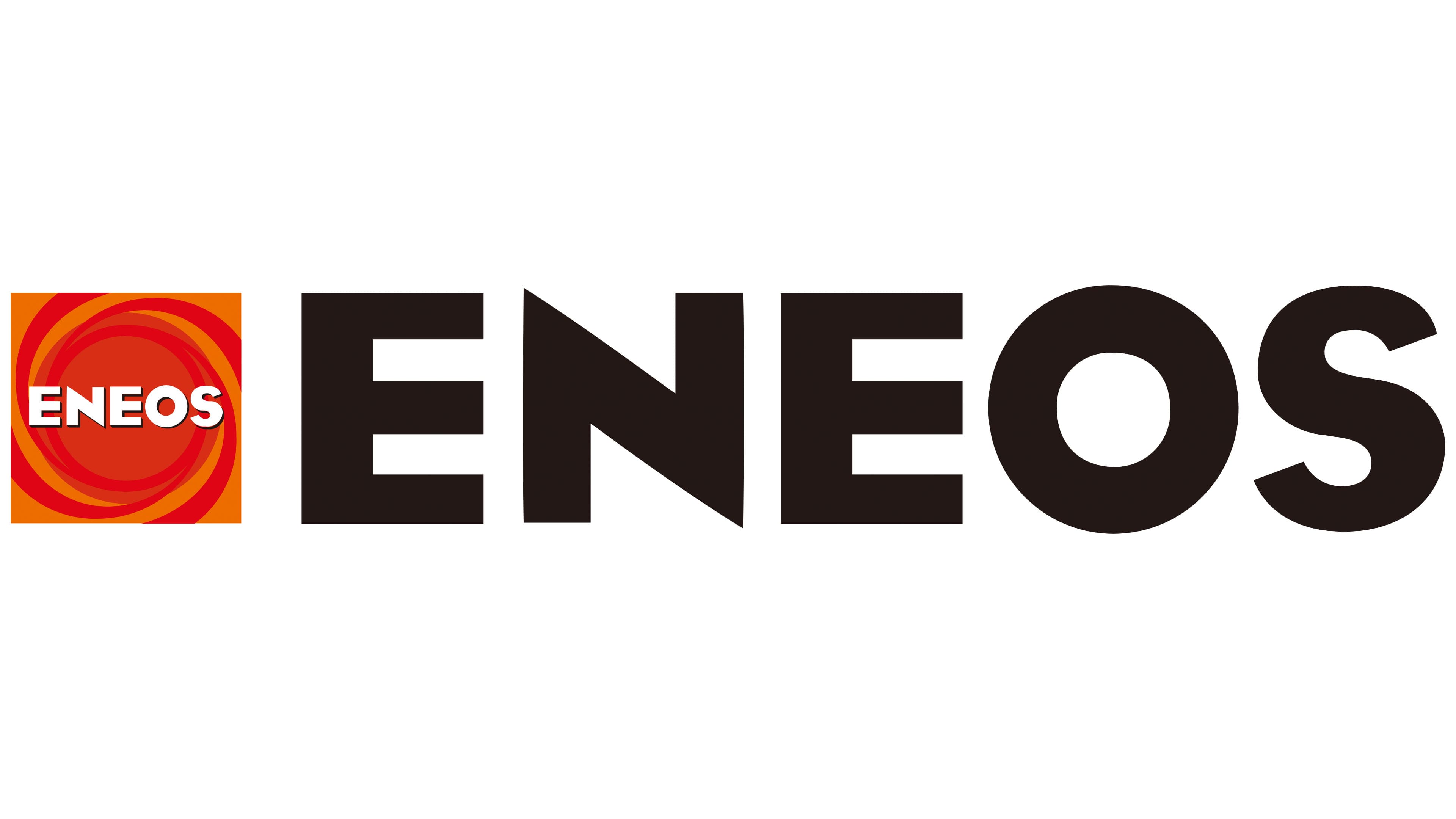
The Eneos logo, the largest Japanese oil company’s, is designed with a minimalist approach but carries profound meaning tied to its operations. The design centers on spiral lines in red and orange tones, symbolizing warmth, motion, and the powerful energy conveyed by its products. The spiral represents concentrated energy, forward movement, and continuous growth.
The white brand name sits at the spiral’s center. White highlights purity and clarity, reflecting the company’s values and production approach. The name’s central placement emphasizes that the company’s products are a key source of energy driving the world.
All elements of the logo are enclosed within a square. This shape adds stability, order, and balance. The square suggests equilibrium and resilience, matching the company’s reputation as a reliable, trusted partner.
The brand name, placed nearby, is written in bold black letters with clear geometric lines. The font is massive and thick, evoking confidence, solidity, and seriousness. This style underscores the company’s modern and technological nature.
The Eneos emblem reflects the company’s mission and activities. Every detail, from the spiral to the square shape, conveys motion, stability, and strength.