


 Little Rock Trojans Logo PNG
The Little Rock Trojans logo speaks of the bravery and courage that characterized the warriors of Troy. The players are inspired by this historical example and strive to play in the spirit of the valiant army. The teams represent the athletic elite, as reflected in the mascot and the emblem’s color scheme.
The Little Rock Trojans athletic program began in 1927 with the opening of Little Rock Junior College in Arkansas. Early teams competed mainly at local and regional levels. Football produced the school’s first major achievement in 1949, when the team won a junior college national championship. The program was later discontinued and never returned.
The institution became a four-year university in 1961 and entered the University of Arkansas system in 1969. Its teams adopted the Trojans nickname around the early 1960s. From 1961 to 1977, Little Rock competed in the Arkansas Intercollegiate Conference. In 1978, the program moved to NCAA Division I by joining the Trans America Athletic Conference.
Men’s basketball won regular-season conference titles in 1982 and 1983. In 1986, the Trojans captured the conference tournament, reached the national tournament for the first time, and advanced to the second round. They made further appearances in 1989 and 1990. Little Rock joined the Sun Belt Conference in 1991 and remained there for 31 seasons. The men returned to the national tournament in 2011, while the women’s team became a regular conference contender under longtime coach Joe Foley.
The strongest season came in 2015–16 under first-year coach Chris Beard. Little Rock recorded 30 wins, claimed both Sun Belt titles, and entered the national tournament as a No. 12 seed. On March 17, 2016, the Trojans defeated No. 5 seed Purdue 85–83. The athletic department had adopted the shorter Little Rock name in 2015. In 2022, the program moved to the Ohio Valley Conference, where the men won the 2023–24 regular-season and tournament championships with a 21–13 record.
Meaning and History
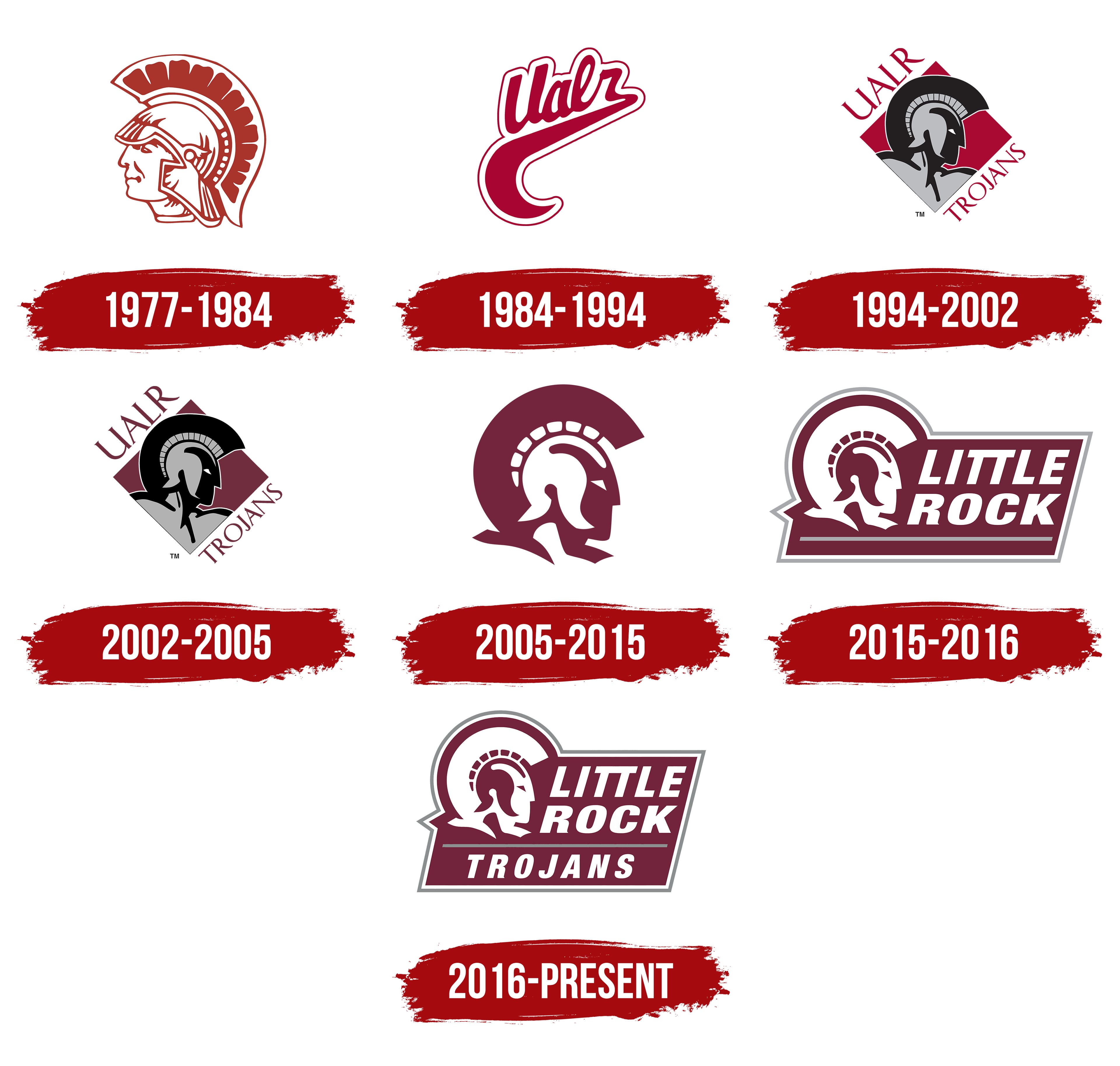
What is Little Rock Trojans?
They are a team from the University of Arkansas at Little Rock, playing in the Ohio Valley Conference and NCAA Division I. They are strong in basketball, baseball, swimming, track and field, volleyball, and soccer. Jack Stephens Center gathers fans to support athletes. The Maximus mascot embodies perseverance and spirit, while burgundy and silver convey unity and pride. Many players continue their careers at a professional level.
1977 – 1984
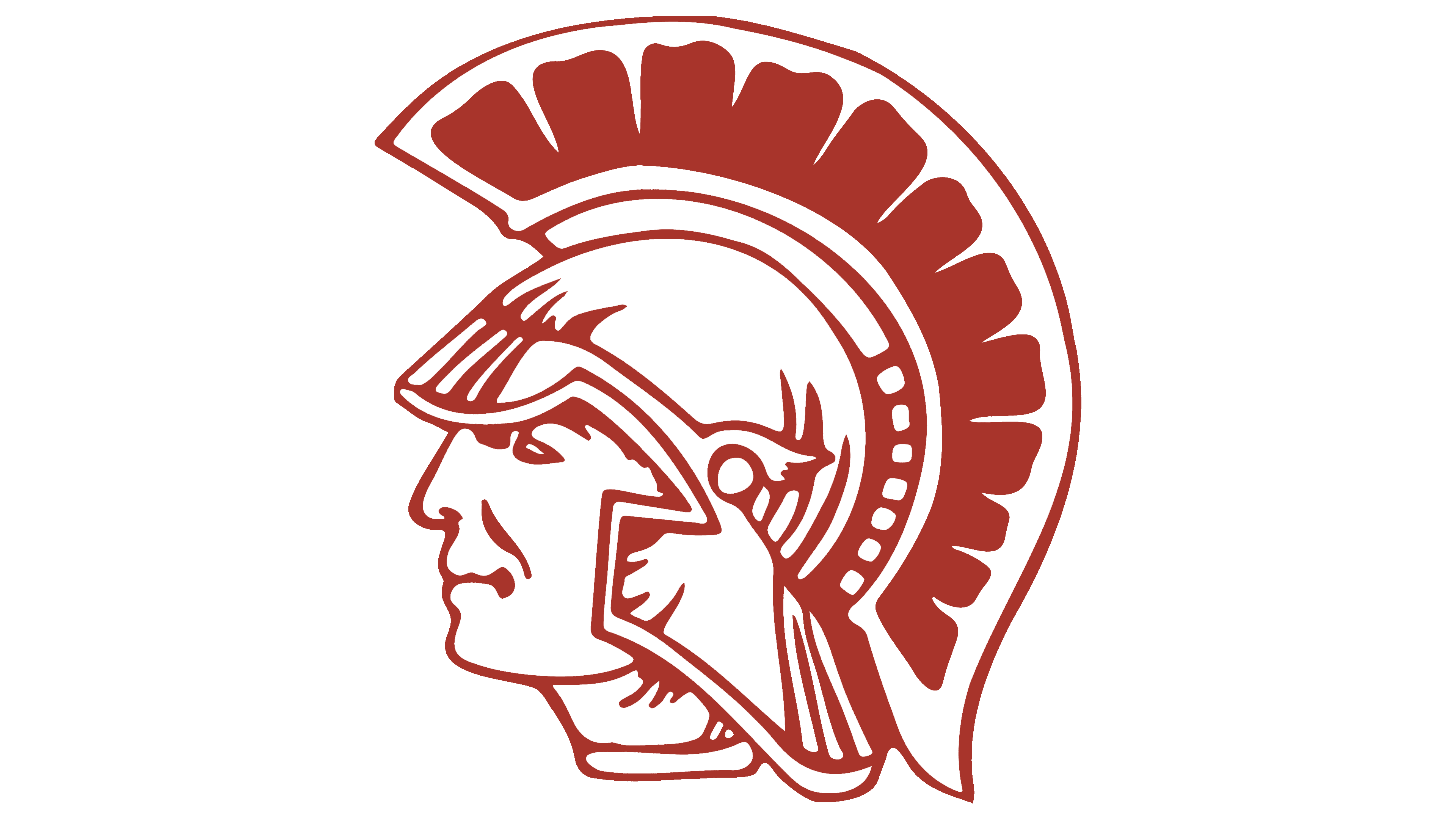
The first emblem of the clubs depicted the profile of a Trojan warrior in full battle attire. The image reflects resilience, strength of spirit, and bravery. It is inspired by the heroes of ancient Troy, known for their unwavering determination and courage. The warrior’s headgear is a helmet with a crest, traditionally used to signify military rank. The red color in the design emphasizes courage, energy, and leadership qualities that the club members take pride in.
1984 – 1994

The emblem features the abbreviation UALR, which originated from the merger of Little Rock University and the University of Arkansas, representing the University of Arkansas at Little Rock. The lettering emphasizes dynamism, rising upward to symbolize progress. A broad, underlying curve that is larger than the letters enhances visual impact and emphasizes scale. This design element was created to honor the women’s tennis team’s success, as it advanced to the national championship.
1994 – 2002
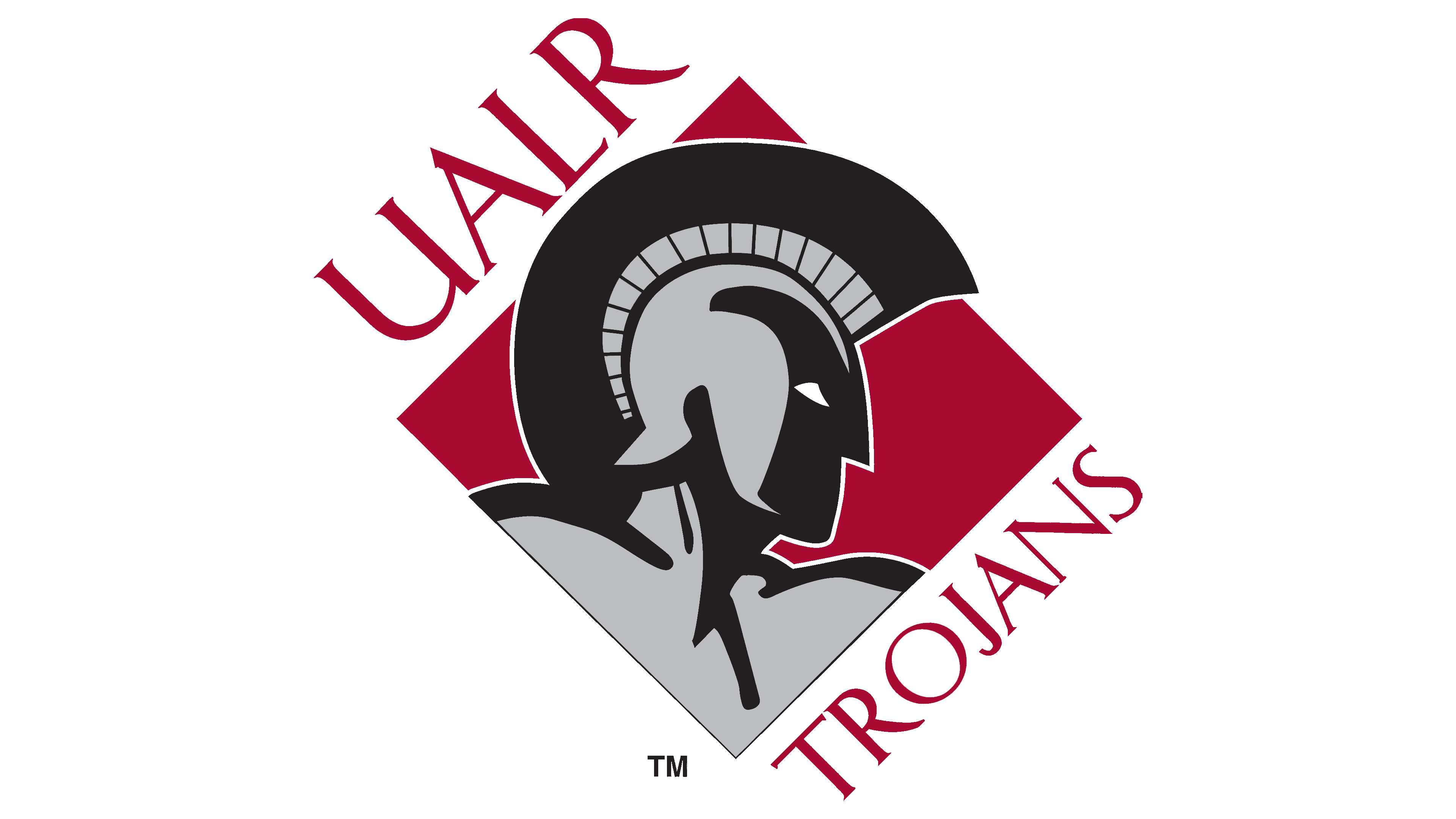
The logo stands out for its unconventional, original design. Its creation was timed to coincide with the Sun Belt Conference’s entry, which required an update to the visual identity. The primary element is a maroon diamond featuring the profile of a Trojan warrior. The figure appears to look out from the shape, creating an effect of presence, as if through a window. A gray-to-black gradient adds depth, giving the impression of a shadow. The team name is placed along the top and bottom edges of the diamond in a thin maroon font, completing the emblem’s overall appearance.
2002 – 2005
In 2002, in honor of the university’s 75th anniversary, the shade of red used in the emblem was updated. The maroon color was changed to a deeper, dark maroon with a purple tint. The main elements of the composition remained unchanged, preserving the connection to the original symbolism and history.
2005 – 2015
In 2005, the teams changed their match venue to the new Jack Stephens Center sports complex. An update to the logo accompanied this event. It returned to the original image of a warrior depicted in profile, but the execution became more schematic. The new design gives the impression that the image is cast in paint, with colors blending smoothly into one another, adding lightness and expressiveness to the emblem. The dark tones in the palette emphasize the players’ experience and professionalism, reflecting years of accomplishments.
2015 – 2016
In 2015, the team changed its name from Arkansas–Little Rock to Little Rock Trojans, which was reflected in the updated logo. It features only the name “Little Rock,” placed on a maroon background, along with the profile of a warrior. All elements are rendered in white, emphasizing renewal and a new chapter in the team’s history. The maroon background resembles a business card, with the left side mirroring the contours of the soldier’s profile, adding a unique touch to the design. The name is highlighted with a dynamic stripe, drawing attention to the name change and symbolizing forward movement.
2016 – today
In 2016, the word “Trojans” was added to the existing logo and placed below the line to complete the full name. All other design elements remained unchanged, including the primary colors and layout.