


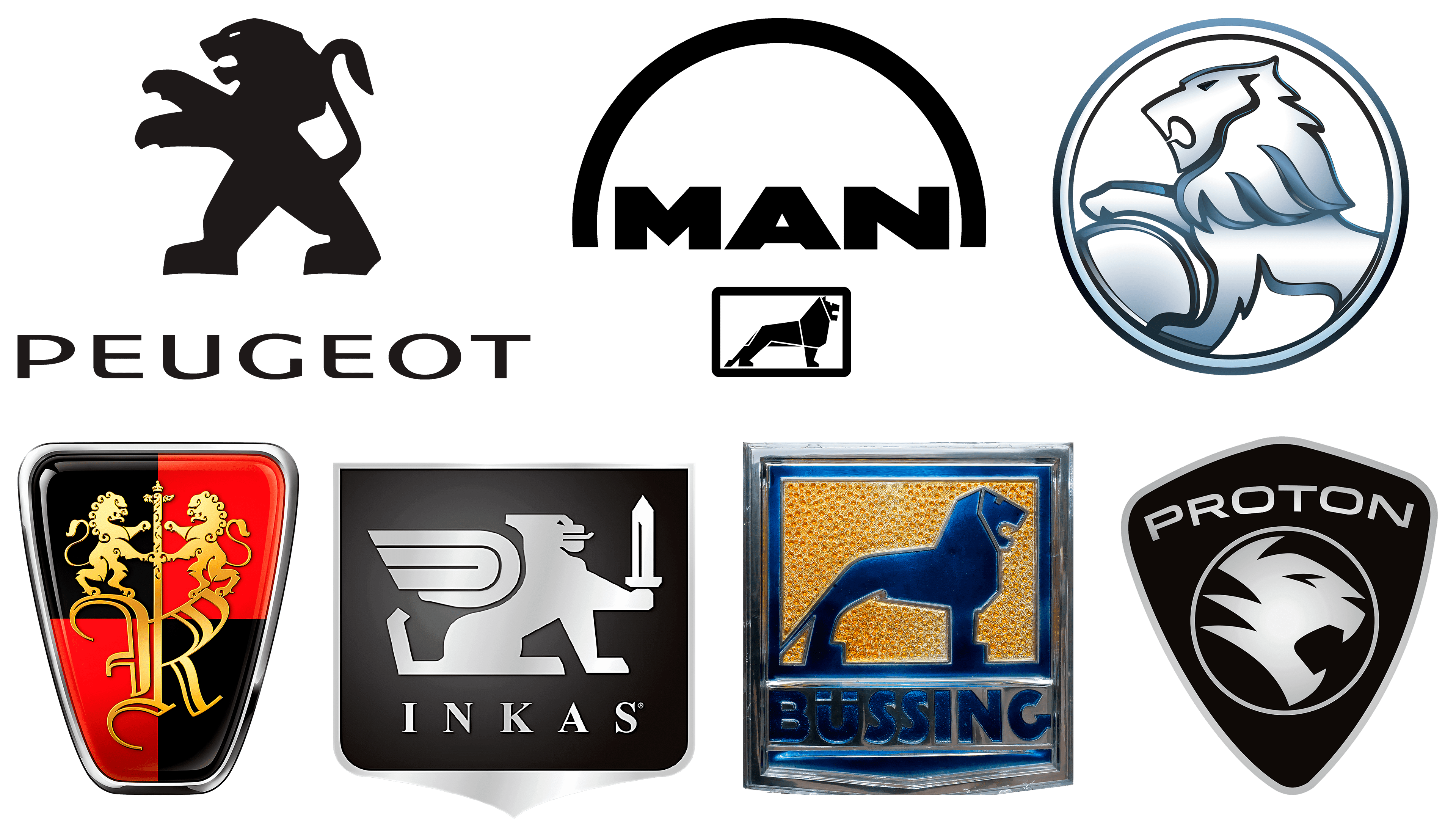
Animalistic themes in logo design often inspire automakers. Nothing strange about it, as powerful animal imagery looks relevant and convincing. One of the most popular images used in car logos is the lion.
If we talk in general about the universal meanings it carries, they are as follows:
- Courage. Automakers need to signal that they are brave enough to keep up with the times and equip their cars with everything drivers need for comfort.
- Strength. In this context, this could be a strong market position and state-of-the-art production facilities.
- Leadership. Any major automobile concern strives to lead in its niche and earn customers’ respect.
In world culture, the lion’s image is associated with royalty, influence, and power.
Peugeot
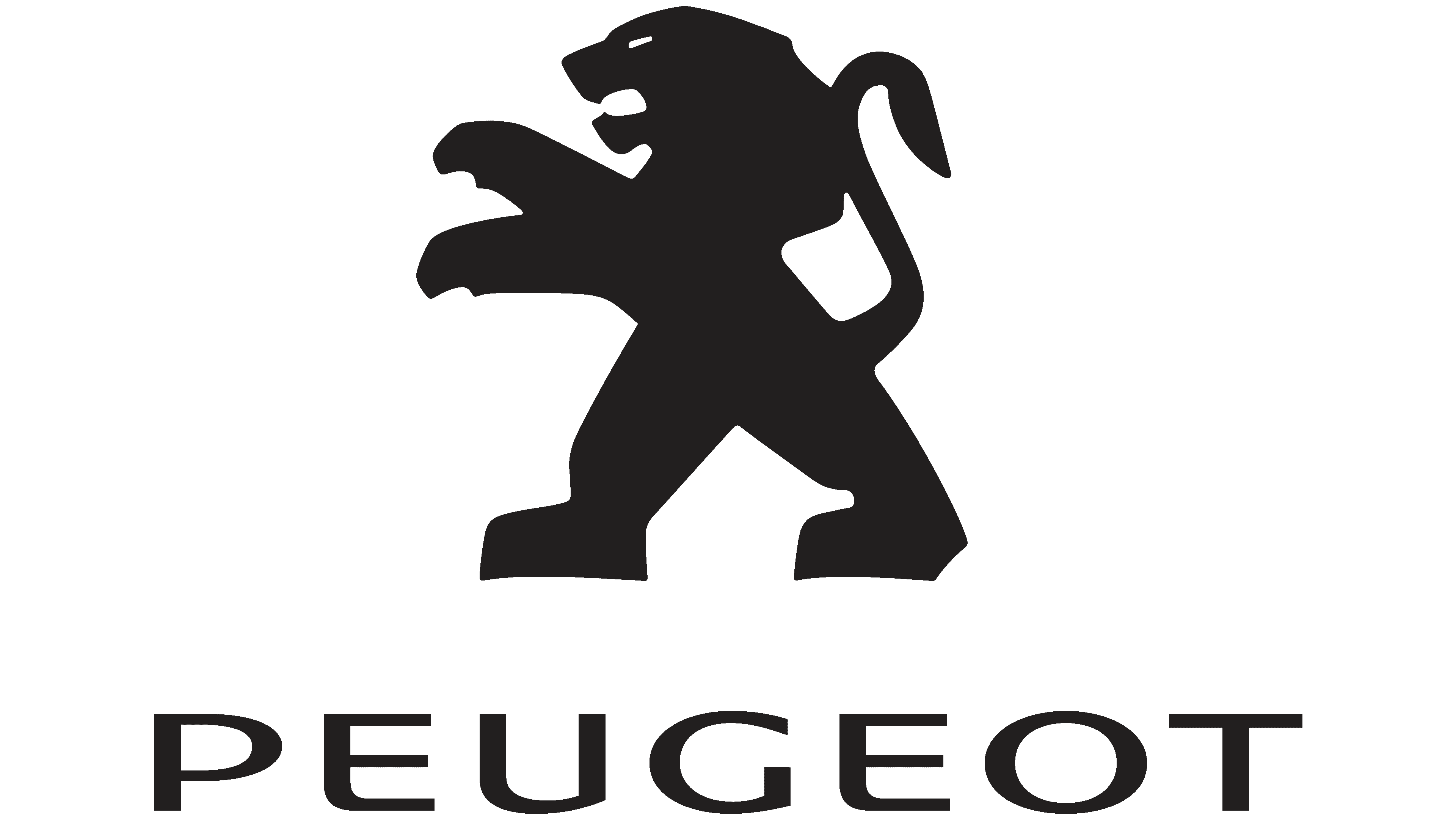
Perhaps, among car brands with a lion image, this logo is the most recognizable. The company-manufacturer is based in France and seeks to endow its cars with the virtues summed up in the phrase “European quality.” Originally, the Peugeot logo depicted a lion walking on an arrow. This had a wide range of associations with speed, flexibility, and power.
The lion first appeared on the logo in 1847. At that time, the company manufactured steel products. The lion image conveyed the products’ features, many of which had sharp teeth.
The lion’s pose on the Peugeot logo suggests readiness to attack. At the same time, it stands very powerfully and firmly on its hind legs. On the one hand, it can symbolize a strong market position; on the other, it is ready to meet the challenges of time and deliver quality cars to its customers.
Holden
The company was founded in 1858, so its history is amazing. It is a pity, though, that the brand has recently ceased to exist. For a while, the company operated independently, then became part of General Motors, and has now been abolished.
The Australian company was named after the founder, whose last name was that. The first logo featured a horse, as the company manufactured equipment for carts and horses. Even the entrance to the company’s building was adorned with a life-sized statue of a handsome horse, which James Alexander Holden commissioned to show customers more convincingly what his company did.
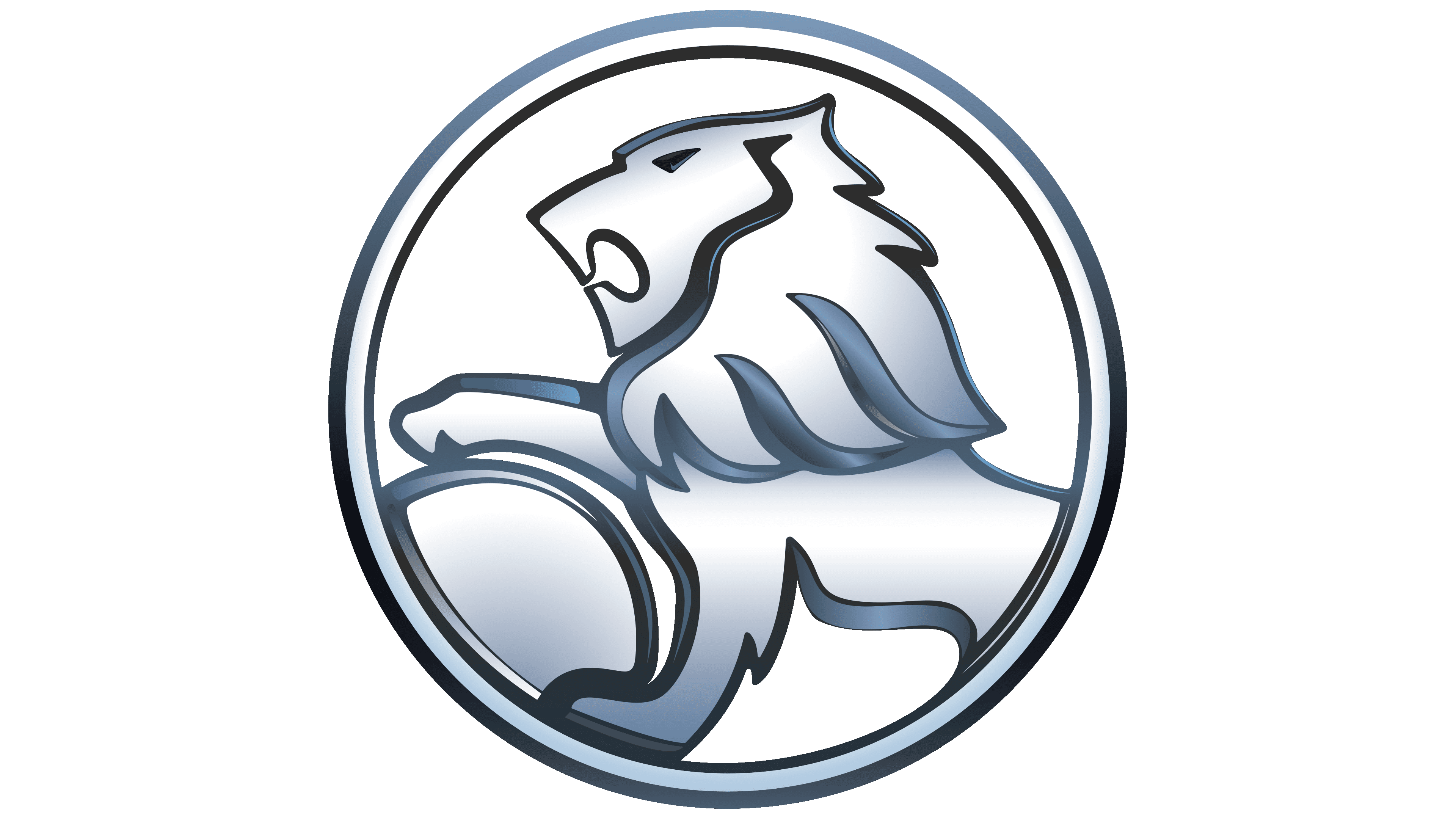
When the company eventually shifted its focus to car bodies, a lion appeared on its logo. The round Holden logo shows a lion holding a wheel with its paw. It looks beautiful and symbolic. It is a pity that such a production giant no longer exists. Still, its solid history and powerful logo remind motorists that the brand existed.
Proton
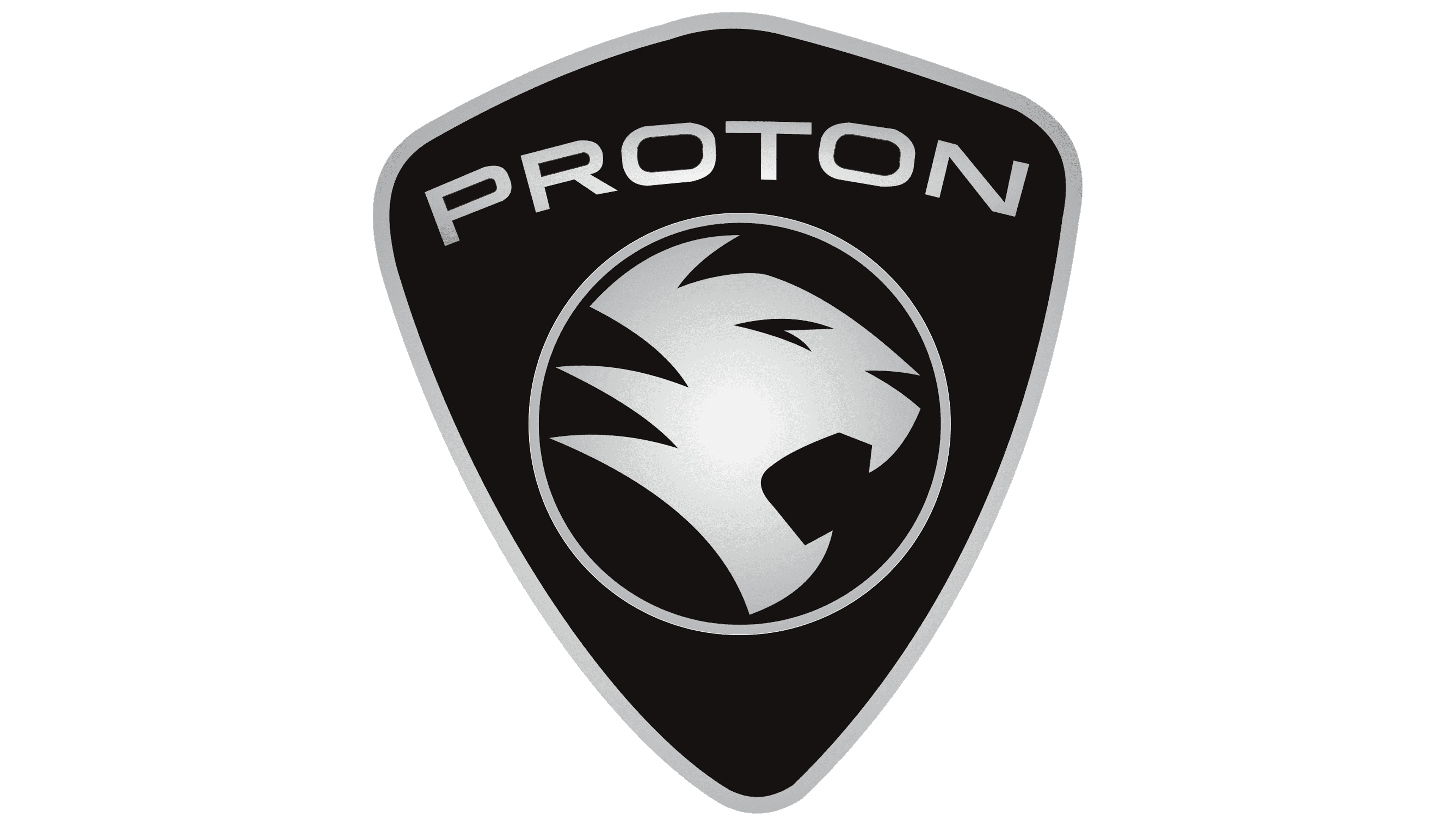
The logo was used for the Proton Waja car in 2000. Interestingly, many still argue over which head the logo depicts: a lion’s or a tiger’s. Either way, it looks powerful and imposing. The animal’s head appears on a dark blue shield, and the company name is written in all caps at the top of the logo.
The roaring lion, which conveys the power of these cars, suits their positioning well. It is no coincidence that Proton uses the logo not only in the domestic market but also for export. The lion’s roar can be symbolically compared to the sound of a car rushing along the road.
The lion’s head also deserves special attention for its interesting stylization. It looks minimalistic but convincing.
The company began producing cars in 1985. Despite its young “age,” this Malaysian manufacturer feels confident in the market. Therefore, there are reasons to believe it has a promising future.
Roeve
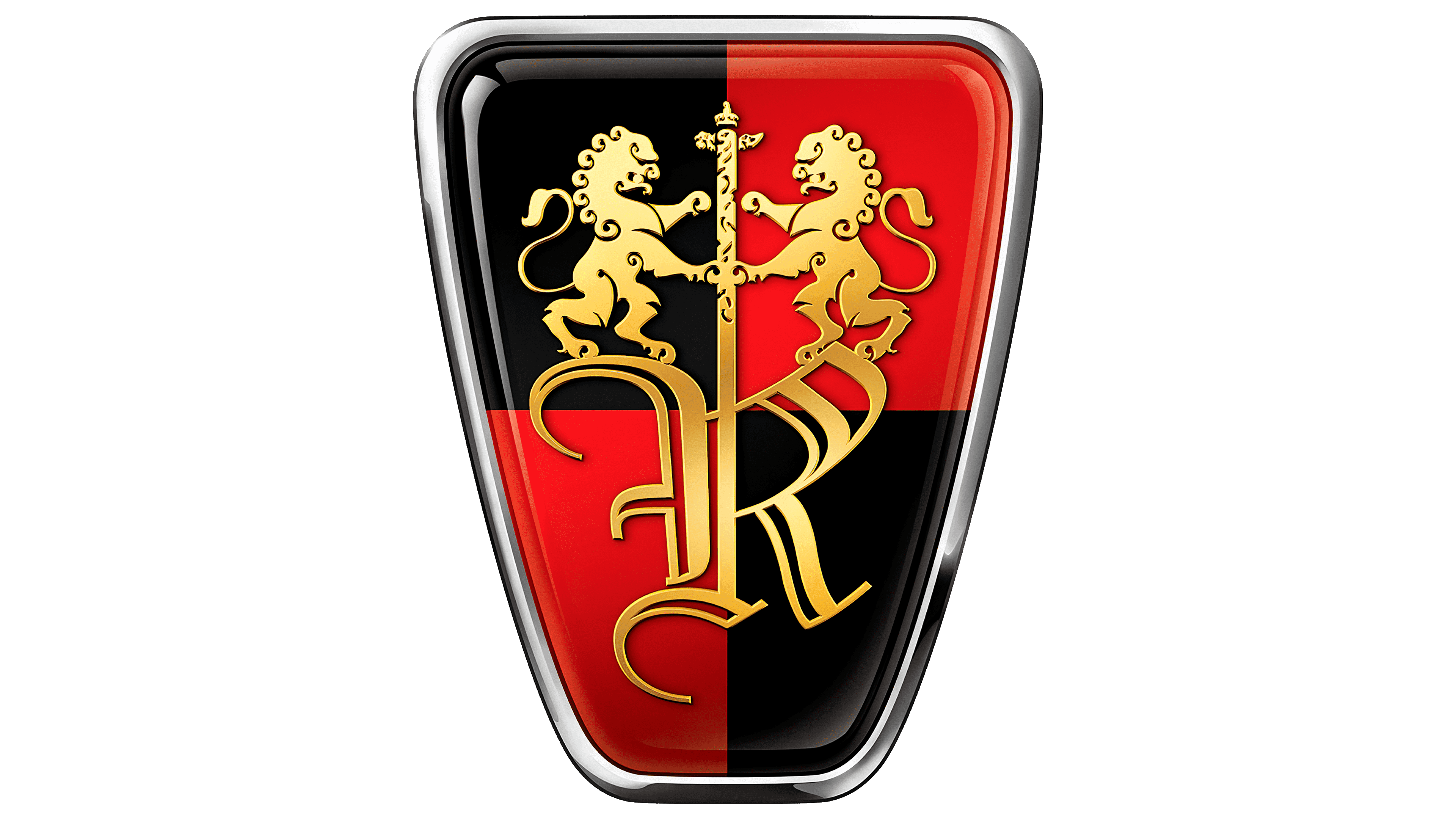
The brand name has an interesting history. SAIC wanted to buy the Rover brand from BMW, but the deal fell through because Ford had already bought it. Some say the name comes from combining two Chinese words that translate to “magnificent power.” It is worth noting that such a brand name is quite appropriate for the car. This is exactly the range of values that car enthusiasts appreciate in good cars. However, naming is not as simple as it seems.
Some experts believe the name is a transliteration of the word “Rover,” the brand name the company wanted to buy. But the company’s representatives deny it, saying the name comes from the German word Löwe, which translates to “lion.” That’s the kind of confusion we get.
The Roeve emblem uses black, red, and gold colors. The two lions standing on the capital letter in the name hold a rod. An interesting vintage font is used for the letter itself. It looks powerful and artistic.
MAN
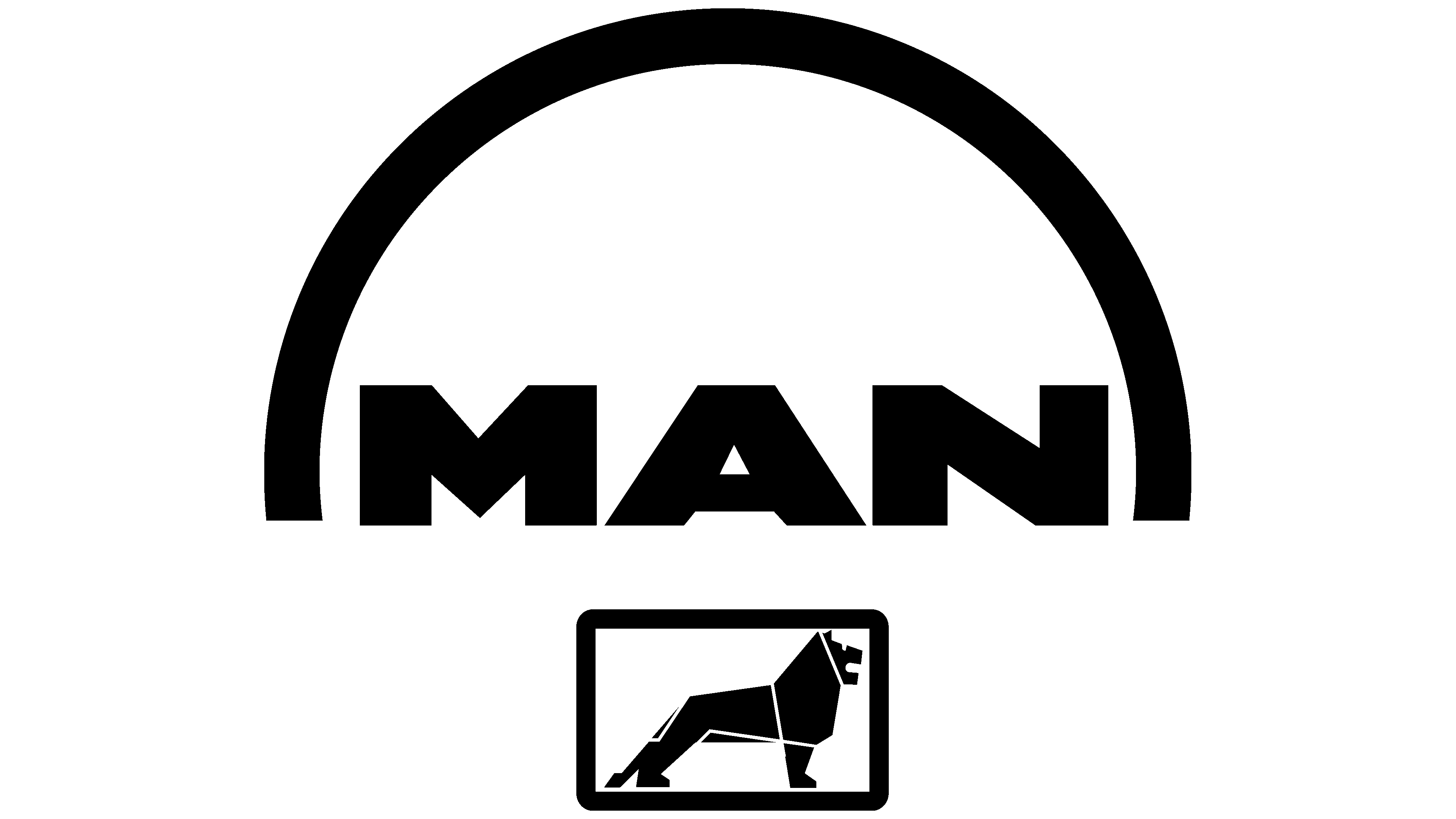
This company produces buses and trucks. A subsidiary of Volkswagen AG owns it. The last company on this list also specializes in producing large commercial vehicles.
The logo also has an interesting story. The lion originated from the logo of Büssing AG, which MAN acquired decades ago (in 1971). The logo resembles Braunschweig’s coat of arms.
If you look closely at the MAN logo, there is a lot to see in the lion image. It stands firmly on straight front legs and slightly back on its hind legs. The lion’s posture is calm, but its mouth is open. Again, this evokes the roar of a powerful automobile on the road. At the same time, the lion’s confidence hints at the company’s position in its chosen market segment.
Büssing AG
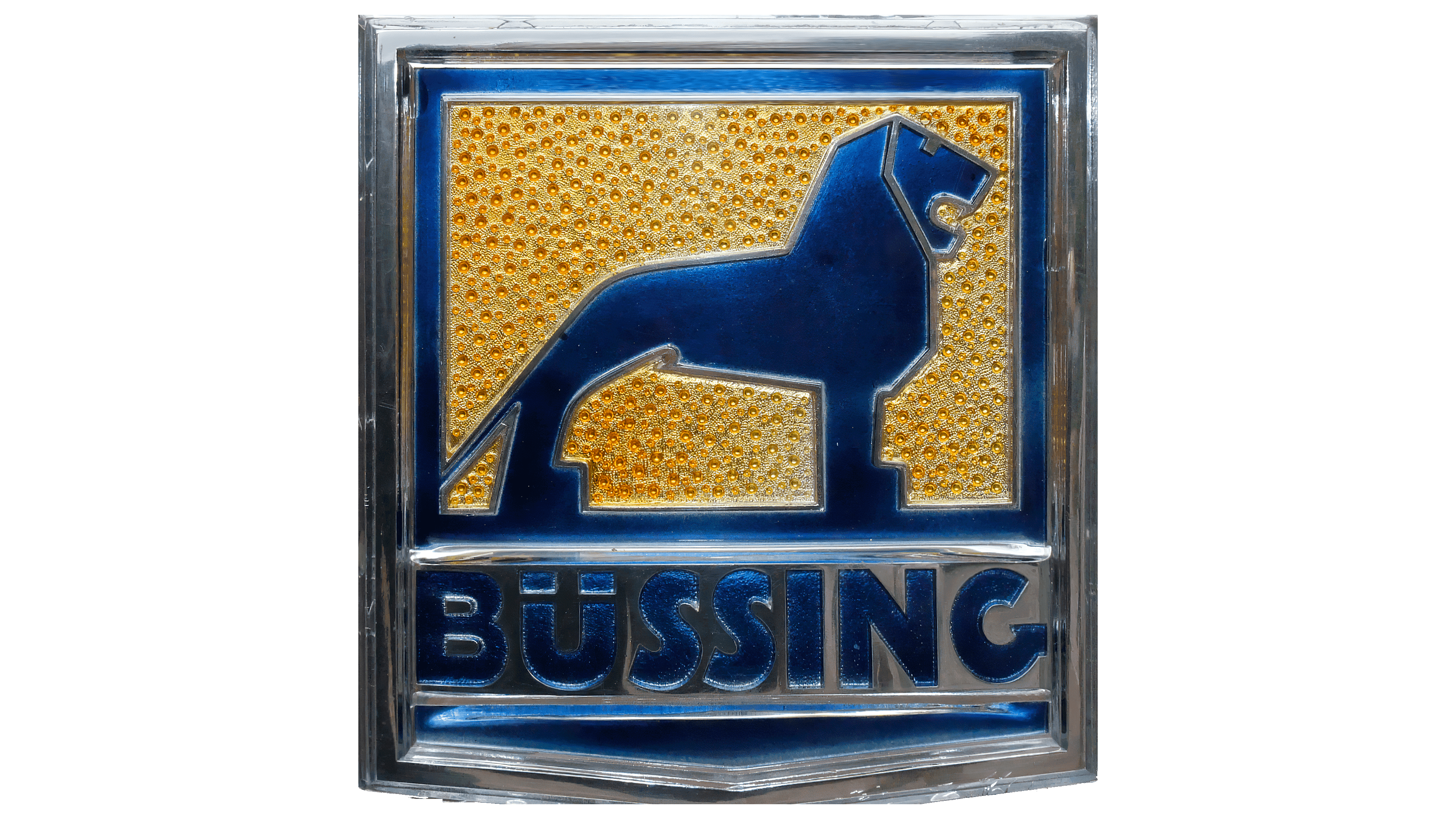
This company was mentioned above. It is no coincidence that the lions on the logos of Büssing AG and MAN are so similar. The German manufacturer of trucks and buses has a long history. The company was founded in 1903. Its founder, Heinrich Büssing, established the company in Braunschweig.
The company quickly gained a strong position in its niche, becoming one of the most influential truck manufacturers in the European market. Particular success began in the 30s. And even after the acquisition of MAN, the lion adorns not only the logo of Büssing AG but also that of its subsidiary.
INKAS Armored Vehicle Manufacturing
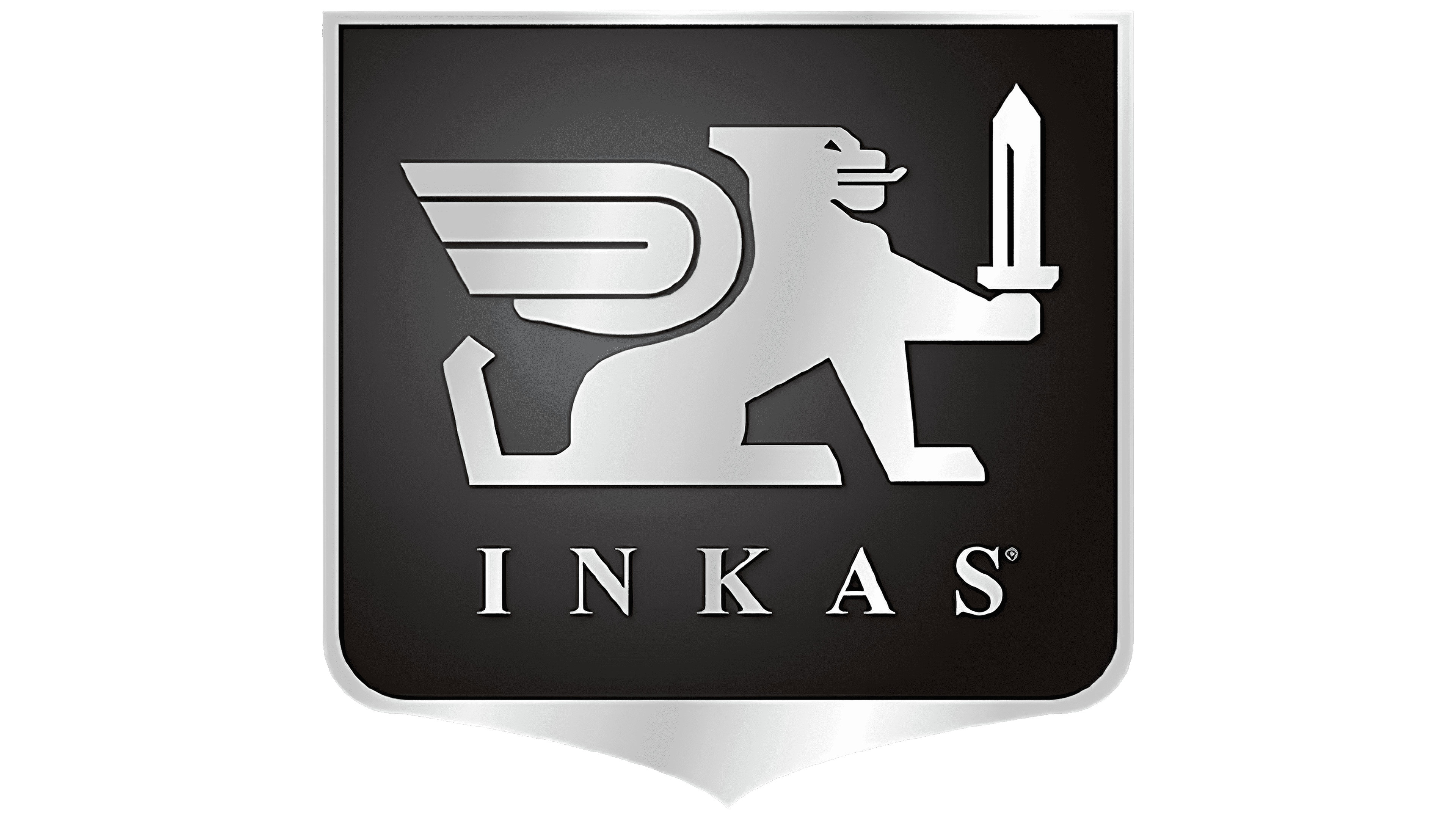
The company specializes in producing armored vehicles. The product range is very wide. These include both premium SUVs and special-purpose vehicles. In addition, the company produces armored vehicles.
Despite such a complex niche and production scale, the company was founded relatively recently, in 1996.
The lion looks particularly appropriate on the INKAS logo. This emphasizes that the manufactured equipment is durable, safe, and resistant to threats. It is not in vain; on the brand logo, the lion is depicted with wings and a sword. The logo also resembles a coat of arms, which lends it greater solidity. This visual composition looks striking and fits the company’s industry.
In summary, each emblem presents a differently stylized lion. In one, he looks like a superhero, as in the last emblem; in another, he looks like a tiger, as in the Proton emblem. But everywhere, the lion looks appropriate and distinctive, expressing the meanings embedded in the company’s visual identity.