


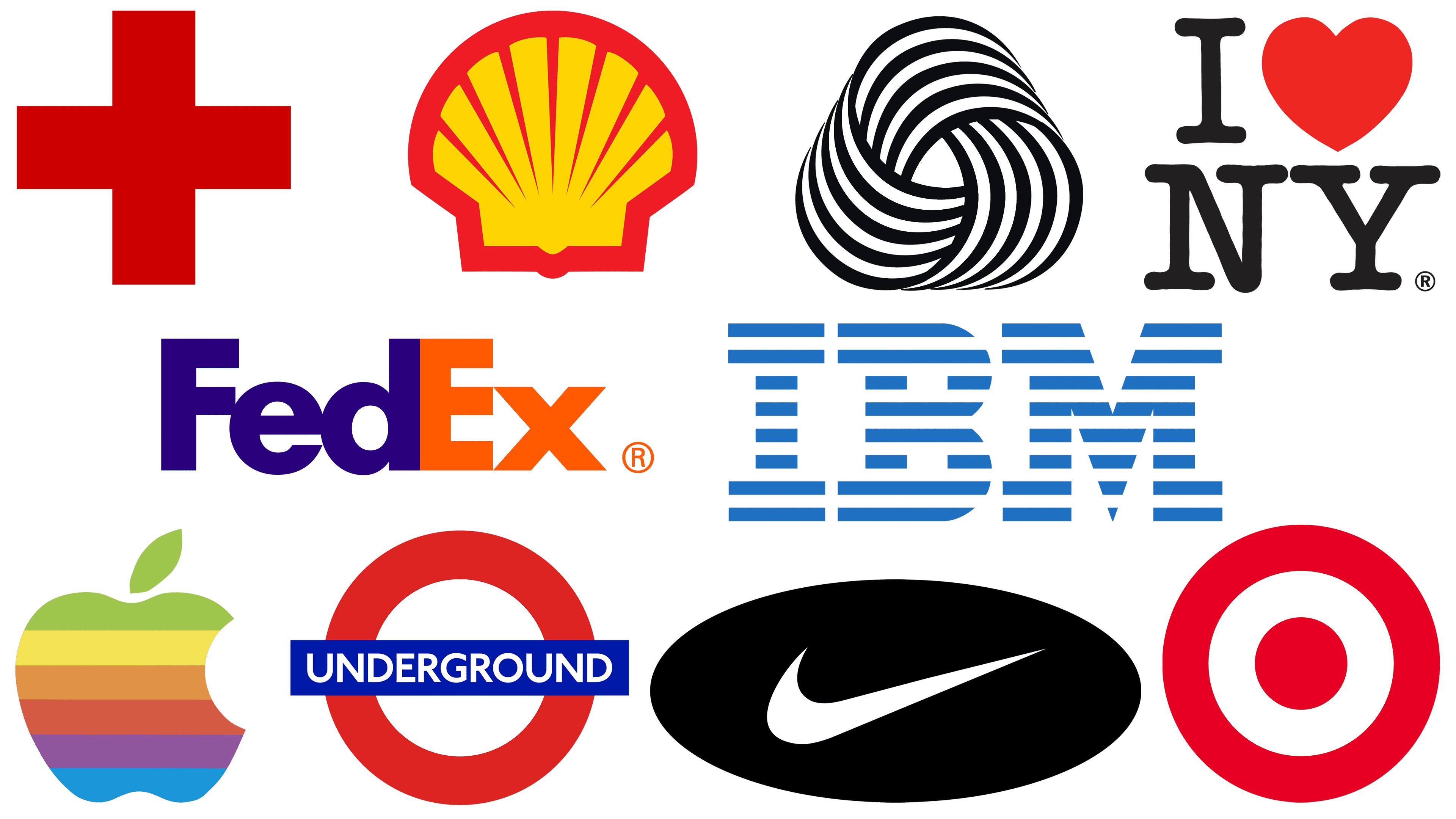
Logos create an entire brand story. No wonder companies allocate huge budgets to rebranding, hiring top designers, and listening to customers. A company’s entire success depends on its logo, which shapes its recognizability and overall brand identity. The emblem should be detailed enough that customers subconsciously form associations and warm feelings. Colors, symbols, shapes, lines, fonts, and all details should reflect the business’s values. Interestingly, some famous logos were created several decades ago and still haven’t lost their relevance.
What are the 10 Best Logos of All Time?
The top 10 include logos from the Red Cross, Apple, IBM, FedEx, I Love New York, Target, Shell, London Underground, Nike, and Woolmark.
Red Cross

The most important logo in history is the Red Cross, which has saved thousands of lives. The laconic, neutral symbol was created under the 1864 Geneva Conventions. The emblem resembles the Swiss flag, but with the colors reversed: a red cross on a white background. The emblem reflects medics’ neutrality and respect for victims of military conflict.
The bright, contrasting colors are visible from a great distance, so it is unacceptable to shoot a person with this emblem. International law supports all aspects. In 1876, the Ottoman Empire used the red crescent. They changed the emblem because it was associated with the Crusaders, which Muslims found offensive. Later, in 1929, the Diplomatic Conference recognized the emblem, and most Muslim countries used it. In 2007, an additional logo, the Red Crystal, was introduced, combining the two previous symbols.
Apple
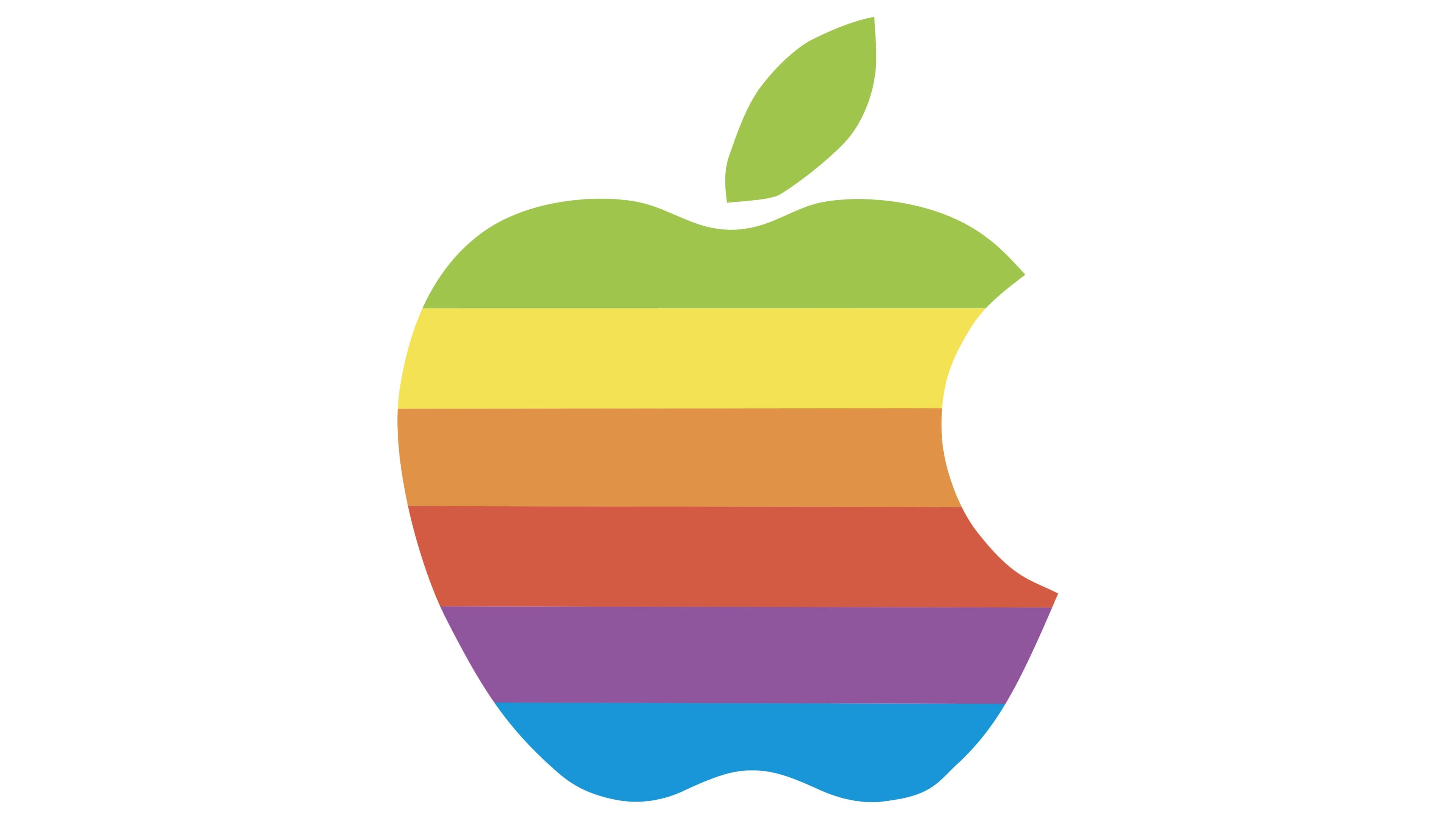
Everyone knows the Apple logo. Consumers associate the minimalist, seemingly simple symbol with luxury and successful technological solutions. Graphic designer Rob Janoff created the famous logo at the founders’ request. According to the logo’s creator, Steve Jobs asked that it not be made cute. This is how the world-famous overbitten apple came into existence.
In the first logo, Apple used a wide range of colors; since then, it has produced personal computers with color monitors. During the change, the logo took on a white, chrome color. An interesting fact about the creation of the logo is that Rob Janoff created only one “backup” version, namely a whole apple, in case “the founders of the company found the first logo too cute.” Some sources claim the whole fruit resembled a tomato, so it had to be “overbitten.”
IBM
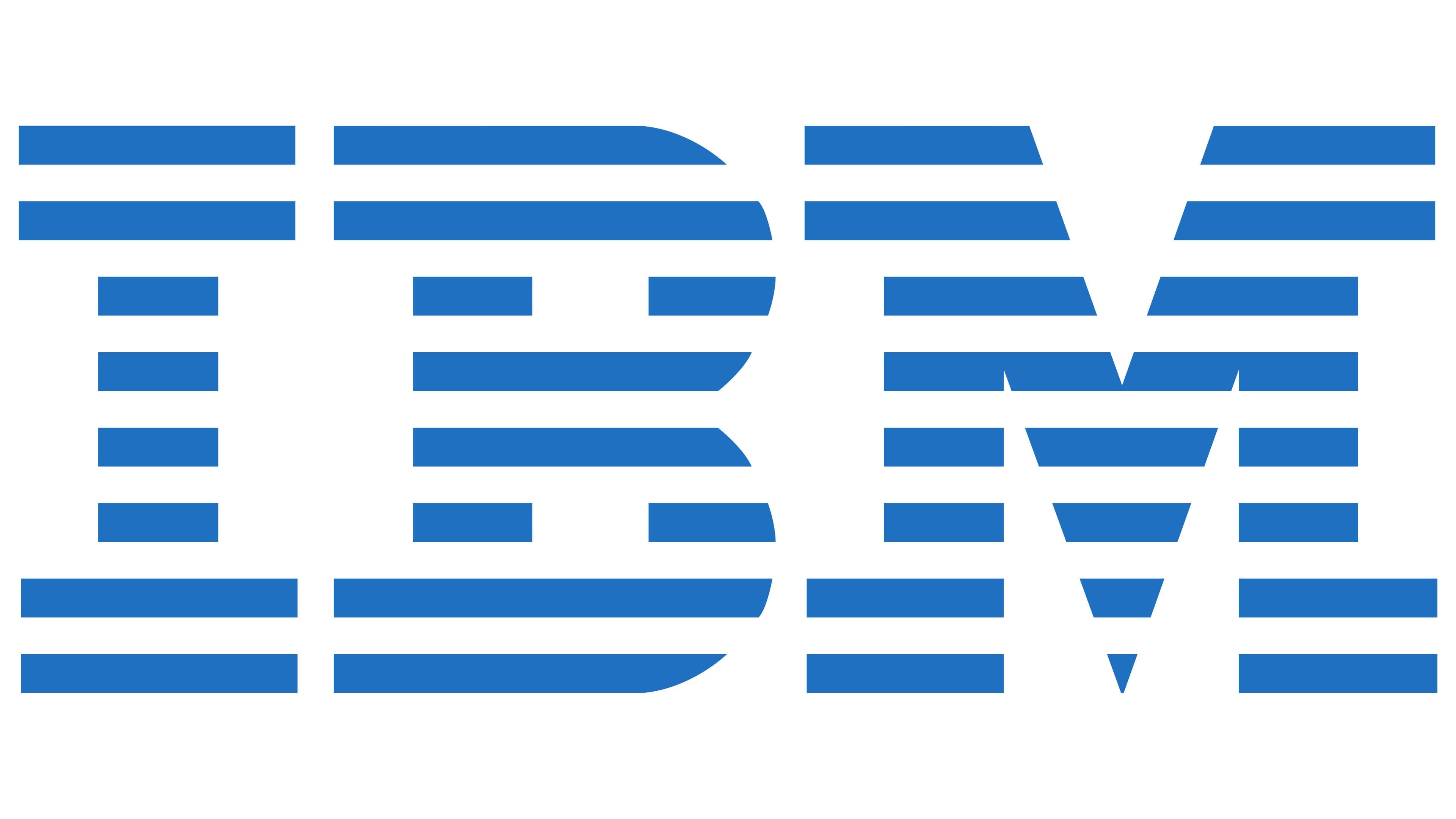
In 1972, Paul Rand 1972 created the logo that the company still uses today. The emblem is an updated version of the 1956 logo. It features the company name in blue. The letters have distinctive serifs and are set in City Medium. Horizontal lines (8 in total) separate the letters, referencing cathode-ray tube monitors.
IBM has earned the nickname “Big Blue,” i.e., “blue giant.” According to one version, the name was inspired by the famous emblem, which is bright blue. The brand’s logo, in line with IT principles, conveys dynamism and speed. By the way, next year, 2022, the emblem will be 50 years old.
FedEx
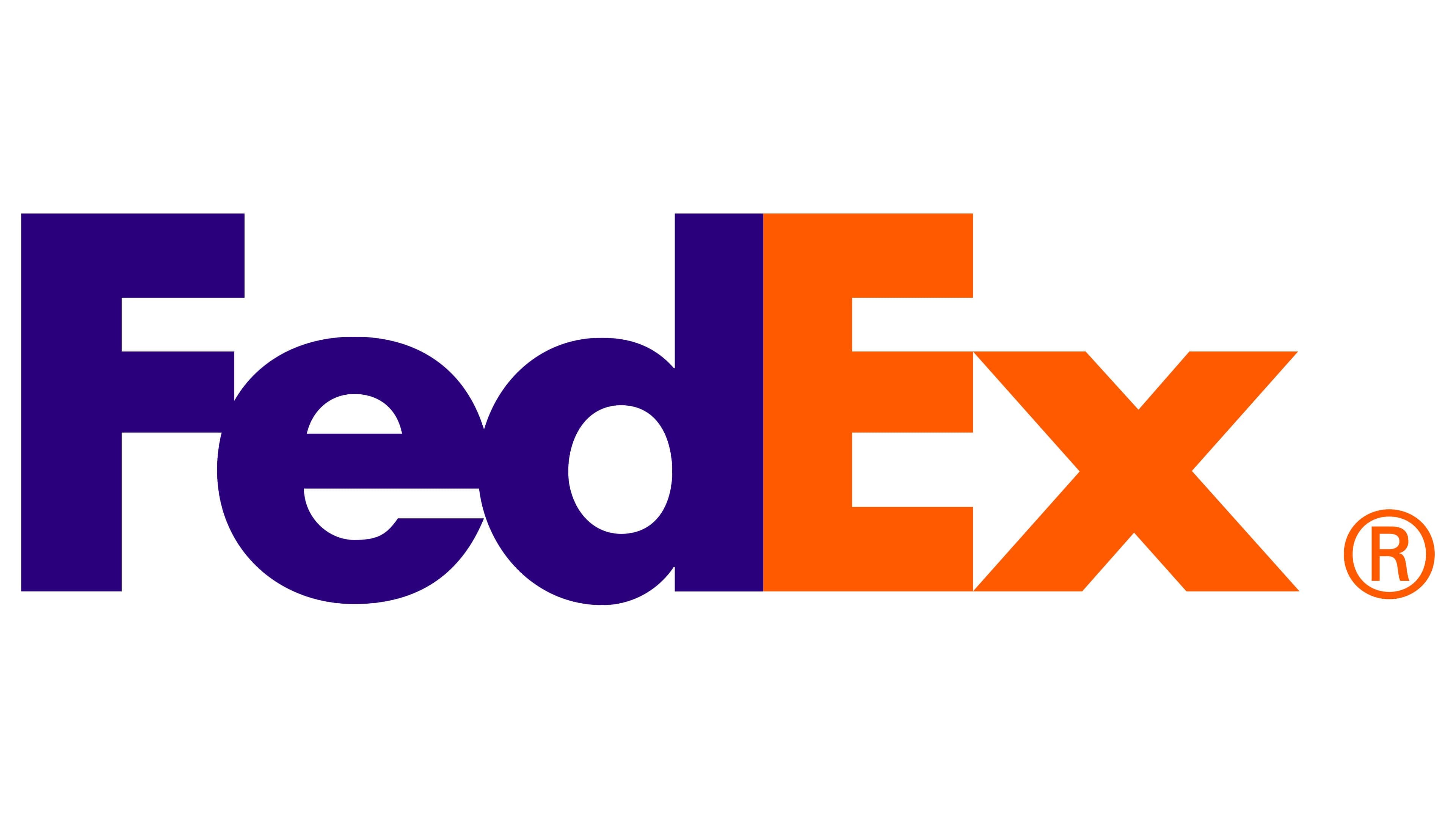
FedEx is a large American company engaged in domestic and international logistics. The famous emblem has won many awards for its simple yet unusual design. It is a perfect example of brand recognition through its logo. It is installed on all of the company’s vehicles, about 31,000 units, and on the parcels themselves.
The logo’s designer, Lyndon Leeder, experimented with fonts and colors to achieve the perfect blend. The logo consists of purple and orange, which symbolize rapid development, prestige, and quality. Inside the logo, between the letters E and X, an arrow is formed by combining the Universe 67 and Futura Bold fonts. It indicates the direction of the company’s activity in delivering letters and parcels. The emblem is consistently ranked among the best logos in the world and remains at the top.
I Love New York
This symbol, which appears on souvenirs, clothing, and other items, was created in 1977. Its creator, Milton Glaser, loved the city so much that he drew the emblem in red chalk on paper while riding in a cab. The emblem is officially registered and is a trademark.
The I Love New York emblem consists of the letter I, a red heart, and the capital letters N and Y (an abbreviation of the city’s name) beneath it. To create the emblem, the designer used a slab serif font set. The text is black, and the letters have rounded ends. The logo idea is often used across different regions, with other letters used for N and Y, which may not always comply with the legislation.
Target
The Target logo also accurately reflects the company’s name. The bold, creative logo helped the brand make a statement and achieve unprecedented popularity and recognition in America. The company’s core value is to hit the mark and deliver perfect customer service. Stuart K. Widdess designed the first logos. According to one version, he and his team came up with about 200 variations, including the famous “apple”. The first logo resembled a red-and-white dartboard. The brand name was centered in the emblem. In 1968, the company rebranded, reducing the number of rings to make the logo more concise. Since 2006, the company has removed its name from the logo because the symbol has stood on its own.
Shell
Shell is a large oil and gas company originating from the UK and the Netherlands. You can’t miss its bright logo as you pass by a gas station. The company’s logo is among the most successful in history, as it is often used without the brand name and remains recognizable. The logo symbolizes the company’s excellence and superiority.
French designer Raymond Loewy created the legendary logo. He drew the first seashell, which remains the company’s symbol. The logo has changed several times and now combines red and yellow. The bright color scheme should attract the attention of drivers passing at high speed on highways. In 2015, the company also created a sound logo, Sound of Shell.
London Underground
It’s not easy to imagine the UK capital without red phone booths and all those sights we’ve seen in school textbooks. It’s even harder to confuse the London Underground with any other in the world. The simple shape and laconic font captivated the public, and the emblem has remained virtually unchanged for decades. A red circle and white lettering on a blue background, it would seem what could be simpler, but the logo became a major brand. In his book The London Logo, David Lawrence states that “for many people, it [the logo] represents many things: a city, transportation, culture, place, a unified system, a cool design.”
The logo’s creator, Edward Johnston, drew more than just a subway emblem in 1919. Now, it designates all transportation in London. Special guidelines even require adherence to specific proportions and the use of appropriate fonts and colors to represent the transport system.
Nike
Can you imagine the legendary Nike logo costing only $ 35? That’s how much student Carolyn Davidson received in 1971. The company’s founders were impressed by the Adidas logo and felt they needed to develop their own unique symbol to keep up with the competition. After the brand’s considerable success in 1983, Philip Knight gave the designer 500 shares of the company and a gold diamond ring bearing the Nike symbol.
The famous emblem has a special name: “swoosh.” The word is associated with the sound of wind when running fast or making other movements. The emblem itself went black and remains in use today. The emblem symbolizes constant, rapid movement. The emblem’s main inspiration was Nike, the Greek goddess of victory. The company’s emblem depicts her wing. The emblem, history, name, and details all suggest constant movement.
Woolmark
Ready for a bit of a paradox? One of the best logos in history doesn’t belong to a commercial company. An Australian wool research and certification organization uses the logo. The company cooperates with many producers and highlights the high quality of its products.
The main logo features six black stripes that cross to form a ball of wool. A little-known designer, Francesco Sarolla, created the logo. The logo indicates that the product is 100% wool. If the product has a lower wool content, other logos with two or three stripes are used. The symbol is elegant and well-suited to denoting a natural substance. Today, most manufacturers have long since switched to synthetic fibers. The Woolmark logo emphasizes the product’s exclusivity and naturalness.