


Visual identification is the primary tool for achieving success in modern economic conditions. Taking into account the pace of development and expansion of enterprises, as well as the growth of the population’s income, with a huge turnover of goods, which leads to a sharp decline in the ability of the consumer to easily and simply make the right choice, there is a search for a variety of ways to ensure the recognizability and visibility of products, goods, and services. This problem is solved using various visualization methods. One key element is corporate identity and the logo, which help identify the product as coming from the right manufacturer amid the mass of goods on the market. These elements help clients remember the company or firm consciously, subconsciously, and emotionally.
For this purpose, each logo is created as a unique, non-repeating visual composition. They differ completely, not only in graphic design but also in how they present information. Depending on the brand’s characteristics and goals, emblems can be highly informative, providing necessary and accurate information about the brand. Others, by contrast, emphasize visual appeal, creating abstract visual systems that make the visualization effective and easy to remember.
Hermes
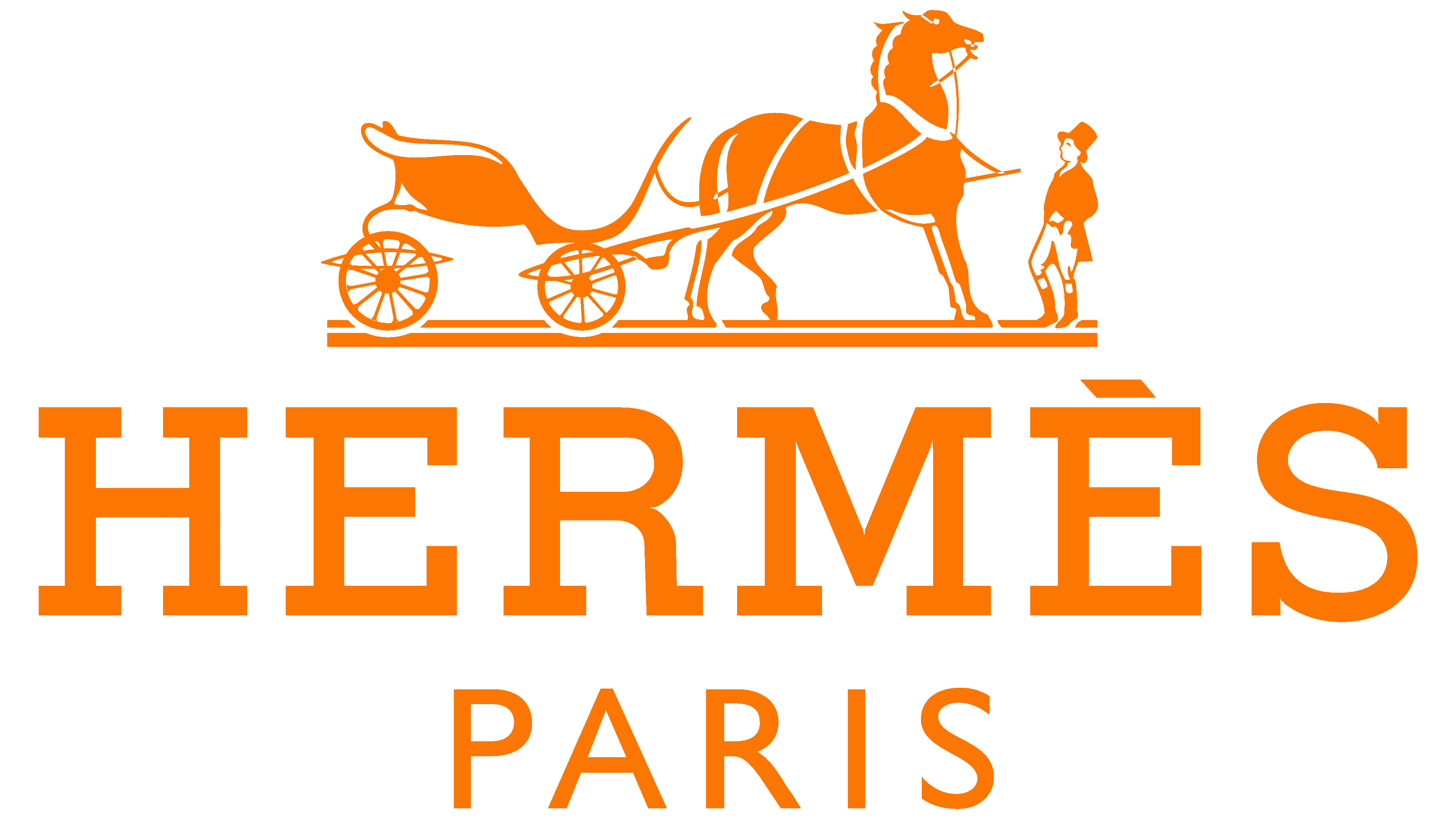
Hermès International S.A. is another example of how visualization works effectively and usefully for your brand. As a French luxury fashion house with a 185-year history, this brand remains a global leader in its field. This is facilitated, among other things, by the original, memorable visual representation of its logo, which pays tribute to the company’s honored past. By deliberately avoiding simplification, regular geometric shapes, and simple fonts, and by ensuring the scalability and adaptability of its visual identity, the brand has maintained its uniqueness and recognizability. The company’s logo seems to proclaim that it “knows everything about luxury, sophistication, and quality,” dismissing everything else as simple, primitive, and “unworthy” of the attention of such an elitist brand and its customers. The company’s emblem refers not to the products’ features but to its history, which began with producing elite, sought-after carriage accessories for the aristocracy and shaped the direction of all future products the company would manufacture.
Chanel

The world-renowned perfume company Chanel built its logo in a modern minimalist style. Throughout its history, the brand has consistently emphasized the simplicity and unobtrusiveness of its visual identity, even when intricate, highly detailed patterns were popular. The brand has looked to the future for a long time, so it hasn’t had to make radical changes to its identity, unlike most companies that have shifted toward a minimalist style lately. The company’s logo, an intertwining of the letters “C”, aligns fully with current design trends. At the same time, the brand is considered a pioneer in using this graphic combination: symmetrical interlacing of letters.
Bulgari
It seems the Italian luxury-goods manufacturer Bulgari S.p.A., founded in 1884, does not need special advertising. However, even such a well-developed business with a deep history and unique products needs updates to incorporate modern features and changes. In addition, every long-established brand needs to periodically reaffirm its market position by strengthening its presence. When forming its own identity, the company used a visual “bait”: the letters U and V, Greek consonants, in its name. In this way, the company’s founder (a Greek national) reflected his national identity while also creating a particularly attractive logo.
Louis Vuitton
One prime example of how a well-constructed, beautifully executed logo serves its brand is Louis Vuitton. Today, the world-famous French fashion house began producing travel bags and suitcases designed by the future founder, Louis Vuitton. He gave his enterprise a name. Today, the brand, founded in 1854, is the largest manufacturer of luxury goods, including accessories, clothing, perfumes, and suitcases. A distinctive execution style sets its logo apart: minimalist yet luxurious. The image’s graphics are somewhat intricate. Serifs and a complex pattern of intertwining letters give the logo an elegant, high-class feel. Despite this classic execution, it still looks modern. This is because it lacks unnecessary graphic elements, ensuring visual purity and making it easier to recognize and remember. All of this supports consistent recognizability.
Nike
The global sportswear manufacturer Nike is so popular that it named its emblem the Swoosh. This visual embodiment has become one of the most successful modern brand designs. It is characterized by dynamism, simplicity, clear communication, and a reflection of the brand’s core values. In line with modern requirements, the company removed its name, Nike, from the logo to align with a minimalist style. This variant became a vivid example of how graphics, initially rejected, became significant and especially popular in advertising within a few years.