


 Glass companies are super important because they make everything from the windows in our homes to special glass that keeps our buildings warm or cool. Their logos and brands help us know what they stand for, like being good at making glass, caring about the planet, or coming up with cool new glass things. Let’s discuss what makes a good glass company logo and why picking the right one is important.
What’s Special About Glass Company Logos?
- Clear and Simple: Good glass logos are easy to understand and look at, like looking through a clean window. They use simple designs that show how neat and smooth the glass is.
- Smart and Careful: Glass companies that make super-smart glass products use logos that make them look like they know a lot about technology and about making things perfect.
- Tough and Lasting: Although glass can break, many companies make it super strong. Their logos are bold and tough-looking, showing that their glass isn’t easy to break.
- Green and Friendly: Nowadays, many glass companies strive to be environmentally friendly. Their logos might have green colors or pictures of leaves to show they care about the Earth.
Why Picking a Good Logo Matters
- Shows Who They Are: A logo tells you a lot about a glass company, such as whether it makes specialty glass or is eco-friendly.
- Stands Out: Many companies make glass, so having a cool logo helps them stand out. When you see their logo, they want you to think of them first.
- Builds Trust: A professional-looking logo makes people feel they can trust the company.
- Makes Marketing Easier: A single logo simplifies how companies showcase their brand on flyers, websites, and large signs.
For glass companies, their logo is a big deal. It tells you what they promise to do for you and helps them stand out from other companies. They want their logo to say, “We make great glass, and you can trust us to do a good job.” It’s not just about looking good; it’s about showing the world what they’re all about.
Corning

Corning Incorporated was founded in 1851 as the Bay State Glass Company in Somerville, Massachusetts. In 1868, it moved to Corning, New York, because the area had abundant natural gas, which was good for making glass. It changed its name to Corning Glass Works and began producing important glass and ceramics that transformed many industries.
Corning has made many cool things over the years. They made special glass that could withstand high heat for Thomas Edison’s light bulbs, and in the 1950s, they developed Pyroceram, a new material used in industry for pots and pans. They also worked on specialized glasses and materials that helped in areas such as phone systems, environmental cleaning, and health care.
In 1989, the company changed its name to Corning Incorporated to show that they were doing more than just making glass. They were now a big technology company. Corning is still based in Corning, NY, and continues to develop new materials that help in many areas of life.
The Corning logo reflects its long history while focusing on new ideas. It reminds people of its commitment to developing new and better materials, from its start with glass to its current position as a technology leader.
Libbey

Libbey Inc. was founded in 1818 when William and his family established the New England Glass Company. They moved to Toledo, Ohio, in 1888 because it was cheaper to make glass there. This move helped them grow big and change their name to the Libbey Glass Company.
Edward Libbey, who led the company, made it a top name in tableware and other glass products. They joined with other companies to find new ways to make bottles and glass. This helped them grow even larger, becoming known as the Libbey-Owens-Ford Glass Company, a major name in the glass business.
In the 1900s, Libbey produced a wide range of glass items, from car glass to dishes. In 1993, they decided to focus more on making tableware and changed their name to Libbey Inc. They are still doing well, making glassware for restaurants worldwide in Toledo.
Libbey’s logo reflects its long history and promises to continue making great glassware. It’s a worldwide symbol representing Libbey’s quality and glassmaking tradition.
Fenton Glass
In 1905, the Fenton Art Glass Company started in Ohio. It first decorated others’ glass with fancy designs. Soon, they became known for their unique glass pieces, and in 1907, they moved to Williamstown, West Virginia, to make their glass. They were inspired by famous glass artists like Tiffany and Steuben and made Carnival Glass, which many people love.
Fenton became famous for making colorful glass by hand. In West Virginia, they welcomed people to see how they made glass, held big sales every year, and had a museum full of beautiful glass pieces. Even though they faced tough times, Fenton made glass for over 100 years until 2011. People still collect and cherish their glass.
Frank L. Fenton and his family had extensive experience in glassmaking when they began in 1905. They made useful and attractive items, quickly gaining fans nationwide. Over time, they produced many decorative items, and they are known for their colorful, hand-painted glass.
In 1983, they moved to a new place in Williamstown but continued to make glass the traditional way. Fenton still makes small amounts of glass that collectors love. They also make special custom pieces. The Fenton logo represents more than 100 years of crafting beautiful glass, symbolizing their commitment to quality and the art of glassmaking.
Imperial Glass

The Imperial Glass Company was started in 1901 in Bellaire, Ohio, by Edward Muhleman. It quickly became known for making high-quality glassware that people could afford. At first, the company made simple things like oil lamps and jugs with just one furnace. But by the 1920s, it had grown significantly, with over a dozen furnaces and 500 workers producing fancier items like candleholders and glasses.
During the 1950s and 1960s, the company was at its peak, especially famous for its Carnival glass, which came in unique colors like pink and marigold. These colors were special because of the company’s secret recipes. But in the 1970s, things started to change as people wanted different things, leading to fewer sales. In 1984, the company declared bankruptcy, and the Bellaire factory closed the next year, ending an 84-year history. At its best, over 2,000 people worked there.
After the company closed, the original factory was torn down in 1995 to make way for new development. Yet, the story of Imperial Glass is still remembered, especially at the Imperial Glass Museum in Bellaire, which opened in 2002. This museum celebrates the company’s work and impact on American glassmaking in the 20th century.
In 1958, Imperial Glass bought molds from the Heisey company after it closed. They used these molds mainly to finish old orders. Some products still had the Heisey name until 1968. Even though Imperial Glass ceased operations in 1984, its quality and designs live on, especially since the American Heisey Collectors acquired many of Imperial’s Heisey molds. The company’s logo remains important in American glassmaking history, showing its commitment to quality, innovation, and the craft.
Heisey Glass
August H. Heisey was born in Germany in 1842 and moved to America as a young man. He started working in the glass industry in 1861 and quickly became known for being good at selling glass. In 1895, he founded his own glassmaking company, A.H. Heisey & Company, in Newark, Ohio. His company was special because it made high-quality, hand-pressed glassware that looked beautiful. People loved Heisey’s designs, especially those featuring flowers and plants, and his glassware became very popular for setting a fancy table.
Heisey’s company did well for many years, even making new designs in the 1920s and 1930s to keep up with what people liked. Unfortunately, the company closed in 1957, but people still love and collect Heisey glass because it’s so well-made and beautiful. The Heisey logo, an “H” inside a diamond shape, is a sign that the glass is genuine Heisey and a reminder of the company’s commitment to making high-quality items.
Northwood Glass Company

Harry Northwood founded his own glass company in Ohio in 1887, but it didn’t do well at first. So, he moved to Pennsylvania in 1895 and took over a site that had been Indiana Glass. His business joined a bigger group in 1899. Harry had big dreams and moved again to West Virginia in 1902. He made a special kind of carnival glass, which became famous there. Even after he died in 1919, people remembered his glass until the company closed in 1925.
At the same time, two men, John W. Fenton and Martin A. Harker, were important to the company’s early days in Indiana. They used their experience to make pressed and blown glass, making cool shapes. The company got even better at making glass when Harry C. Duncan took over the designs in 1893. When a man named Absalom Graff bought the company in 1899, they started making special glass with cool colors and patterns.
In 1908, the company moved to New York City to be closer to its customers. However, changing tastes and financial problems led to the company’s closure in 1925. Even though the company isn’t around anymore, people still love Northwood Glass because of its beautiful patterns and colors. The detailed design of the Northwood logo and bright colors show the glass’s greatness.
Indiana Glass Company

In the early 1900s, Frank Merry started the Indiana Glass Company in Dunkirk, Indiana. This company made nice glassware, like dishes and other kitchen items. They made some fancy glass sets called “Candlelights” that many people liked. Even though times were tough during the Great Depression and World War II, the company kept going strong. They made pretty glassware that didn’t cost too much, perfect for families. They had some popular designs called Diamond Point, English Hobnail, and Mayfair.
In 1957, another company, Lancaster Colony Corporation, bought Indiana Glass. This helped Indiana Glass keep making glassware. But by the end of the 1900s, it was harder for them to compete with companies from other countries, and in 2002, they had to close their factory.
People still love collecting the glassware Indiana Glass makes. The company’s story is about trying new things, getting through hard times, and creating products people enjoy using at home. Indiana Glass’s logo reminds people of all the beautiful glass it made.
Jeanette Glass

The Jeannette Glass Company started in the late 1880s in Jeannette, Pennsylvania, making simple glass bottles and jars. In 1898, with new money and leaders, it began to grow. The company began producing basic containers and fancy glassware, including pressed and blown glassware. This change helped it sell to more people and businesses.
By the early 1900s, Jeannette Glass had become a big name in glassmaking, with over 1,000 workers. It made beautiful glass sets with designs called Three Star, Swirl, and Wild Rose, which people still love today. Even during tough times like the Great Depression, the company continued to do well and develop new ideas. It produced colorful, modern pieces in the middle of the century, such as Luna, Air Twist, and Crazy Quilt.
In 1958, Jeannette Glass joined Libbey Owens, adjusting to changes and competition from other countries. The company stopped making glass in 1983, but people still treasure its work for its beauty and craftsmanship, dating back to the early 1900s.
The Jeannette Glass logo evokes the company’s history. It’s especially known for its carnival glass, which shines and changes color like oil on water. This glass, once called “Tiffany for the poor,” made it possible for many to enjoy beautiful glass pieces in their homes.
Blenko Glass
In Milton, West Virginia, there’s a special place called Blenko Glass Company. It started in 1921, thanks to William J. Blenko from England. He moved to the United States in 1893 and decided to make glass in West Virginia because it had abundant natural gas, which is important for glassmaking. Blenko was smart to pick this spot because it helped them save money on making beautiful glass pieces.
Blenko made things pretty and useful, like jars and car lights. However, over time, they began making more art glass, a special glass that looks nice and can be used to decorate places. People like Winslow Anderson and Wayne Husted helped make Blenko famous worldwide for its colorful glass.
In the 1960s, Blenko began using machines to make some of its glass, marking a major change. This made it harder to keep its glass unique, especially as other countries began making similar items. But in the 1990s, Blenko focused on making handcrafted glass again, which helped them stand out and appeal to people who like fancy things.
Now, Blenko is still run by the same family and is known all over for its beautiful stained and blown glass. The Blenko logo means their glass is top-notch, and their story of making glass through tough and good times is inspiring.
Kokomo Glass
Kokomo Opalescent Glass, known as KOG, started in Indiana in 1888. Skilled glass artists made it. At first, they made simple things like jars and windows. Then they started making colorful, shiny glass that caught the eye, which was a big change. They even worked with famous people like Lewis Tiffany.
For more than 100 years, KOG has been known for making beautiful stained glass. Their glass has bright colors and special looks. The people who work there are highly skilled and have been doing it for a long time. Some families have worked there for many years. They make special glass important for buildings, especially those with pretty windows.
KOG is also known for its special logo. This logo indicates that their glass is very good and shows how long they’ve been around. It’s a way of showing they care about making things beautiful and keeping traditions alive. This logo helps people remember KOG’s long history and its continued commitment to making great glass art.
Root Glass Company
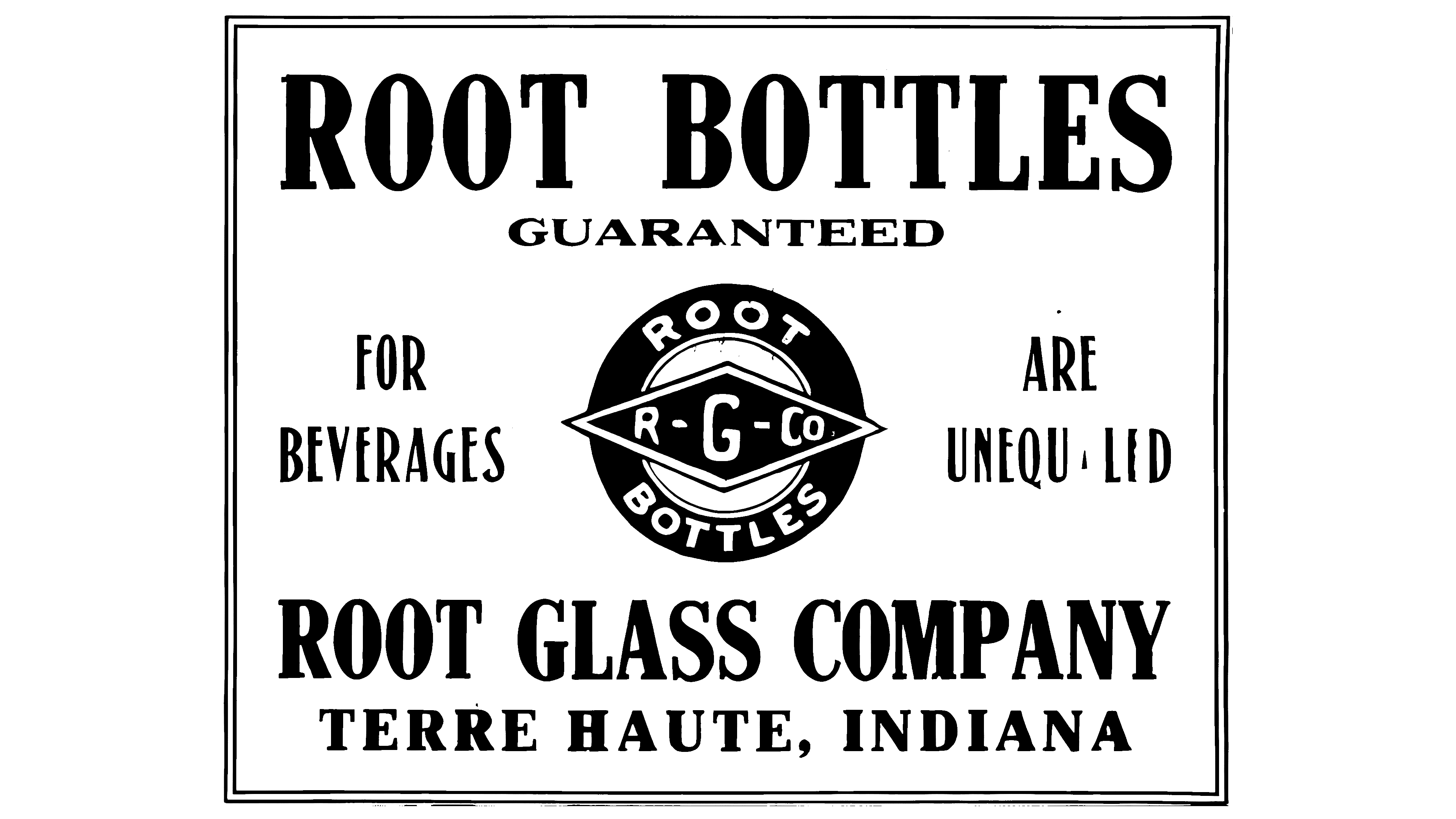
In 1901, Chapman J. Root founded a company in Terre Haute, Indiana, that produced glassware, including amber containers, tableware, and novelty items. This was the beginning of the Root Glass Company. Over time, they became skilled at making heat-resistant glass kitchenware. They moved to a bigger place by the Wabash River in 1927 and started making colorful glassware that people loved in the 1930s and 1940s.
Even though the company was popular nationwide, it had to close in 1956 due to foreign competition. People still love Root Glass products for their tough designs and cool retro looks.
The company’s big accomplishment was creating the special Coca-Cola bottle in 1913. This bottle’s unique shape made Coca-Cola stand out. It became so famous that it was trademarked in 1977. This bottle shows the importance of the Root Glass Company in American history and design.
The Root Glass Company’s logo is simple but focuses on quality. It reminds us of its important work in making glass and designing packages that are still famous today.