


 WNBA Logo PNG
The WNBA logo conveys expression and movement, suggesting an active sport. The female energy emanating from the emblem adds grace, reshaping the male competition and creating a standalone, fun game.
The WNBA emerged from a long hiatus in American women’s professional basketball. The WBL operated from 1978 to 1981 but collapsed after three seasons, and many top US players had to continue their careers in Europe or Asia. The timing changed in summer 1996, when the US women’s national team won Olympic gold in Atlanta and proved the sport had a large audience.
On April 24, 1996, the NBA Board of Governors, led by David Stern, approved the formation of the Women’s National Basketball Association. The launch campaign, “We Got Next,” introduced the league through players such as Rebecca Lobo, Lisa Leslie, and Sheryl Swoopes. NBA funding gave the new league a structure its earlier rivals had lacked.
The first WNBA season opened on June 21, 1997, with eight teams, including the Houston Comets, New York Liberty, Los Angeles Sparks, and Phoenix Mercury. The Comets, led by Cynthia Cooper, won the first title and then three more straight. The league also competed with the ABL, which paid higher salaries but lacked NBA backing. After the ABL went bankrupt in December 1998, the WNBA absorbed top players and expanded to 12 teams in 1999.
Through the 2000s and 2010s, stars such as Diana Taurasi, Tamika Catchings, and Sue Bird shaped the league’s profile. In 2020, a new labor deal raised salaries and added maternity benefits. The 2024 draft brought Caitlin Clark to the Indiana Fever and Angel Reese to the Chicago Sky, lifting attendance by 48% and merchandise sales by 601%. In 2025, the WNBA signed a TV deal worth over $2 billion.
Meaning and History
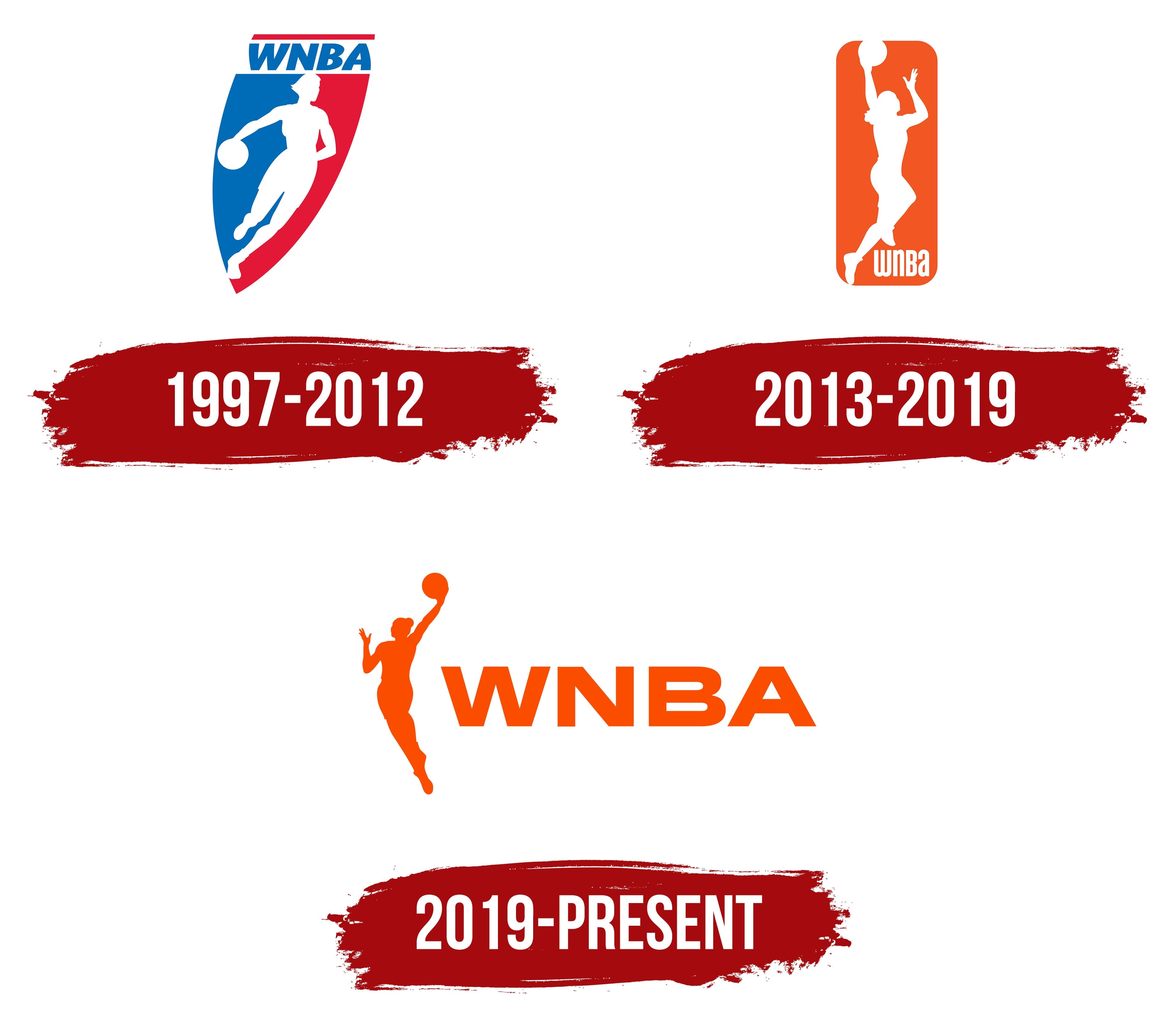
The WNBA’s history is a journey of tough competition. The league was officially announced in April 1996 and approved by the National Basketball Association’s Board of Governors. At the same time, another women’s professional organization emerged: the American Basketball League. It began operations that fall but ceased in the 1998-1999 season. Unlike the WNBA, it lacked full NBA support.
Three of the country’s leading basketball players attended the meeting that discussed forming a new league: Lisa Leslie, Rebecca Lobo, and Sheryl Swoopes. Their presence meant that they were automatically assigned to one of the teams. When the association debuted, it had eight teams: the Cleveland Rockers, the Charlotte Sting, the New York Liberty, and the Houston Comets in the Eastern Conference, and the Utah Starzz, the Sacramento Monarchs, the Phoenix Mercury, and the Los Angeles Sparks in the Western Conference. They laid the foundation for great, world-class women’s basketball.
As soon as the WNBA emerged, it had its symbolism. In the early years, it echoed the NBA men’s identity and was chosen from 50 options. Then the logo received individual features. In total, the women’s basketball league has three emblems in its arsenal.
1997 – 2012
The debut logo has an unusual shape. It looks like a diagonally slanted shield. Moreover, both are symbolic: the shield denotes the continuation of traditions and a connection to roots, and the slope conveys movement and dynamism. Unlike the male version of the logo, this sign contains a female silhouette. The basketball player is depicted as feminine, with smooth transitions between levels and rounded lines. The athlete runs and dribbles. Her hair flutters at high speed. The text designation is also slightly slanted. The organization’s abbreviation is in capital letters. The color scheme shares something in common with the United States’ state flag: it also includes blue, red, and white.
2013 – 2019
After the redesign, the WNBA personal badge began to differ from the NBA’s. As before, it shows an athlete in motion. But she no longer dribbles the ball; she throws it into the basket. This made the logo simple, clear, and concise. The changes also affected the color scheme. In this version, it uses brick orange instead of blue and red, like basketballs. White was retained, and it still features the silhouette of a female player. The designers moved the league name from the top to the bottom, placing it in the right corner. The inscription is made in lowercase letters with streamlined lines. Sharp corners are absent in it.
2019 – today

The current emblem features a reversed silhouette. Now, the space around the white figure is not painted; the orange basketball player is drawn on a completely white background. At the same time, the developers slightly rotated the athlete so they face straight ahead rather than sideways. The woman is depicted jumping, with an outstretched arm holding a ball. The artists have rearranged the silhouette to make it more solid. They also changed the letter design, which made the letters clearer, larger, and more uniform.
Font and Colors

Basketball player Sue Bird is believed to be the prototype for the WNBA logo figure. The Women’s Sports Association’s first mark echoed the men’s league’s emblem, emphasizing their relationship.
Different logos use different typefaces. These include Cyclone, a built-in, compact, chopped font designed by Hoefler & Co., and Standard CT Bold Extended.

The brand palette is also unstable. At first, it consisted of red, blue, and white. Now the predominant color is orange, the color of a basketball.