


 Desjardins Logo PNG
Desjardins began on December 6, 1900, in Lévis, Quebec, when Alphonse Desjardins founded North America’s first caisse populaire. He had studied European cooperative models for two years. He adapted them to Quebec, where workers and farmers often relied on high-interest lenders. At the same time, banks such as the Bank of Montreal mainly served business elites. On its first day, the caisse collected $26.40, and its early operations ran from the Desjardins family home.
For six years, the caisse operated without formal legal status. In 1906, Quebec’s Legislative Assembly passed a law establishing a legal basis for cooperative credit unions. The model then spread across Quebec. Before Desjardins died in 1920, he had helped found 163 caisses in Quebec, 18 in Ontario, and at least nine in the United States, with more than 30,000 members across the network.
After 1920, the movement built a shared structure. In 1921, the first regional federation was created in the Lévis and Quebec City area, followed by unions in Montreal, Gaspésie, and Trois-Rivières. In 1932, four regional unions formed the Fédération de Québec des Unions Régionales des Caisses Populaires Desjardins. In 1944, Desjardins entered insurance through Société d’assurance des caisses populaires, and Desjardins Life Insurance followed in 1948.
Expansion continued through mergers and acquisitions. In 1979, Desjardins absorbed Credit Union Federation, and in the early 1980s, it took in Quebec Credit Union League. Francophone federations in Ontario, Manitoba, and Acadia joined in 1989–1990, lifting assets above C$40 billion by 1990. In 1994, it acquired most of the Laurentian Group’s operations. In the late 1990s, 11 regional federations merged into one. In 2014, Desjardins bought State Farm’s Canadian operations, later moving all policies to Desjardins Insurance by 2018.
Meaning and History
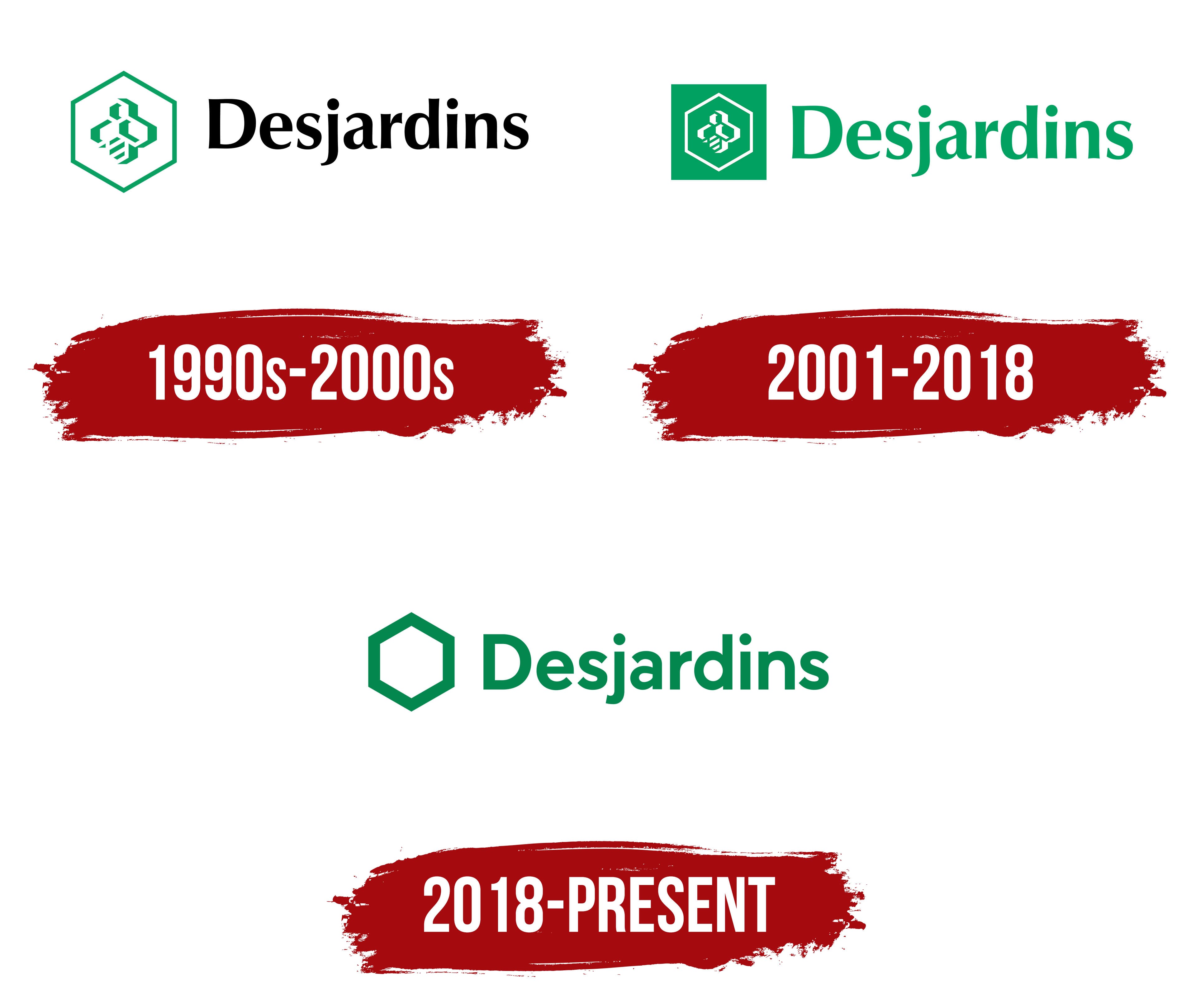
What is Desjardins?
This is North America’s largest cooperative financial institution, integrated into Quebec’s social and economic life. It combines traditional banking services with cooperative principles, offering its members products such as bank accounts, investments, asset management, and insurance. Through its network of caisses (credit unions) in Quebec and parts of Ontario, the company works closely with local communities. The organization is known for its commitment to financial literacy and sustainable development, directing a significant portion of its profits to community and economic projects.
1990s – 2000s

2001 – 2018

2018 – today
