


The opinion that historically formed fame requires no change is fundamentally wrong. For example, the history of the visual identity of the “delicious” brand M&M’s shows how children and adults worldwide know and love it today. However, this is not enough for the brand to grow and develop beyond its current boundaries. Having started its ascent to the Olympus of success in 1941, these sweets have become the most famous and affordable worldwide. Created as an army ration, M&M’s were a revolutionary solution to chocolate melting in a soldier’s diet. The protective, attractive, and tasty shell effectively solved the problem and made the dragee even more popular.
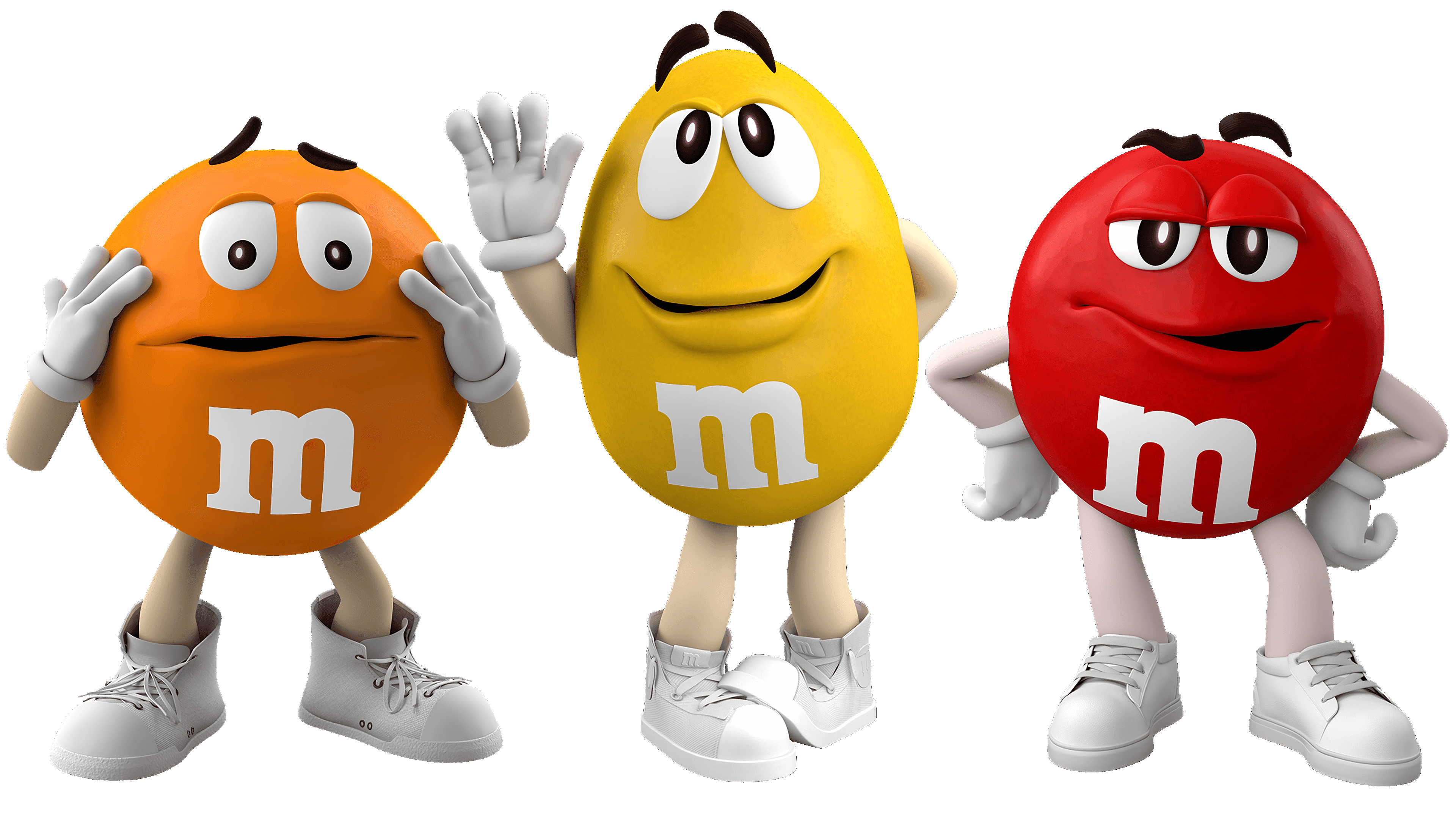
In the future, this decision helped expand the candy’s popularity far beyond its defense value. Produced by Mars, Incorporated, the sweets got their name from the brand’s founders: Forrest E. Mars Sr. and Bruce Murrie. The jelly beans themselves had the letter M printed on them so that you could distinguish the original. The success was absolute. But over time, the development process stopped at a certain point. To change this, the company developed a new brand visualization based on its updated global strategy, which adopted a completely different visual language from Jones Knowles Ritchie.
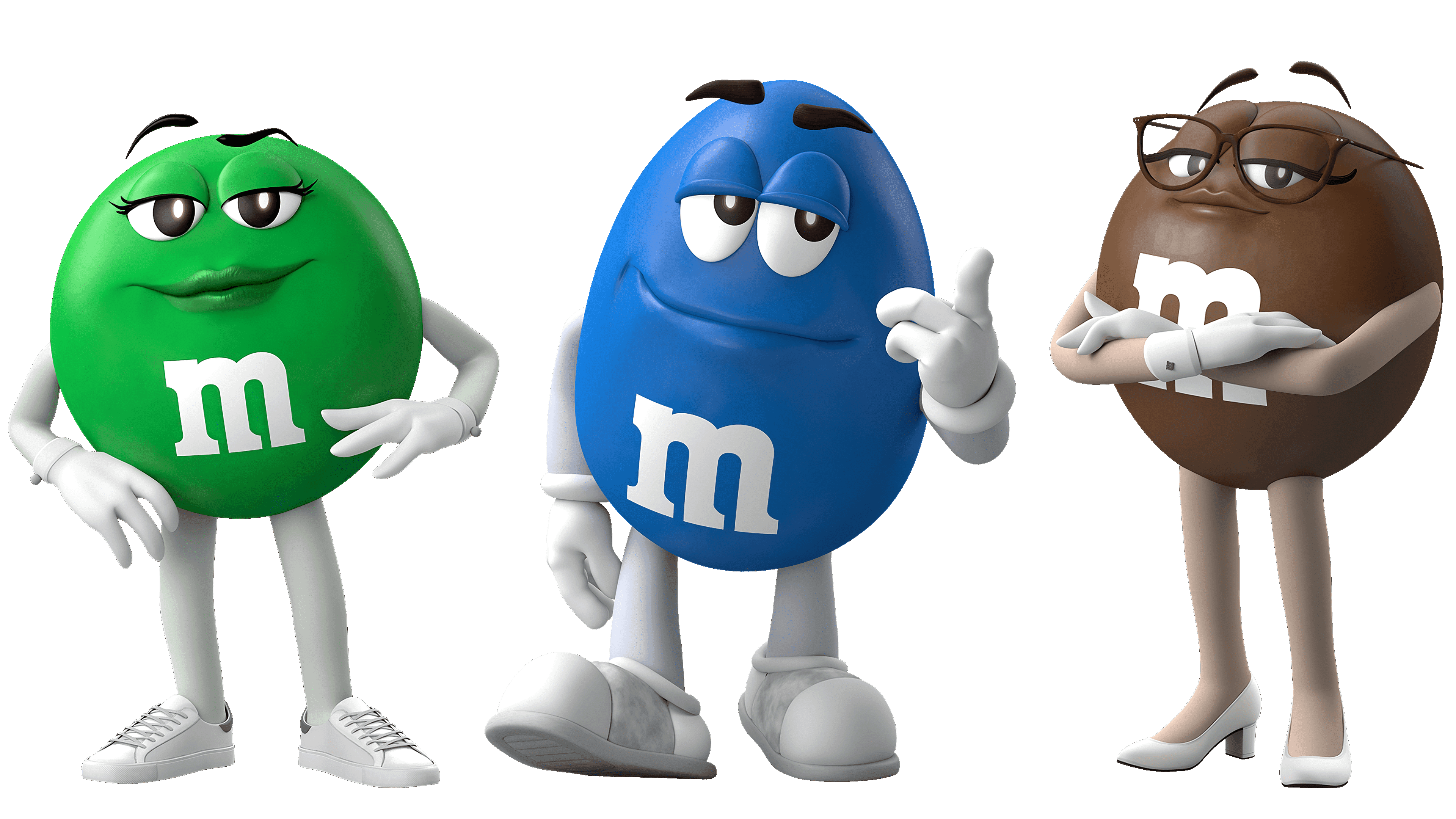
The solution’s complexity lay in the product’s global fame and rich history. Ritchie made the right decision: create a new global world where everyone feels a sense of belonging, and the community is inclusive. Everything was built on eighty years of experience bringing people together through its unique, healthy sweetness, colorfulness, unsurpassed taste, and “edible” size. The goal is to create a fun, accessible environment for everyone that increases a sense of shared ownership in improving the brand; the whole company is directed to further its development.
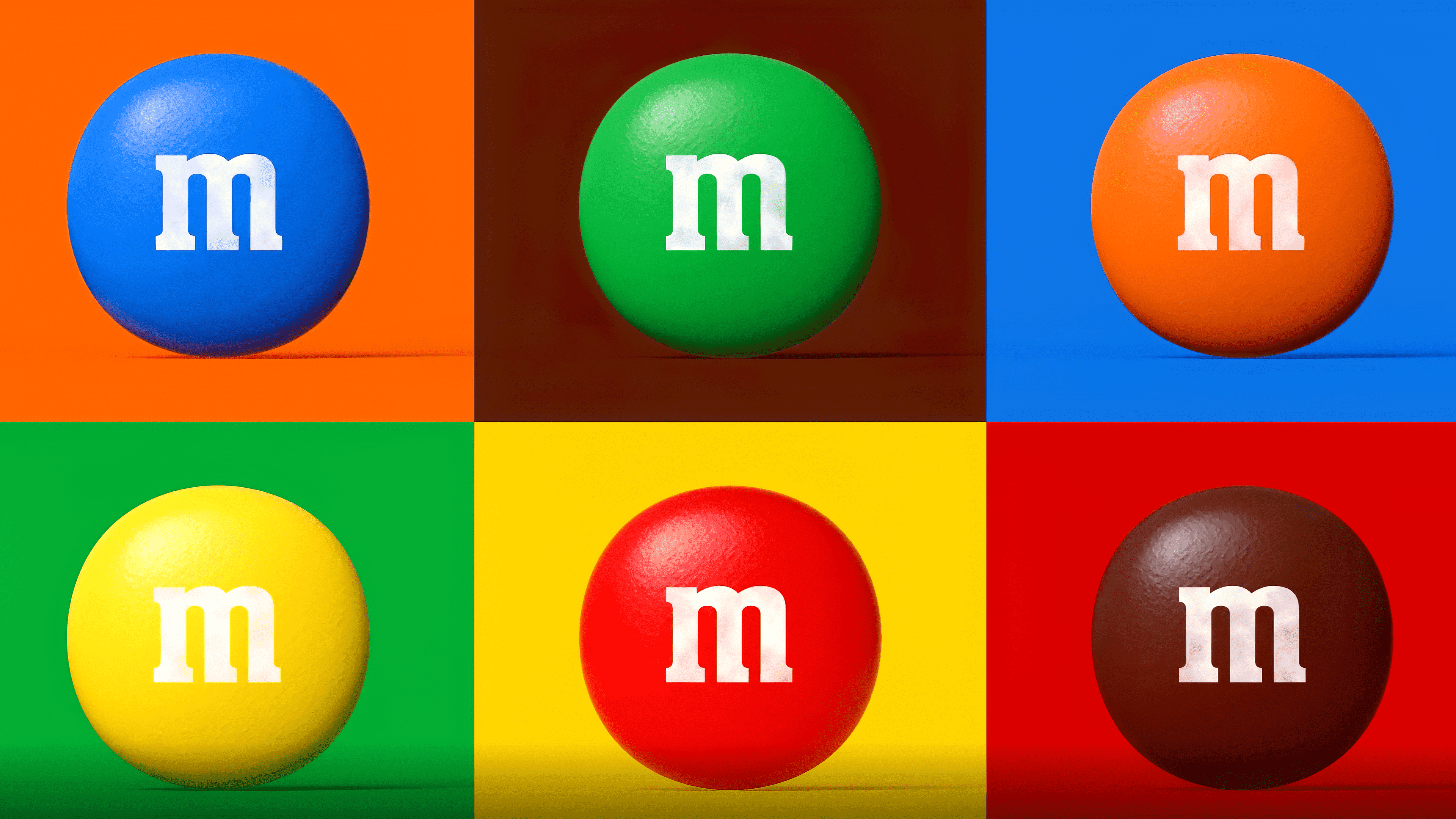
Appearance has evolved in all directions. It became fresh and modern, reflected in the formation of favorite characters. Attention has increased to saturation, color reproduction of the iconic palette, and the definition of the dragee shape, as well as demographics, junctions, lines, and knots, providing insight into the essence of fun in M&M’s. The ampersand plays a special role in the logo, and it is not ignored. Its high-quality highlighting enhances the M combination, symbolizing the unification the company strives for, and it reflects this in its characteristic corporate jester style, humor, and wit.