 OTP Bank Logo PNG
OTP Bank was founded on 1 March 1949 in Hungary as Országos Takarékpénztár Nemzeti Vállalat, the National Savings Bank. Formally, it was built from the First Budapest Savings Bank, founded in 1840, and the Hazai Bank. Still, in practice, it was a new state institution inside Hungary’s socialist one-bank system. For decades, OTP was the country’s only retail bank.
Its role was to collect household savings, issue consumer loans, and handle finances for local councils and municipalities. In the 1970s, OTP added city-council account management, and by the late 1980s, it had begun corporate financing. After the 1989 political change, OTP received full commercial-bank status. In 1990, it became a joint-stock company with a capital of 23 billion forints and took the name OTP Bank Rt.
In 1992, Sándor Csányi became chairman and CEO, shaping the bank’s next era. Privatization began in 1995 through public offerings on the Budapest Stock Exchange. In the same year, OTP acquired Merkantil Bank, strengthening its car finance operations. By 1999, the state kept only a golden share to block hostile takeovers by foreign banks, and in 2007, it fully exited the capital.
After privatization, OTP moved into regional expansion. In 2002, it bought Slovakia’s IRB Bank. In 2003, it acquired Bulgaria’s DSK Bank for €311 million. RoBank in Romania followed in 2004, and Croatia’s Nova Banka was established the same year and closed in 2005. In 2006, OTP entered Ukraine, Russia, Serbia, and Montenegro, including Niška Bank in Serbia. The 2008 crisis exposed losses in Ukraine and Serbia. Still, the group later expanded further in Croatia, Moldova, Uzbekistan, and Slovenia, competing with Erste Bank and Raiffeisen Bank International.
Meaning and History
What is OTP Bank?
This is the largest commercial bank in Hungary and is widely spread throughout Central and Eastern Europe. It offers various financial services, such as banking and insurance, as well as retail and corporate banking. The bank has expanded its operations to several countries, including Bulgaria, Romania, Serbia, and Ukraine. It is well-known for its extensive network of branches and ATMs, as well as its reliable digital banking capabilities. Serving millions of customers, from small businesses to individuals, the company plays a significant role in the financial stability and economic progress of its markets.
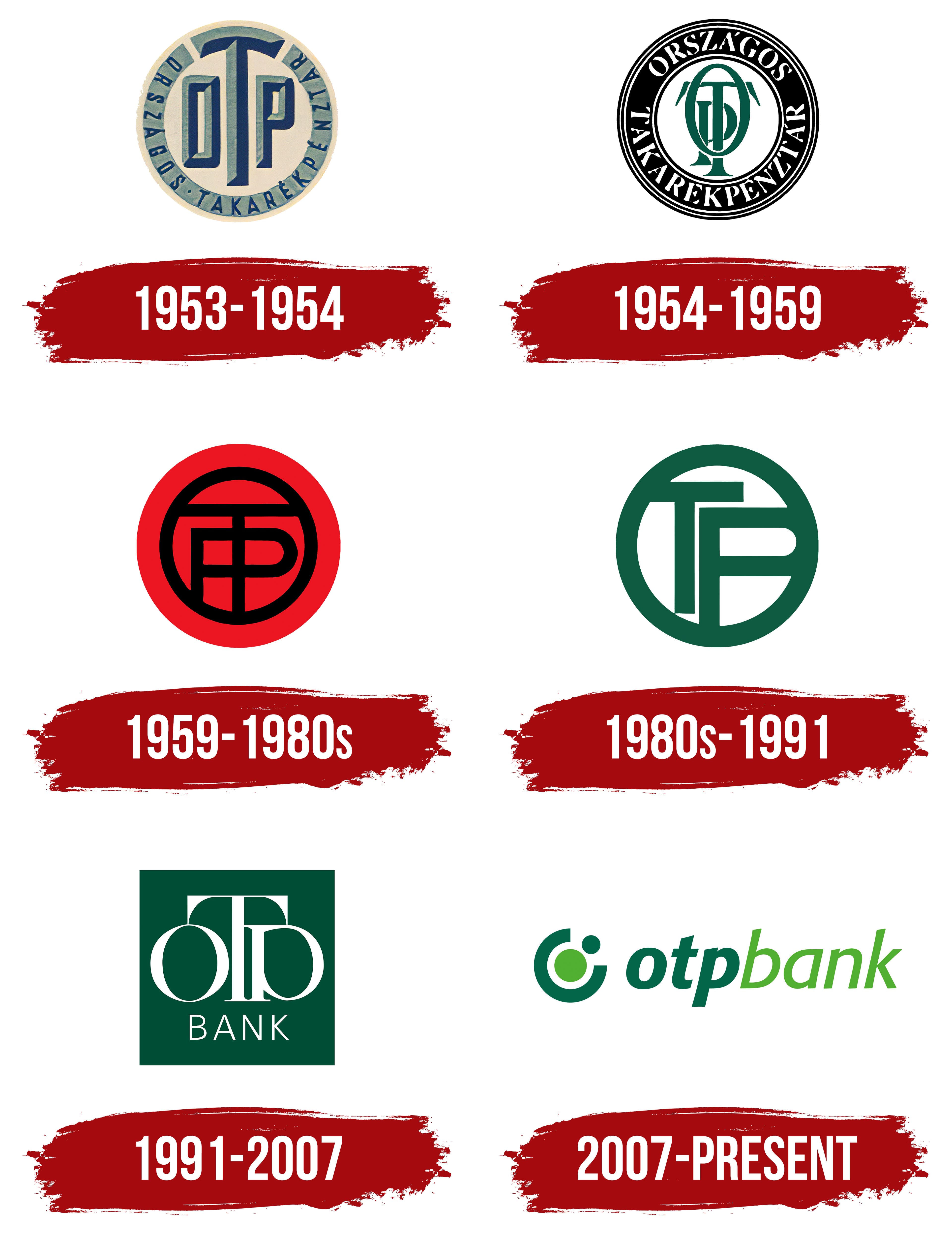
1953 – 1954

1954 – 1959

1959 – 1980s

1980s – 1991

1991 – 2007
2007 – today