


 Periscope Logo PNG
The Periscope logo is not just a unique design but a real metaphor. It is an “eye” icon that looks into the device. This captures the essence of the application and reflects the brand’s visual identity.
Periscope began in 2013, when American developer Kayvon Beykpour was in Istanbul during the Taksim Square protests. He followed the events on Twitter, but text updates did not reflect what was happening in real time. That experience led him to the idea of a mobile tool for real-time video broadcasting.
Beykpour turned to Joe Bernstein, a childhood friend and business partner. They had previously founded Terriblyclever, which Blackboard acquired in 2009. In February 2014, they registered a new company under the working name Bounty, later renamed Periscope, referring to a device that lets people see where they cannot physically be.
In April 2014, the startup raised $1.5 million from Founder Collective, Maveron, Google Ventures, Menlo Ventures, Bessemer Venture Partners, and angel investors, including Adobe executive Scott Belsky. The team opened an office in San Francisco and built iOS and Android apps focused on low-latency video, live comments, and “hearts.” Competition intensified after Meerkat gained attention at SXSW in early 2015, and Twitter bought Periscope before its public launch for an estimated $75-$100 million.
Periscope launched publicly on March 26, 2015. Within four months, it passed 10 million registered accounts, with journalists, activists, sports groups, and the NFL using the service. In June 2018, Beykpour became Twitter’s head of consumer products, and Periscope’s updates slowed. Facebook Live changed the market, while Twitter absorbed Periscope’s features into its main app. The service closed on March 31, 2021. Beykpour left Twitter in 2022 and later founded Macroscope with Bernstein.
Meaning and History
Periscope has a long history and a rather interesting development process. The developers planned it in 2013, but the app launched shortly after.
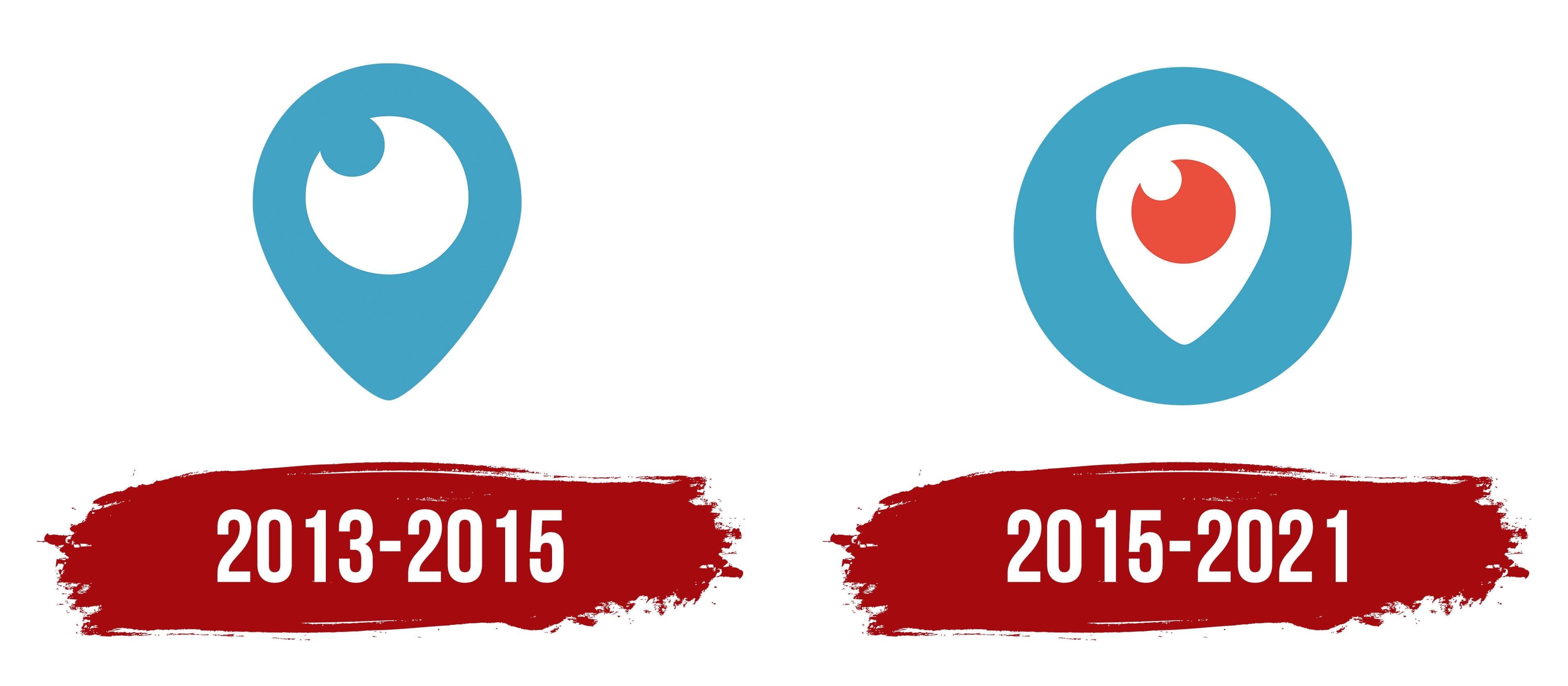
2013 – 2015

This period marked a turning point for Kaivon Beikpur. In 2013, he traveled abroad. Once in Istanbul, he saw unprecedented protests erupt in the country. Dozens of people went to Taksim Square and tried to defend their views with loud appeals. The future developer wanted to see what was happening there but couldn’t find any video broadcast.
This situation sparked the idea for a streaming video application. They brought the idea to life in 2014. In February, Bakpour and his like-minded colleague, Joe Bernstein, founded a company called Bounty and began work on the utility.
In the process, the inventors decided on the design and name of the future program. They avoided anything complex or confusing. The application received a stylish, easy-to-understand logo: an inverted drop. Inside it was an icon shaped like a human eye. This design is explained very simply.
The application was created specifically to watch live video broadcasts. This was the decisive factor in choosing the design. The drop evoked associations with the device’s window (screen), and its interior resembled the human eye. Complementing the overall picture is the corresponding name Periscope. Even an uninformed user could immediately understand what the application was intended for.
2015 – 2021

In March 2015, the team completed the utility, after which it launched on the network. In May, a functional version for Android devices also appeared.
Periscope quickly gained a leading position and soon attracted increased attention from Twitter’s owners. In January 2015, they acquired the development, and in 2016, they integrated some of its functions into the social network application.
The changes also affected visual identification. The Periscope emblem was presented in several variations:
- an inverted drop in two colors (the blue “pupil” had the same color as the background, and the drop itself was made in white);
- inverted drop, made in 3 colors (the background was blue, the drop was white, and the inside was orange);
- an inverted drop with an inscription (the three-color version of the icon was located on a blue background, followed by an inscription in the form of a name);
- an inverted drop with a “pupil” of red color (the background and main colors remained the same);
A black-and-white version of the design is also available online, but this emblem is rarely seen. The main logo is a drop-shaped icon with an element resembling a pupil. The color scheme includes three shades: red, white, and blue. This design is stylish and modern, and its concision suggests simplicity and ease of use.
Font and Colors

Earlier Periscope emblems included an orange tint in addition to the basic colors (white and blue). This coloring was associated with comfort, transparency, and reliability. Over time, the orange was replaced with a rich red. The overall concept only benefited from this, as the emblem sparkled with new colors and became more recognizable.
Sometimes an extended version is used to identify the application: a drop icon combined with the company’s name on a blue background. For the inscription, a simple, readable font was chosen so any user can read it. It isn’t remarkable, but its soft, rounded letters fit the overall design perfectly.

The combination of a rounded inscription, a blue background, and red and white elements evokes only pleasant emotions. The Periscope app offers the same feeling, letting you watch interesting and important events without leaving home.