


In 1887, a concrete factory was founded in Sweden and, over 135 years, grew into Skanska Group, the world’s largest real estate development and construction company. Today, by applying knowledge productively and using foresight effectively, the brand has expanded its reach into the building markets of the Nordics, Europe, and the United States. The company is known for creating innovative, sustainable solutions that support a healthy lifestyle throughout the life of the facilities it builds. With the dual goal of innovating and creating something useful for people and society, the brand develops, designs, and builds everything safely, from office buildings to smart homes and infrastructure. To better reflect its modern essence and its desire to innovate while respecting its founding values, the brand developed a new positioning and updated its visual identity.
With the new visual identity, Skanska’s core values were reflected, while demonstrating an understanding that every decision has a lasting impact. The whole design concept was built on constructability, shapes, precision, innovative solutions, and clear architectural markers. The brand’s traditional story was presented in a modern way, with enhanced visual appeal and a clearer sense of how it contributes to lifestyle.
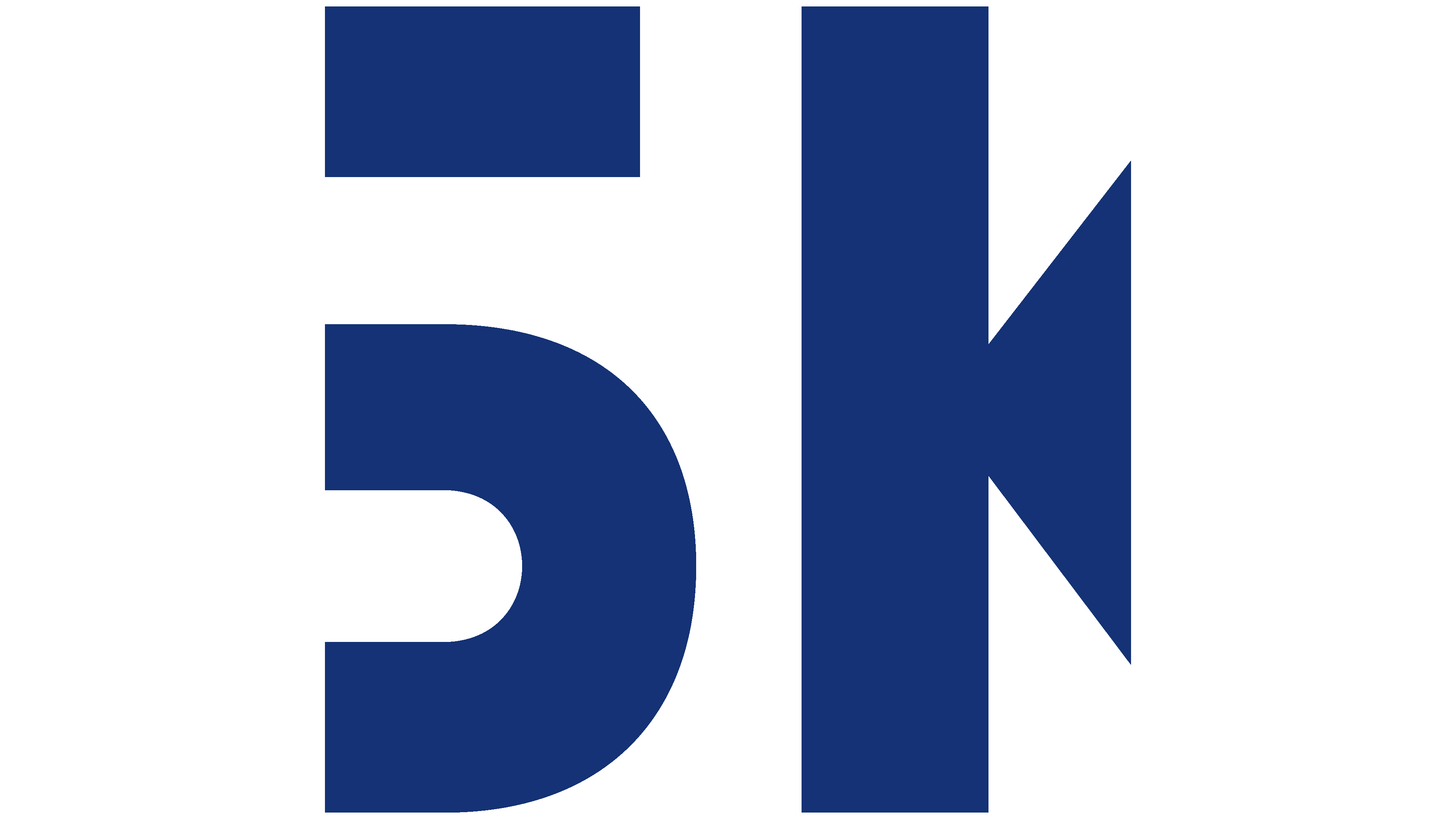
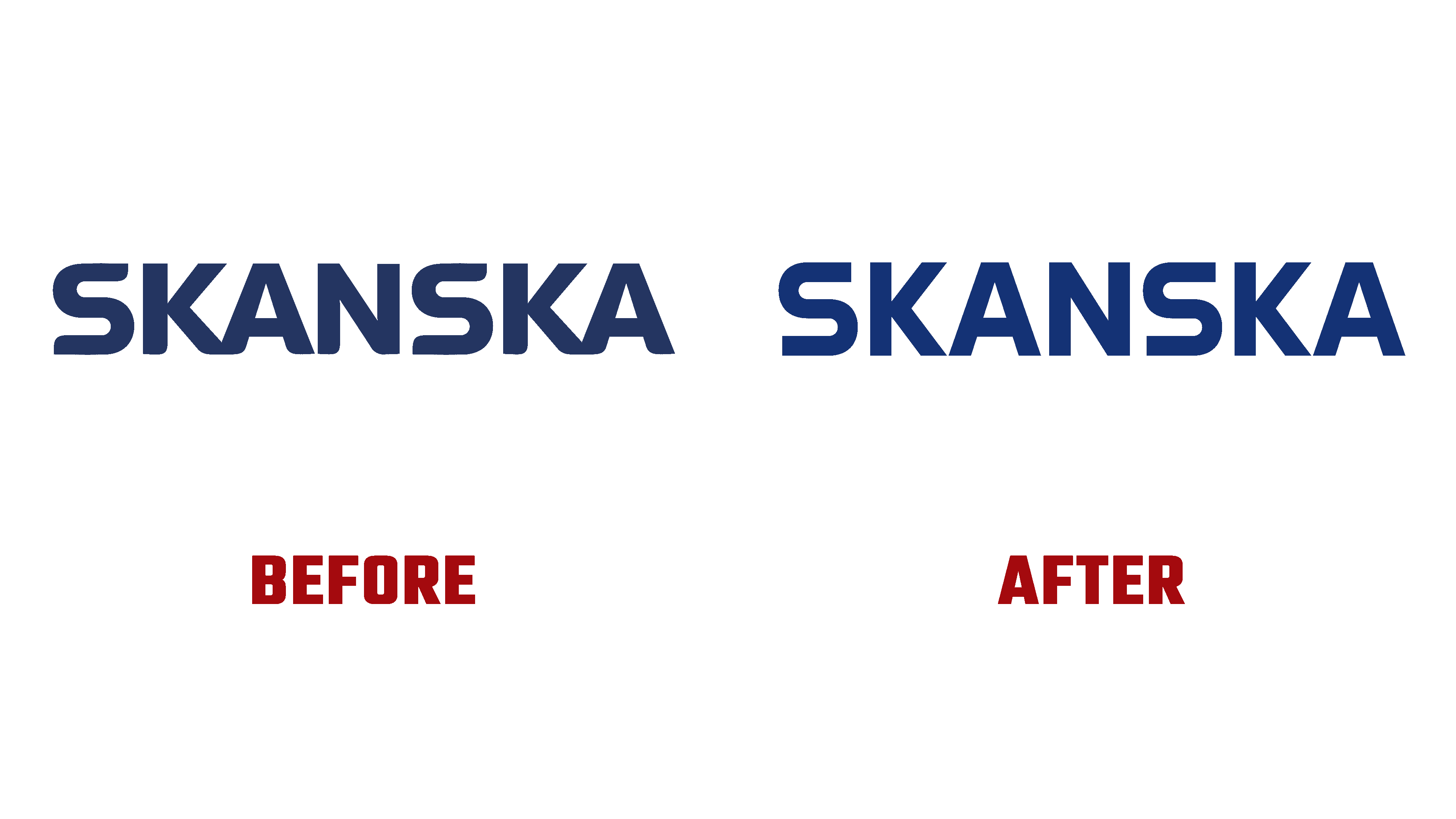
The new logo used a more refined, mathematical, and geometric approach to form the graphic elements and wordmark. Although this option didn’t work well for a letter like “S,” the high precision and balance of the other characters ensured the entire text block felt smooth, cohesive, and strong. The effect of improving the visual perception of the text has been enhanced by the use of complex kerning and indentation, which has done the best job for the sake of comfortable viewing of the image.
The logo’s purity and clarity create ideal conditions for large-format use; in layouts, it becomes abstract forms that evoke powerful, solid engineering and large-scale built environments. With bright illustrations and photographs, simple typography, characterized by a non-standard identity in its simplicity and conciseness, proved effective and encouraging. The brand’s identity is shaped by a family of custom fonts that reflect the company’s attitude toward each project’s individuality. This has become a solid foundation for building a system that creates trust and reliability.