


 Unus Annus Logo PNG
The Unus Annus logo takes the user to an ancient, magical world. The emblem indicates the transfer of unique information from channel owners to users. The signs hint at a time limit. The entire body of knowledge is placed within a certain time frame.
Unus Annus began on November 13, 2019, when Mark Fischbach, known as Markiplier, and Ethan Nestor-Darling, known as CrankGameplays, launched a YouTube channel built to disappear. The Latin name meant “one year.” Mark used white branding, Ethan used black, and both announced that the project would end exactly one year later.
The concept was strict: one video every day for 365 days, then total deletion. No official archive, no backup channel, no relaunch. The motto was Memento Mori. Mark played Annus in white, Ethan played Unus in black, and each episode carried a countdown. The idea came from Mark’s view that not all online work needs to last forever, and that some experiences gain value because they end.
The content moved far from standard gaming YouTube. Instead of walkthroughs, the channel leaned into absurd experiments, physical challenges, strange cooking, discomfort, and surreal comedy. Early videos included “Cooking with Sex Toys,” slapping a chicken, simulated labor pains, and spending a night near a real bear. The channel ignored normal algorithm logic because deletion was part of the format.
The pace never broke. Mark and Ethan filmed 132 videos together, then produced 86 remotely when in-person filming stopped. In its final week, the channel reached 31 million weekly views and had about 4.35 million subscribers. On November 13, 2020, a 12-hour farewell stream ended with Mark deleting the channel live, while related social accounts went private. In December 2021, Unus Annus won a Streamy Award for Best Collaboration.
Meaning and History
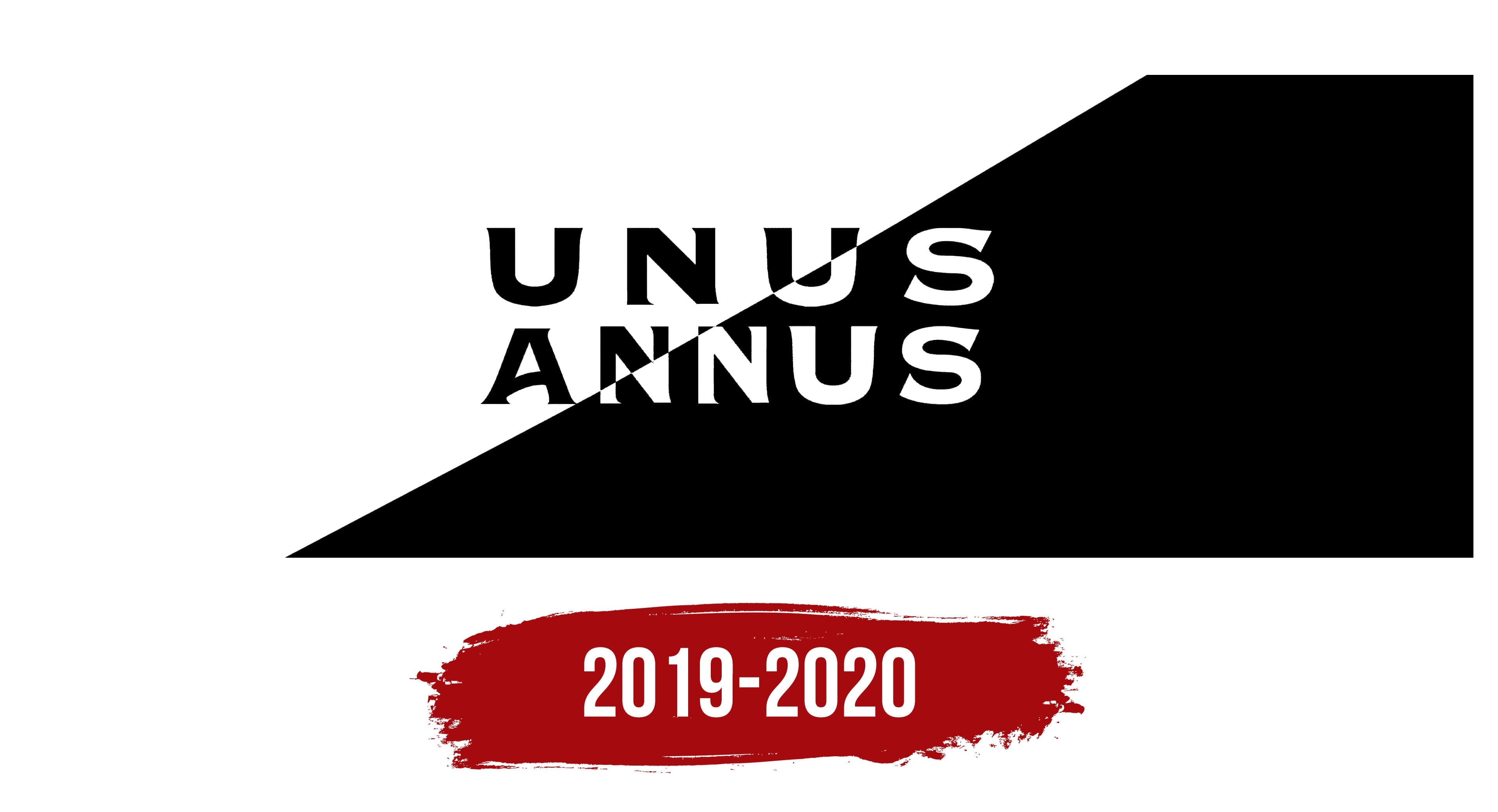
The project originated as a concept about burnout. The two founders had previously worked in gaming videos, felt oversaturated, and were professionally exhausted. They wanted something more creative that would shake them up and the users, reminding them that every endeavor has an end. So they formed a creative alliance called Unus Annus, with Ethan as Unus and Mark as Annus.
The day before the channel’s launch, they changed the photos on their social media profiles to match: one in black, the other in white. The two of them showed an explanatory video titled “This Will End in One Year.” In identical monotone voices, they announced that their collaboration would soon be released on YouTube. To do so, each host wore a suit matching their color.
The project was an experiment: an attempt to combine the Internet with profound philosophical categories and show that nothing is eternal and that we must remember death at every moment. The video clips used emotions, personal experiences, and daily self-expression as core content. Through them, the hosts wanted to show that digital space is as fragile and impermanent as real life, that what is lost is never returned, and that by pushing a button, users control the destinies of real people. Hence, the channel’s unusual name: Unus Annus translates from Latin as “one year.” The video began with a slow build-up of distorted voices saying the project’s name.
In fact, it became a full-fledged program with conceptual content, despite interruptions due to the coronavirus pandemic. Ethan and Mark used two opposing color palettes to emphasize a philosophical atmosphere and to show how important fleeting, unique moments are to humans. They embodied them in everything – the images, the clothing, the logo, and the background image.
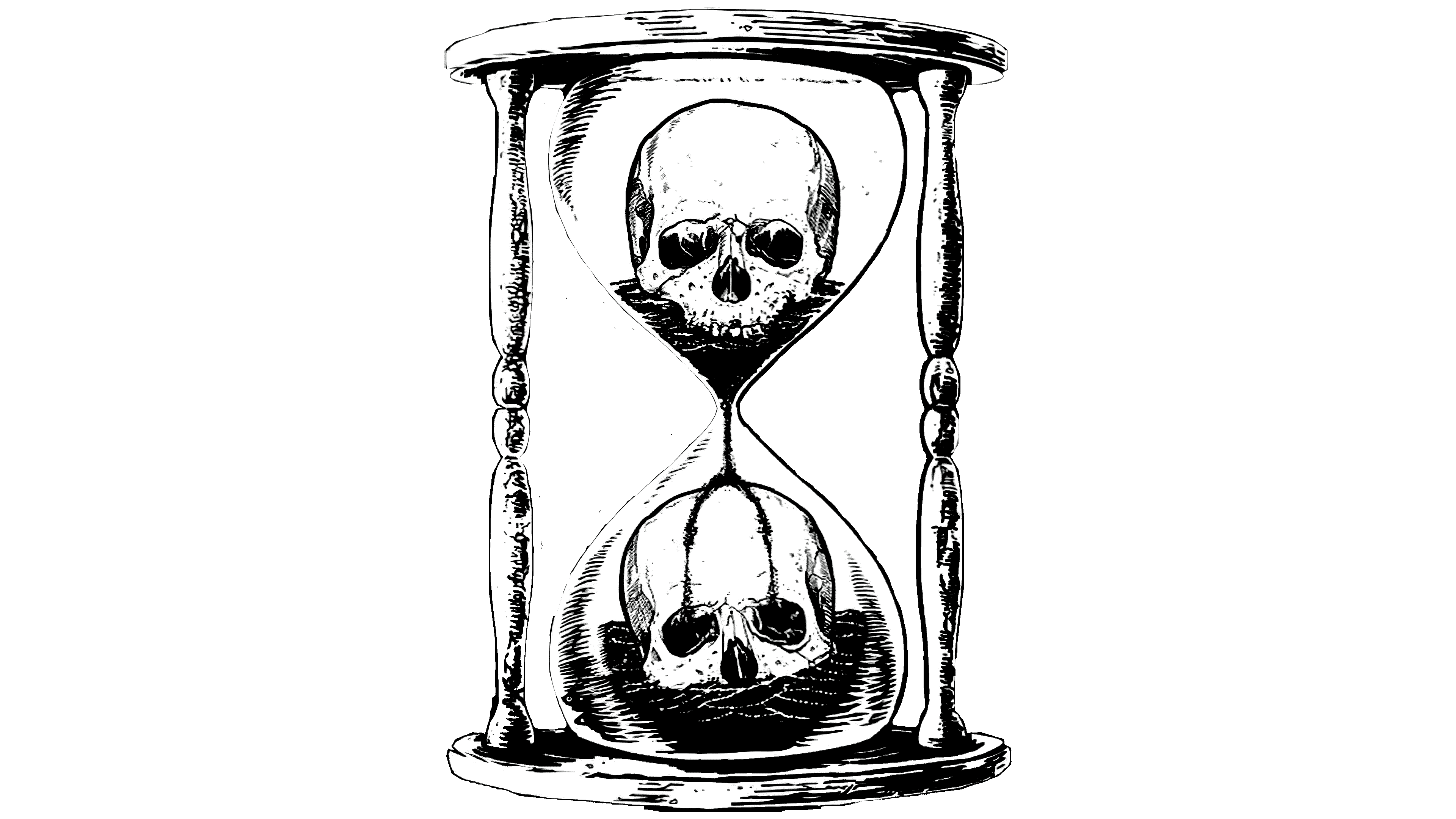
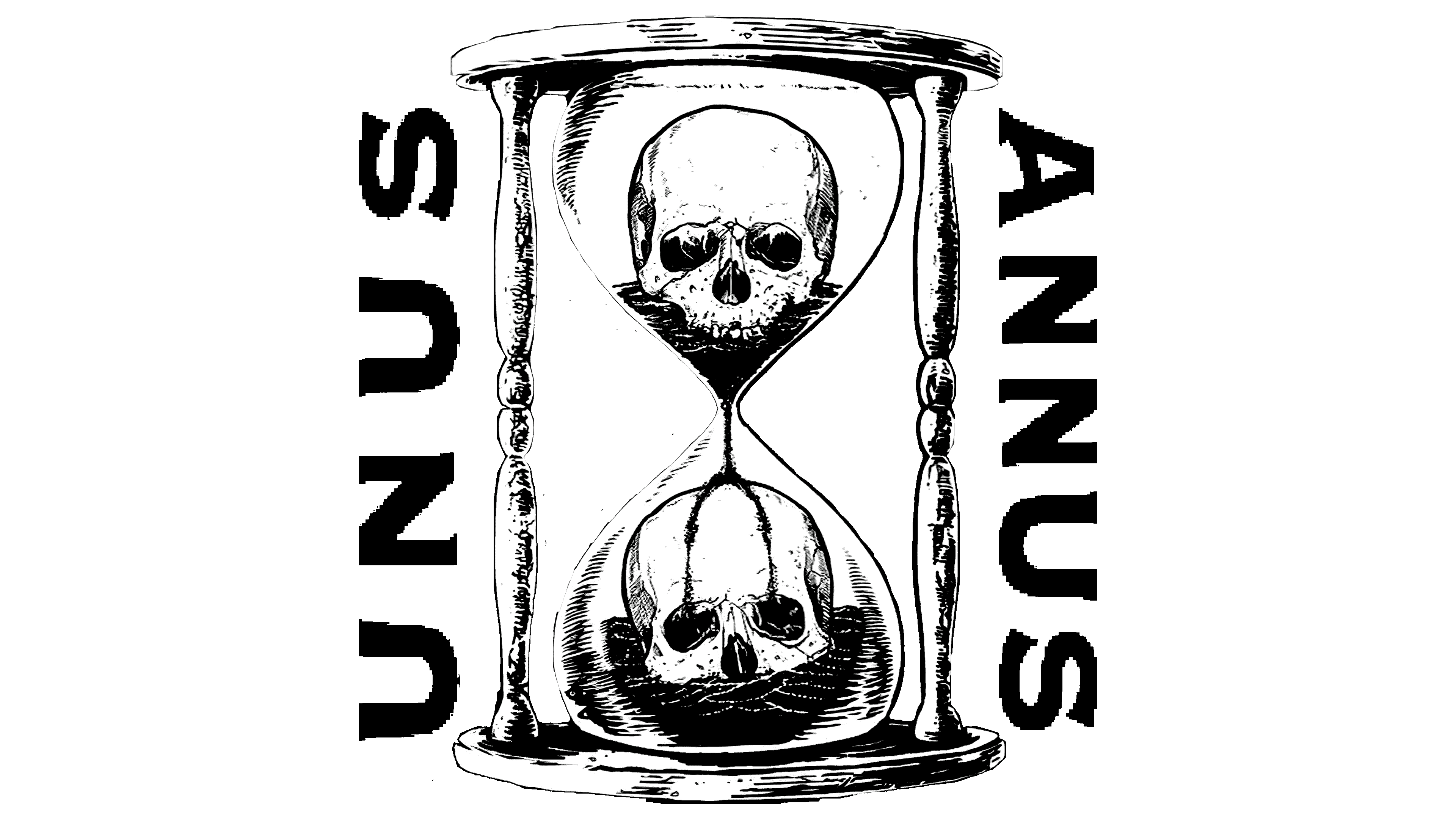
The creators chose an hourglass superimposed over a black screen for the visual identity. They counted down the time left to remind us: nothing is forever, and neither is the channel, which will close after the allotted period. A fitting slogan was “memento mori. The project had such a strong influence on its creators that they began to associate themselves with the “murdered” characters, dividing the world into two halves: black and white.
Because Unus Annus centered on radically opposing concepts, the logo was appropriate. The presenters focused on two colors: black and white. To emphasize the YouTube channel’s original idea, they used an hourglass image. Inside each closed cavity, they depicted a skull. The upper one flowed with thin streams of sand into the lower one, continuing the cycle. The division of the whole into two parts was evident in almost every detail: the number of supporting legs along the hourglass edges, the carved decoration (two on each side), and the skulls.
Font and Colors

The emblem was made in small black strokes on a white surface. They were single or merged to emphasize shadows, gloom, and depth. At the same time, the image was highlighted with a bold outline to prevent it from blending into the uniform background on which the clock was set.
The Unus Annus logo lacked any text, focusing on visual imagery. The official palette corresponded to the channel’s original idea, so it consisted of black and white.