


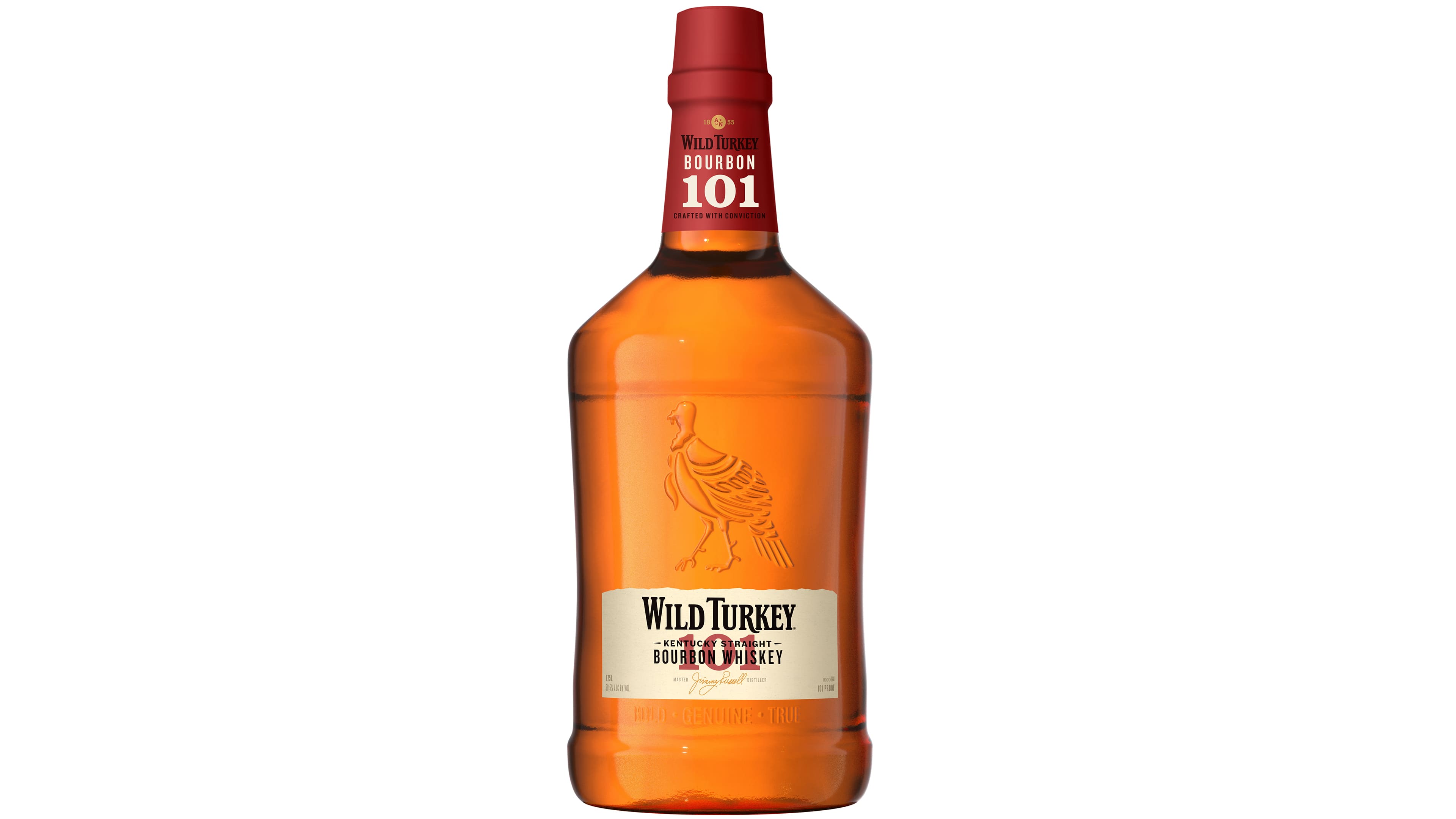
Known for the sophistication of its whiskey flavors, Wild Turkey 101, a Kentucky brand, has revolutionized its identity. The author’s brand of the brothers Riley, Irish winemakers, was created from two of their favorite hobbies: hunting birds and making their whiskey, the appearance of which was always greeted with delight by their hunter friends. The favorite drink on the hunt for a roasted turkey gave the new production its name, which the brothers opened in the USA in 1869. But only 24 years later, the drink achieved stunning success, a success that continued until Prohibition. The secret of success lay in a formula for preparing the drink that strictly adhered to the minimum composition of the corn-based distillate, timing, and storage methods.
Today, Wild Turkey is rethinking many aspects of its brand, including its visual identity, which was developed and updated by the Pearlfisher branding agency. More than eight years of working with the brand’s portfolio have created opportunities for designers to gain a deeper understanding of the company’s prospects and potential. It was decided to start by changing the shape of the bottle, which acquired wider “shoulders,” and its shape became more reminiscent of a large bourbon glass. The neck’s sophistication, smoothly transitioning into “shoulders,” began to resemble a turkey’s neck, tapering downward and evoking a bird’s spur.
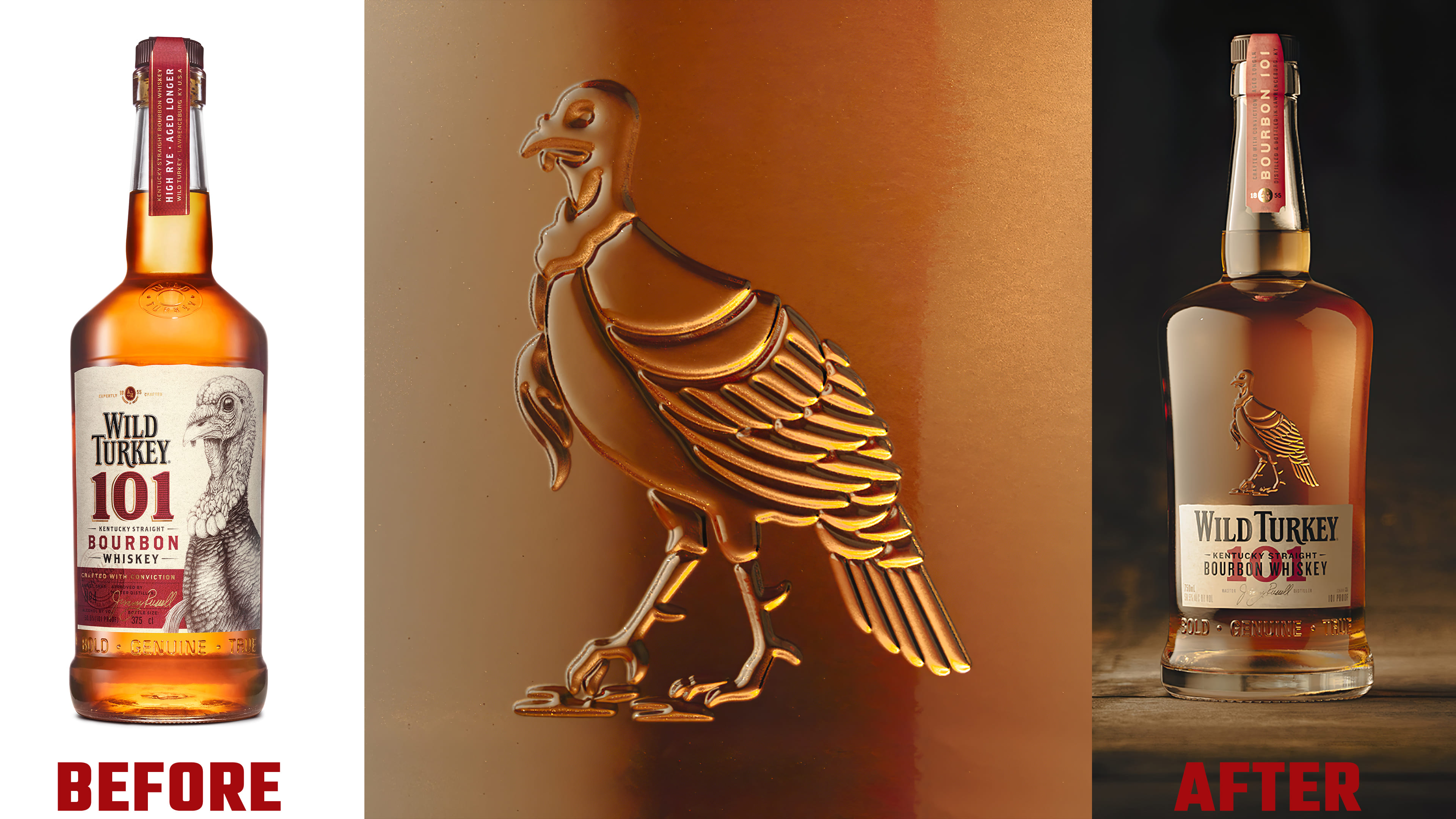
The label has been reduced in size several times, serving as a quality mark to enhance the visual impact of the original Jimmy Russell signature. The label now carries only the Wild Turkey brand name, optimized for the current visual changes. Bold type emphasizes the name, and the number 101, rendered in red, serves as an accent element in the logo. The numbers are superimposed on the Kentucky Straight Bourbon Whiskey lettering. The decorative edges of the label draw attention, like an antique. An important feature to increase consumer attention to the product is using only natural paper for labels.
The creation of a unique video supported the new style. In addition, several virtual assets have been developed with flexibility and agility. This solution left room for additional actions, allowing the brand’s visual identity to evolve continuously and to create attractive interactions with other brand products.