


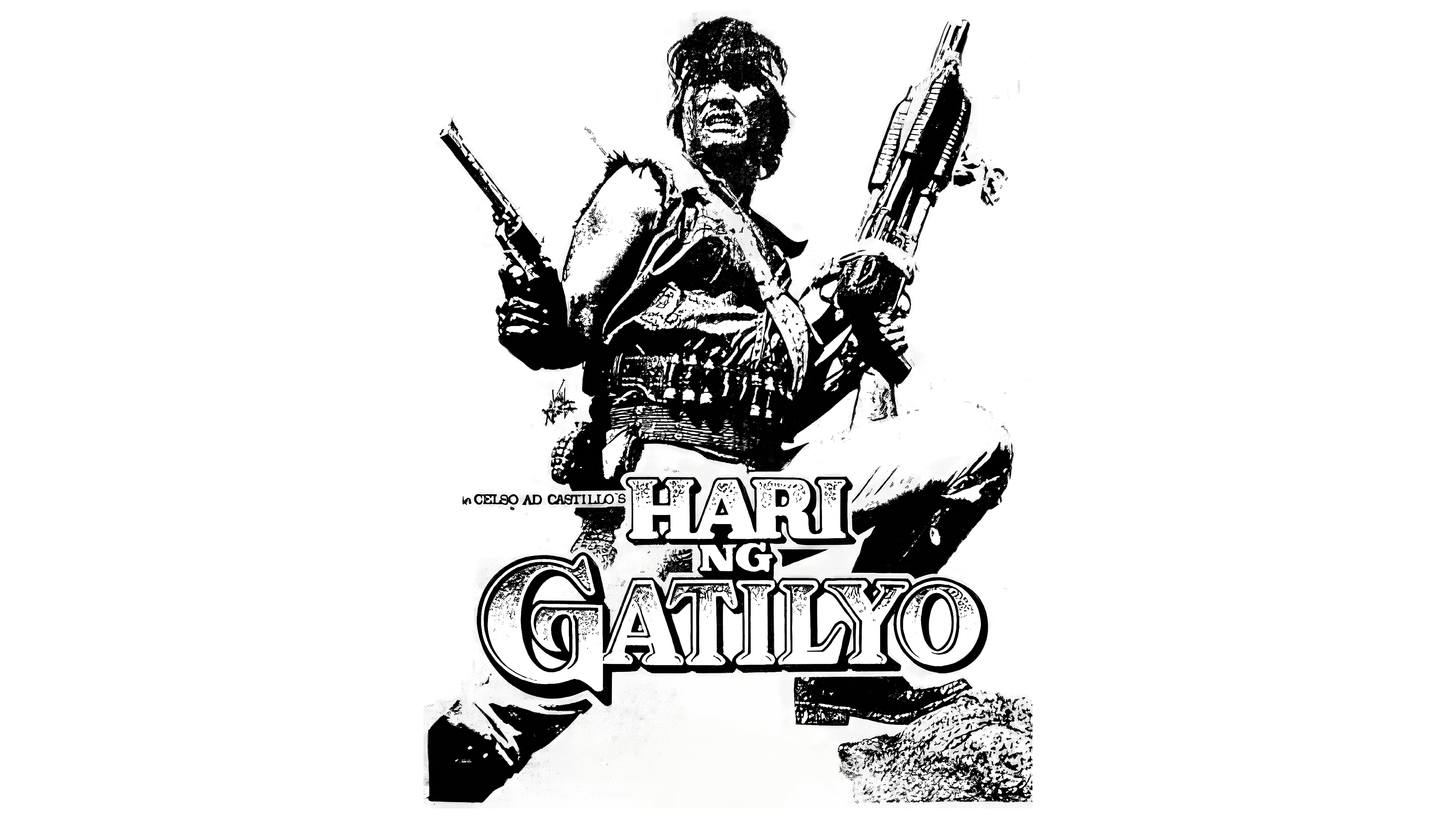
 Blasting Bullets Logo PNG
The Blasting Bullets logo captures the spirit of action and tension, harmoniously intertwined with the story of a farmer who turns into a determined avenger. Unusual weapons become a key detail that emphasizes his skill, and a dynamic plot with vivid scenes of heroic struggle makes this film a real action movie.
Blasting Bullets was the international title of the Filipino action film Hari ng Gatilyo, released in 1985. LL Productions made the picture in Tagalog, while Davian International Ltd. handled distribution outside the Philippines. The English title was used in foreign catalogs and in markets including South Africa. Both names referred to the same film, not separate productions.
Lito Lapid and Eddie Nicart directed the picture. Celso Ad. Castillo worked as producer and screenwriter. The cast included Lapid, George Estregan, Romy Diaz, Bomber Moran, Rex Lapid, Ramon D’Salva, Rocco Montalban, Max Alvarado, and Robert Talby. Lapid played Daniel, a peaceful farmer and amateur gunsmith whose parents are murdered by the landowner Don Benito. Their deaths push him into a campaign of revenge built around armed confrontations with the people responsible.
The film appeared during a productive period in Lapid’s career. In 1985, he was involved in several other action releases, including Ben Tumbling, Walang Katapat, and Calapan Jailbreak. His screen image had developed from his earlier work as a stunt performer and often centered on rural men confronting criminals, landowners, and corrupt officials. LL Productions operated in the same national market as Viva Films and FPJ Productions. However, it depended more heavily on Lapid’s popularity and familiar low-budget action formulas.
No sequel or continuing series was produced under the Blasting Bullets title. No verified information about its production budget, box-office results, awards, or major theatrical reissues has been published. The film later remained documented through cast and director filmographies, export catalogs, and digital cinema databases under both Hari ng Gatilyo and Blasting Bullets.
Meaning and History
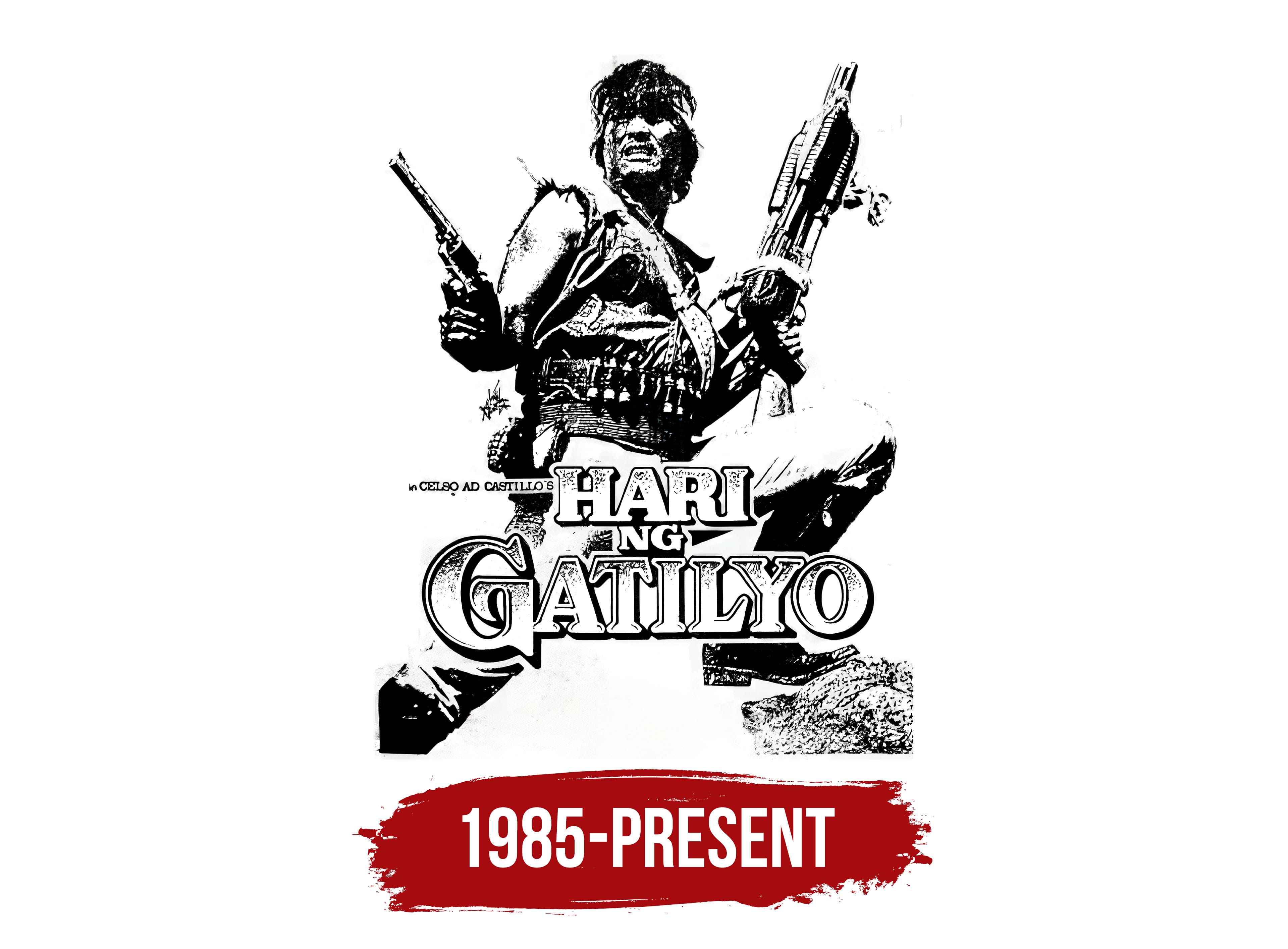
What is Blasting Bullets?
This is an exciting film that combines elements of action and crime drama. The main character faces a dangerous criminal gang, overcoming obstacles and restoring justice. The story has many tense moments, including chases, shootouts, and dynamic scenes. Strong acting and a rich plot make it a standout representative of the genre, captivating the audience from the very first minute.
1985
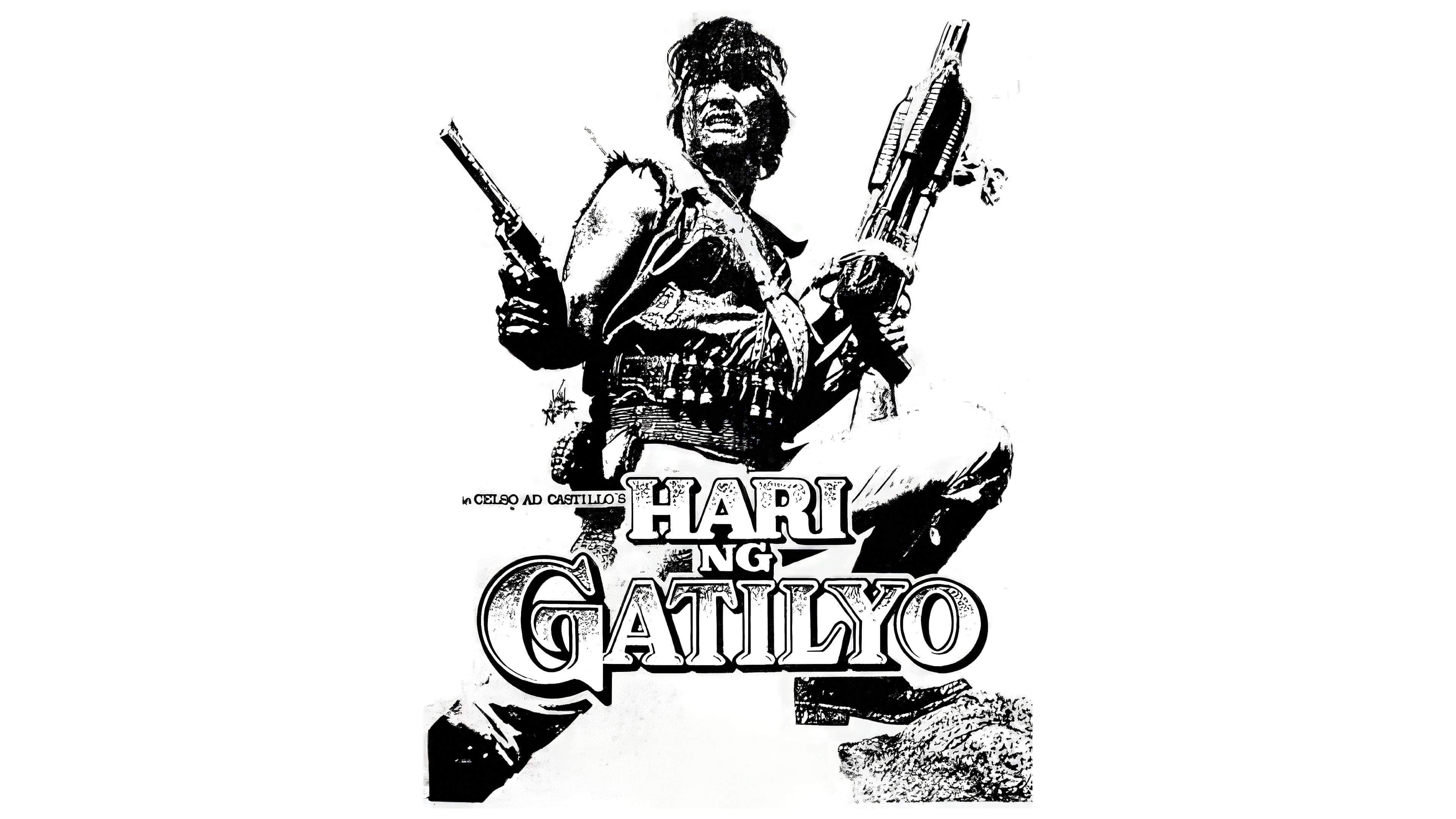
The Blasting Bullets logo (also known as Hari ng Gatilyo) is a prime example of old-school action films, when posters were loud, sharp, and full of combat. It’s like pulling out an old VHS tape from the ’80s, with a badass hero, a storm of bullets, and brutal shootouts as the main focus.
The title translates from Filipino to “King of the Trigger,” which already makes it clear that this is a movie where gunfire is inevitable. And the hero lives up to the name; he’s loaded with weapons and ready to take on an entire army if necessary.
At the center of the design, the character stands in a battle-ready pose, legs spread wide. In one hand, he holds a revolver aimed off to the side, and in the other, a powerful assault rifle or shotgun, heavy and deadly-looking. He’s dressed like a true fighter: a sleeveless vest, bullet belts across his chest, and an arsenal of ammo strapped to his waist. He looks like he just stepped out of a firefight, still covered in dust and gunpowder. His face is harsh, his expression fierce; he’s the perfect image of a tough warrior, a man of action.
The illustration style is sharp, black-and-white, with no shading or gradients. This was a popular choice for action movie posters back in the day, making the image bold, rough, and even slightly gritty. This harshness reinforces that the movie is about tough realities and action, not fancy dialogue.
The film title is written in a bold, heavy font with massive serifs. The word “GATILYO” is the largest and most striking. It stands out with a double outline, appearing three-dimensional as if embossed on metal or stone. Above it, in smaller text, is “HARI NG,” like a subtitle. Every letter has sharp, solid, and weighty angles; there’s no softness or smoothness, just pure action-movie aesthetics.
The poster and the logo, as a whole, tell us exactly what to expect: a serious action film filled with firepower, whizzing bullets, and a badass hero with nothing to lose. The artwork captures the essence of an era when lone warriors with guns dominated the screen and packed theaters. The atmosphere is straightforward and unmistakable: a hero, weapons, and an endless fight. Just fire and steel, as it should be in a true old-school action film.