


 Caillou Logo PNG
The Caillou logo is friendly and playful. The emblem depicts a shy, curious toddler looking at the viewer, ready to make friends. The symbol invites you into a world of childhood and interesting stories.
Caillou began in 1989 as a French-language book series by Quebec writer Christine L’Heureux and illustrator Hélène Desputeaux. Published by Montreal-based Les Éditions Chouette, the books followed an ordinary young child in everyday situations. By the mid-1990s, the series had grown to several dozen titles. At the same time, later disputes over authorship and revenue involved the creators and Chouette Publishing.
In 1997, Montreal studio CINAR, known for children’s programs and early seasons of Arthur, began adapting the books for television. The first episodes aired on Télétoon on September 15, 1997. On October 17, 1997, Caillou became the first program shown on the new English-language channel Teletoon. The first season included 65 five-minute episodes with traditional animation, book-reading scenes, and puppet segments.
On September 4, 2000, the series reached PBS Kids in the United States in a half-hour format. Around the same period, CINAR faced a major scandal over offshore transfers and false Canadian authorship credits used for subsidies. In 2004, investors led by Nelvana co-founder Michael Hirsh bought the company and renamed it Cookie Jar Entertainment.
Production continued through corporate changes. Caillou’s Holiday Movie was released in 2003, and the series switched to Adobe Flash animation in 2005. The final season, made with Clockwork Zoo and aired on Treehouse TV, ended in April 2011. In 2012, DHX Media acquired Cookie Jar and later became WildBrain. PBS Kids stopped reruns in 2021, while Peacock released a reboot in 2024.
Meaning and History
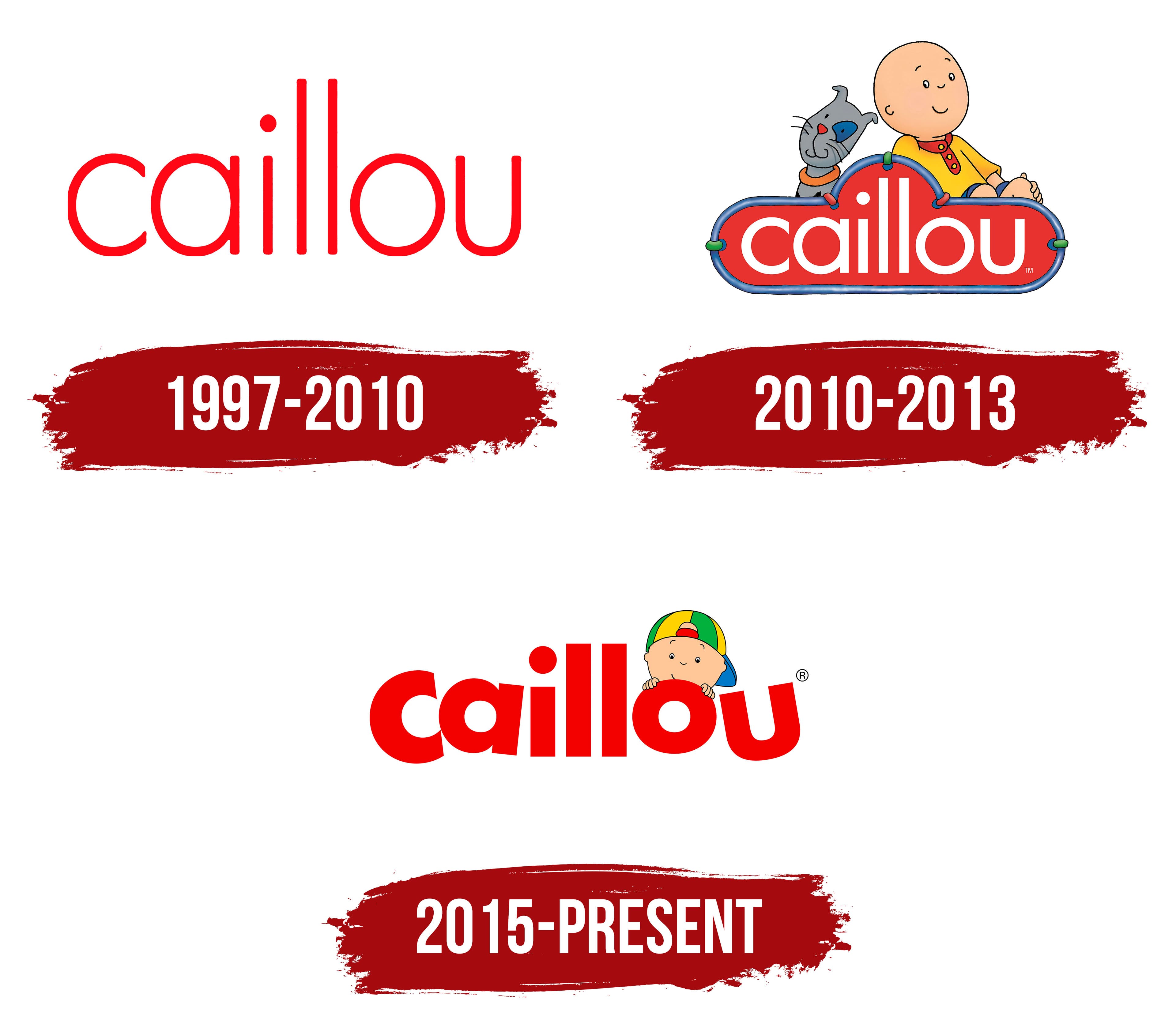
The series emblem gradually transformed. The direction shifted from depersonalization to direct interest in dialogue. Initially, the cartoon, like the logo, was closely tied to the books and had a verbal expression. However, over time, it developed a life of its own, and the emblem was enlivened by the addition of images of the main character and his friends. Initially, Caillou was engrossed in his affairs and world. However, in the latest version of the logo, he became directly interested in his viewers. The rebrandings gradually fostered a close personal connection between the fans and the character.
What is Caillou?
It’s a children’s series and show with 92 episodes, divided into short segments interspersed with songs and puppet performances. The series is actively broadcast in Canada (Family Jr.) and the USA (Comcast/NBCUniversal, Cartoon Network). Since the series began filming, 15 million books have been sold based on it.
1997 – 2010

The first logo of the series barely resembled a children’s story: the cartoon’s title was in thin red letters. The emblem corresponds to the book series’ logo, which later served as the basis for the episodes.
Caillou is the name of the main character, who has a vivid imagination. In French, the original language of the books, the name means “pebble,” which suggests that the cartoon’s hero is bald. The series’ creators used this device so children with different hair colors and lengths could identify with Caillou and understand that being different from others is normal.
The choice of name resonates with an interesting ritual invented by the renowned French pediatrician and psychologist Françoise Dolto. She asked children to pay for consultations with a pebble, giving them a sense of being full-fledged members of society who pay for their services.
The red hue is the color of surprise, adventure, and openness, all traits of the young hero. The thickness of the letters indicates his youth and the thin line between the real and the imaginary worlds. Caillou is discovering himself and understanding who he is, so his name is still written tentatively and thinly.
2010 – 2013
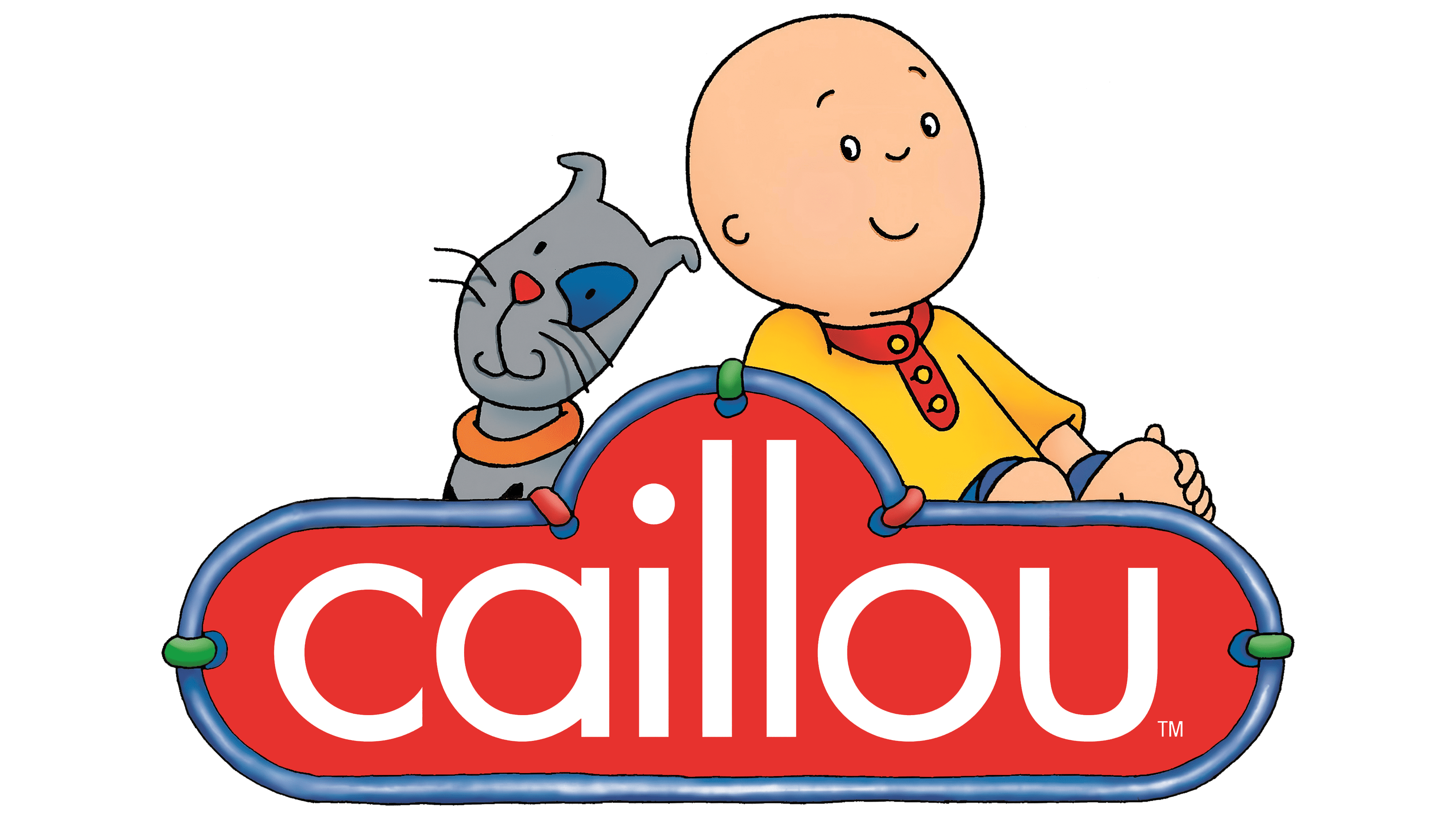
The logo was revised by the fifth season, which aired on a new channel.
It gave me a better sense of childhood and individual characteristics. The boy’s name is written in white letters on a red plate, which resembles a car bumper because Caillou adores transportation.
Behind the plate is the character himself, who looks up dreamily, emphasizing the hero’s unique imagination, which he uses in each episode.
Next to the boy sits Gilbert – his beloved cat. The animal also looks up but in the other direction. This technique shows that the pet likes to ponder life, but not in a fanciful way.
The white letters hint at discoveries and the hero’s youth.
2015 – today
In 2015, the series logo was updated during a broadcast on the American channel PBS Kids to coincide with the release of additional videos for the franchise’s 25th anniversary (the first book was released in 1989).
The new emblem was a red title with dancing letters and a boy in a multicolored cap peeking out from behind it.
The playful tone of the emblem emphasized the orientation toward the children’s audience. Letters of different heights and inclinations show a fun pastime and episodes dedicated to various issues.
In this logo, Caillou looks intently at the viewer, showing his interest in getting acquainted and helping children feel comfortable with the character. The letter O, which the hero holds on to, resembles a ball and serves as a prototype for children’s toys, inviting play.
Font and Colors
The logo’s bright colors show a bright children’s world of fun, surprise, and novelty. The main shade chosen is red, which animates the emblem like playful laughter. The color reflects emotions, love, and joy from knowing the world. It also indicates the various incidents around which the series is built.
The inscription’s font was created for the series. Its full, round glyphs describe Caillou’s rich, full life: many close people and a vast world of fantasies, which the baby mixes with reality.