 Foreign Policy Logo PNG
The Foreign Policy logo’s design aligns with the magazine’s content. It employs a straightforward, precise design that reflects the magazine’s writing style and thematic focus. It stands as a succinct visual summary of the brand’s mission and identity.
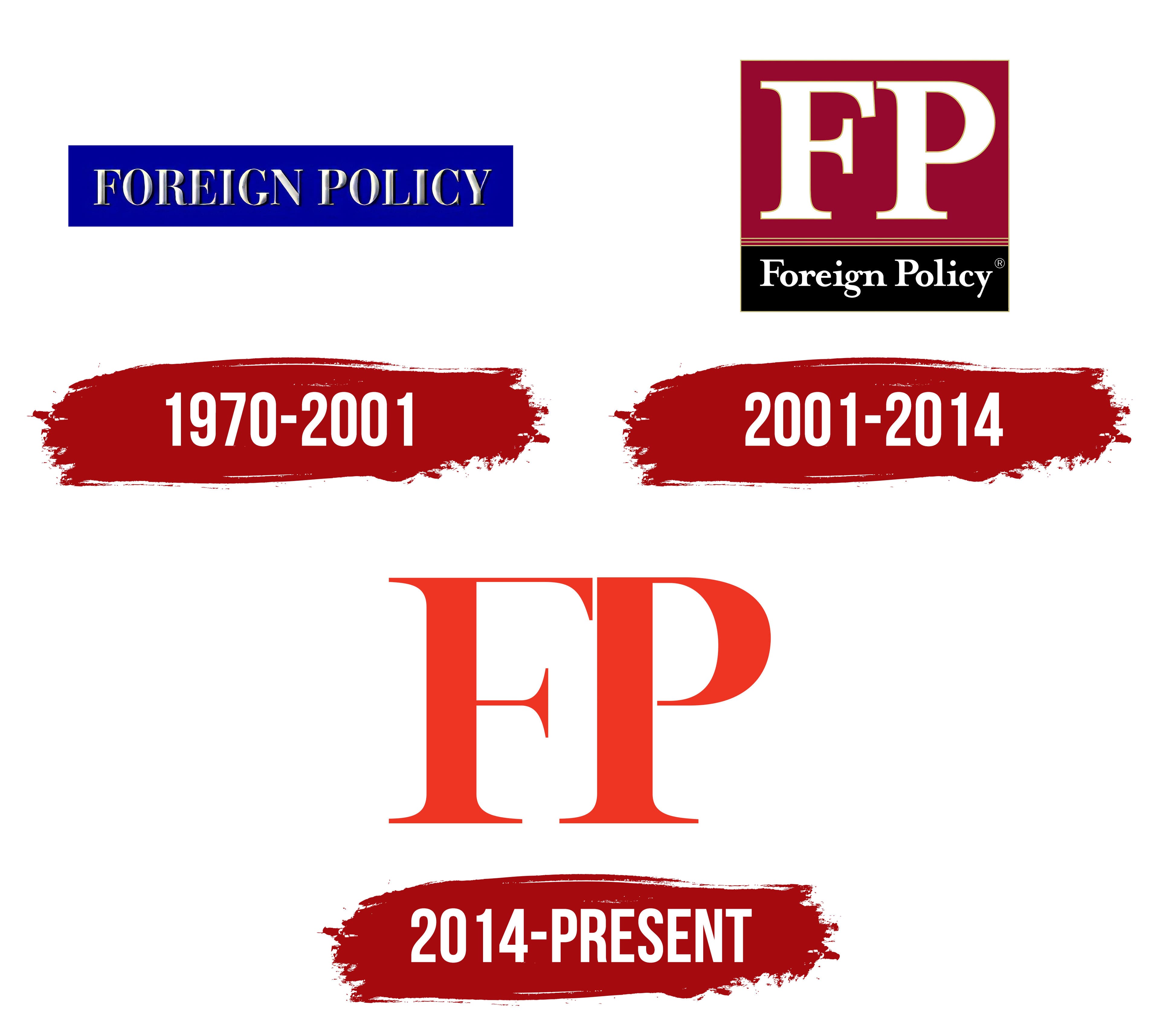
The Foreign Policy logo was transformed in 2014, resulting in a sleeker, more powerful look that more clearly highlights the brand’s identity. The redesigned logo features the brand’s initials, “FP,” set in a classic serif font, conveying authority and professionalism.
The emblem magazine adopted a color scheme typical in the media industry, featuring a vibrant red background against which the white lettering stands out. This strong color contrast enhances the logo’s impact, giving it a commanding presence.
The geometric simplicity lends the emblem a clean aesthetic that works well as an icon in mobile applications and on websites. Given that the majority of the magazine’s content is distributed online, this practical design choice is appropriate.
Foreign Policy was founded in 1970 by political scientist Samuel P. Huntington and publisher Warren Demian Manshel. The magazine was created in the United States as a platform for serious discussion of global affairs, U.S. foreign policy, diplomacy, security, economics, and international politics. From its early years, it published essays, reports, and analyses by scholars, journalists, political leaders, and specialists in international relations.
The publication built its identity around deeper analysis rather than brief news coverage alone. Its audience included policymakers, business leaders, academics, and readers who followed world events closely. Foreign Policy covered the United States’ role abroad, conflicts, trade, culture, and major shifts in international power, giving space for debate and competing views on foreign-policy choices.
In 2008, Foreign Policy was acquired by The Slate Group, a division of Graham Holdings Company. The deal helped the brand expand its digital presence and reach a broader audience outside the traditional print magazine market. After that, the publication developed its website and app as daily channels for news, essays, and commentary. At the same time, the print edition continued on a quarterly schedule.
Foreign Policy remained focused on global politics and current events, with coverage ranging from diplomatic strategy and defense to economic policy and cultural change. Its writers and contributors continued to address complex international issues for readers interested in how governments, markets, and societies interact across borders. In the media market, it occupied a space between news reporting, policy debate, and expert analysis.
Meaning and History
The brand identity of Foreign Policy is deeply rooted in its commitment to providing insightful analysis of global events. Its intellectual rigor and thoughtful commentary make it a preferred choice for policymakers, academics, and anyone interested in global affairs. Its identity is not confined to a specific region but encompasses a broad, global perspective, offering a multifaceted worldview.
Foreign Policy’s branding plays an integral role in its success. Its visually appealing website, marked by intuitive design and high-quality graphics, reflects its commitment to excellence. The design isn’t merely aesthetic; it also facilitates easy navigation, further enhancing the user experience.
The logo of Foreign Policy, simple yet effective, perfectly encapsulates the publication’s focus on serious, thought-provoking content. All these elements, coupled with its in-depth, balanced, and accurate reportage, strengthen its standing as a leading voice in international affairs, giving it a unique place in the crowded field of news publications.
What is Foreign Policy?
Since its establishment in 1970, Foreign Policy has been a significant platform for comprehensive analysis and commentary on global affairs and policies. This American news publication has cemented its position as a reliable source of domestic and international policy discussions, shaping intellectual debates and policy-making processes. Originating as a quarterly magazine, the platform has adapted to the digital age by offering daily content on its website and app while still maintaining its print edition. Its evolution reflects the publication’s agility in meeting the changing needs of its audience, thereby maintaining its relevance over five decades.
1970 – 2001

2001 – 2014
2014 – today