


 Frederator Studios Logo PNG
The stylish, ultra-modern Frederator Studios logo signals the company’s creativity. Designers created an image that reflects the bright, animated films and series the studio’s employees develop.
Frederator Studios officially began on January 6, 1997, when Fred Seibert, a former Hanna-Barbera executive, founded the company in New York. Before that, Seibert had built a career in television branding, including work through Fred/Alan Inc., founded in 1983, which helped reshape Nickelodeon in the cable market. After Fred/Alan closed in 1992, he turned toward animation and independent creators.
The studio’s first major project was Oh Yeah! Cartoons was launched in 1998 as a showcase for short-form animation. It became a platform for new artists, leading to series such as ChalkZone and The Fairly OddParents. In 2001, Butch Hartman’s The Fairly OddParents became a major success, followed in 2004 by My Life as a Teenage Robot. In 2005, Frederator added a feature animation division.
In 2006, Wow! Wow! Wubbzy! aired on Nick Jr., taking the studio into preschool programming. In 2008, Frederator expanded into online distribution. In 2010, it produced Adventure Time for Cartoon Network, one of its best-known projects. In 2012, it launched Cartoon Hangover on YouTube for more experimental animation, and in 2013, Bee and PuppyCat was funded through Kickstarter.
Frederator later expanded through digital partnerships. In 2015, it worked with Otter Media on a new network, and in 2016, that network merged with Rainmaker Entertainment to form WOW! Unlimited Media. In 2017, the studio entered adult streaming animation with Castlevania for Netflix. Based in Burbank, Frederator continued working with partners such as Sony Pictures Animation while developing series, shorts, and digital animation projects.
Meaning and History
Fred Seibert left the animation studio in 2020, but the ex-director’s creativity has been reflected in every aspect of their work, from product concepts to visual identity. At the same time, the logo featuring the robot’s head is an important part of the brand identity. The original character is named Fredbot, a combination of “Frederator” and “bot.” However, the emblem featuring the iconic mascot appeared in 2010; before that, the brand used several wordmarks with different designs.
What is Frederator Studios?
Frederator Studios is a company formerly known as Frederator Incorporated. It creates animated films, series, short films, and television shows. The studio was founded on January 6, 1997, but it had predecessors: Fred / Alan, Inc. and Chauncey Street Productions.
1983 – 1992

In the early 1980s, Fred Seibert teamed up with fellow college student Alan Goodman to form the production company Fred/Alan Inc. It marketed promotions for TV channels. Its logo contained a two-line inscription in black. The first row featured the brand’s name, with “INC.” in small capitals in the upper-right corner above “Fred/Alan.” These words used a high-contrast serif font similar to SoftMaker’s Riccione Serial Regular.
The bottom line indicates the company’s period of existence: “1983-1992.” This suggests the logo didn’t appear immediately, but only after the exact closing time when Fred / Alan Inc. became known.
1988 – 1997
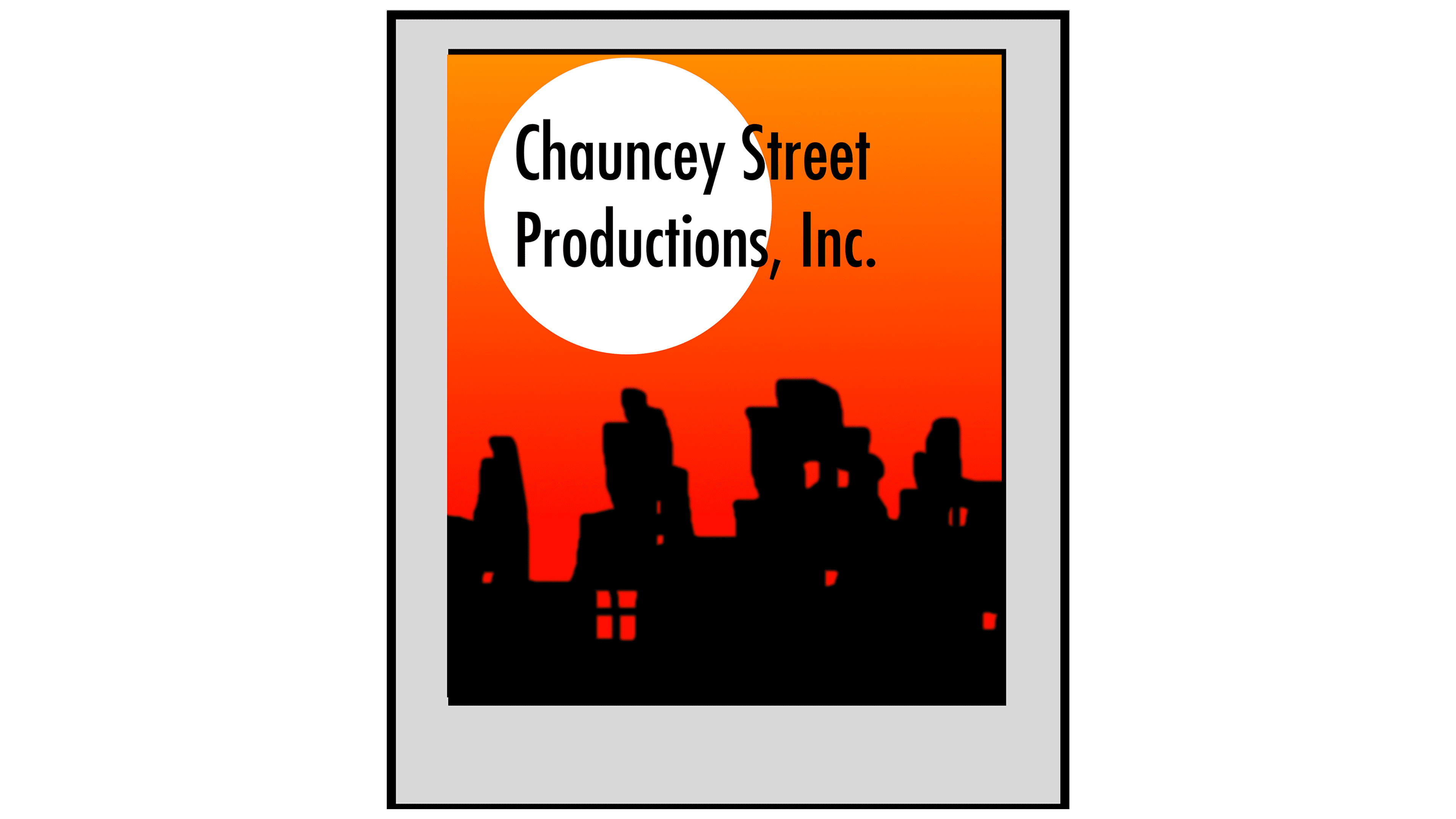
In 1988, Fred Seibert’s production company partnered with Chauncey Street Productions. At the time, introductory videos featured an animated city skyline emblem. The black silhouettes of the high-rise buildings stood out against the orange-red sky. The gradient was linear, with lighter colors at the top fading to darker ones at the bottom.
In the upper right corner, above the high-rise roofs, the sun hung as a large white circle. The company name also read: “Chauncey Street” on the first line and “Productions Inc.” on the second. The words weren’t evenly spaced; they were set on a diagonal. At the same time, black sans-serif letters “jumped” and leaned in different directions. A gray-blue rectangular frame surrounded the picture.
1998 – 2009
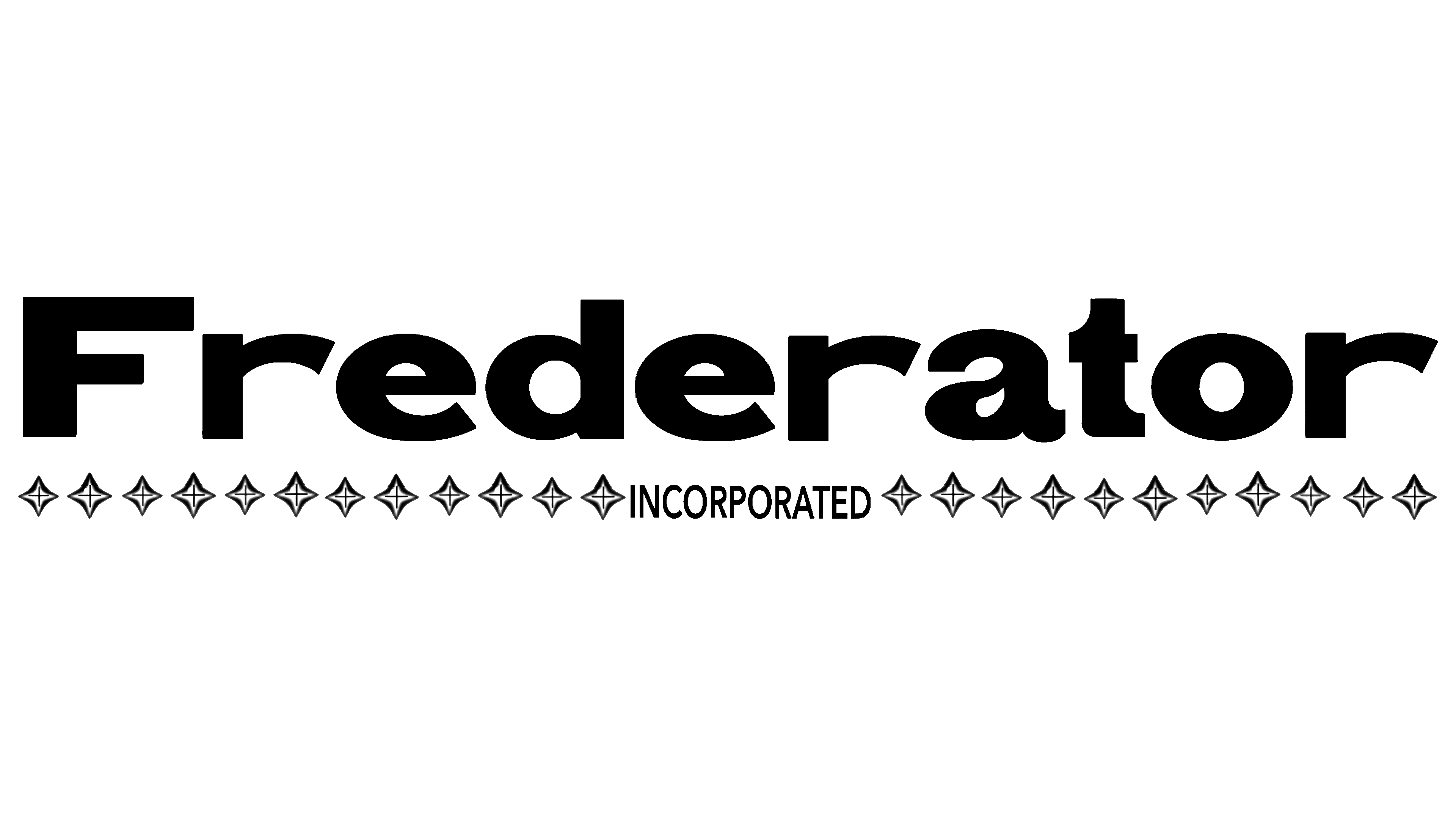
In early 1997, Fred Seibert founded Frederator Incorporated to produce animated films and series. A year later, the studio’s debut cartoon was released. Its logo featured the large black word “Frederator” at the top, with a small “INCORPORATED” centered below it.
The designers chose a geometric, bold, sans-serif font for the first half of the title. Its closest analog is HWT Unit Gothic 717 from Hamilton Wood Type Foundry. For the second part, they used a font similar to Falling Sky Condensed by Cannot Into Space Fonts, with reduced letter spacing. In addition to the inscriptions, the logo featured 23 four-pointed stars arranged in a single row: 12 to the left of the word “INCORPORATED” and 11 to the right.
2009 – today
In 2009, the company adopted a logo that remains relevant today. It is similar in structure to the previous one but uses a different font: the word “FREDERATOR” is written in bold black capital letters. Notably, the first “E” appears lowercase, while the second appears uppercase, even though they are the same size.
Because the brand has received a new name, Frederator Studios, the lower term is no longer “INCORPORATED” but “STUDIOS.” Four-pointed stars flank the name, 11 on each side. They are white on the inside and outlined in black on the outside.
2010 – today
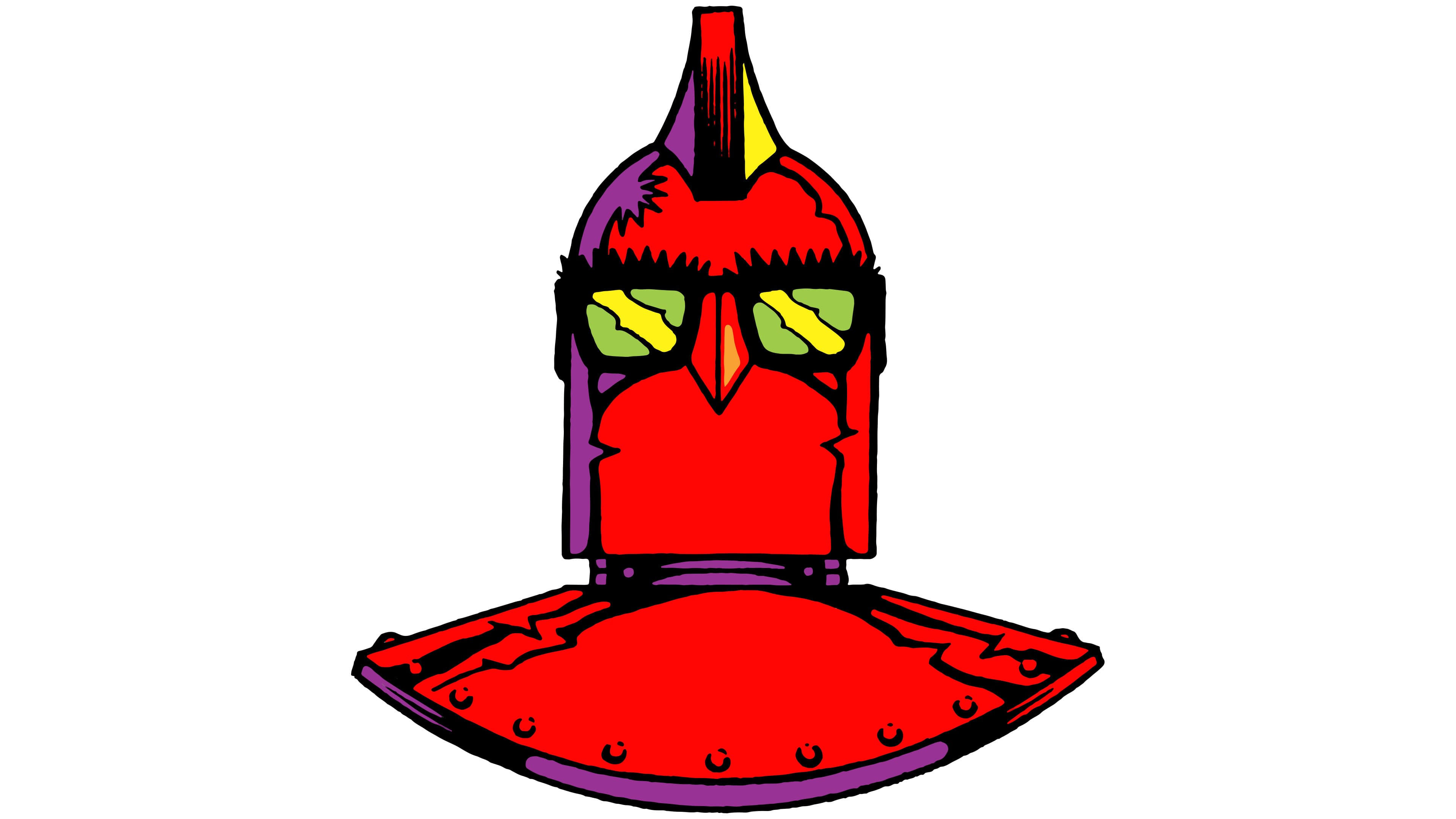
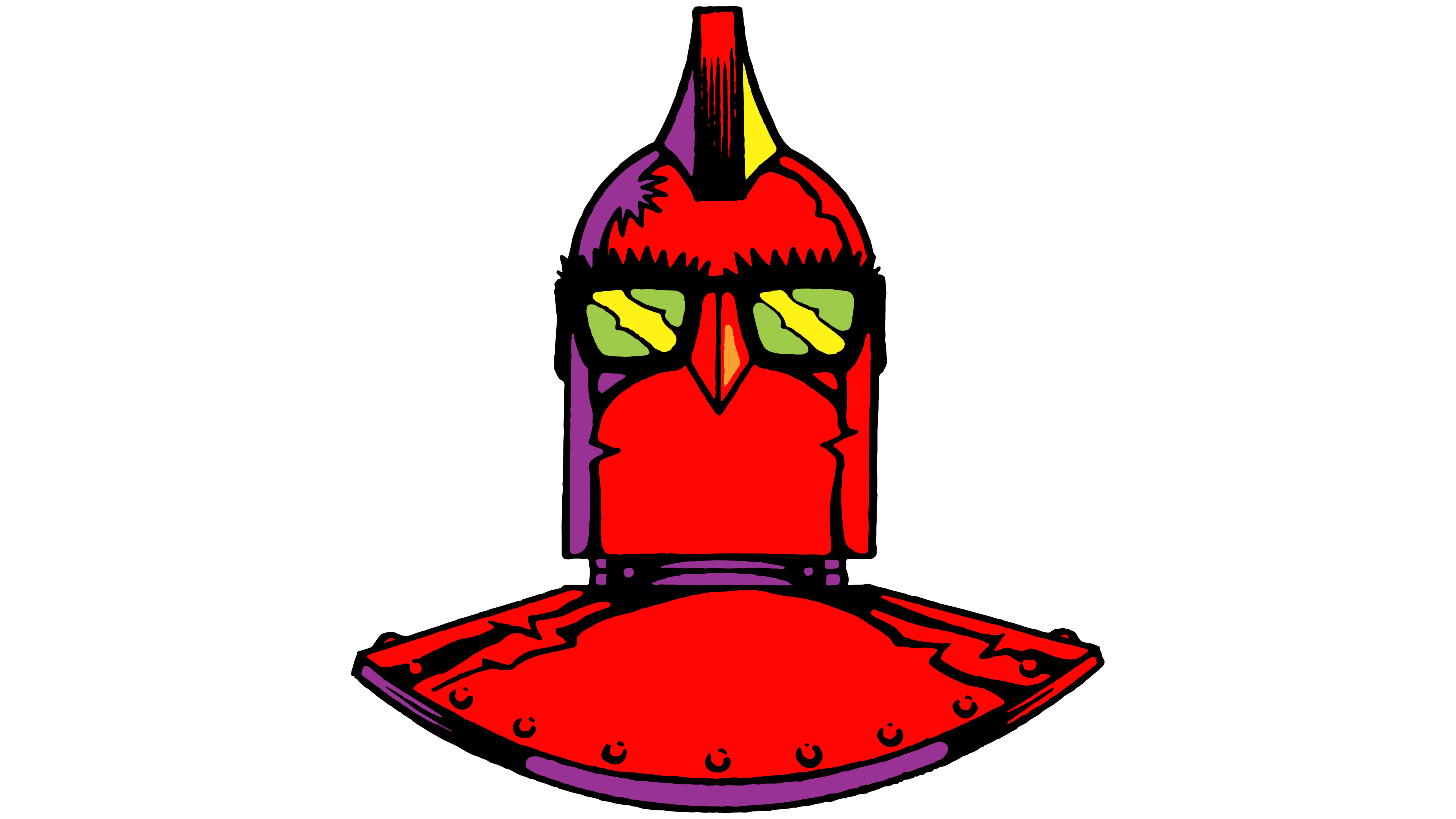
In addition to the wordmark, the production company uses a red robot emblem. Only its upper part is visible: a cylindrical head attached to a plate that acts as the shoulders and chest. A high mohawk, nose, and dark yellow-green glasses complement the character’s head. Interestingly, thick eyebrows or eyelashes stick out above the glasses.
Font and Colors

Frederator Studios’ main symbol is a red robot known as Fredbot. This iconic image was created by illustrator and designer Arlen Schumer in 1997. He created the notorious character for the Frederator brand, inspired by the Japanese anime robot Gigantor. Since then, Fredbot has been redesigned many times, and one of his head versions now adorns the studio emblem.
The bold sans-serif font the designers chose for the word “FREDERATOR” is roughly similar to SoftMaker’s Deko Display Serial Bold. Perhaps this is one of his modifications. Interestingly, the “E” after the “R” looks lowercase, while the “E” after the “D” appears as a standard capital glyph. However, they are both the same size.
If the wordmark is completely black, the red color prevails in the emblem featuring the robot’s head. Additionally, purple, yellow, light green, and black are used.