 GoPay Logo PNG
GoPay’s history is tied to Gojek, founded in Jakarta on October 13, 2010, by Nadiem Makarim, Kevin Aluwi, and Michelangelo Moran. The company began as a call center with 20 motorcycle taxi drivers, or ojek, serving people moving through Jakarta’s traffic. Its early goal was to bring clearer pricing and reliability to an informal transport market.
In January 2015, Gojek launched its mobile app and moved from a call-center model into a digital platform for rides, food delivery, and courier services. As usage grew, cash payments became a practical problem for drivers and customers. In 2016, Gojek introduced GoPay as an in-app wallet to make payments inside the platform faster and easier.
The product soon moved beyond its first role. By the end of 2017, GoPay had 10 million users, a level T-Cash had reached over 10 years earlier. That year, it handled about 30% of Indonesia’s electronic money transactions. Google invested in Gojek in 2017, followed later by Tencent and JD.com. By 2018, GoPay led the mobile payments market ahead of OVO and DANA.
In 2019, Fortune ranked GoPay 11th on its Change the World list, while Makarim left Gojek to become Indonesia’s education minister. In May 2021, Gojek merged with Tokopedia to form GoTo, placing GoPay under GoTo Financial. GoTo was listed on the Indonesia Stock Exchange in April 2022 under GOTO, and GoPay was named the best digital wallet by The Asian Banker. In July 2023, GoPay launched as a standalone 25 MB Android app, reaching users outside Gojek and Tokopedia.
Meaning and History
What is GoPay?
This digital payment platform and fintech company operates in Indonesia’s financial technology market. As part of the Gojek super-app ecosystem, the platform offers services such as peer-to-peer transfers, mobile wallets, bill payments, online shopping, food delivery, and cashless taxi bookings. The platform provides solutions for small businesses and retail merchants, expanding its capabilities beyond consumer payments. With widespread adoption and numerous integrations, it has played a key role in improving financial accessibility in Indonesia. Its user-friendly interface and reliable security features have made the service popular among millions.
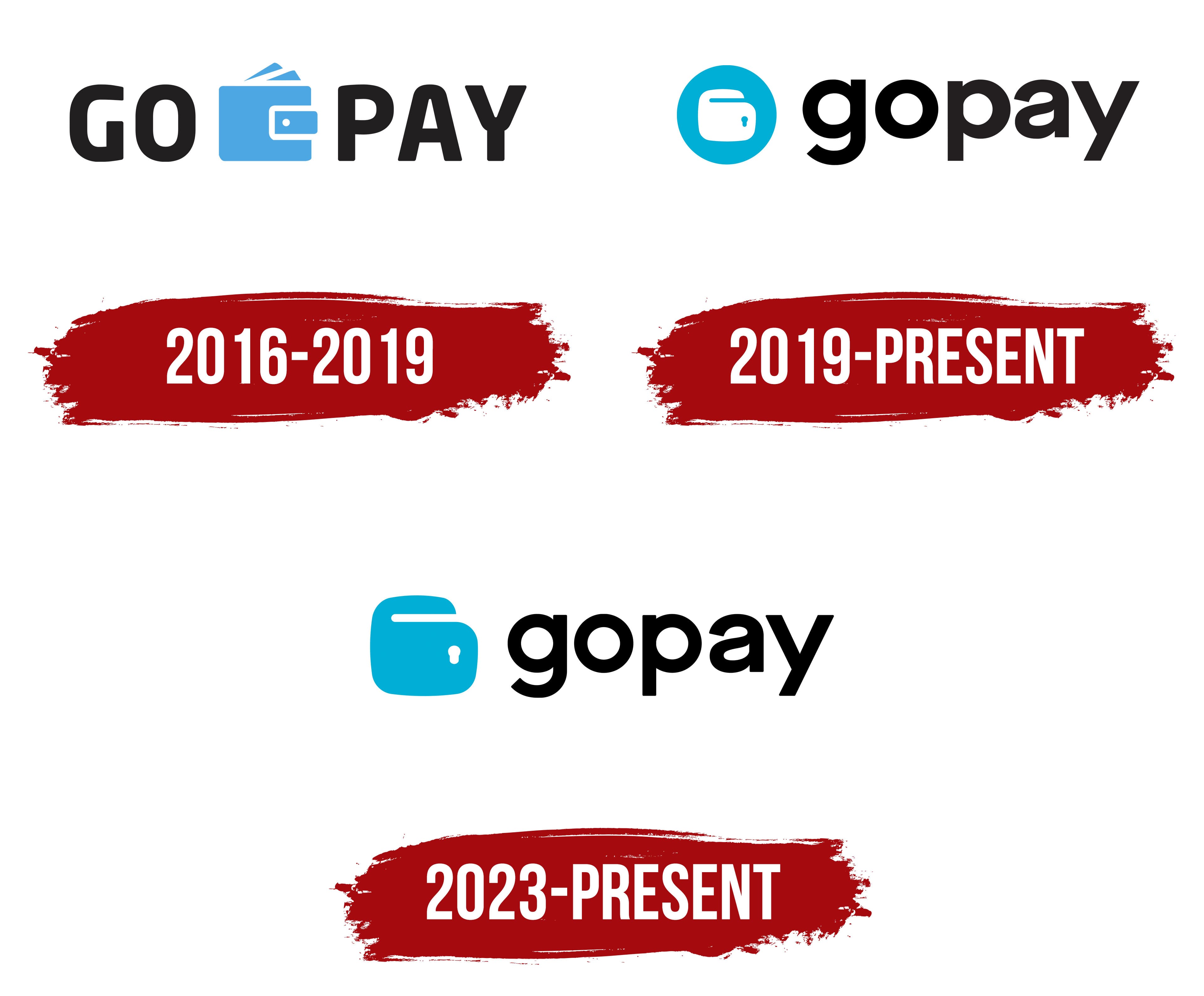
2016 – 2019

2019 – today

2023 – today