 Harper’s Bazaar Logo PNG
The Harper’s Bazaar logo serves a decorative function; it encapsulates the brand’s commitment to providing luxurious, timeless fashion content with a touch of sophistication.
Harper’s Bazaar’s emblem prominently features the distinguished Didot font, thereby immediately associating it with the magazine’s branding. This typographical emblem represents a trademark example of visual identity becoming synonymous with the brand.
The emblem, with its distinct Didot typography, was created in 1934 by Alexey Brodovitch. Serving as the magazine’s art director at the time, Brodovitch was the creative mind behind its aesthetic and visual appeal.
This premier publication is recognized in the luxury market segment for its use of a refined serif font. This choice effectively amplifies the logo magazine’s chic, ageless, and deluxe appeal. The chosen Didot typeface has become a symbol closely associated with the magazine and is also preferred by many leaders in the fashion media.
Using a sophisticated black color for the logo adds a layer of elegance and intellectual style to the brand.
Harper’s Bazaar began on November 2, 1867, in New York, when Harper & Brothers published the first issue under the name Harper’s Bazar. Fletcher Harper developed the idea after studying the German magazine Der Bazar. He arranged to use its fashion engravings for American readers. The first editor, Mary Louise Booth, shaped the magazine around fashion illustrations, etiquette, home advice, and fiction by writers such as Charles Dickens, Henry James, and George Eliot.
The magazine first appeared in a newspaper format and was aimed at middle- and upper-class women. In 1901, it became a monthly publication. In 1913, William Randolph Hearst bought the magazine for $10,000, bringing it into the Hearst company. In 1929, under editor Charles Hanson Towne, the title gained its second “a” and became Harper’s Bazaar.
A major editorial era began in the 1930s with Carmel Snow, who had left Vogue. She hired Alexey Brodovitch as art director in 1934, and his use of Didot helped define the magazine’s visual identity. Snow also changed fashion photography in 1933 by sending Martin Munkácsi to shoot a model in motion on a Long Island beach. In 1935, she brought in Diana Vreeland, whose “Why Don’t You?” column became a key part of the magazine’s voice.
Richard Avedon later became one of the magazine’s defining photographers. In 1992, Liz Tilberis, formerly of British Vogue, took over as editor and worked with Fabien Baron on a more elegant visual direction using photographers such as Peter Lindbergh and Patrick Demarchelier. International editions expanded later, including Bazaar China in 2002–2003, while the British edition restored the Harper’s Bazaar name in 2006.
Meaning and History
The brand’s corporate identity is rooted in its long-standing tradition of delivering high-quality content in a luxurious, aspirational format. Its mission is to inspire readers with a rich blend of fashion, beauty, and culture, positioning itself as an authority in the fashion world. The magazine is renowned for its sophisticated and avant-garde visual style, frequently featuring cutting-edge fashion photography and in-depth interviews with leading fashion figures.
Harper’s Bazaar’s branding reflects its timeless elegance and dedication to the art of style. The distinct logo, emblazoned in a classic, clean font, signifies its legacy and authority in the fashion realm. It’s more than just a magazine; it’s a symbol of high fashion and class.
The brand has successfully maintained its status as a tastemaker while evolving to remain relevant in the ever-changing fashion industry. Its dynamic identity makes it a beacon for fashion enthusiasts worldwide, continually offering a fresh perspective on style while honoring its rich history.
What is Harper’s Bazaar?
Harper’s Bazaar is a long-standing American women’s fashion magazine, first published on November 2, 1867. It is owned and operated by Hearst Magazines and is headquartered in New York City, United States. Over its long history, Harper’s Bazaar has established itself as an authority in fashion, beauty, and popular culture. The magazine is known for its sophisticated tone and high-end design, regularly featuring the work of renowned photographers, designers, and writers. It provides readers with the latest fashion trends, beauty advice, profiles of prominent figures in fashion and entertainment, and insightful articles on contemporary life and culture.
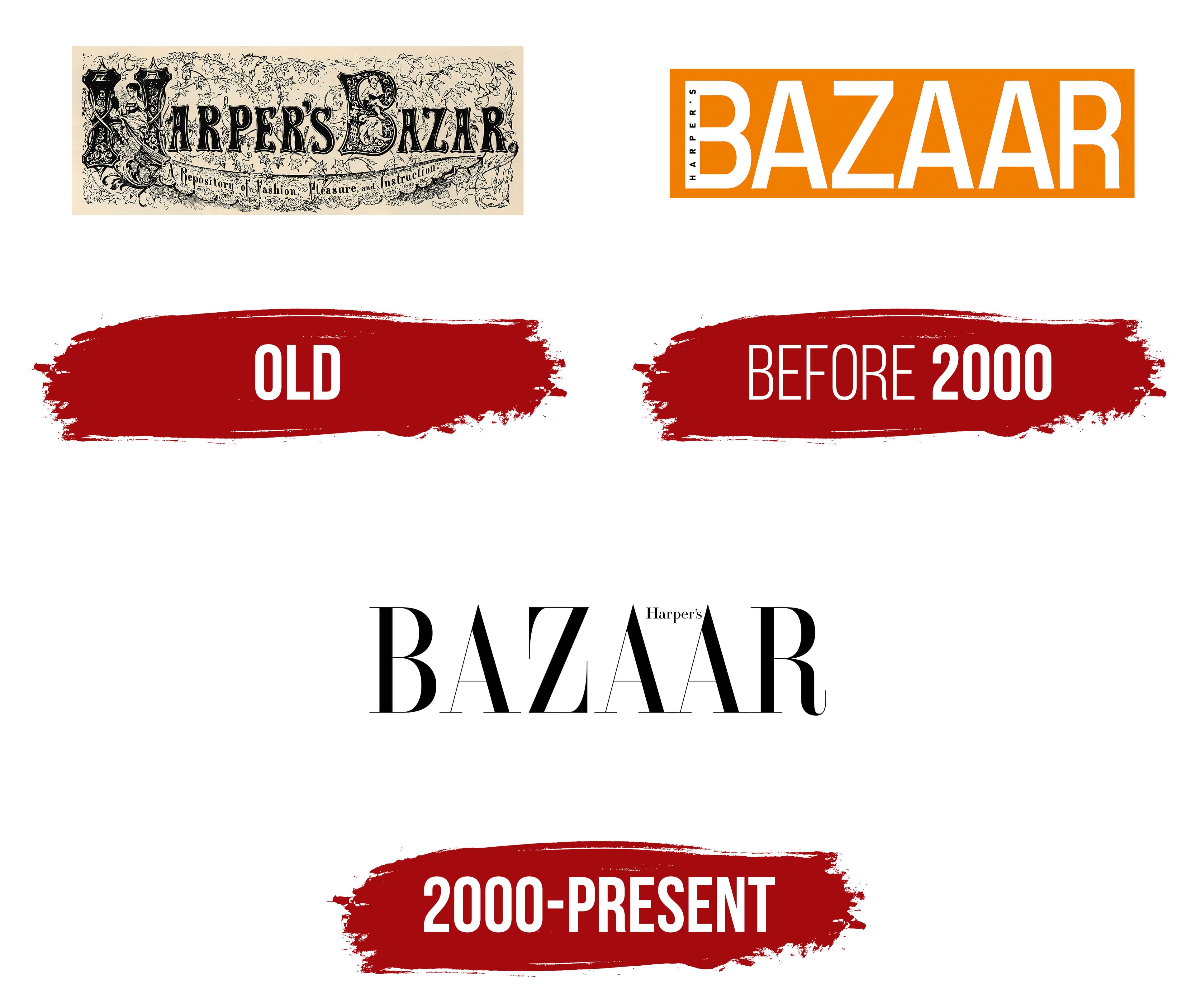
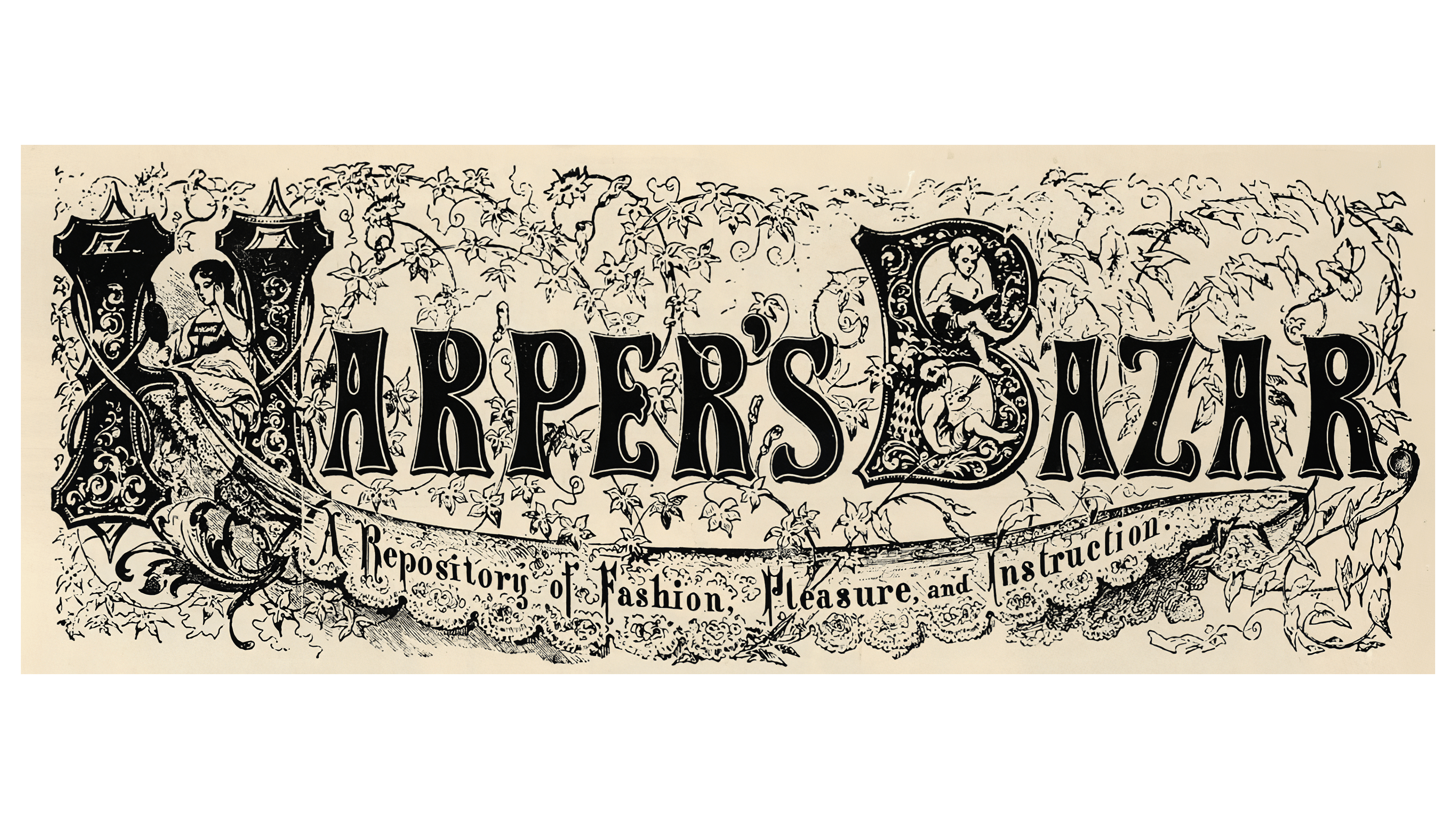
Old
before 2000

2000 – today