


 Les Republicains Logo PNG
The logo of LES RÉPUBLICAINS underscores the party’s direct and uncompromising stance on France’s future. The emblem represents a movement striving for victory and leadership to implement its political agenda.
Les Républicains officially appeared on May 30, 2015, but its roots go back to France’s earlier center-right movements. The party grew out of the Union for a Popular Movement, or UMP, created in 2002 through the merger of several groups, including the neo-Gaullist Rally for the Republic, RPR. UMP was formed to support Jacques Chirac’s presidency and unite the right against the left.
Alain Juppé became the first UMP leader. In 2004, Nicolas Sarkozy took control of the party and used it as the base for his 2007 presidential campaign. After Sarkozy won the presidency, UMP secured a majority in the National Assembly. His defeat in 2012 pushed the party into opposition. It opened a damaging leadership fight between François Fillon and Jean-François Copé.
In 2014, the Bygmalion affair, linked to the financing of Sarkozy’s 2012 campaign, hurt UMP’s reputation. Sarkozy returned later that year, regained the party leadership, and pushed for a rebrand. On May 30, 2015, UMP was renamed Les Républicains, adopting a new identity centered on republican values and a break with past scandals.
In 2016, François Fillon won the party primary for the 2017 presidential election. Still, allegations involving his wife’s employment damaged his campaign, and he finished third in the first round. After weak results in 2017, several members moved toward Emmanuel Macron’s movement. Laurent Wauquiez became leader in December 2017 and shifted the party toward a more conservative line on social issues and immigration. After the poor 2019 European election result of 8.48 percent, he resigned. Christian Jacob took over in October 2019, focusing on party unity, lower taxes, reduced public spending, security, and immigration policy.
Meaning and History
What is Les Républicains?
It is a French political party that represents conservative and right-wing views. Its platform focuses on issues related to the economy, security, immigration, and national identity. The party supports market reforms, tax reductions, and strengthened law enforcement measures. It relies on traditional values and aims to preserve France’s cultural heritage.
2002 – 2015
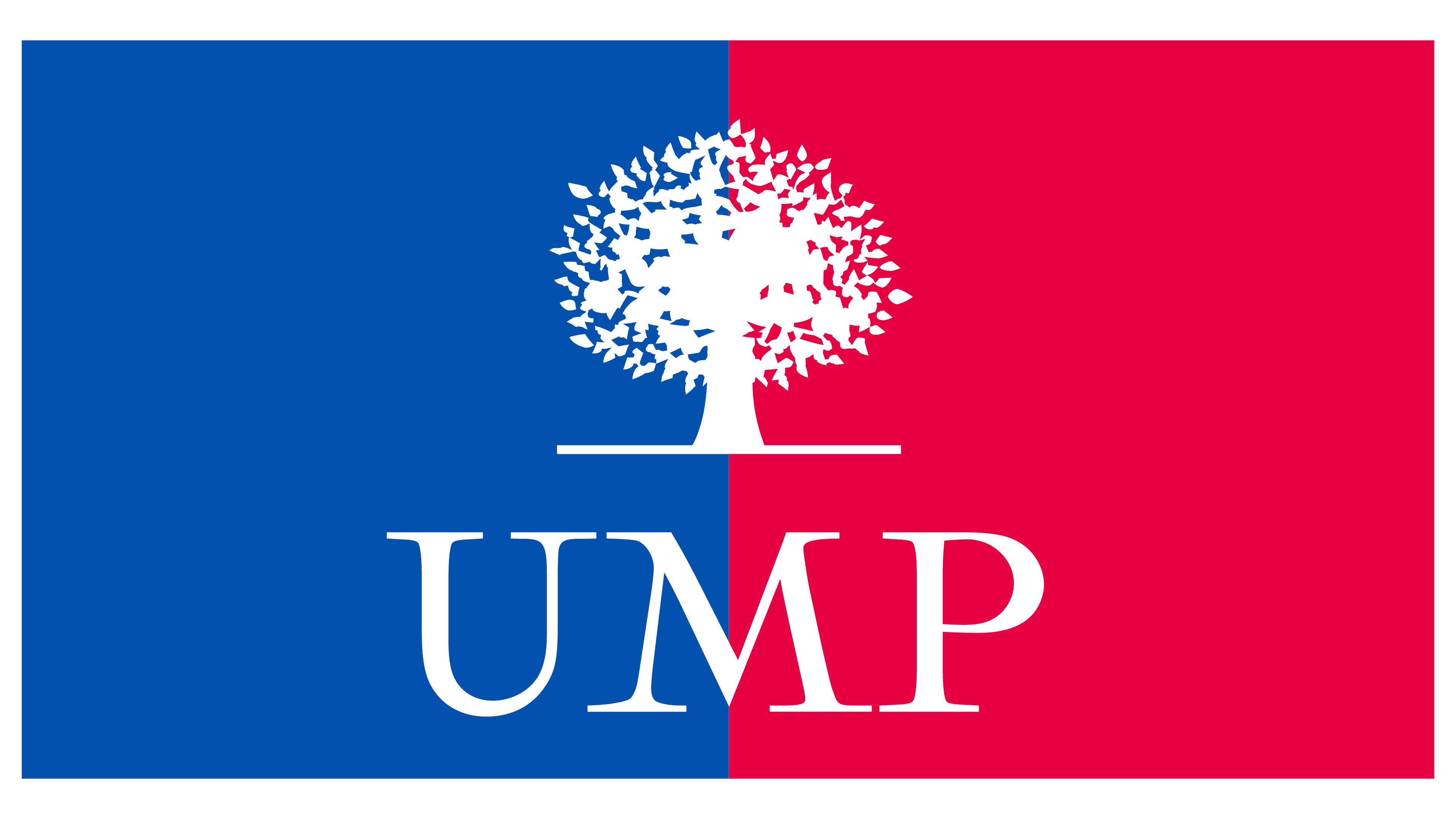
The party’s first logo looks optimistic and shows the flourishing of the French nation as a mighty, living white tree against the background of the national flag.
The symbol repeats the emblem of The Union for a Popular Movement, from which the party emerged through its reorganization. This approach shows that the new political force inherits the UMP’s ideas and views related to Gaullism.
The program is based on the freedom and prosperity of the French nation, sovereignty, and unity. There is a drive to break free from restrictive alliances and neutralize neighboring states’ oppressive influence. The tree in the image is white, emphasizing lightness and freedom. The shade conveys purity, honesty, and nobility.
The dense background colors serve as a protective element. The combination of red and blue highlights a centrist position, uniting different political views around support for France’s prosperity.
2015 – today
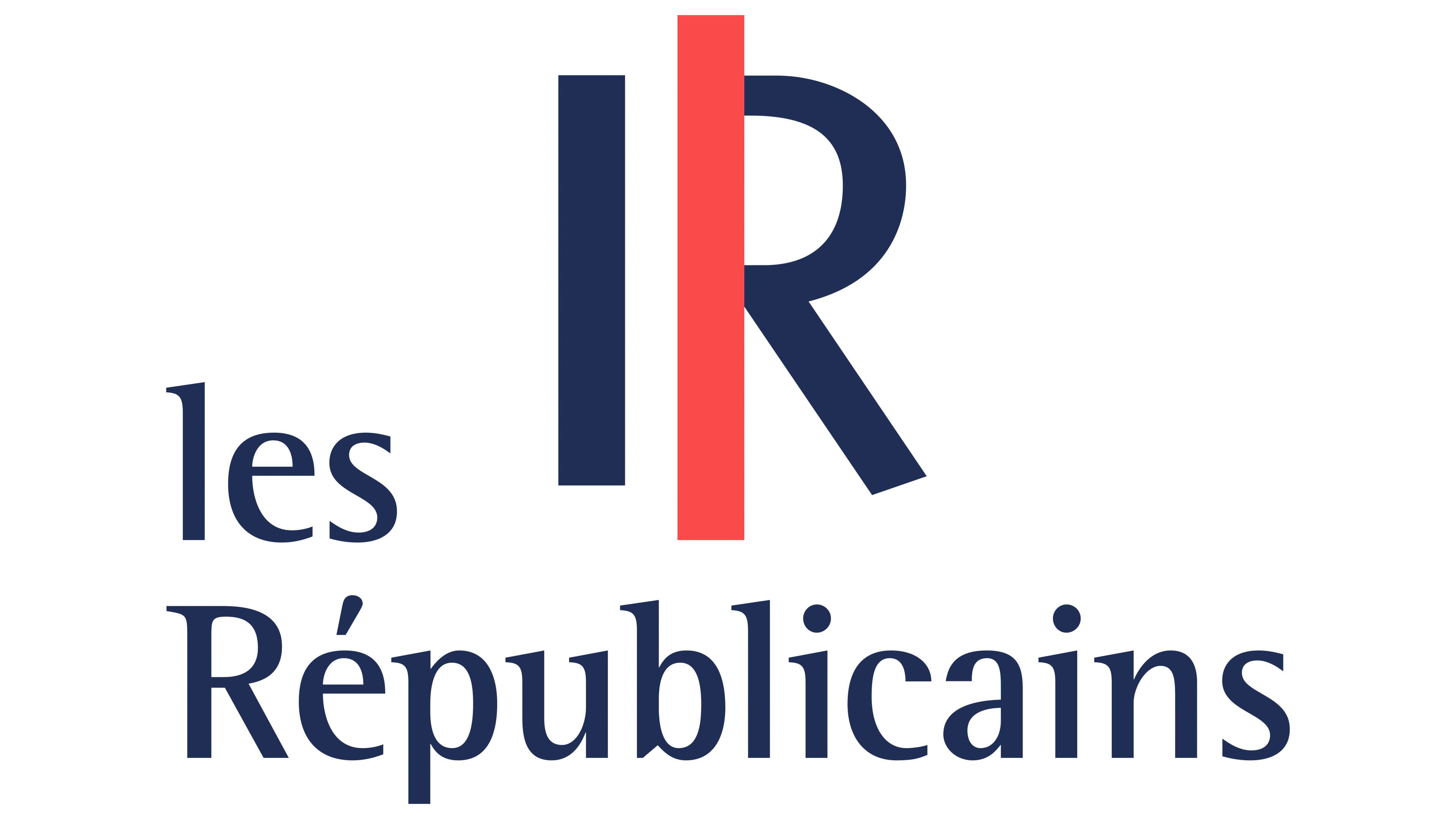
In 2015, the “Les Républicains” party updated its logo to create a more refined and modern image. Significant political changes marked this period as the party sought to unite various ideological strands, such as social Gaullism and right-wing positions. The logo, with its clear lines and symbolism of the French flag, reflects these aspirations and underscores the importance of republican values for all French citizens.
The “Les Républicains” logo features a strict and modern design. At the center are the party’s initials, rendered in straight, even lines. The main symbol, “R,” is in red, which, together with the blue “I” and white space, forms the French flag.
The red “R” symbolizes a new era and the convergence of social Gaullism and right-wing positions. The red line is deliberately extended to stand out in the logo. The blue “I” and white space create the impression of the French flag, highlighting patriotism and loyalty to France’s republican values.
The logo reflects the desire to unite all French citizens who share the values of the French Republic. It symbolizes a new beginning and emphasizes the importance of the historical context and classic ideas that form the movement’s foundation.
The serif font emphasizes the intention to stand out from opponents and adds an element of sophistication and respect for historical traditions. It hints at a rich historical past and classic ideas that have existed for decades.
Red symbolizes energy, passion, and determination. Blue is associated with stability, reliability, and conservatism. White symbolizes purity and transparency.