 Radio Televizija Bijeljina Logo PNG
Radio Televizija Bijeljina Logo consists of a rectangular symbol composed of two distinct segments, one red and one blue. Each of these segments sports rounded edges, contributing to the design’s overall aesthetic appeal. The red portion on the left bears a bold white “B,” while the blue portion on the right features an equally striking white “H”.
What makes this design stand out is its illusion of depth, created by making the rectangles appear to overlap, each partly obscured by the other. This unique attribute enhances the emblem’s visual interest, making it memorable.
In a recent update to this design, a vertical black stripe was added, along with the inscription “HD.” This addition reflects the brand’s commitment to high-definition content and complements the existing logo design, maintaining its bold, modern appeal. The logo signifies the media company’s dedication to quality content, reinforcing its strong brand identity.
RTV BN, or Radio i Televizija BN, is a private media company based in Bijeljina, Bosnia and Herzegovina. Its roots go back to 1993, when the Trisić family registered the trading firm Trisić-promet during the Bosnian War, after the Dayton Agreement established the postwar structure of Bosnia and Herzegovina. Jela Trisić and Vladimir Trisić entered private broadcasting in Republika Srpska.
In 1996, the family founded BN Televizija, and on May 5, 1998, the company was officially registered as VIP Productions. Regular television broadcasting began that same year, making BN one of the country’s early private TV operators. It entered a media market still shaped by state broadcasters, limited regulation, and strong political influence.
BN built its audience through news and current affairs programming, positioning itself as independent of the ruling SNSD and Milorad Dodik. Its main competitors in Republika Srpska included RTRS from Banja Luka, while BHRT in Sarajevo operated at the state level. In 2001, Trisić-promet was renamed Radio i Televizija BN, reflecting the wider radio and television structure.
In 2004, BN launched satellite distribution, reaching viewers across Europe, North America, and Australia, including the Bosnian diaspora. In 2009, VIP Productions was renamed RTV BN. BN Televizija became one of the most-watched channels in Republika Srpska, with Dnevnik 2 leading the prime-time news. The company later developed BN Music, a cable music channel available across the former Yugoslavia, and built a production complex in Bijeljina that employed more than 200 people and included foreign correspondents.
Meaning and History
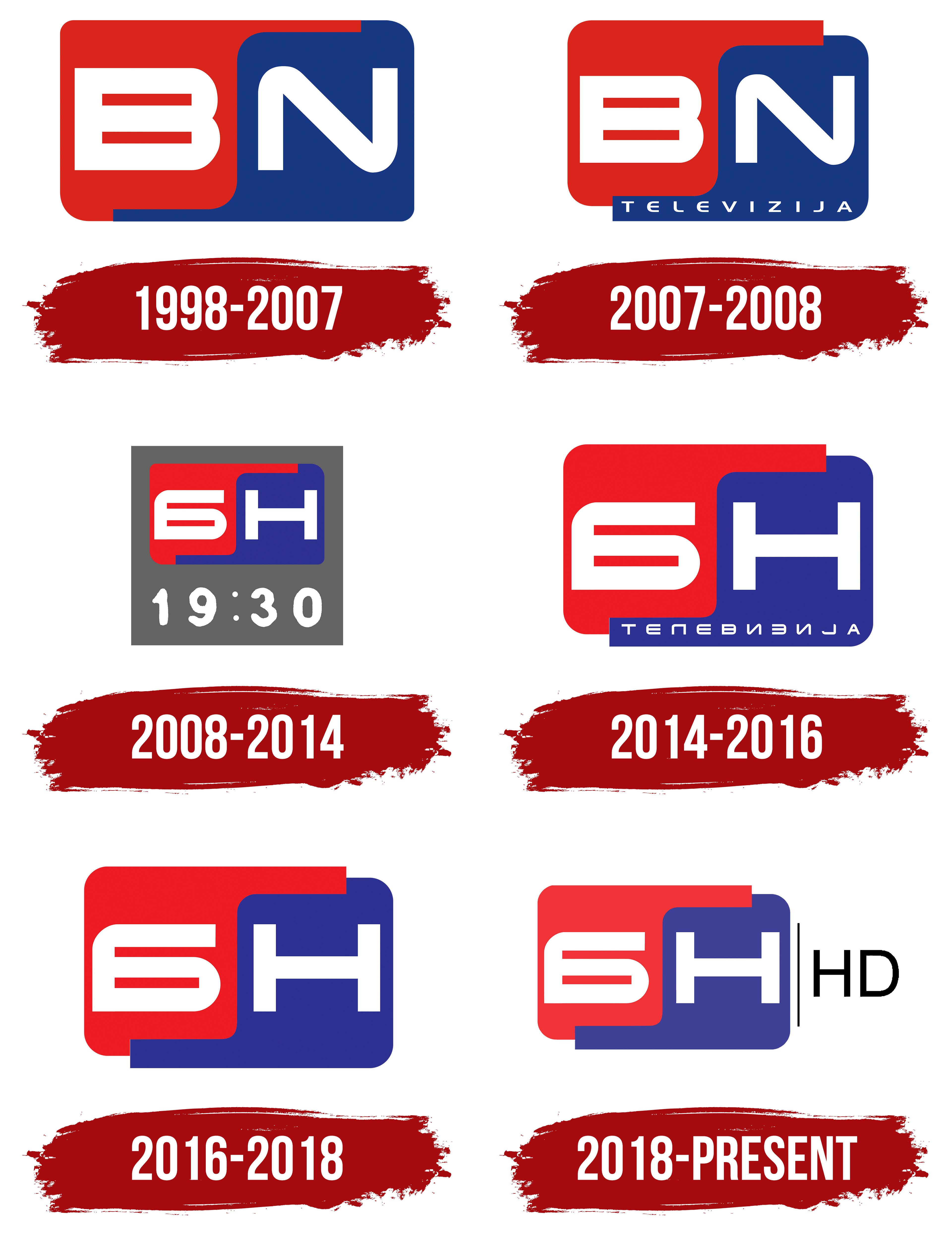
When it comes to brand identity, it projects an image that blends tradition and innovation. It is known for its distinct Bosnian voice, with content that resonates with the region’s people. The brand’s visual representation, too, symbolizes this harmonious blend, with design elements that pay homage to its roots while signaling a forward-looking perspective.
The brand’s ethos goes beyond mere entertainment. It aims to educate, inspire, and foster a sense of community among its viewers. The company strives to offer content that is not only engaging but also thought-provoking and informative, serving as a platform that enriches its audience’s lives.
Its identity stands on the pillars of authenticity, quality, and inclusivity. It aspires to connect, inform, and entertain, reflecting the diverse and dynamic nature of its audience. This dedication to its mission, paired with its distinct visual and content identity, has secured its position as a respected and loved brand in the region.
What is Radio Televizija Bijeljina?
Radio Televizija Bijeljina (RTV Bijeljina) is a broadcast television and radio station established in 1998 and based in Bijeljina, Bosnia and Herzegovina. It provides local news, entertainment, and educational programming to the Bijeljina region. As a significant source of local content, RTV Bijeljina contributes to the area’s cultural and informational landscape, ensuring residents have access to news and community-relevant content. This includes reporting on local events, political developments, cultural activities, and more.
1998 – 2007

2007 – 2008

2008 – 2014

2014 – 2016

2016 – 2018

2018 – today