


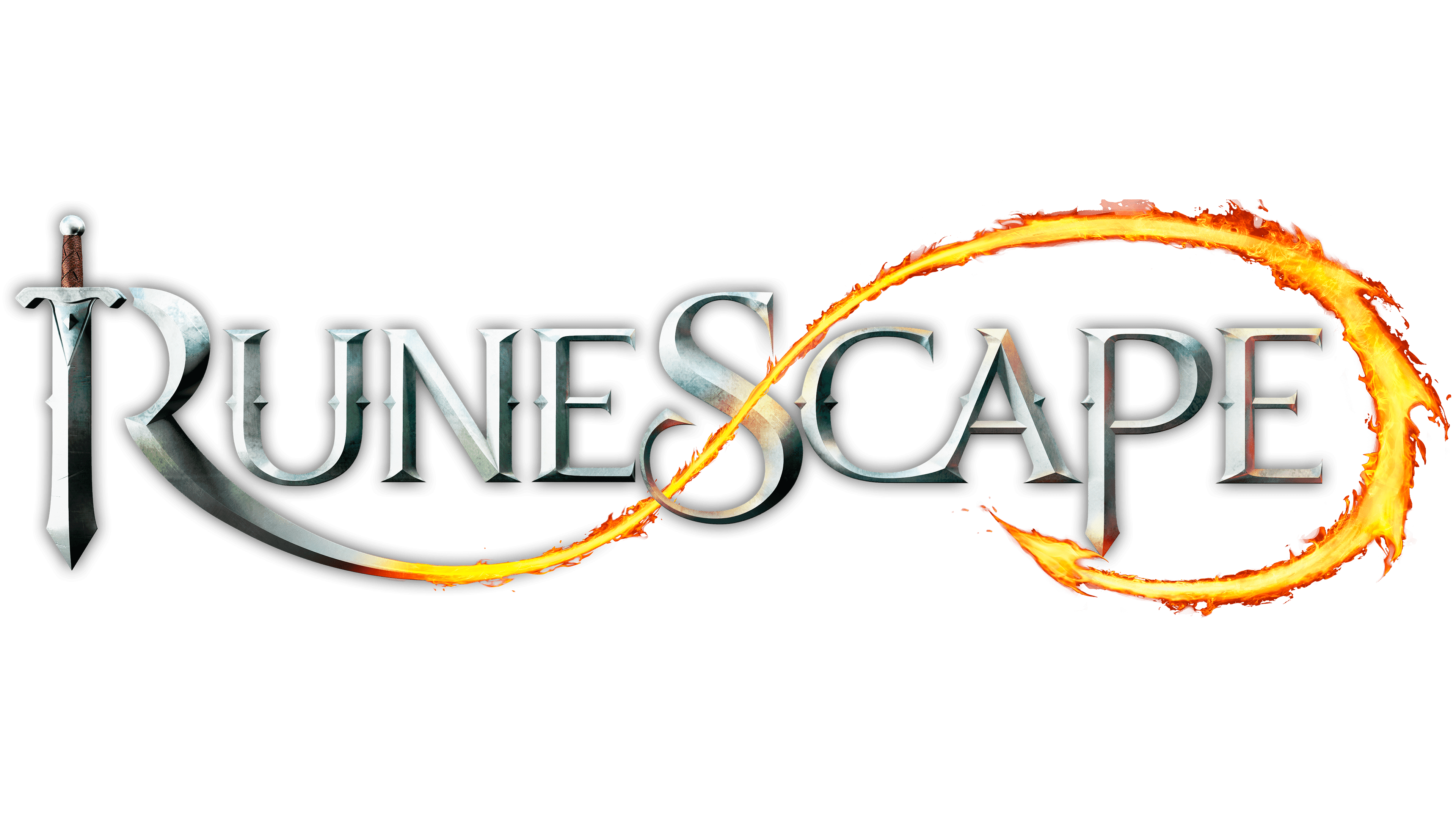
 RuneScape Logo PNG
The RuneScape logo is covered in legend. The emblem evokes brave knights, royal tournaments, and fiery dragons. The sign is ideal for a business card of a fabulous country that unites millions of users.
Andrew Gower began programming at age seven on a Sinclair ZX Spectrum, learning from code books. From 1997 to 1999, he published Java games on Games Domain. Inspired by Ultima Online, he and his brother Paul built DeviousMUD at home in Nottingham. On January 4, 2001, they launched RuneScape in beta. The browser-based Java game offered an open world without a fixed storyline. Within a year, it passed one million registered accounts.
In December 2001, the Gower brothers and Constant Tedder founded Jagex Limited. After the dot-com crash, rising costs led them to adopt a subscription model. On February 27, 2002, the paid version launched for £3.20 per month. RuneScape 2 entered closed beta on December 1, 2003, and launched in March 2004 with a new 3D engine. The original version became RuneScape Classic. In October 2005, Insight Venture Partners invested.
By May 4, 2007, the game had over 9 million free players and more than 1 million subscribers. Guinness World Records named it the largest and most frequently updated free MMORPG. Competing titles such as World of Warcraft by Blizzard and EverQuest by Sony Online Entertainment required clients to be installed, while RuneScape ran in a browser.
In November 2012, the Evolution of Combat update changed core mechanics and faced backlash. After a community vote, Old School RuneScape launched on February 22, 2013, based on the 2007 version. RuneScape 3 followed in July 2013. Jagex replaced the browser client in 2016. Old School RuneScape launched on iOS and Android in October 2018. Jagex was acquired by Hongtou in 2016 and by Macarthur Fortune Holding in April 2020 for $ 530 million.
Meaning and History

The game’s essence is to develop your character, complete tasks, and earn rewards. Quests are available in six difficulty levels: the simplest is for beginners, and the most difficult are available only in Pay-to-Play mode. RuneScape also has two versions: paid and demo. They share a common virtual world and differ only in what gamers can do.
They also have one emblem. It has evolved alongside the game, transitioning from classic old-school design to modern computer graphics.
What is RuneScape?
RuneScape is one of the first browser-based MMORPGs. The British company Jagex Limited developed the video game in 2001. The game allows users to choose their own tasks, such as completing quests, battling other players, fighting monsters, creating guilds, or learning new skills. All of this takes place in an interactive world filled with various locations, including islands, deserts, mountains, forests, and cities.
1998 – 2001
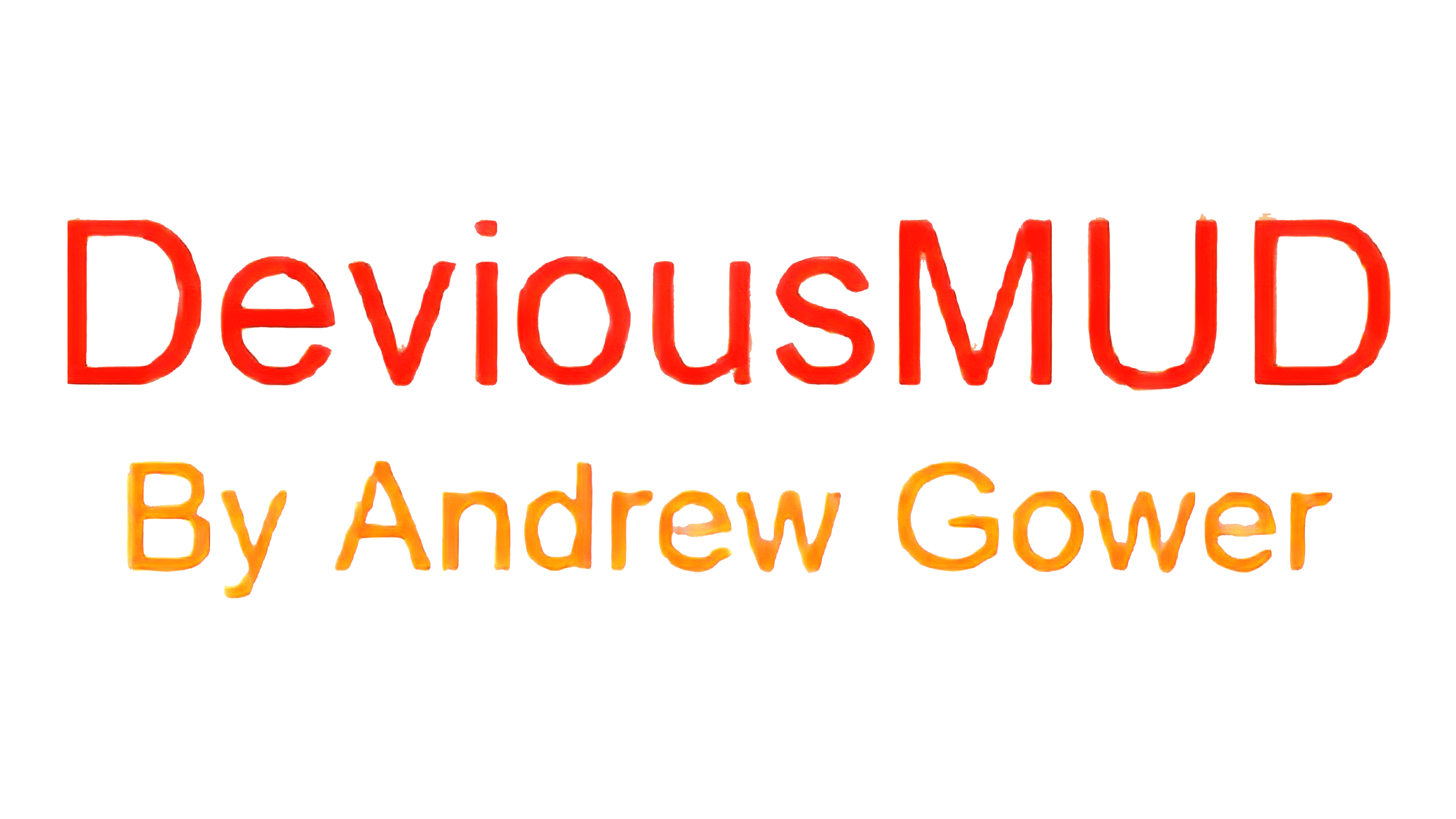
The Devious Multi-User Dungeon is considered RuneScape’s predecessor. Released in 1998, this video game was not very popular: no more than 20 people tried it. Only a few screenshots, a logo with a short name (“DeviousMUD”), and a developer (“By Andrew Gower”) remain in her memory. The first line was red and the second orange.
2001 – 2008
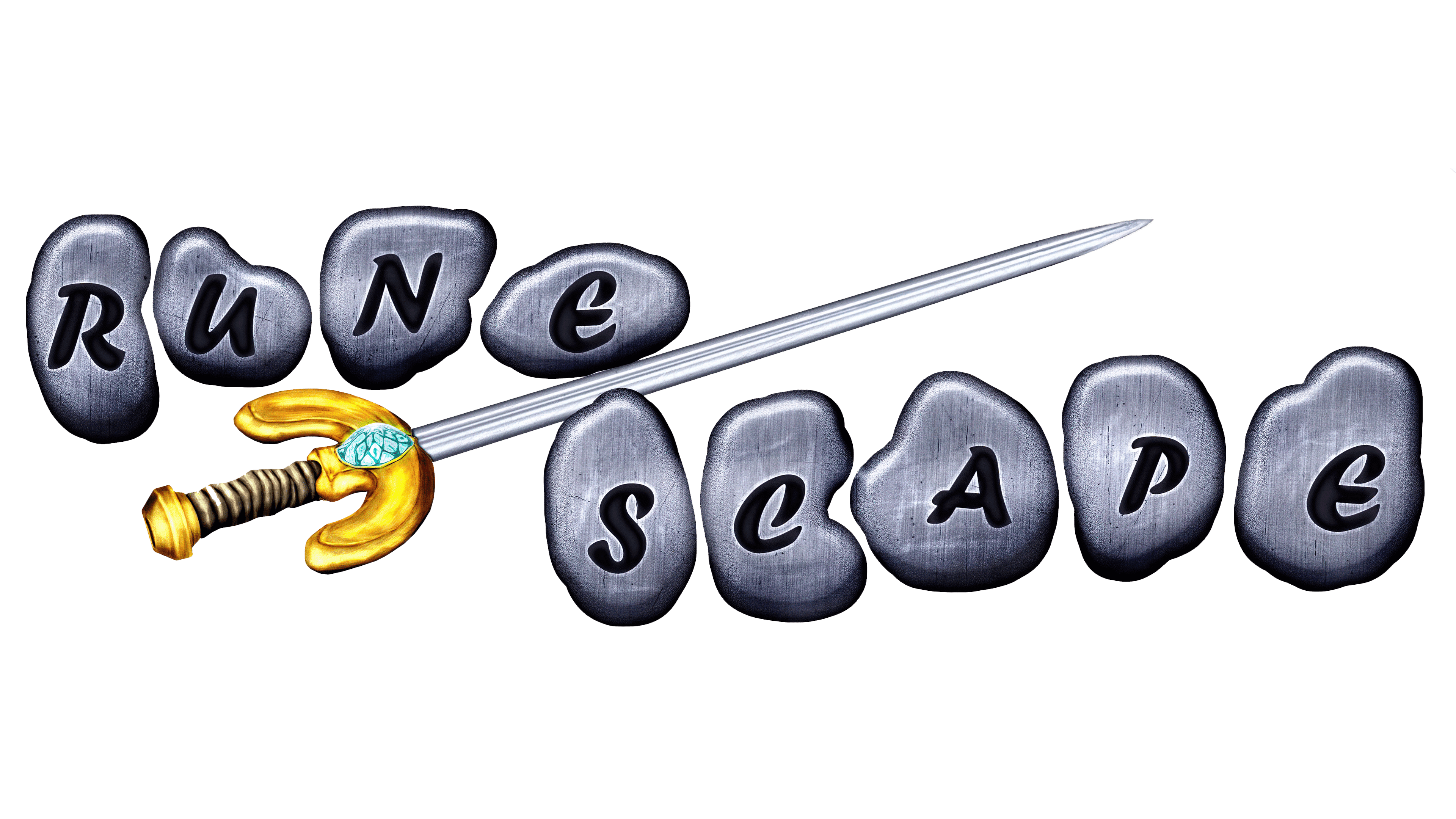
In 2001, Jagex released a pilot version of RuneScape. The online game logo consisted of nine gray runes of various shapes. The number matched the letters in the MMORPG’s name because the symbols ran across the stones from the first “R” to the last “E.” The runes were laid out in two short chains separated by a sword with a large golden hilt.
2008 – 2011
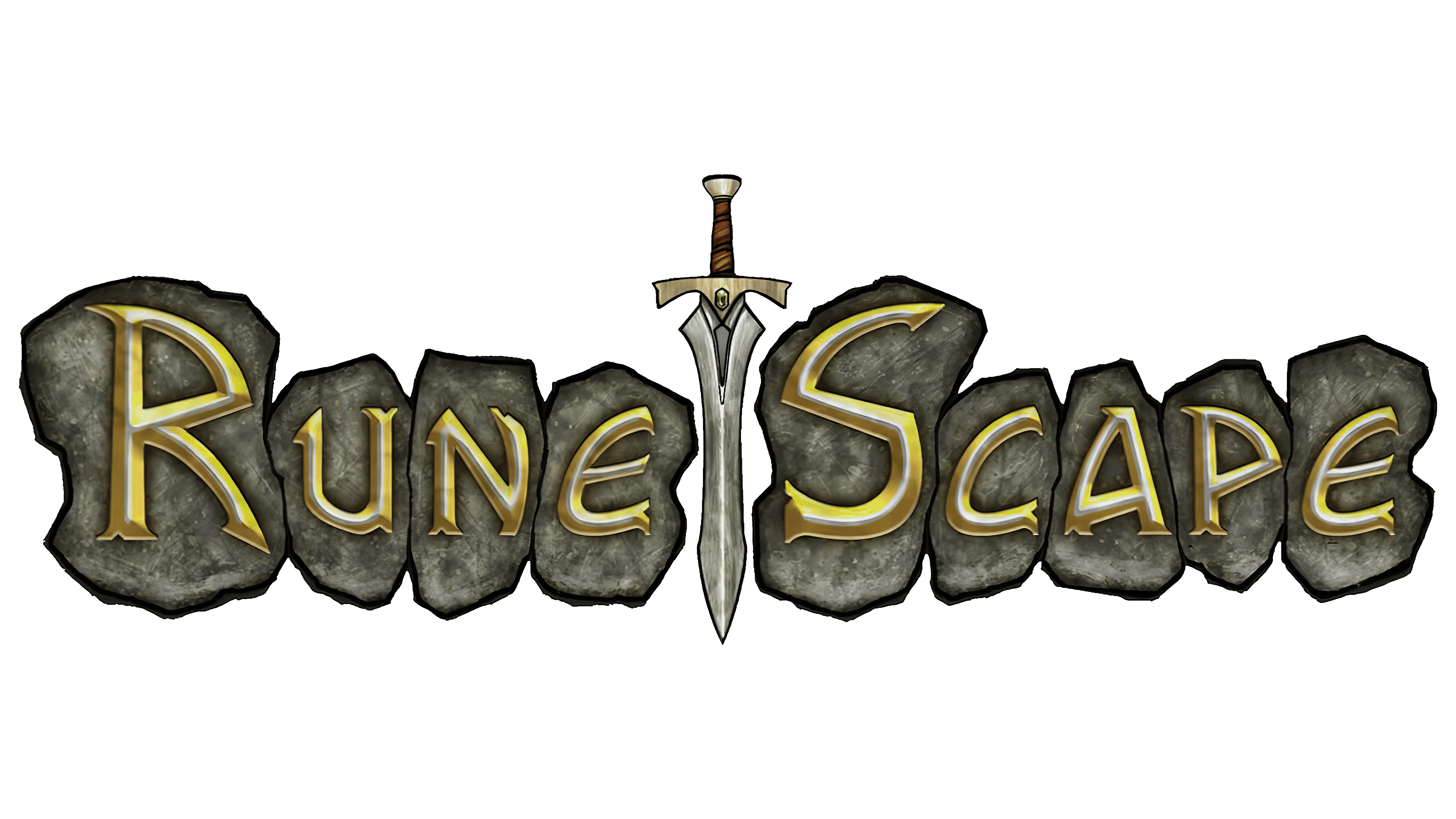
After the next update, the game acquired an emblem with an enlarged inscription. The runes are now brown and aligned, and the sword points downward and sits exactly halfway between RUNE and SCAPE.
2011 – 2013
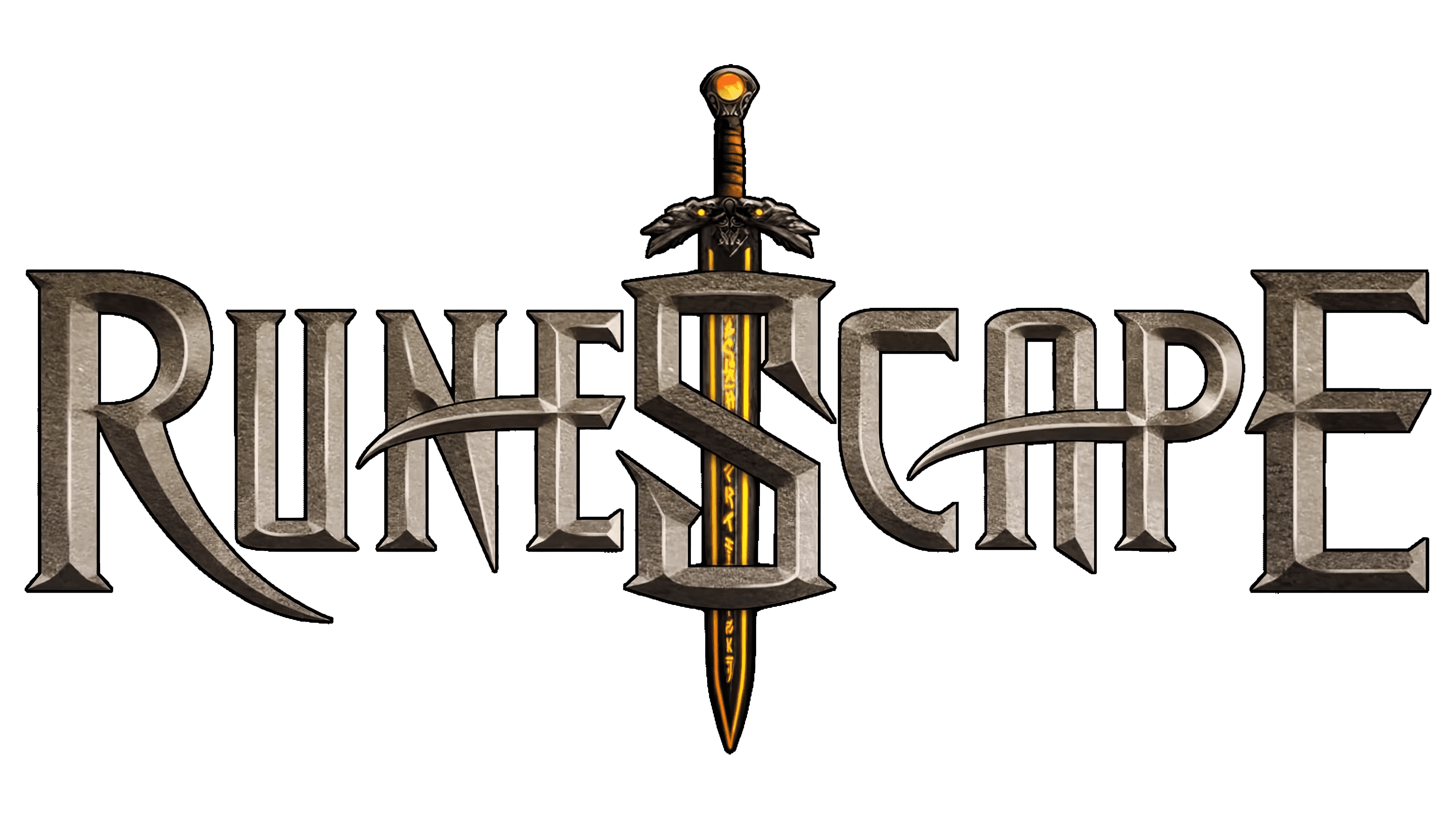
In 2011, Jagex launched a new official RuneScape website and changed the MMORPG logo. In this version, the runes disappeared, and the inscription began to look as if each letter was forged from iron. To enhance the effect, the designers used a gradient and shadows. The sword remains in its original place, and the “S” moves slightly left and resembles a scabbard.
2013 – today
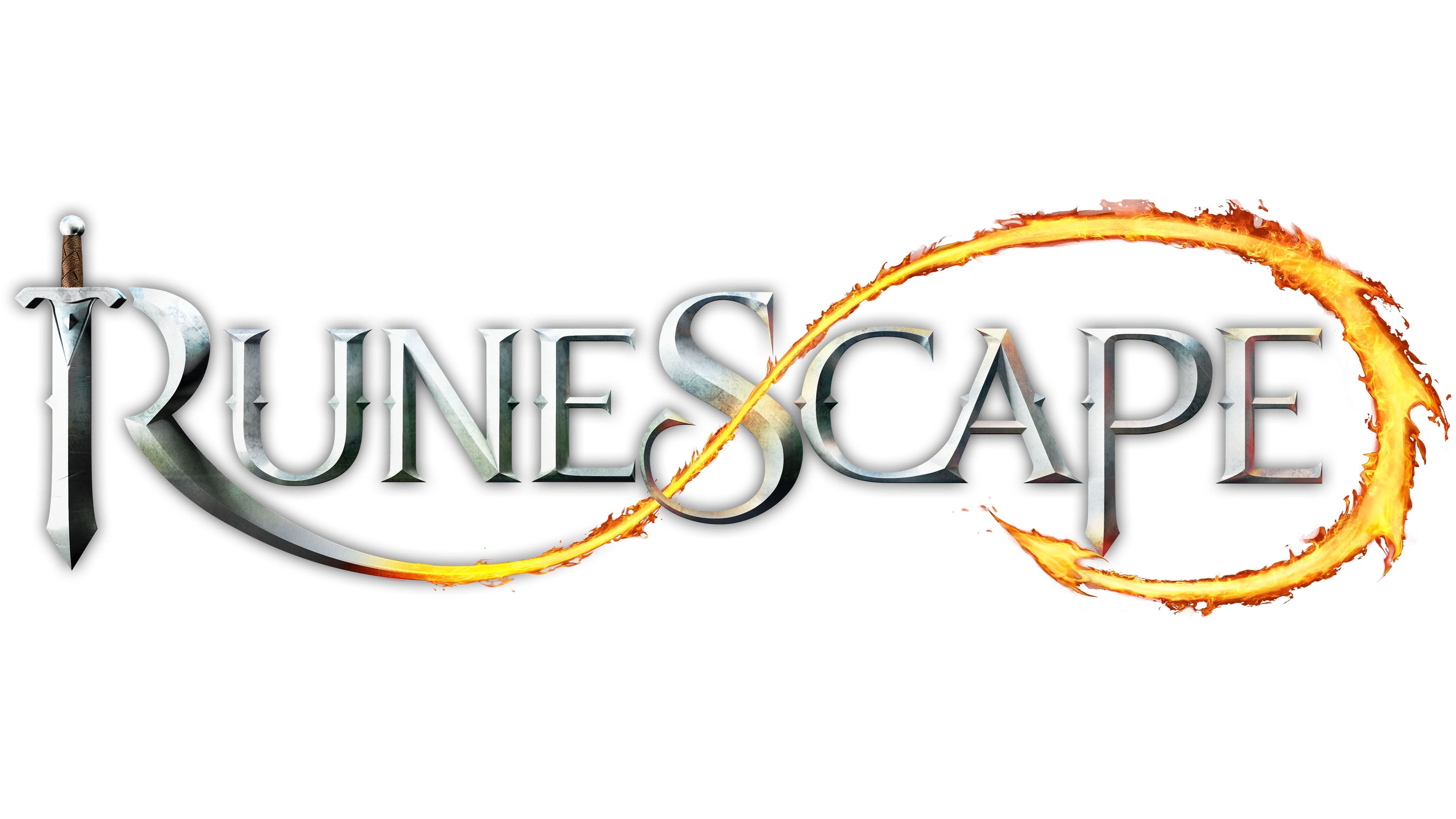
In 2013, Lee Maplesden, who worked on the RuneScape identity for ten years, undertook another redesign. He kept the medieval fiction style but made the inscription smoother and cleaner, while also adding some interesting elements. The sword now connects to the vertical stroke of the letter “R,” and through the “S,” a long fire strip forms a dragon’s tail. This line looks like an unfinished infinity sign and hints at the legendary MMORPG’s longevity.
Also, Lee Maplesden came up with the concept for an animated version of the logo. The tail moves and blazes with orange flame, and the sword falls from above and stops at the beginning of the inscription.
Font and Colors
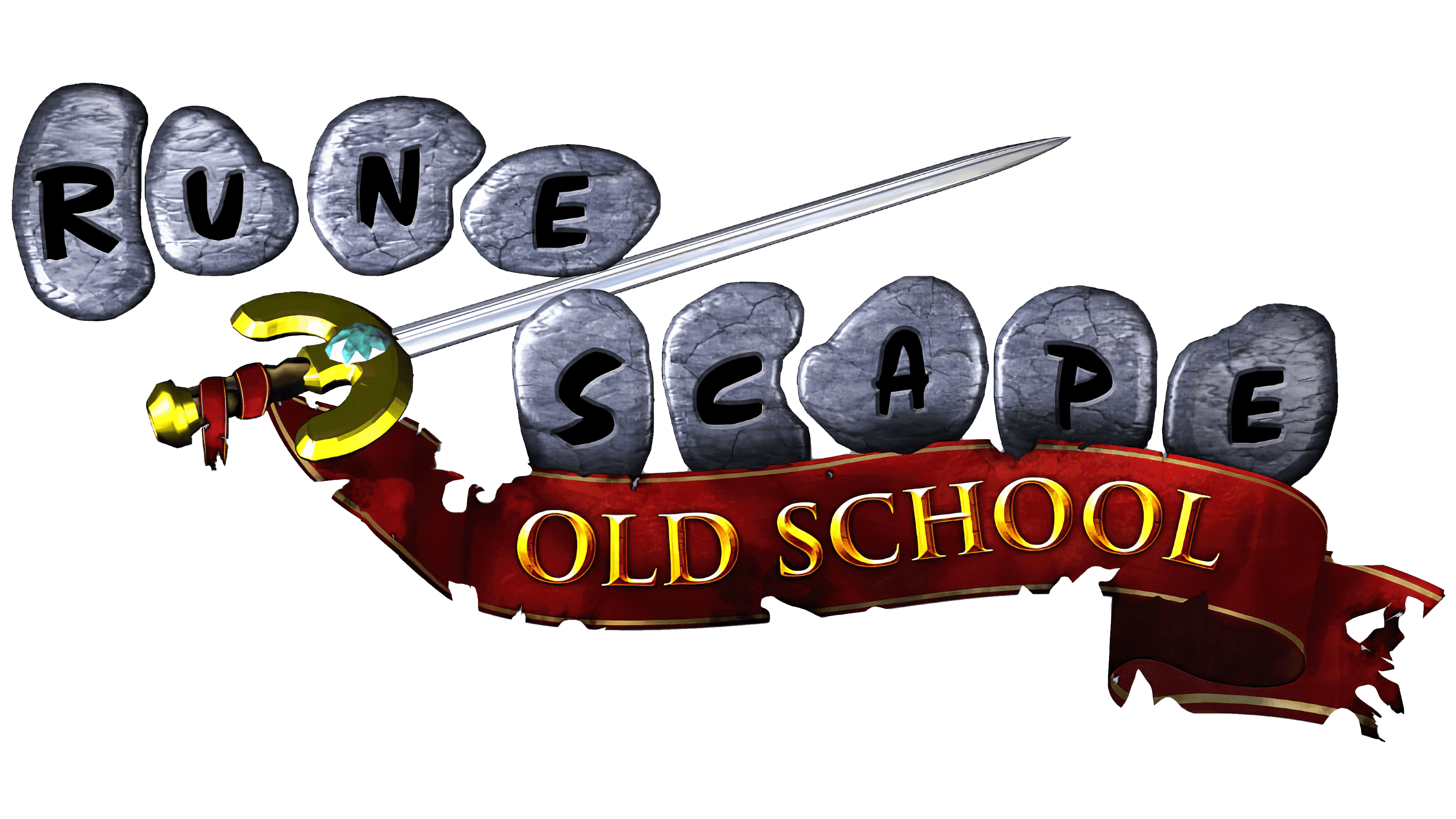
All RuneScape emblems, old and new, have one thing in common: the sword. This is an important part of the game and is required to survive in a fictional world. Previously, melee weapons were separate from the word, even when they were combined with “S.” In the current version, it is embedded in the letter “R” and is perceived as an irreplaceable part of the text.
Lee Maplesden, former art director of Jagex, developed the logo lettering. He cleaned up the lettering by shortening the serifs and removing excess protruding lines. The designer didn’t use standard fonts: each letter was created with attention to detail, so the game’s name looks like a work of art.
The mix of white, gray, and silver shades makes the word look metallic. Distinct shadows and highlights create a 3D effect. The only bright spot (or rather, a stripe) is the dragon’s yellow-orange tail.