 Telenor Logo PNG
Telenor Logo, created by Keshen Teo of Wolff Olins in London, represents a notable departure from its predecessor. Its more abstract design features a rounded, flowing shape, seemingly inspired by the industry’s dynamism and continuous innovation.
The emblem’s flowing shape symbolizes the seamless connectivity and ongoing evolution inherent in the field of telecommunications. This dynamic design could also represent the company’s flexibility and adaptability, mirroring its commitment to staying at the forefront of technological advancements and meeting the ever-changing needs of its customers.
Additionally, the logo’s roundness might convey completeness, unity, and inclusivity, reflecting Telenor’s comprehensive approach to telecommunications and its mission to connect people across regions and communities. Overall, the abstract nature of the logo allows for various interpretations, underscoring the company’s broad reach and diverse offerings.
Telenor traces its roots to 1855, when the Norwegian government founded Telegrafverket to build the country’s national telegraph network. Over the following decades, the agency expanded from telegraph lines into telephone infrastructure, connecting cities and remote areas across Norway’s mountains and long coastline. In 1969, it was renamed Televerket, reflecting a wider role in modern telecommunications.
During the 1970s and 1980s, Televerket modernized its networks and prepared for mobile communication. Norway joined Sweden, Denmark, and Finland in developing the Nordic Mobile Telephone standard, or NMT, launched in 1981. In 1994, Televerket became Telenor AS, a state-owned limited company, as European telecom markets moved toward liberalization and commercial competition.
Competition in Norway opened fully in 1998. Telenor then faced rivals such as NetCom, a Tele2 subsidiary, as it sought growth abroad. In December 2000, the company listed on the Oslo Stock Exchange in one of Norway’s largest IPOs, although the state kept control. The listing gave Telenor access to capital for expansion outside its home market.
Telenor’s international growth began with stakes in Kyivstar in Ukraine. It later moved into Asia, including Pakistan, Bangladesh, Thailand, Malaysia, and India. It invested in Paktel (later Telenor Pakistan) and in Grameenphone in Bangladesh. In 2007 and 2008, the company faced a major shareholder conflict with Alfa Group over VimpelCom, which later led to a gradual exit from Russian assets. In Asia, Telenor continued to compete with Axiata and Bharti Airtel.
Meaning and History

Telenor’s brand identity is a blend of simplicity and strength. The logo, a blue sphere symbolizing the world, accompanied by the brand name, reflects Telenor’s global reach and aspirations. The choice of blue signifies trust, depth, and stability, attributes closely associated with this Norwegian telecom giant.
Telenor’s tagline, “Connect to what matters most,” encapsulates its mission to empower societies and enable customers to stay connected with what matters most to them. It emphasizes the company’s role as a facilitator of communication and connectivity in an increasingly digital world.
Overall, Telenor’s robust brand identity and its dedication to bringing people closer together continue to strengthen its status as a leading player in the global telecommunications arena.
What is Telenor?
Telenor is a multinational telecommunications company based in Fornebu, Norway, founded in 1855. Initially a state-operated monopoly, it has since grown into one of the world’s largest mobile telecommunications companies with operations in Scandinavia, Eastern Europe, and Asia. Its services include fixed-line, mobile, and broadband telephony, as well as cable television. With a commitment to improving communication and internet access worldwide, Telenor has played a crucial role in the development and proliferation of digital communication services.
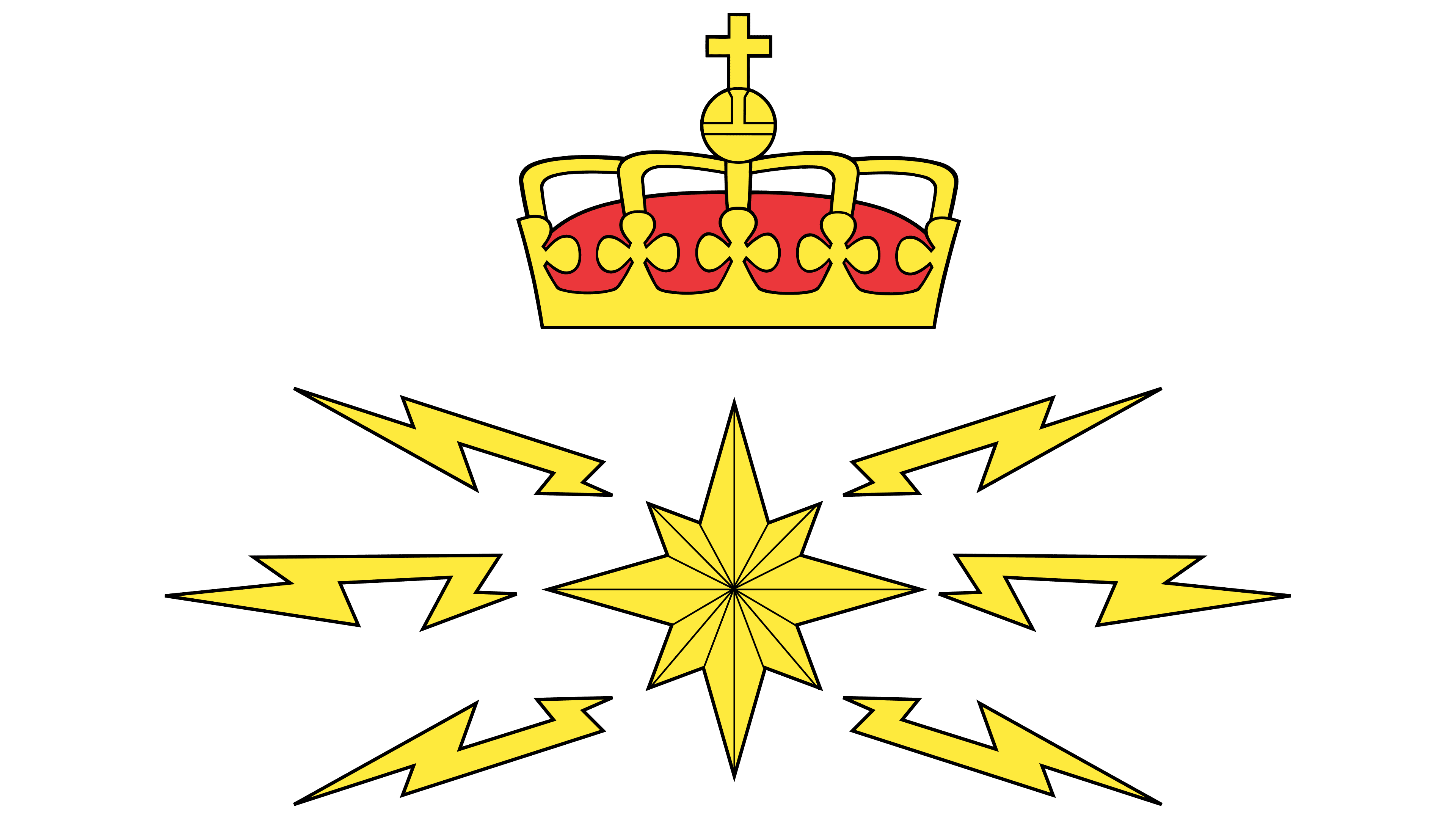
1933 – 1969
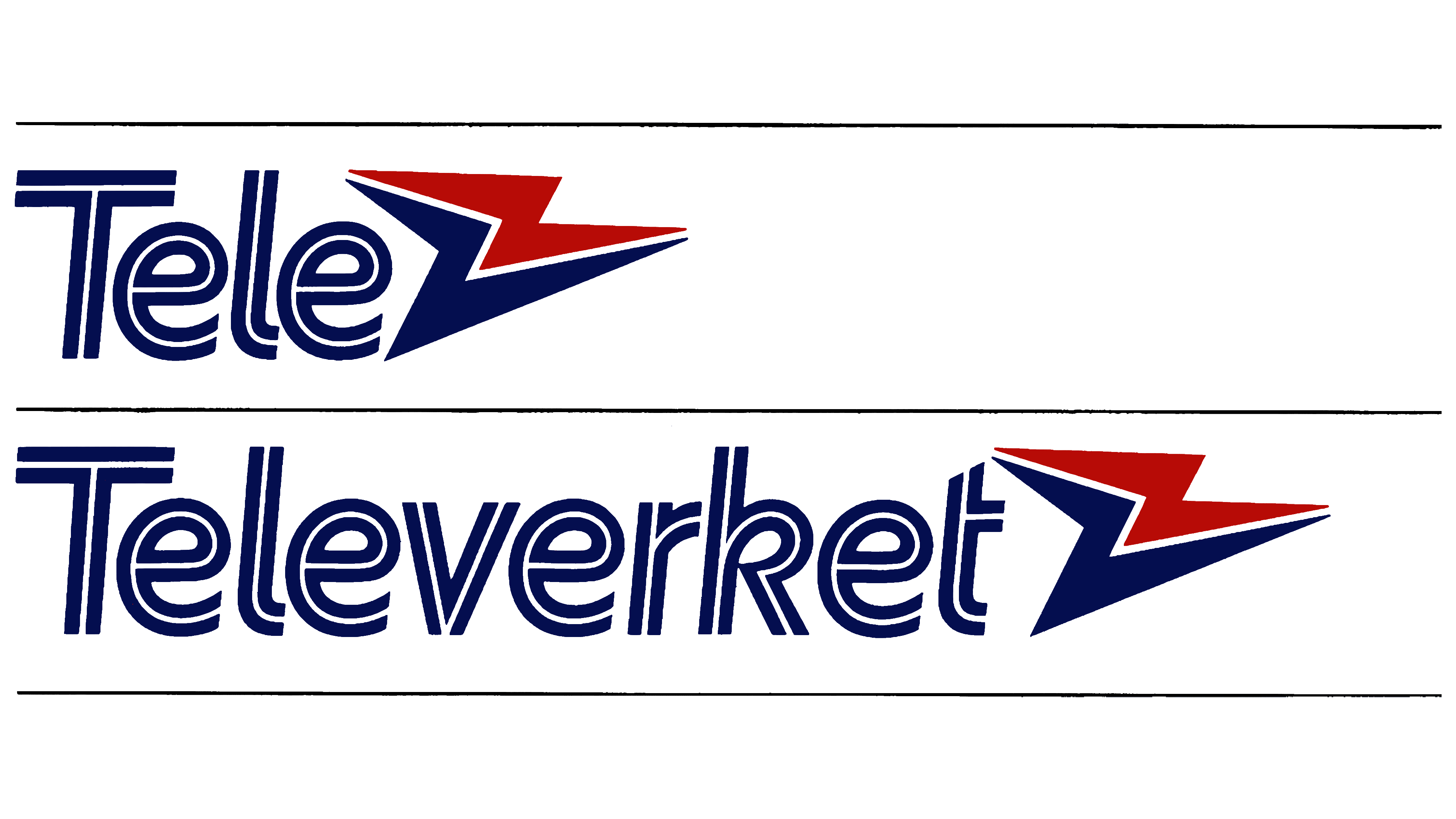
1969 – 1994
1995 – 2001
2001 – 2006
2006 – today