 The Village Logo PNG
The Village Logo, at first glance, may seem straightforward, but it subtly uses typography as artistic expression. Set against a clean, white background, the black wordmark stands out, embodying a modern aura through its color minimalism.
In the emblem, the designers experiment with type as image, crafting a bold visual language unique to the logo. The primary font, a no-nonsense sans-serif typeface, is paired with two specially designed letters, “I” and “E.” These unique iterations inject a sense of playfulness while maintaining an air of authority.
The “E” boasts an elongated tip that culminates in a point, resembling a smile, while the “I” stands in italics, breaking the stern lines of “V” and “L.” These small yet significant touches create a dynamic interplay between the letters, bringing a touch of whimsy to an otherwise austere design.
The elegance and simplicity of this emblem suggest a brand that is both contemporary and forward-thinking. Its boldness reflects the brand’s confidence. At the same time, its playful elements could suggest a company that doesn’t take itself too seriously, hinting at a welcoming, relatable approach to its audience.
The Village launched in April 2010 as a project of Look At Media, the company behind Look At Me. Its founders, Alexey Ametov and Vasily Esmanov, had worked in traditional media before founding their own urban, culture-focused publishing group. After a failed attempt to buy Bolshoi Gorod from Afisha, they created a separate city publication.
The first editorial office was a single room in a two-floor apartment on Novy Arbat. Sergey Poydo became the first editor-in-chief. The Village was planned as an urban newspaper about real people, places, and initiatives in Moscow, rather than a standard news feed or a guide to restaurants and events.
One early turning point came in March 2010, after the Moscow Metro bombings at Lubyanka and Park Kultury. The Village ran one of the first live text broadcasts in Russian online media, collecting updates from different sources. In its first months, the site reached about 20,000 to 30,000 unique visitors a day. In 2011 and 2012, coverage of the Bolotnaya Square protests widened its audience.
The team grew from five people in 2011 to twenty by 2014. In 2013, the publication interviewed Moscow mayor Sergey Sobyanin. Look At Media later launched Furfur, Hopes&Fears, and Wonderzine, while The Village sold regional franchises from 2016. By 2019, after Look At Media became Redefine, the site had about 4.8-5.4 million monthly users. On March 2, 2022, Roskomnadzor blocked The Village, and in April 2023 its publications stopped.
Meaning and History
The Village’s brand identity is modern, dynamic, and connected. The logo, with the name spelled out in a clean, contemporary typeface, is as straightforward and engaging as the stories it shares. The black-and-white color scheme used in the logo and across its digital platforms underscores its commitment to delivering clear, unbiased news and features.
The tagline “Life as it is” encapsulates the brand’s ethos. It underscores its commitment to authenticity, providing a truthful and thorough depiction of urban life in all its complexities. This devotion to presenting unfiltered, genuine content resonates strongly with readers, amplifying its relevance and appeal.
The Village emblem is a testament to authenticity, dynamism, and unwavering dedication to showcasing the true essence of city living.
What is The Village?
The Village is a Russian urban digital publication established in 2010. It provides localized content across multiple Russian cities, covering topics such as local news, lifestyle, cultural events, reviews, and listings of restaurants, shops, and entertainment. The publication is known for its community-focused approach, engaging city residents in dialogue about urban life and development. The Village has become a popular source of information and a platform for discussing city life and local issues in Russia.
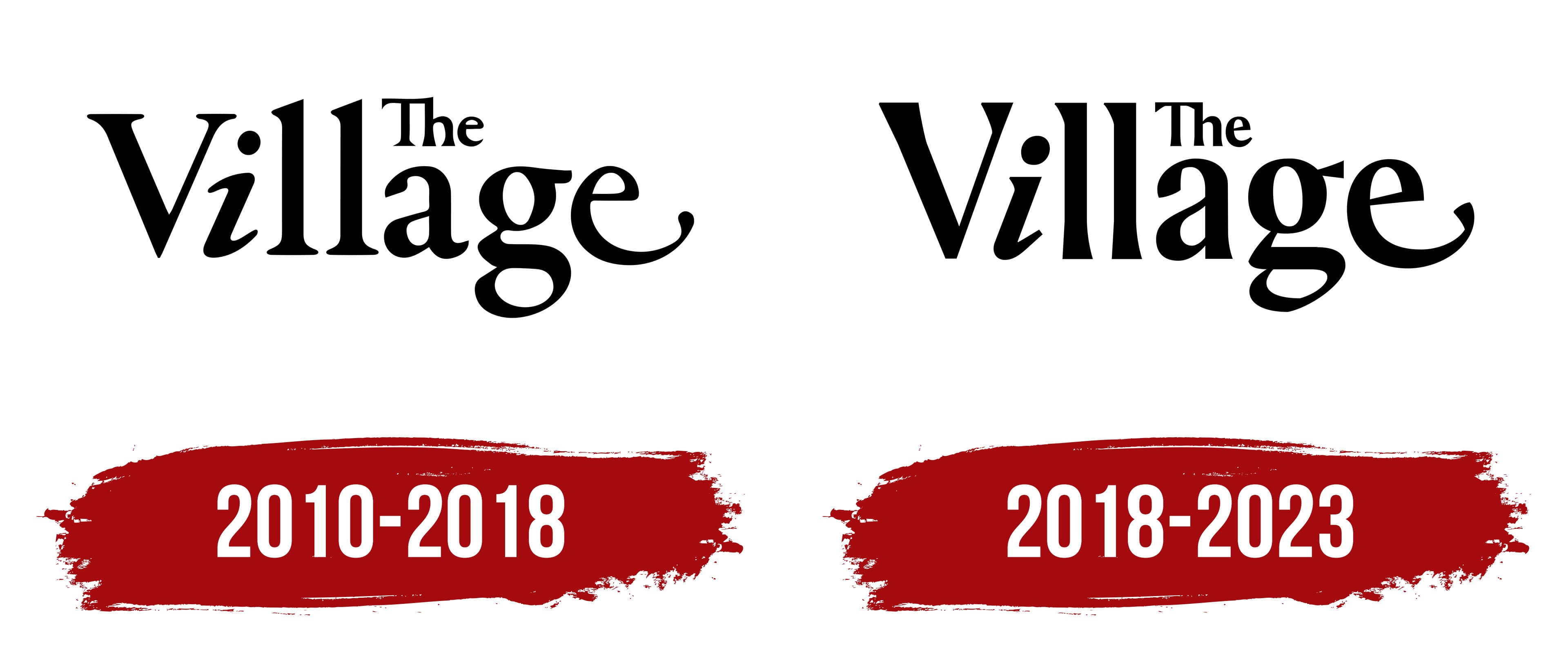
2010 – 2018
2018 – 2023