


 Twitter Logo PNG
The microblog’s concise, recognizable visual reflects its function: the Twitter logo. The bluebird symbolizes the sound of tweeting when you say its name, the joy of free, unrestricted communication, and the speed of its transmission.
Twitter’s history begins in 2006 at Odeo, a podcasting startup. After Apple added podcasts to iTunes, the team brainstormed new ideas during an internal hackathon. Jack Dorsey proposed a service for short status updates, limited to 140 characters, modeled on SMS. On March 21, 2006, he posted the first message on the early version called twttr.
In July 2006, the platform launched publicly as a separate company after Evan Williams bought out Odeo. In March 2007, Twitter was presented at SXSW, where daily messages jumped from 20,000 to 60,000. By 2008, Dorsey stepped down as CEO and was replaced by Williams, then by Dick Costolo in 2010, reflecting internal disagreements over strategy.
In 2009, Twitter gained attention during real-time events such as the US Airways Hudson River landing and protests in Iran, becoming a key source of information. By 2010, the platform reached about 100 million users and introduced geolocation and interface updates. In 2011, Promoted Tweets became the core advertising model.
In 2013, Twitter went public on the New York Stock Exchange at $26 per share, rising to $45 on the first day and valuing the company at nearly $25 billion, following Facebook’s path. In 2015, Dorsey returned as CEO while also serving as Square’s CEO. In 2017, the character limit increased to 280.
In October 2022, Elon Musk acquired Twitter for $44 billion after a series of legal disputes. He removed top management, cut about 3,000 jobs, and in July 2023 rebranded the platform as X, aiming to build an app similar to WeChat.
Meaning and History
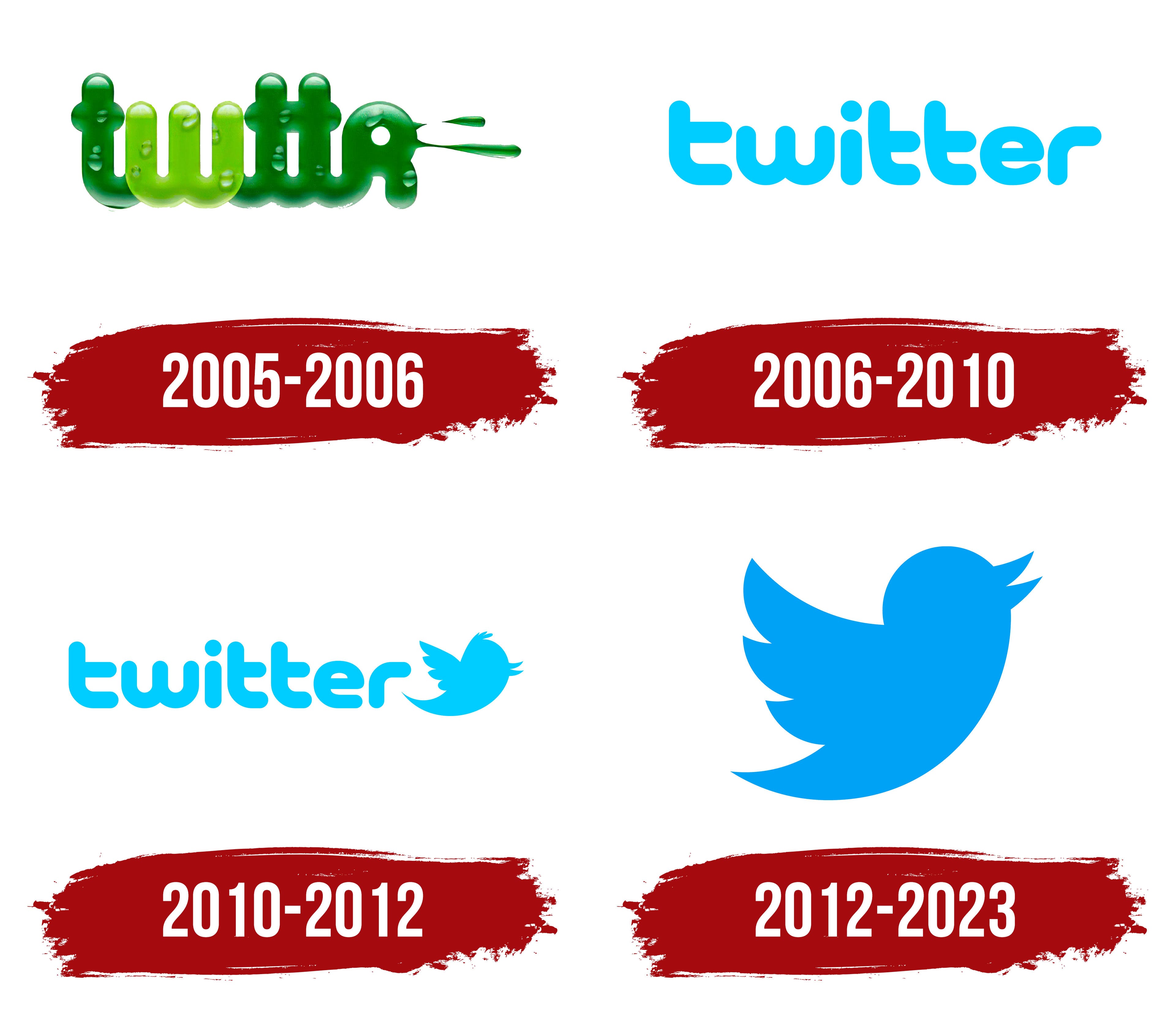
Twitter is known not only for its unusual format but also for its distinctive bluebird logo. However, it adopted this symbol only in 2012. Until then, the service had other, no less popular icons.
What is Twitter?
It is a social network owned by the American corporation Twitter, Inc. It allows users to publish short text, audio, and video messages called tweets. The platform’s concept emerged in 2006, and its prototype was presented then. A year later, the small startup became the foundation for an entire company.
2005 – 2006
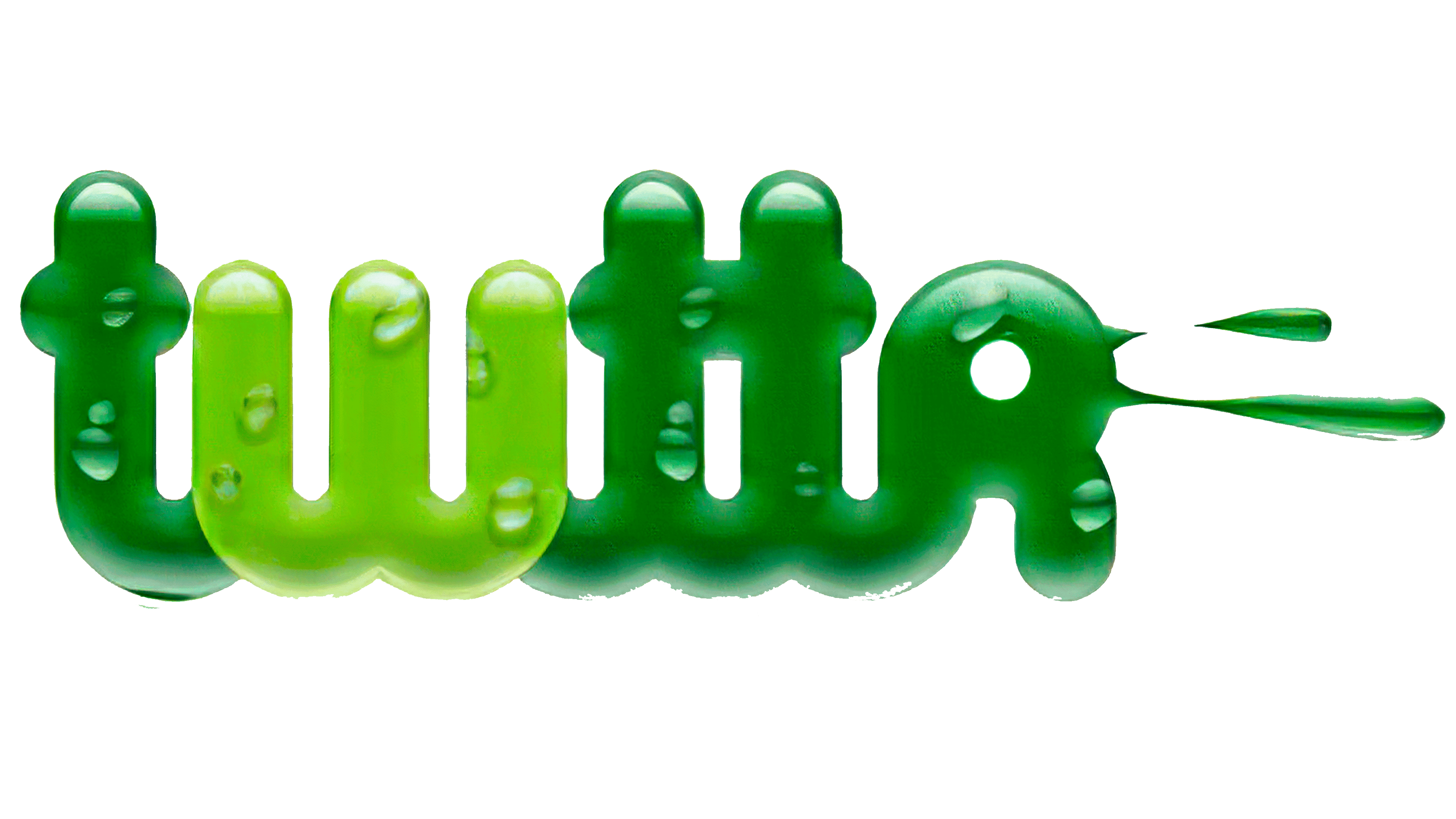
Initially, the social network was supposed to be called twttr. Biz Stone also created several emblems that were never officially adopted. One proposed version featured a green inscription, “twttr,” studded with dewdrops. It served as a prototype for the first Twitter brand.
2006 – 2010
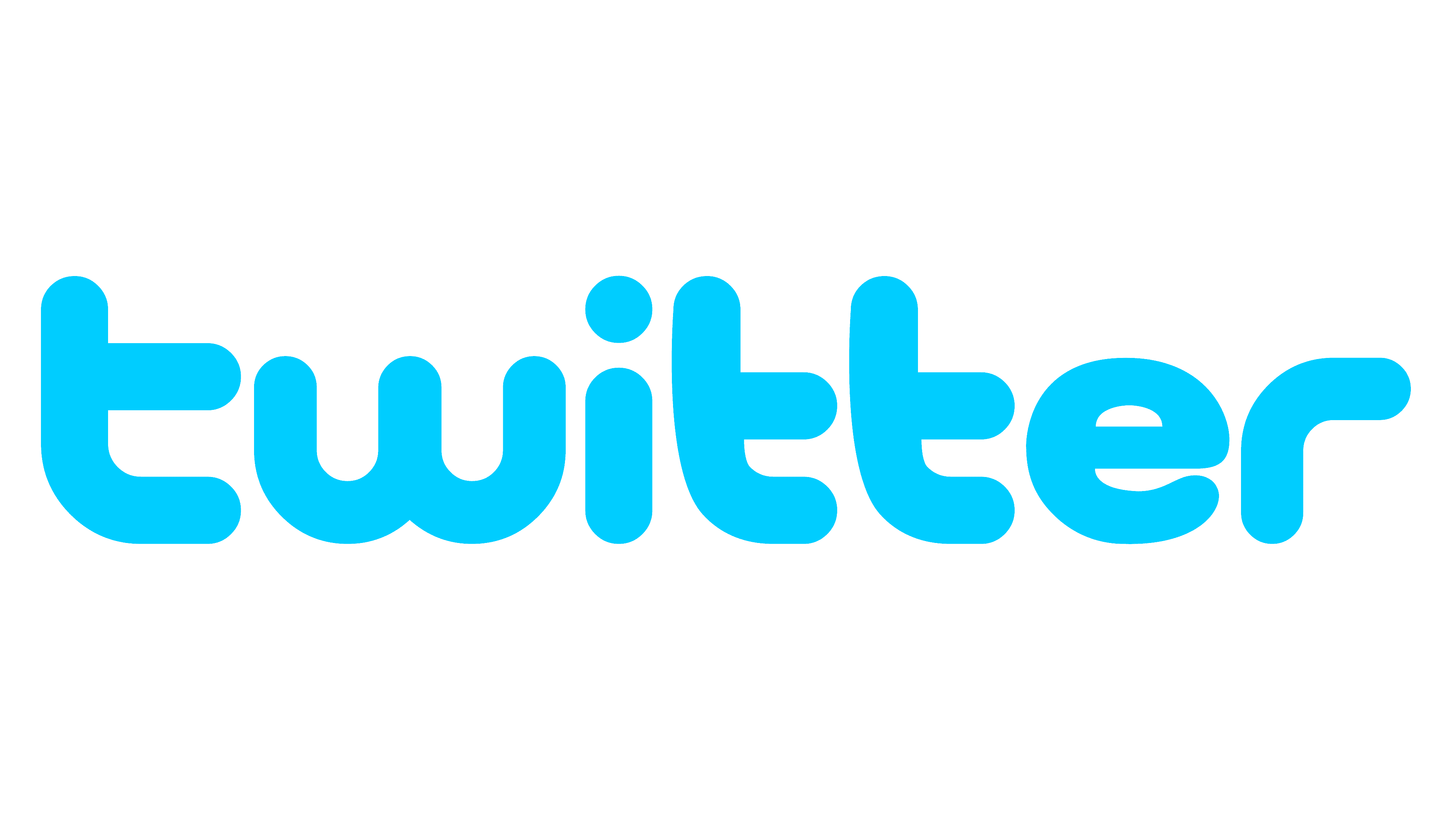
The debut logo is the word “Twitter” in light blue. Linda Gavin designed the original font, notable for its incomplete lines, smooth contours, rounded shapes, and absence of serifs. The letters also lack corners.
In 2006, the service also adopted a small graphic symbol: a light-blue bird. The BBC purchased this drawing on iStock for $15. The illustrator, Simon Oxley, didn’t anticipate that his work would one day appear on the BBC and CNN. However, the bird Larry, named after basketball player Larry Bird, was not part of the logo; it was an icon on the site. Companies were prohibited from using iStock images as logos.
Based on the existing image, Biz Stone created his bird with wings, a large white eye, and a sharp tail. Designer Philip Pascuzzo picked up the idea. Then, two more versions of the graphic symbol appeared. The first was rendered in a cartoon style, and the second in a minimalist style.
2010 – 2012
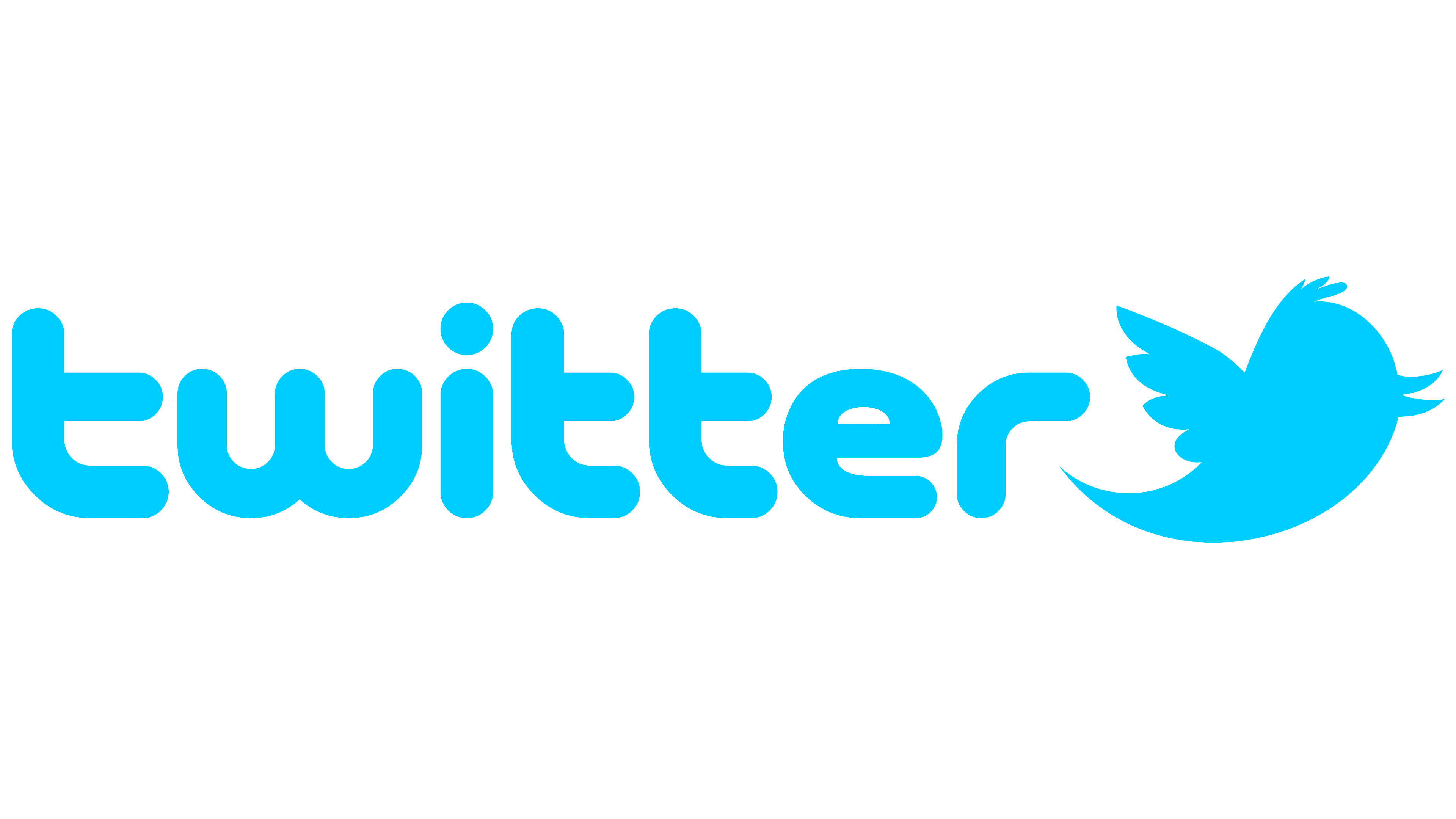
In the new logo, the company combined the familiar inscription “Twitter” (left) with its mascot, Larry (right). Philip Pascuzzo and Douglas Bowman developed the final version. They said they prioritized conciseness by removing unnecessary elements. The monochromatic silhouette symbolizes Twitter.
2012 – 2023

On June 5, 2012, Twitter introduced the updated bird icon. The social network’s owners decided that the trademark spoke for itself and removed the word “Twitter.” When the logo was created, its author, Martin Grasser, had just graduated from Art Center College of Design and had started working at the agency West. The infamous microblogging service became one of his first clients.
Grasser drew at least a thousand birds before achieving perfect proportions. Afterward, the artist presented Jack Dorsey with 24 ready-made sketches, and he chose the 5CS option without hesitation.
A fluttering hummingbird inspires the current logo. The illustration consists of 15 overlapping circles. As a result, the beak, head, wings, and chest curves turned out impeccable. Moreover, the ratio of large and small circles is close to the golden ratio.
The bird faces upward, symbolizing hope, freedom, growth, and limitless possibilities. The circles that form it represent the connection of ideas and interests among different people.
Font and Colors
The blue tweeting bird logo did not appear immediately; it first appeared as a small icon. Simon Oxley bought it on a specialized service for only 15 dollars. The drawing depicts a small bird flying upwards with a pointed tail and spread wings. The lines are inclined and smooth, with no corners. Larry Bird became the site’s emblem and mascot.
A custom font was created for the social network’s text. It features rounded shapes, streamlined lines, and no serifs. The letters are blocky, lowercase, and of the same height, with the letter “t” protruding without the left half of the top stroke. The logo color is light blue.