


 Better Business Bureau Logo PNG
The modern Better Business Bureau logo combines traditional design elements with an original graphic element. Like many company logos, the BBB (Better Business Bureau) emblem includes a name. Alongside it is an extraordinary symbol: a torch. It represents tolerance, energy, and hope.
Better Business Bureau grew out of public anger over misleading advertising in the United States in the early 20th century. In 1906, the US government brought a case against Coca-Cola over deceptive advertising, drawing attention to consumer fraud. From 1912, local “vigilance committees” began forming to monitor dishonest business behavior.
The advertising industry saw the problem as a threat to its own credibility. Advertising executives created the National Vigilance Committee, while local branches appeared across the country. In 1914, the first office to use the Better Business Bureau name opened in Minneapolis, Minnesota. In 1916, the national committee formally adopted the same name.
By the early 1920s, BBB had 32 offices. The New York branch was incorporated in 1922, and in 1927, it created a commission to fight financial and commercial fraud. During the 1930s-1950s, BBB expanded into more cities and industries. At the same time, accreditation became a way for companies to separate themselves from scammers and dishonest competitors.
In 1970, the Council of Better Business Bureaus was created to standardize regional offices, accreditation rules, and business ratings based on consumer complaints. In the digital era, BBB faced competition from Yelp and Google Reviews. At the same time, ABC News and other investigations in the early 2010s questioned the transparency of its rating system. Today, BBB includes 92 independent offices in the US and Canada, coordinated from Arlington, Virginia, with data on more than 5.5 million businesses.
Meaning and History
The Better Business Bureau’s main feature is its lack of government regulation. The only influence on the organization is the International Association of Business Improvement Bureaus. It coordinates the corporation’s activities and makes recommendations. The Better Business Bureau takes them into account and focuses on building trust in business units.
To do this, the organization has developed a letter grade scale to assess a company’s honesty and efficiency. Moreover, it conducts an independent check without the developer’s participation.
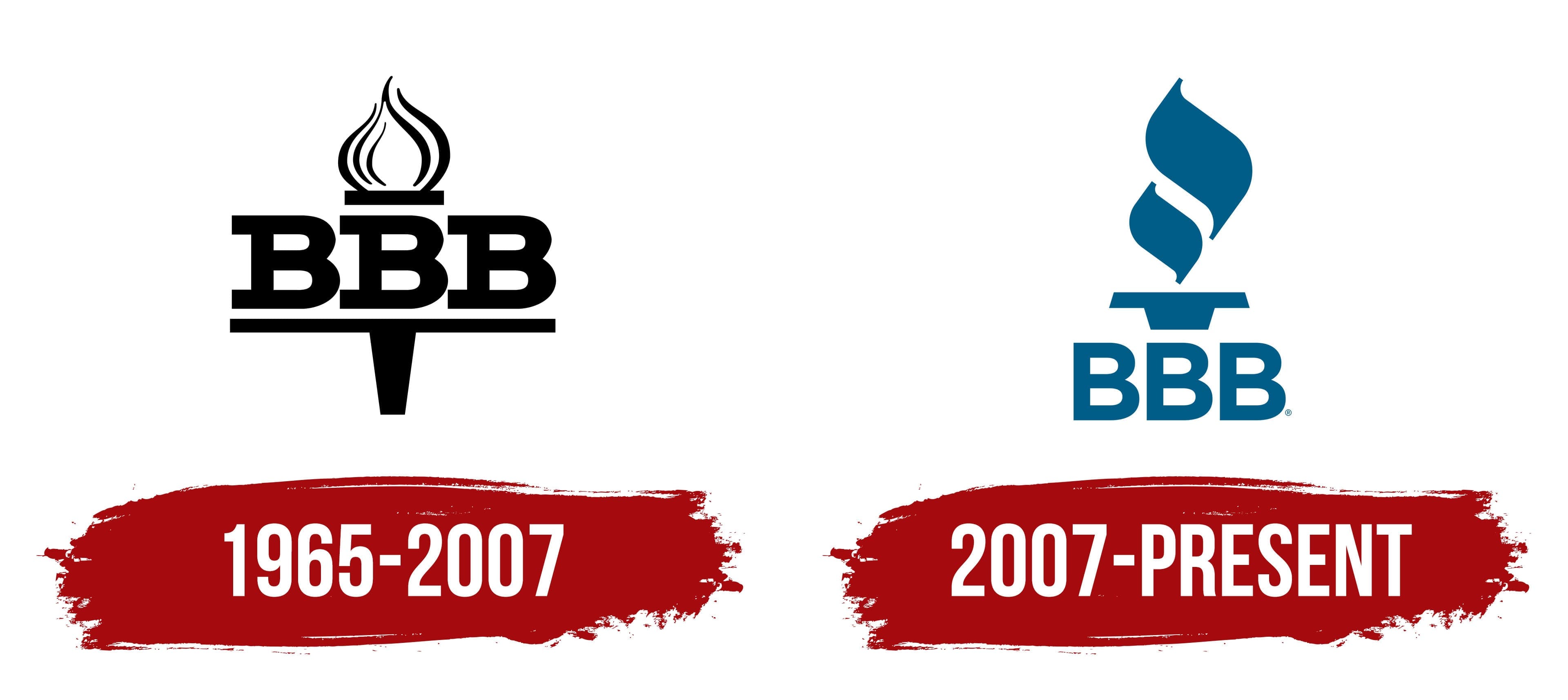
This regulation has been carried out for more than 100 years. Over time, the organization and its corporate identity have changed. The current logo is a blue icon with a torch and the name. All elements were also used in previous versions of the emblem.
What is Better Business Bureau?
The Better Business Bureau is a private non-profit organization operating in America and Canada. Among its main achievements is a letter grading scale that allows businesses to self-regulate and monitor service-delivery quality. Not subject to government regulation.
1965 – 2007
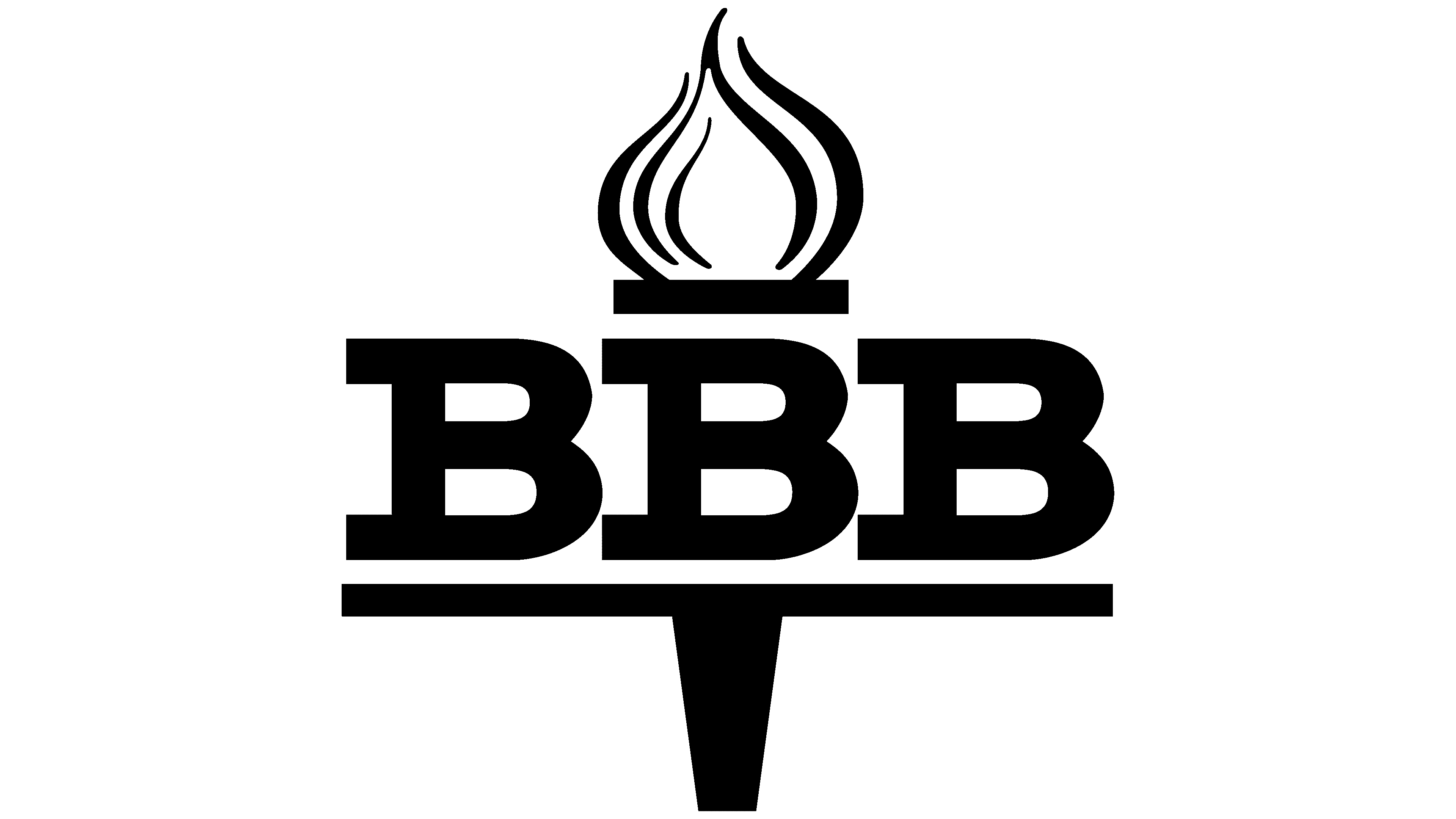
The Better Business Bureau emerged as a logical response to the growing need for business regulation. In 1912, this need was especially acute, leading to the formation of a non-profit structure that government agencies did not influence. This is how the BBB was born. The organization’s first logo was designed in a restrained, laconic style.
This was shown through strict achromatic coloring, bold, clear lines, and an elegant torch detail. Unusual performance has a special meaning. In general, the torch symbolizes hope and vitality. In the Better Business Bureau context, it also meant the desire for improvement. After all, this was the main purpose of its creation.
Given the special semantic load, the torch was placed in the center and was impressive in size. The company’s name is placed inside it. It used an abbreviated version: BBB. The letters are set in a massive, simple font and paired with a graphic element. The coloring included only two colors: white and black. This is a classic visual identity. It means the brand’s durability, credibility, and elitism.
2007 – today
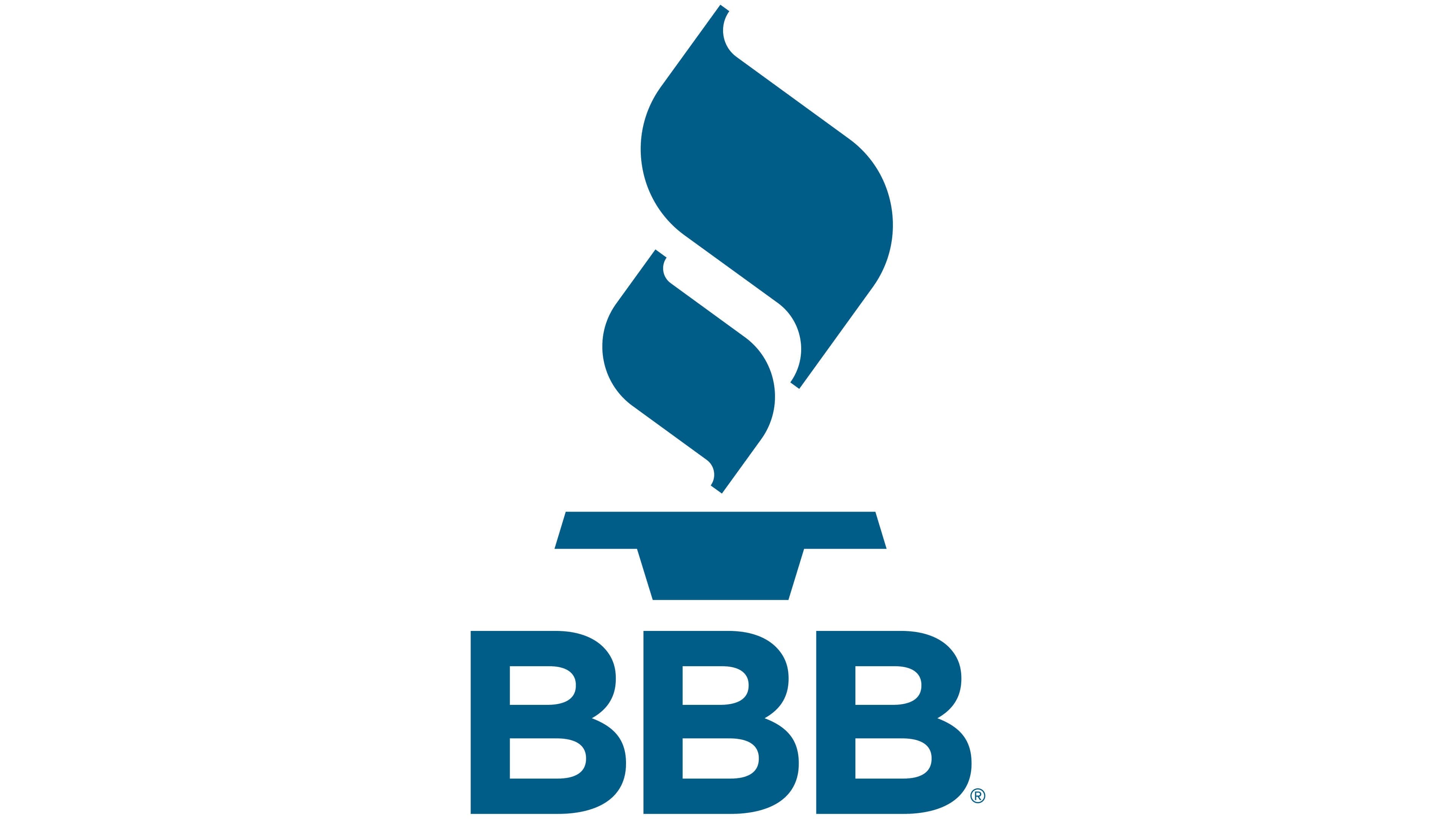
In 2007, the organization reached a new level, and in 2008, it changed the grading scale from satisfactory/unsatisfactory to the letter system (A to F). This change prompted management to rebrand. This decision laid the groundwork for an updated, more stylish version. It consisted of the old elements but in a new design.
In the sign of the torch, the flame and the design itself changed. Customers could now see a shortened base with two separate colored flames above it. In an earlier version, the flame was shaped like an “onion” and uncolored. The torch now featured the name of a private non-profit organization. The new version reduced the stand and moved the inscription below it. The updated design made the logo more modern and fresh. The changes also affected the font. The letters remained the same size, but without tails. This meant confidence and stability, while thick lines symbolized reliability. A single blue color scheme completed the harmonious emblem. The changes improved the company’s overall image.
Font and Colors
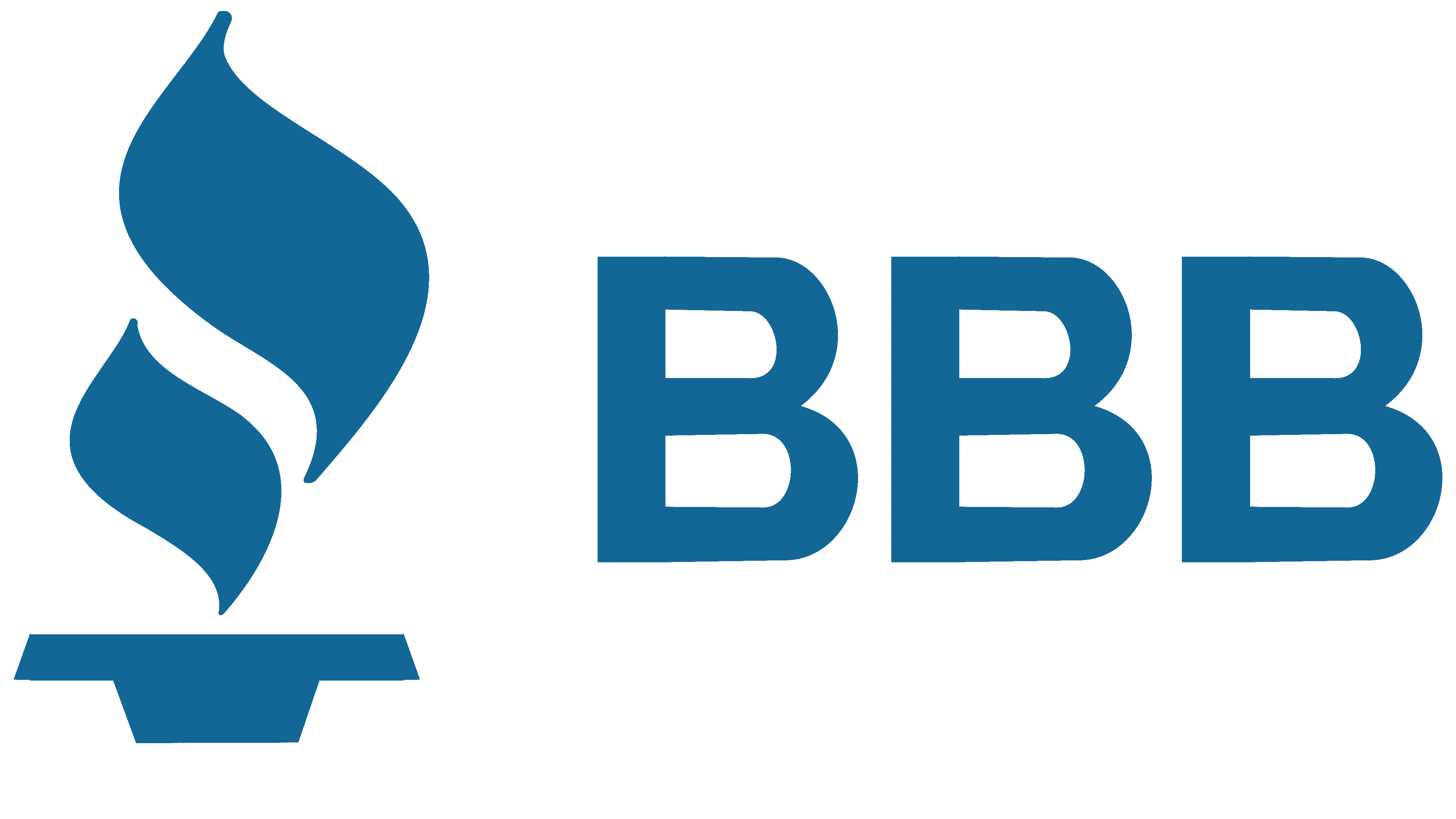
The logo is a recognizable, striking work by experienced designers. It incorporates the elements that characterize the organization’s activities over the years, along with modern trends in brand design. It is based on the abbreviated name BBB and the already traditional torch.

The inscription uses a neat, concise, sans-serif typeface. It balances spacing and lines, and the bold shape adds expressiveness. This design looks bold and confident. The color palette consists of 2 colors: light blue and white. Together, they symbolize professionalism, loyalty, and reliability. Overall, the concept conveys an influential, powerful corporation.