


 DSWD Logo PNG
The DSWD logo is businesslike and austere, reflecting an organization representing the country’s highest state authority. But in this case, the visual identity is very expressive and catchy thanks to the striking design. The emblem inspires confidence and shows respect for the individual.
Social welfare in the Philippines developed through a long series of reorganizations. In 1915, the colonial legislature created the Public Welfare Board to coordinate public and private social service groups. In 1921, it was abolished, and its functions were transferred to the Bureau of Public Welfare within the Department of Public Instruction, indicating that social work was still treated as part of education policy.
A turning point came on November 1, 1939, when Commonwealth Act No. 439 created the Department of Health and Public Welfare. In 1941, the Bureau of Public Welfare joined the new department and assumed broader responsibilities, including coordinating social institutions, managing public child-care facilities, and conducting national child welfare work.
World War II changed the scale of the state’s role. After the Japanese occupation and the destruction of 1941-1945, the new Republic of the Philippines faced widows, orphans, refugees, and disabled veterans. In 1947, the Social Welfare Commission was created. In 1951, it became the Social Welfare Administration (SWA), an independent executive body. In 1968, Republic Act 5416 raised SWA to full department status.
Under Ferdinand Marcos, Presidential Decree No. 994 renamed it the Department of Social Services and Development in 1976, then the Ministry of Social Services and Development in 1978. After the 1986 People Power Revolution, Corazon Aquino restored the department format. In 1987, Executive Order No. 123 renamed it the Department of Social Welfare and Development (DSWD). In 2007, DSWD launched the Pantawid Pamilyang Pilipino Program (4Ps), and by 2019, it covered more than four million households. The department works with organizations such as UNICEF and UNHCR to provide aid to children and displaced people.
Meaning and History
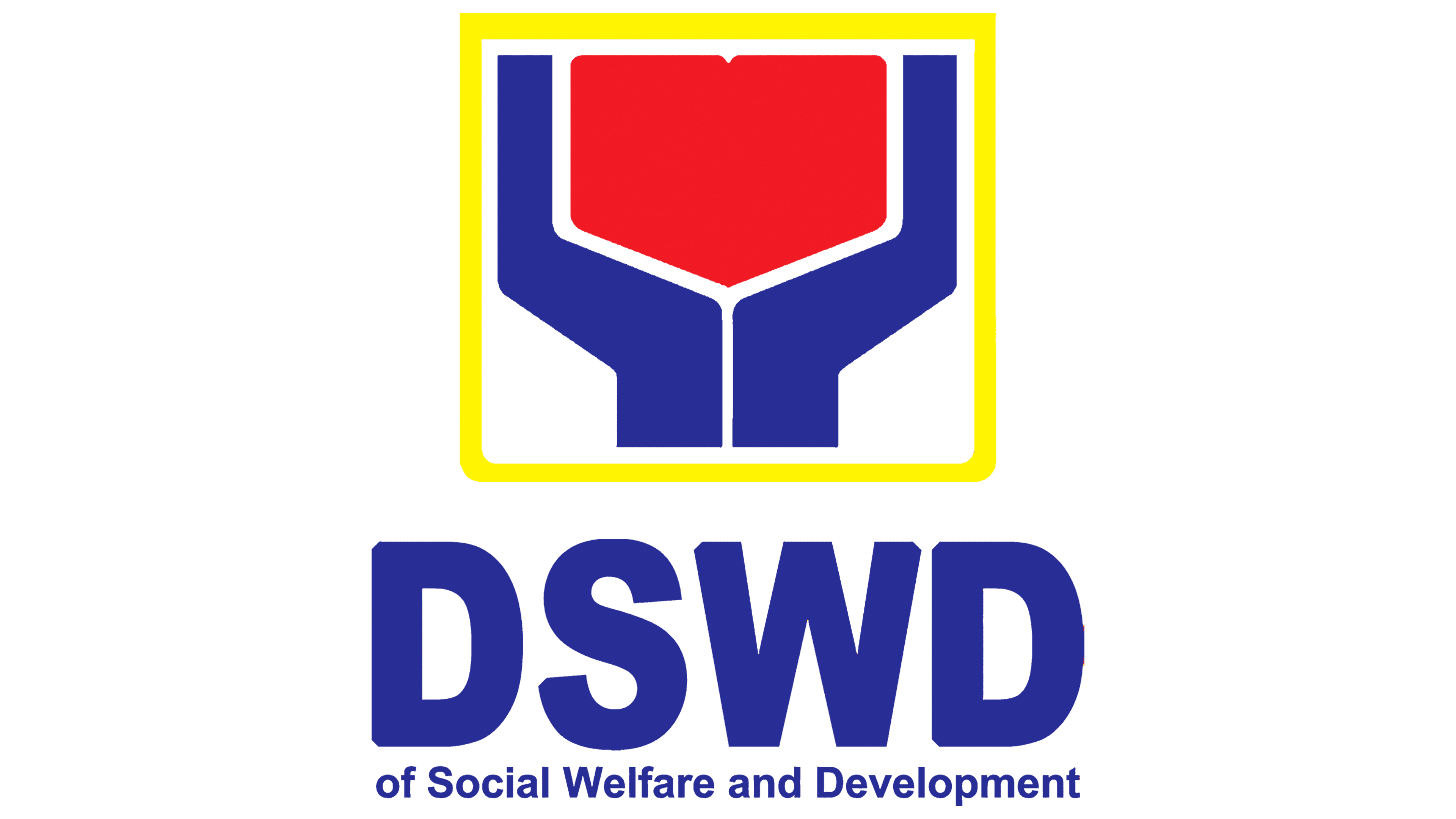
The DSWD logo is well recognized, as it has not changed since the department’s creation. Today, the company logo performs two main tasks that this social institution sets for itself. The most important element is the color palette, which closely matches the Philippine flag. The logo’s emblem also visually conveys the organization’s objectives.
Although DSWD appeared only in the late 30s, its history dates back to 1915. The Council of Public Welfare was created then. The department is an executive body focused on social development. The DSWD also emerged from the Bureau of Public Welfare in 1921.
What is DSWD?
It is one of the Philippines’ most important social institutions and has operated for over 80 years. During this time, the department’s specialists have helped millions of residents of the Asian state by implementing various social programs.
The organization’s logo consists of several elements: a verbal inscription, an emblem, and a slogan at the bottom. Analyzing the department’s emblem, one might infer that it depicts a house plan. However, on closer inspection, you can see two blue hands holding a red heart. The background is a white square with a yellow outline. Thus, the organization demonstrates that people are one of its most important values. This emblem is used as an icon on the official DSWD resources.
The full logo also includes the image, a verbal inscription, and the full name. The brand name is set in a classic, bold sans-serif. The dark blue capital letters match the emblem’s height. The full name is set in a much smaller font. At the same time, bold type is not used, and the lines in the letters are thin and elegant. Only initial letters are capitalized.
Interestingly, the DSWD logo’s visual design is also very similar to Quezon City’s, where the department is headquartered. This identity likely relates directly to the city’s coat of arms, which is also based on the national flag.
Font and Colors

The two-word labels, namely the abbreviation and the organization’s full name, use different fonts. If we talk about the first line, large capital letters are used, set in a classic bold sans-serif font. The DSWD acronym has a pleasing, unique style, with rounded corners similar to the top element of the heart emblem. At the same time, the full name is set in thin lines, which sometimes makes the inscription hard to read at first glance.
In the department’s logo, you can immediately notice a resemblance to the Philippine national flag. Therefore, the main color palette is red and blue, with bright yellow also noticeable. At the same time, white is used as the background, the brightest color and one that clearly contrasts with the main vibrant colors. Overall, the color scheme directly references territorial affiliation. At the same time, bright colors attract the target audience’s attention and elicit positive emotions.