


Fordham University, a Jesuit institution in the heart of New York City, has introduced a new logo and visual system in many years. The update is tied to preparations for the university’s 2030 development plan and is intended to strengthen its position in the U.S. educational landscape.
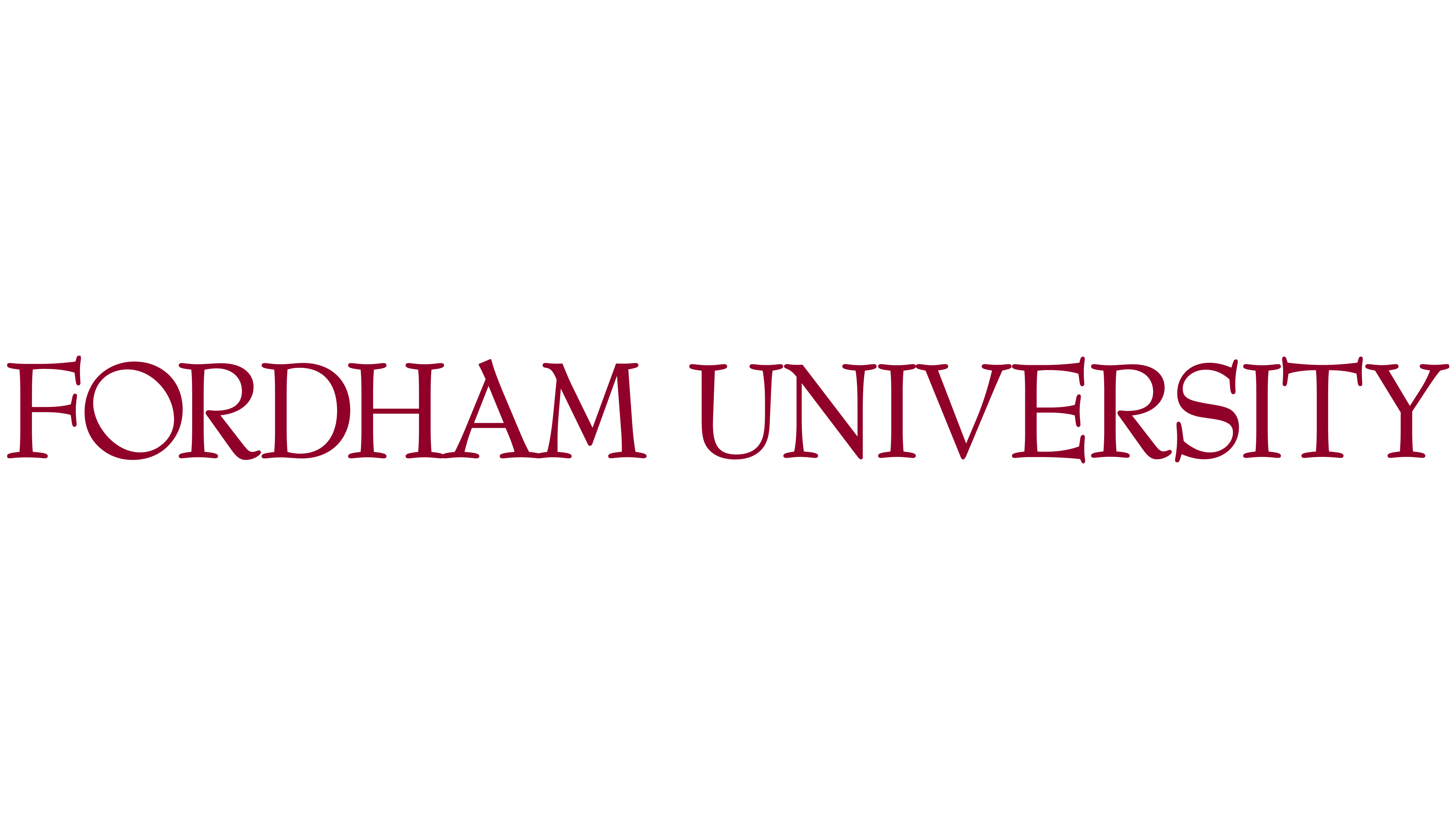
The old logo used a serif typeface with thin strokes. It created an academic image but looked overly formal and did not reflect the uniqueness of a university that combines Jesuit tradition with active engagement in city life.
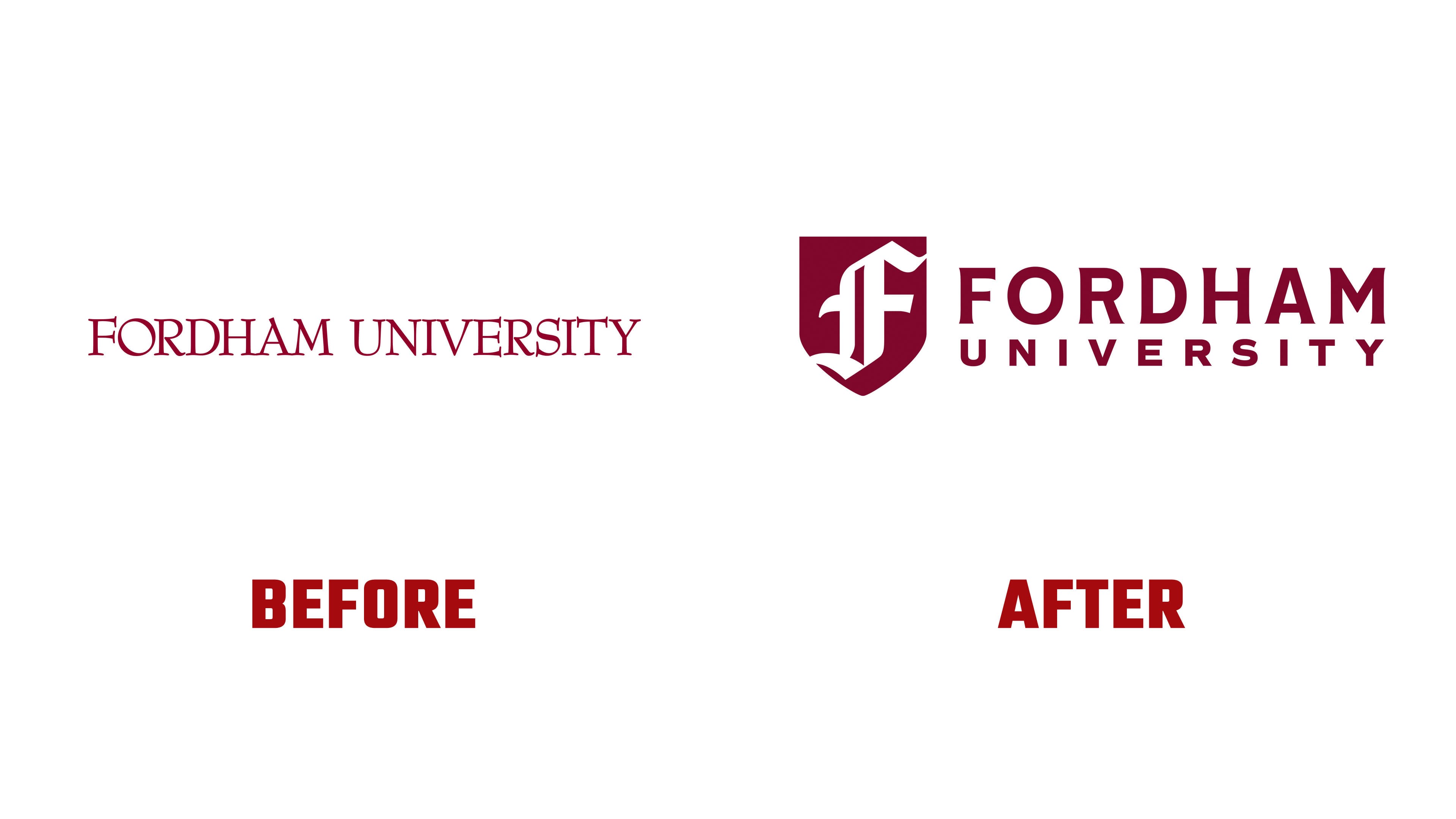
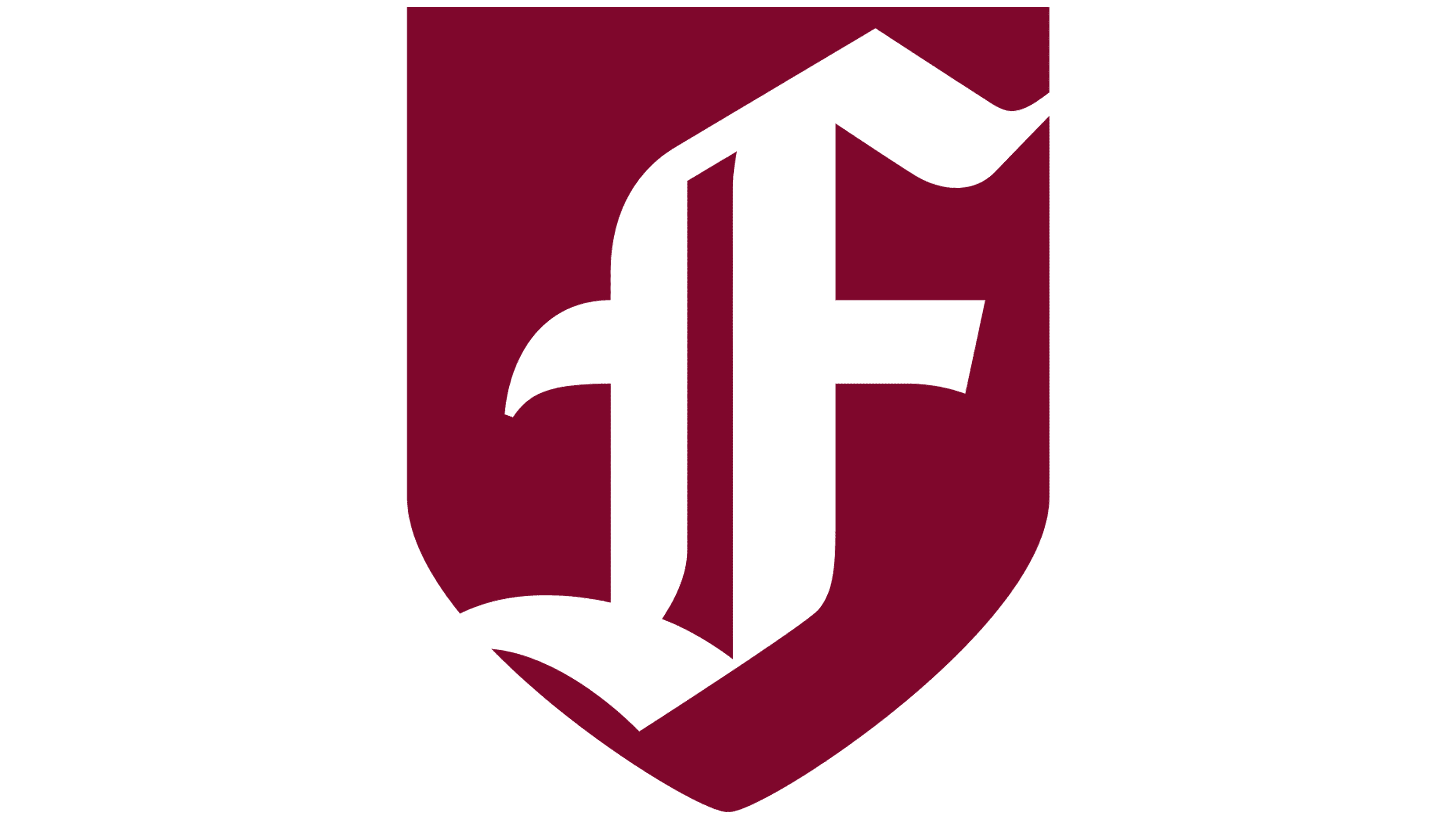
The new style was developed by Ologie, a studio that has worked with Purdue and Texas A&M universities. The main symbol is a Gothic letter “F,” which references the Neo-Gothic architecture of Fordham’s campuses. The letter is placed within a shield, reminiscent of the university’s historic crest and underscoring its connection to the Jesuit heritage of Saint Ignatius of Loyola.
The color palette is built around maroon, now rendered in a deeper shade. The updated tone allows for greater contrast across digital and print formats, enhancing the university’s visibility.
Along with the new graphics, the slogan “For What Matters” was introduced. It was created based on surveys of students, alumni, and faculty. Its goal is to reflect the mission of Jesuit education: to form professionals and individuals oriented toward social responsibility and the improvement of society.
The updated style is being implemented across all areas: printed brochures, the website, campus spaces, and merchandise. Starting in 2026, the new logo will also be used by Fordham Athletics, which has retained the traditional ram symbol.
University President Tania Tetlow emphasized that the launch date was chosen to coincide with the feast of Saint Ignatius of Loyola.
To mark the brand’s unveiling, several iconic New York City buildings were illuminated in maroon light: One World Trade Center, a skyscraper in Bryant Park, and the Sven building in Queens. The event underscored the university’s connection to the city and its role in the city’s cultural and educational life.
The new visual language allows Fordham University to position itself more clearly to prospective students, alumni, and partners. The university reinforces its image as an institution with a rich tradition, while remaining open to modern challenges and new generations.