


 Head & Shoulders Logo PNG
The Head & Shoulders shampoo logo contains kinetic energy. The Head & Shoulders logo states that using Head & Shoulders products cleanses hair, removes dandruff and dirt, and restores elasticity and strength to the curls.
Head & Shoulders emerged from a gap in the early hair care market. Before mid-century, dandruff treatments relied on coal tar or egg oil, which reduced symptoms but damaged hair and left strong odors. Companies like Unilever dominated the shampoo market, yet targeted solutions remained limited.
In 1949, Procter & Gamble hired chemist John Parran Jr. to develop a formula that addressed the cause without harming hair. Over the next decade, his team tested hundreds of compounds before identifying zinc pyrithione, an inhibitor of the fungus Malassezia globosa. The challenge was to keep the active ingredient on the scalp during washing.
On January 1, 1961, Head & Shoulders launched in the US as a cream formula. A patent followed in 1962. Early demand grew quickly, driven by advertising that emphasized visible flakes and social perception.
During the 1960s, the product evolved into a liquid shampoo, making it easier to use every day. By 1975, it had established clinical credibility and a stable market position, supported by larger advertising budgets than its competitors.
In 1988, the brand entered China as P&G’s first product there. In 1997, it launched in India, competing with Hindustan Unilever and Clinic All Clear in a developing category.
In 2002, P&G sequenced the Malassezia globosa genome, enabling more precise formulations. Over time, the range expanded across hair types while maintaining focus on dandruff control.
By the 2000s, Head & Shoulders was available in more than 140 countries and supported by over 225 clinical studies.
Meaning and History
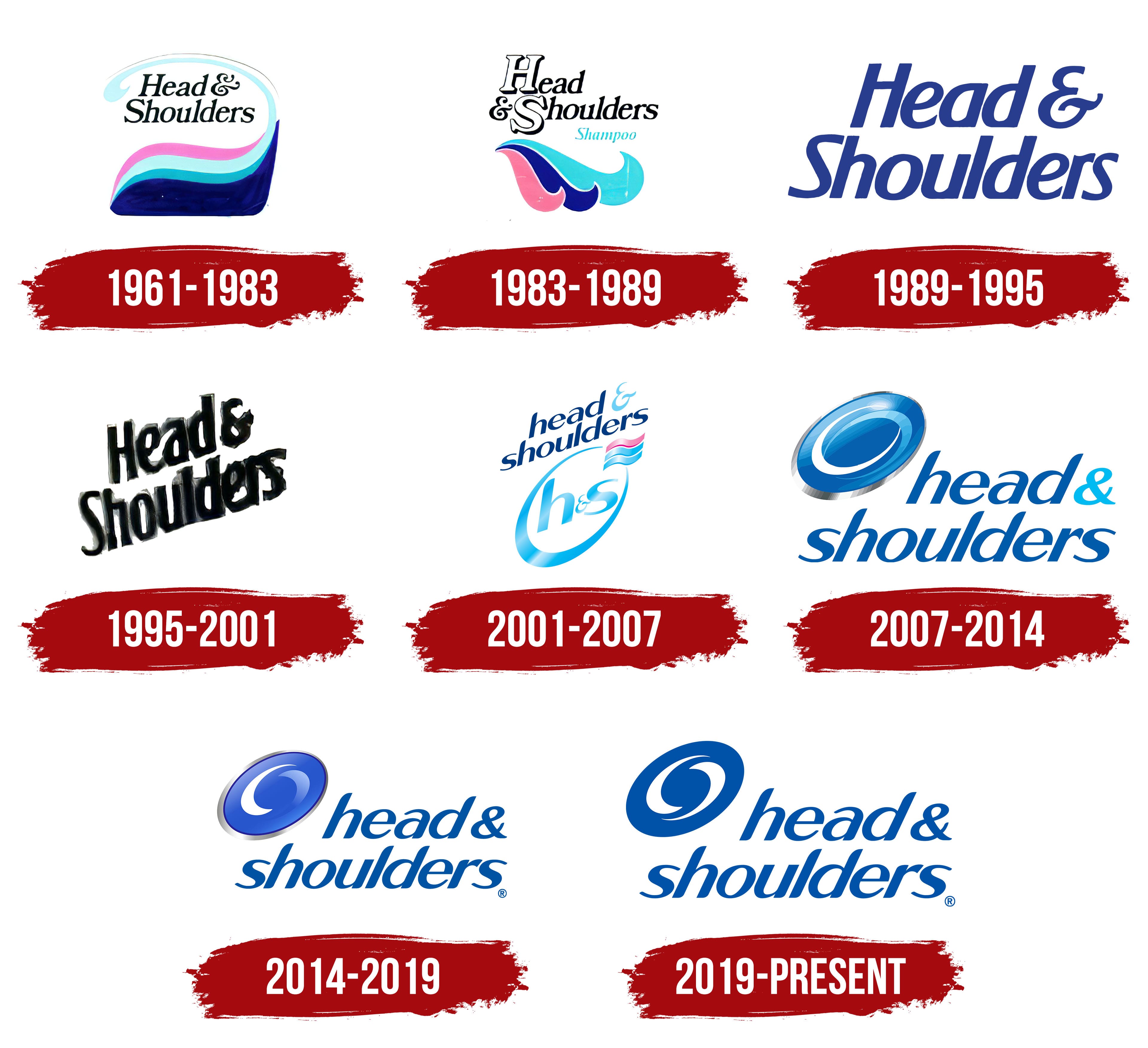
The brand’s emblem is its trademark, so its appearance dates back to the product’s launch. Over the years, the Head & Shoulders line has had six logo variants.
What is Head & Shoulders?
This Procter & Gamble brand transformed dandruff treatment from a medical task into everyday hair care. With the active ingredient zinc pyrithione (ZPT), the brand offers a wide selection of shampoos, conditioners, and scalp treatments that provide effective dandruff relief and excellent hair care. The product line includes classic formulas and specialized options for various hair types and scalp concerns, including dryness, oiliness, and color-treated hair.
1961 – 1983
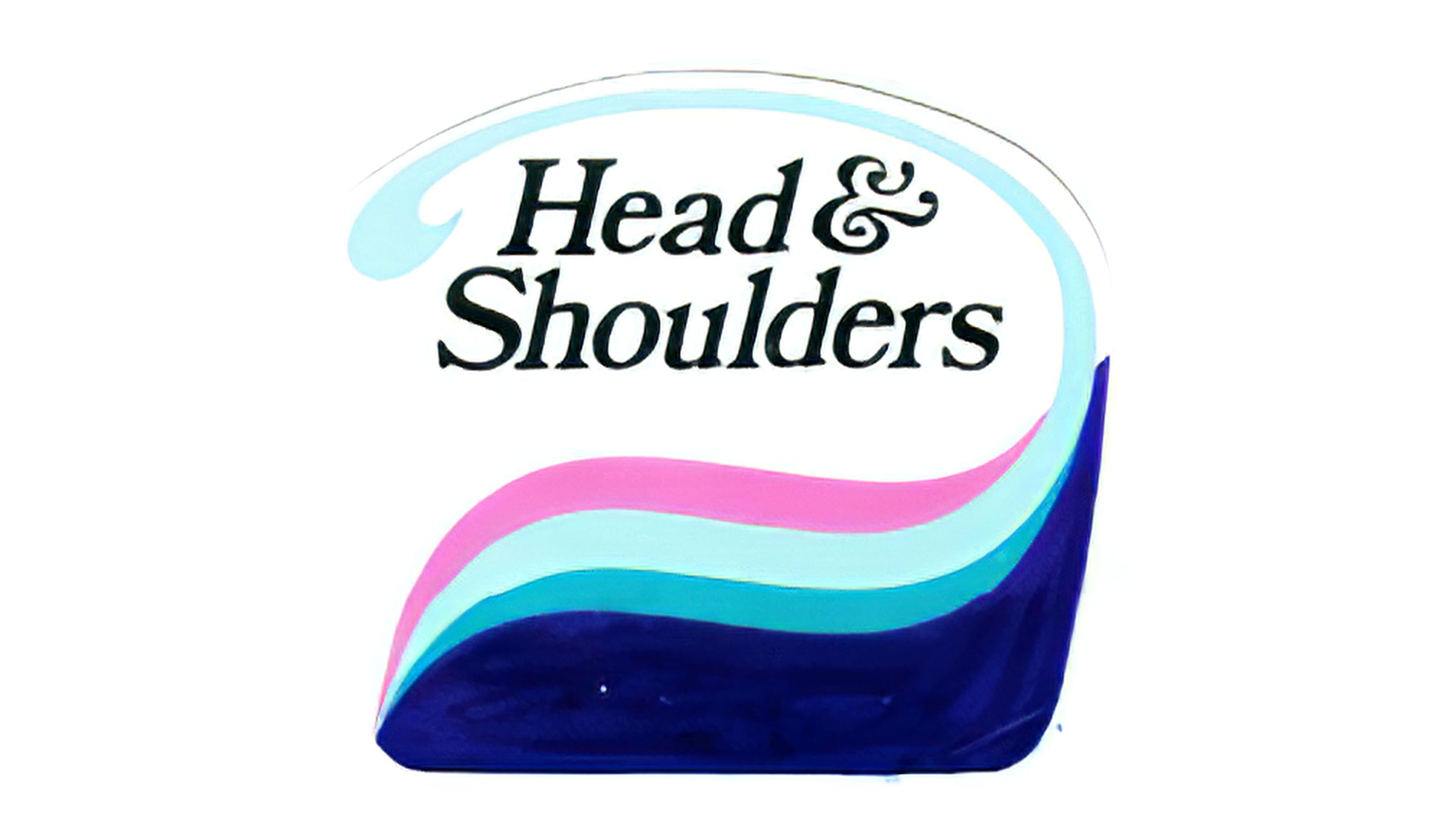
The emblem features a wavy design in both the image and inscription. The color palette is rich, consisting of pink, blue, aquamarine, and dark blue.
1983 – 1989
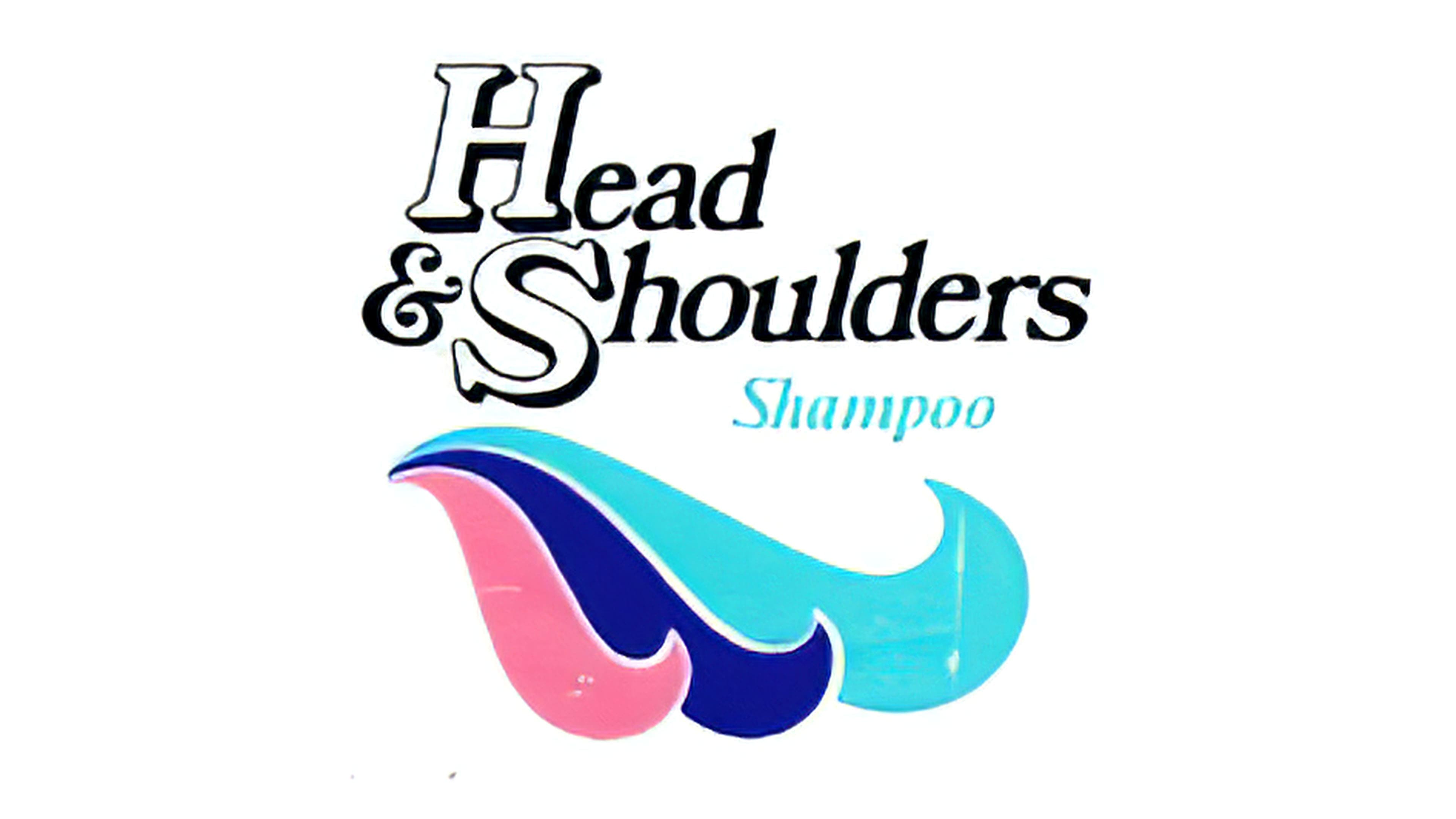
Developers changed the layout, placing the name at the top and the waves at the bottom. They added the word “Shampoo” in between.
1989 – 1995

The logo removed all drawn elements, leaving only text.
1995 – 2001
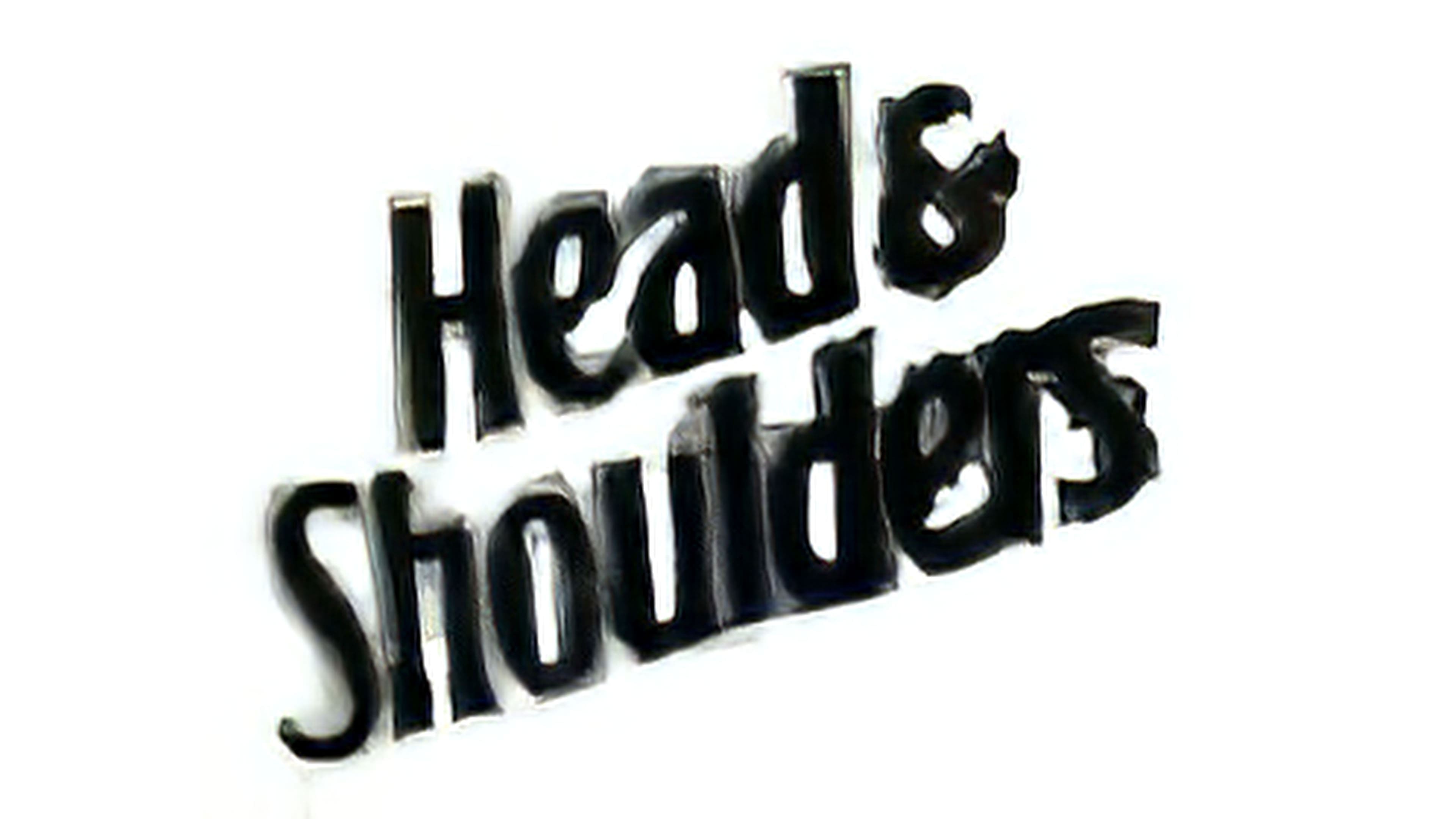
Designers placed the name diagonally and changed the letter color.
2001 – 2007

For the first time, the logo included the abbreviation H&S.
2007 – 2014

In 2007, the “swirl” logo period began with an oval containing several multicolored strokes. Next to it is the brand’s full name.
2014 – 2019

This period features an emblem with a simplified version of the “swirl.” It has a clear structure and clear division into two central elements, reminiscent of the classic Yin and Yang combination. The diagonal oval contains two curved blue-and-white stripes. A gray stripe with metallic reflections borders its edges. The ampersand (&) changed color from dark blue to light blue.
2019 – today

Designers left the logo’s structure unchanged: a graphic icon on the left and the extended brand name on the right. Changes affected only details and did not alter the overall component design. Developers removed the gray frame, highlights, and gradient from the oval, making it look strict and practical. Compared to the previous version, the icon became slightly larger because it used a single color. Blue is now used instead of blue and silver.
The semicircular, hook-shaped lines at the center of the icon are narrower on one side and wider on the other. Previously, they were different colors, but now they are both white. The inscription on the right remains the same: lowercase, semi-letters, with a slight rightward tilt.
Font and Colors

After five stages of evolution, the personal symbol became simpler. Now, it consists of an extended name and an oval on the left.
The inscription is in italics. All letters are lowercase. The modern color palette is reduced to blue (for letters and signs) and white (for the background and internal strokes).
FAQ
Which company manufactures Head & Shoulders?
Procter & Gamble, a consumer goods company, manufactures all Head & Shoulders products.
Why are Heads and Shoulders products harmful?
Head & Shoulders products contain substances that cause itching (SLES, SLS) and nerve damage (methylisothiazolinone). Hair loss may also occur due to preservatives, stabilizers, fragrances, dyes, and other additives.
Is Head and Shoulders an Indian brand?
Head & Shoulders is an American brand that sells only anti-dandruff shampoos in India.
Is Head and Shoulders a good brand?
Head & Shoulders shampoo effectively combats dandruff thanks to active ingredients such as selenium sulfide and zinc pyrithione. Other ingredients can harm your hair and scalp.