


 Kaiser Logo PNG
The Kaiser logo resembles a powerful ancient column. The emblem reflects strength and imperial grandeur, embodying the brand’s creators’ extensive experience; they aimed to produce reliable machinery. The symbol visually represents a rich heritage and a commitment to quality.
In 1945, the automotive industry saw the establishment of Kaiser Motors, a collaboration between industrial magnate Henry J. Kaiser and automotive expert Joseph Frazer. The duo set up their operations in Willow Run, Michigan. The following year, they unveiled their debut models, the Kaiser Special and Frazer Manhattan, aiming to carve out a niche for themselves among independent car manufacturers.
Capitalizing on the expansive former B-24 bomber plant in Willow Run, they kick-started car production in 1947, enabling substantial manufacturing output. By the 1950s, Kaiser-Frazer had risen to become the United States’ fourth-largest car producer, surpassed only by titans like GM, Ford, and Chrysler. However, this success was short-lived, as the early 1950s saw a sharp decline in the brand’s sales figures.
In a strategic move in 1953, Kaiser Motors merged with Willys-Overland, renowned for its Jeep vehicles, creating Willys Motors Inc. Consequently, Kaiser shifted its car manufacturing base to Toledo, Ohio. Although the brand introduced a few more models, including the notable Darrin sports car, Kaiser ended car production by 1955, closing a decade-long chapter. The company underwent another transformation in 1963, rebranding as Kaiser Jeep and focusing exclusively on Jeep vehicles. With around 300,000 vehicles to its name, Kaiser’s chapter in the automobile manufacturing story concluded.
Meaning and History

What is Kaiser?
Once known as Kaiser-Frazer, Kaiser Motors was a dynamic American automobile producer that emerged in 1945 under the entrepreneurial leadership of Henry J. Kaiser. Although short-lived, the company manufactured passenger cars at its Willow Run, Michigan, facility until 1953, when it merged with Willys-Overland to form Willys Motors Incorporated. Production moved to Toledo, Ohio, and Kaiser vehicles were manufactured there until 1955. While Kaiser Motors may not be a familiar name today, its impact on the American automobile landscape is indelible.
1945 – 1954
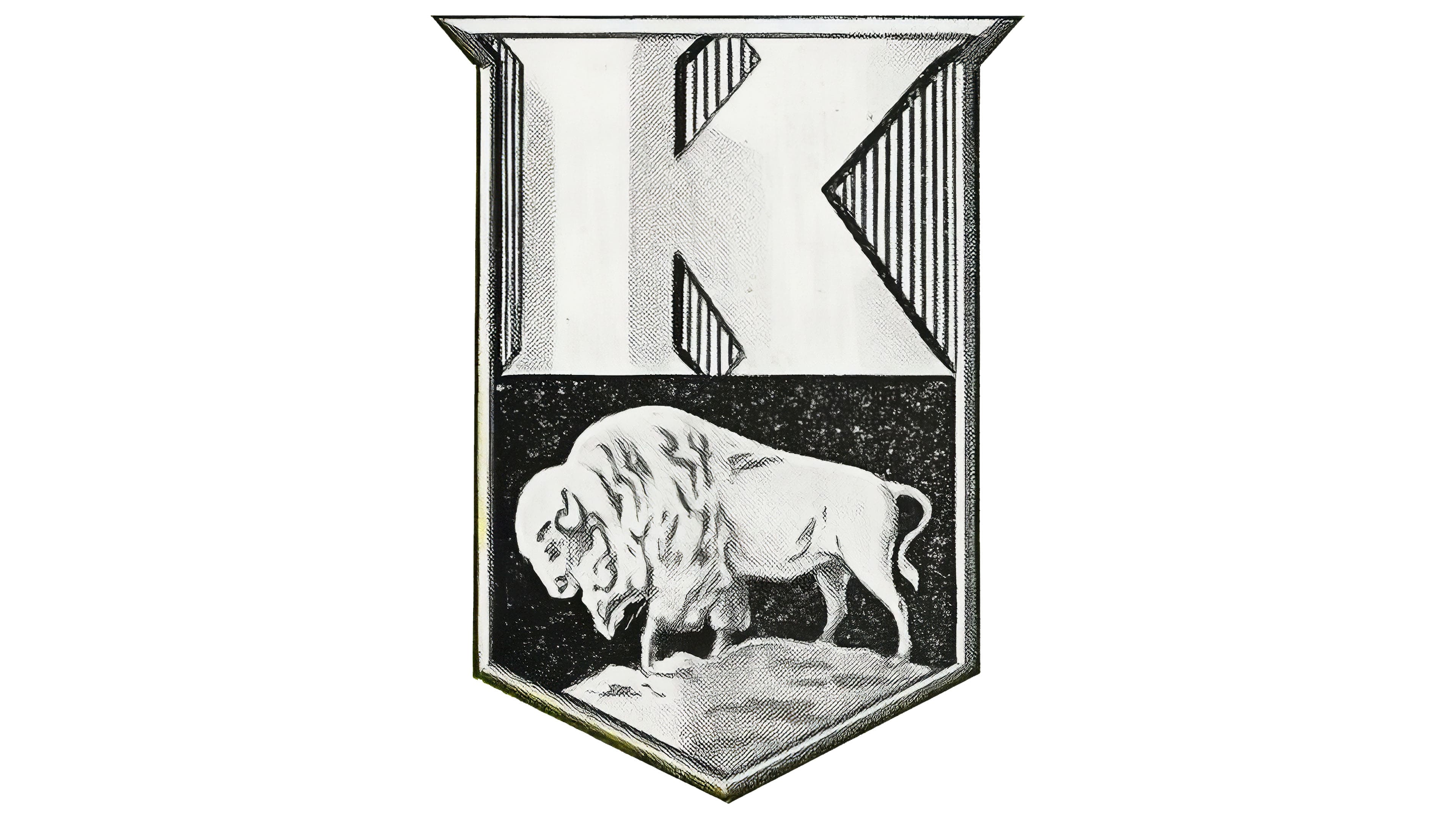
The first emblem resembles a pennant or a strong column split in two. The top part features a large, massive letter K, representing the founder’s name, Henry J. Kaiser. A German industrialist with significant experience in automobile manufacturing, Kaiser approached the task thoroughly, drawing on his prior knowledge, as reflected in the logo’s substantial elements.
Kaiser named the brand after himself. In German, the word means “emperor,” setting high expectations for the brand from the start.
The lower part of the logo depicts a bison, often leading to the emblem being called Buffalo. Kaiser chose the bison, a robust animal, to symbolize his vehicles. The bison stands on an elevation against a star-filled night sky, emphasizing grandeur. This hints at the Taurus constellation under which Henry J. Kaiser was born.
1953
During this period, the brand changed its name to Kaiser Motors and created a new logo to match it. This logo appeared on cars named after the founder, such as the Henry J. Kaiser V6. The connected lettering highlights the brand’s drive toward success and its commitment to progress.
Each step in the connected lettering symbolizes a new stage in the brand’s development, building on previous achievements and experience. These successes resulted from founder Henry J. Kaiser’s diligent work. The upward rise of the text represents the company’s ambitions and drive for future victories, reflecting confidence and readiness for new accomplishments.
1954
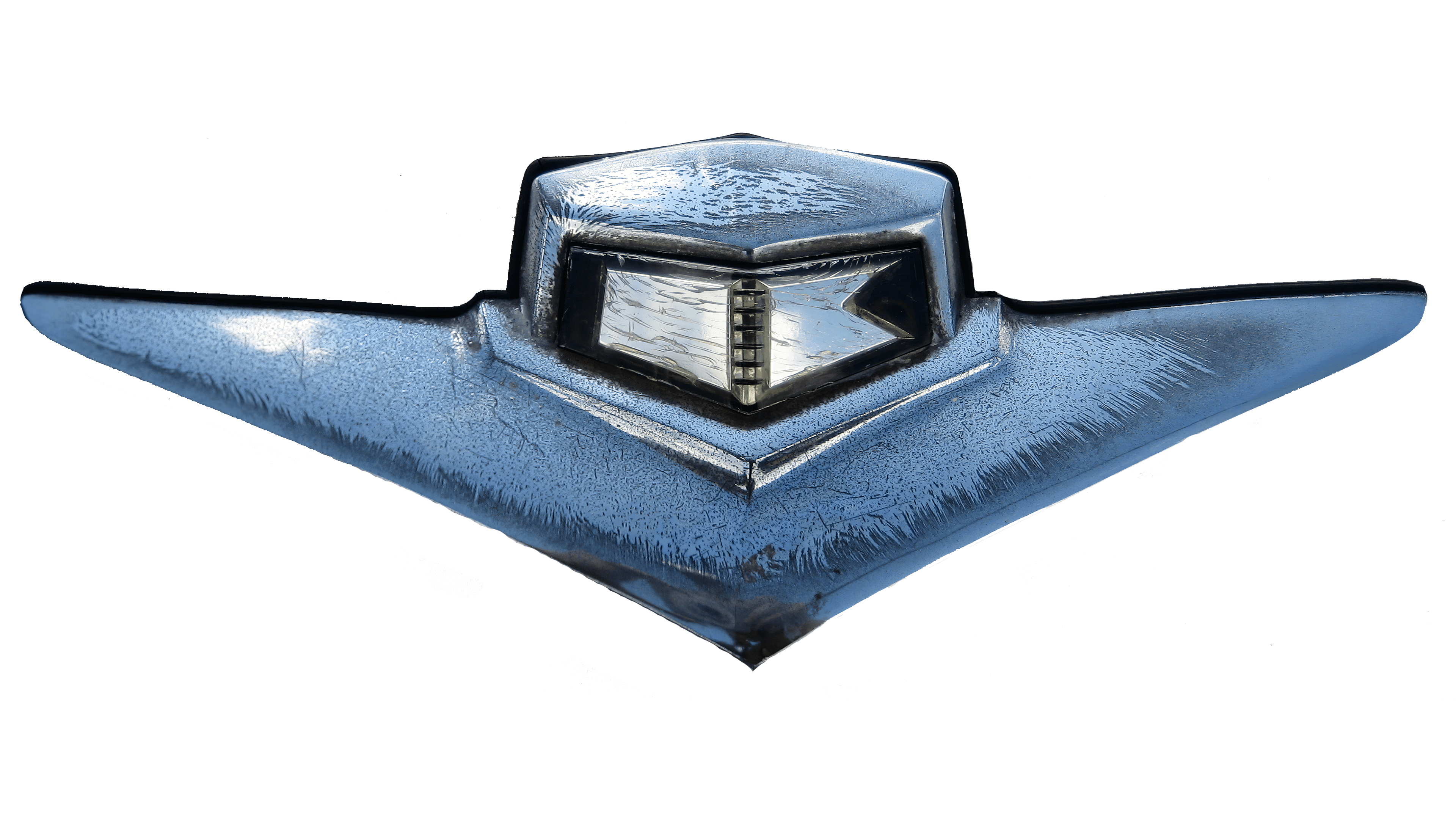
The 1954 emblem features no inscriptions, showcasing a leading element on the front of the Kaiser Manhattan hood. This symbol resembles an aviation insignia, with spread wings and signal lights. The image conveys motion and speed, symbolizing the car’s grand market debut.
The emblem suggests flashing lights that escort famous and high-ranking individuals, such as emperors. This highlights the brand’s elite and premium status. Kaiser Motors vehicles traveled nationwide, winning new hearts and markets and demonstrating their superiority and quality. Each association with aviation and imperial entourage enhances the impression of luxury and exclusivity, the foundation of this symbol’s creation.