


 Kansallinen Kokoomus Logo PNG
The Kansallinen Kokoomus logo emphasizes the party’s connection to the lives of Finnish residents and highlights an understanding of Finnish culture and values. The emblem reflects simplicity while striving to protect and enhance the country’s wealth.
The National Coalition Party of Finland, Kansallinen Kokoomus, was founded on December 9, 1918, soon after Finland gained independence from Russia. It emerged from the merger of the Finnish Party and the Young Finnish Party, during the political instability that followed World War I and the Finnish Civil War.
In its first years, the party followed a conservative line, supported White Finland, favored strong presidential power, and defended traditional values. In the 1919 parliamentary election, it won 28 seats. During the 1920s, it participated in government coalitions. It promoted conservative economic policy while helping to build the institutions of the young Finnish state.
The 1930s brought pressure from the far-right Lapua Movement, which the party opposed to defend the constitutional order. During World War II, it supported the national war effort alongside most Finnish political forces. After the war, the party often remained in opposition, criticizing the economic policies of left- and center-left governments. From the 1960s, it gradually moved from strict conservatism toward a more liberal-conservative profile, gaining support among younger voters and the urban middle class.
A turning point came in 1987, when the party returned to government, and Harri Holkeri became prime minister, leading tax and financial reforms. In the 1990s, it supported Finland’s 1995 entry into the European Union and joined several coalition governments. After opposition from 2003 to 2011, Jyrki Katainen became prime minister, followed by Alexander Stubb in 2014. From 2015 to 2019, the party served in a “Centre Party”-led coalition, then moved back into opposition after the 2019 election.
Meaning and History
What is Kansallinen Kokoomus?
It is a political party in Finland. The party adheres to conservative and liberal views. It advocates for a market economy, human rights, and European integration. It also supports entrepreneurship, tax reduction, and improving business conditions. The party occupies a leading position in Finland’s political spectrum, actively shaping state policies and influencing economic and social reforms.
Before 2020
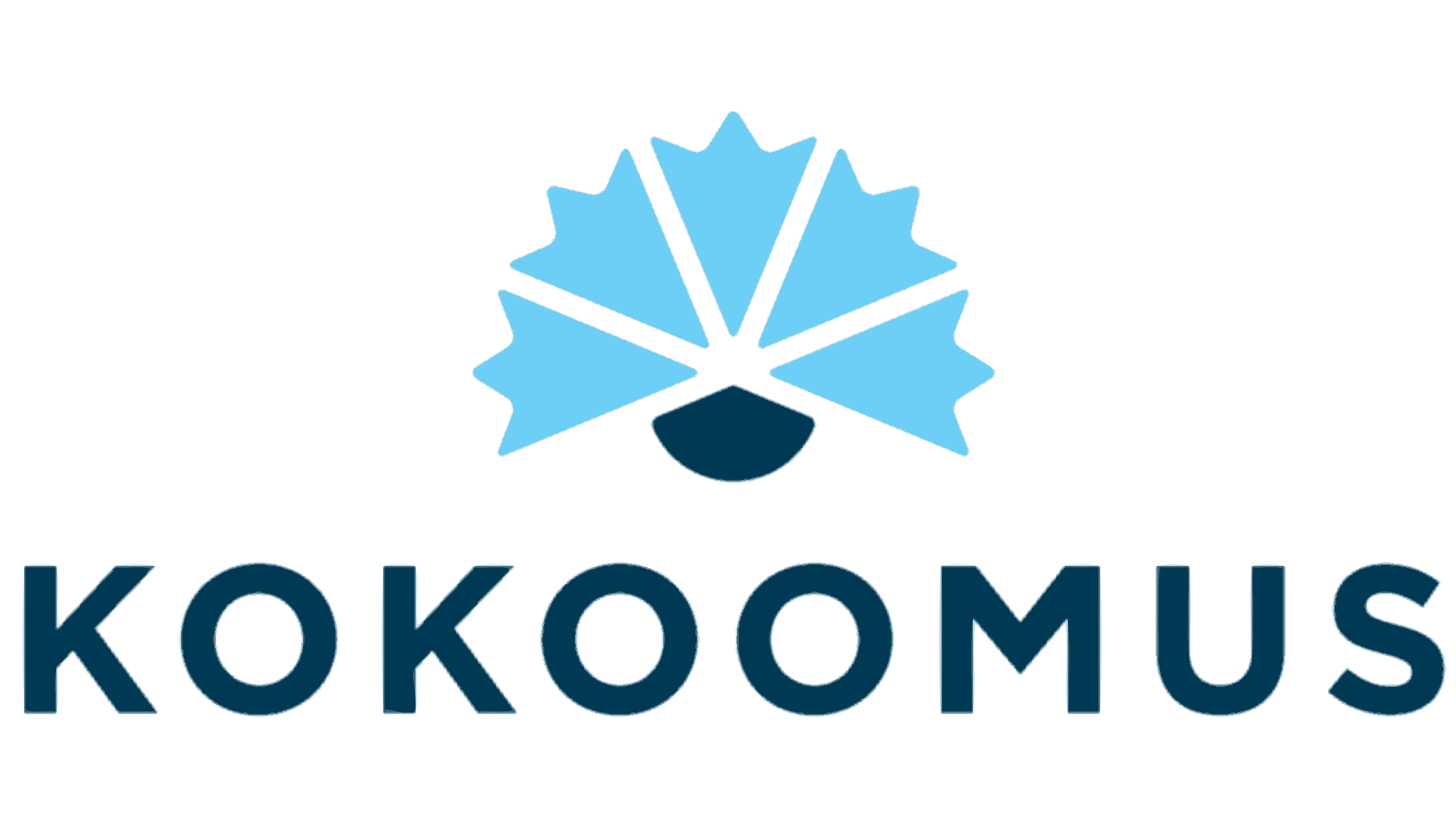
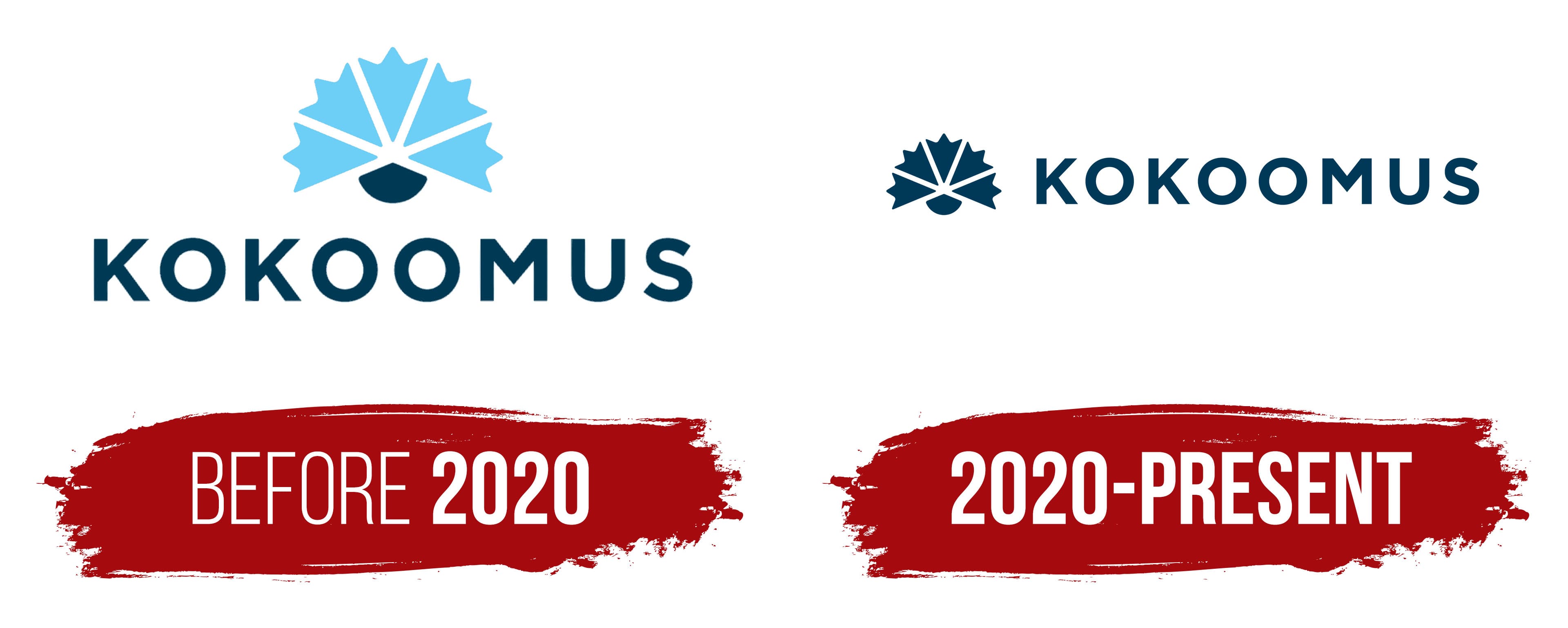
The emblem of Kansallinen Kokoomus is a cornflower. This flower is very common in Finland and has adapted easily to the country’s weather conditions. The plant was chosen to emphasize the party’s connection to ordinary people’s interests. The cornflower is familiar and understandable to every Finn.
The logo features part of the flower head with clearly drawn individual petals. The image represents the coalition theme, uniting the Finnish Party and the Young Finnish Party to promote shared values.
The image also points to the movement’s ideology. The coalition promotes a multicultural society and supports the rights of sexual minorities, migration, and the integration of immigrants into Finnish society.
The logo’s blue and light blue colors correspond to the natural appearance of the cornflower and represent the shades of the coalition parties.
Below the image is a large “Kokoomus” inscription translated from Finnish as “coalition.”
2020 – today
The logo was created when the party sought to refresh its image and attract new segments of society. The dark blue color chosen for the logo emphasizes neutrality and the party’s commitment to supporting diverse population segments. The cornflower symbol connects with traditions and national values, which is important for preserving the party’s identity in Finland’s changing political landscape. Placing the cornflower and the party name on the same line underscores the consistency of actions and steadfastness of convictions, which was particularly important in the context of the political challenges of that time.
The “Kokoomus” (National Coalition Party) logo features a stylized cornflower and the party name. The cornflower symbolizes freedom and simplicity, and is associated with Finland and its natural beauty.
The cornflower symbolizes unity, cooperation, and harmony. The separated parts of the flower coming together reflect the idea of a coalition bringing together different forces to achieve a common goal.
The party name is set in a strict, modern font, emphasizing its commitment to contemporary, pragmatic political approaches. The font’s straight and clear lines indicate determination and stability.
The dark blue color of the emblem symbolizes reliability, stability, and calmness. This color conveys dignity and professionalism, reflecting the party’s aspiration for responsible, mature governance.