 Lana Del Rey Logo PNG
The elegant lettering and perfect proportions make the Lana Del Ray logo harmonious, with notes of elegance and coquetry. This fits the singer’s spirit and aligns with her feminine, original performance style. The red hue adds a romantic touch to the sign.
Elizabeth Woolridge Grant was born on June 21, 1985, in Manhattan and grew up in Lake Placid, New York. She studied at Kent School in Connecticut and later at Fordham University in the Bronx, where she focused on philosophy and metaphysics.
In 2005, she registered the seven-track EP Rock Me Stable and moved to Manhattan to pursue music. She performed under several names, including May Jailer, Lizzy Grant, and the Phenomena. In 2006, she met Van Wilson from 5 Points Records, and in 2007, she signed a $10,000 contract.
With producer David Kahne, she released Kill Kill in October 2008. In January 2010, she released her debut album, Lana Del Rey, under a new stage name. Still, weak distribution led to its removal from sale.
After leaving 5 Points Records, managers Ben Mawson and Ed Millett helped her move to London. There she worked with Justin Parker and recorded “Video Games.” On August 19, 2011, she uploaded a self-made video to YouTube, and the song spread through blogs and listeners.
Stranger Records released the single, and in October 2011, she won a Q Award. That same month, she signed with Interscope Records and Polydor. Born to Die was released on January 31, 2012, reached No. 1 in 11 countries, and peaked at No. 2 on the Billboard 200. New York critics attacked the album, but by 2014, it had sold over 7 million copies and stayed on the Billboard 200 for more than a decade. Paradise followed in 2012, bringing her first Grammy nomination.
Later albums included Ultraviolence, Honeymoon, Lust for Life, Norman Fucking Rockwell!, Chemtrails over the Country Club, Blue Banisters, and Did You Know That There’s a Tunnel Under Ocean Blvd. In early 2024, she announced work on the country album Lasso.
Meaning and History

The celebrity has no official logo; she releases albums and songs only under her pseudonym. In particular, the covers of the studio albums “Lana Del Ray” (2010), “Born to Die” (2012), and “Honeymoon” (2015) feature the strict inscription “Lana Del Rey.”
The typeface resembles the old-fashioned Rospi Retro, inspired by the 1933 Polish magazine Tygodnik Ilustrowany. It also resembles the typefaces Rainbow (from Hawaiian Tropic) and Steelfish (from Ray Larabie). They share narrow, vertically elongated sans-serif letters.
The sixth studio album (2019’s Norman Fucking Rockwell) uses the acronym “LDR” instead of the pop star’s pseudonym. The symbols are arranged vertically, one below the other. The font resembles a comic and echoes the cartoon explosion in the upper-left corner of the cover. The letters are white with a thin red outline.
What is Lana Del Rey?
Lana Del Rey is the stage name of American singer Elizabeth Woolridge Grant, who began her career while still in college. She gained fame for her unique style, blending indie rock, pop, and electronic music. Her song lyrics focus on themes of nostalgia, loneliness, and love. The artist has released several popular albums, including “Lust for Life,” “Honeymoon,” and “Ultraviolence.”
2011 – 2012 and 2015 – 2019
On the cover of the album “Lust for Life” (2017), the singer’s pseudonym is originally stylized. “L”, “A”, “D”, “R”, “Y” have elegant curls with teardrop-shaped elements. This makes them look handwritten. Another “L” (in the word “Del”), “N,” and “E” feature square serifs.
The contrast creates an unusual effect: the typography reflects the music collection’s romantic melancholy. It epitomizes American mass culture in the 1950s and 1960s.
Two horizontal lines complement the original italic font. One underlines the word “Del,” and the other sits above, connecting the letters “A” in “Lana.” The logo is presented in different colors. On the covers, there was often a variant with a red inscription. Despite this, black-and-white versions have become very popular.
2012 – 2015
Austerity and sophistication characterize this personal logo. Although it has no drawing elements, the graphics can still be traced with geometric letters. The main field is occupied by the performer’s pseudonym, “Lana Del Rey.” The signs are elongated and perfectly aligned vertically. Intra-letter gaps are narrow, as is the intersymbol spacing, so the letters seem close together. The close arrangement of words also prompts this.
For the custom logo, the author opted for a sleek, versatile typeface with chopped letterforms. It resembles two fonts: Steelfish, designed by Ray Larabie, and Rainbow, designed by HawaiianTropic. The logo’s color scheme is also simple and universal: a classic black-and-white balance. The narrow, dark letters look very stylish against a wide white background.
2019 – 2020
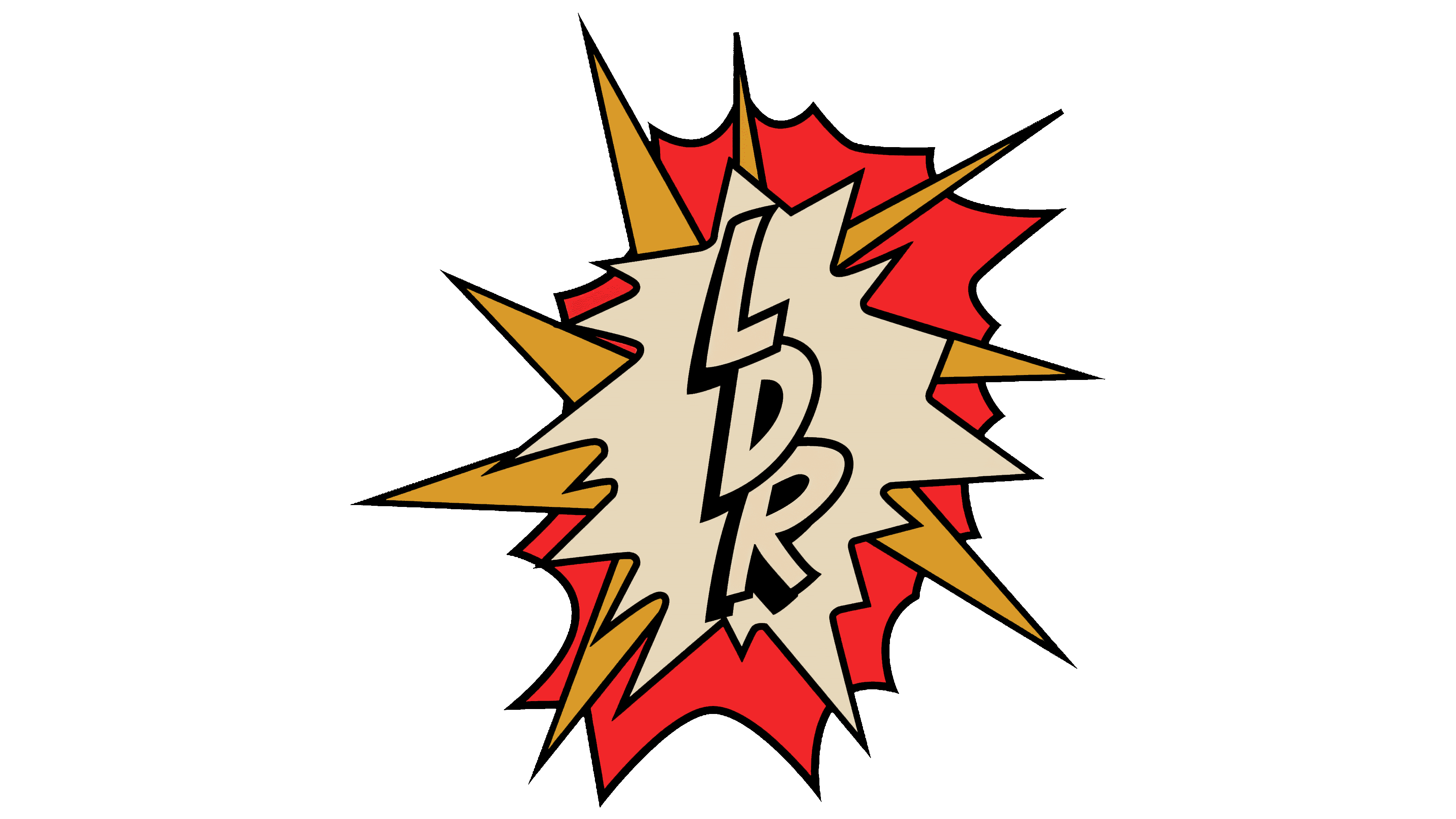
The sixth album is titled Norman F*cking Rockwell! decorates the image of the explosion as it appears in the comics. But here, instead of the word “Boom!”, the abbreviation is used, made up of the performer’s and the poetess’s initials. The exclamation mark at the end of the music collection’s name conveys a powerful impact. The explosion is rendered classically, with sharp spikes directed in different directions. The first is the red spot; the second, the yellow one, is located on it. The third element is superimposed on top of them and painted in a soft lilac hue. The letters in the inscription are contoured, with a slight thickening on the left and in the middle (in the intra-letter gap).
2020 – 2021

The following logo is minimalistic and austere. This likely fosters a serious attitude toward the author’s poems, presented in two formats: print and audio. The identity consists of the poetess’s name and surname in italics. They are in black letters on a white background. The symbols are refined and graceful, as is the poetry they represent.
2021 – today
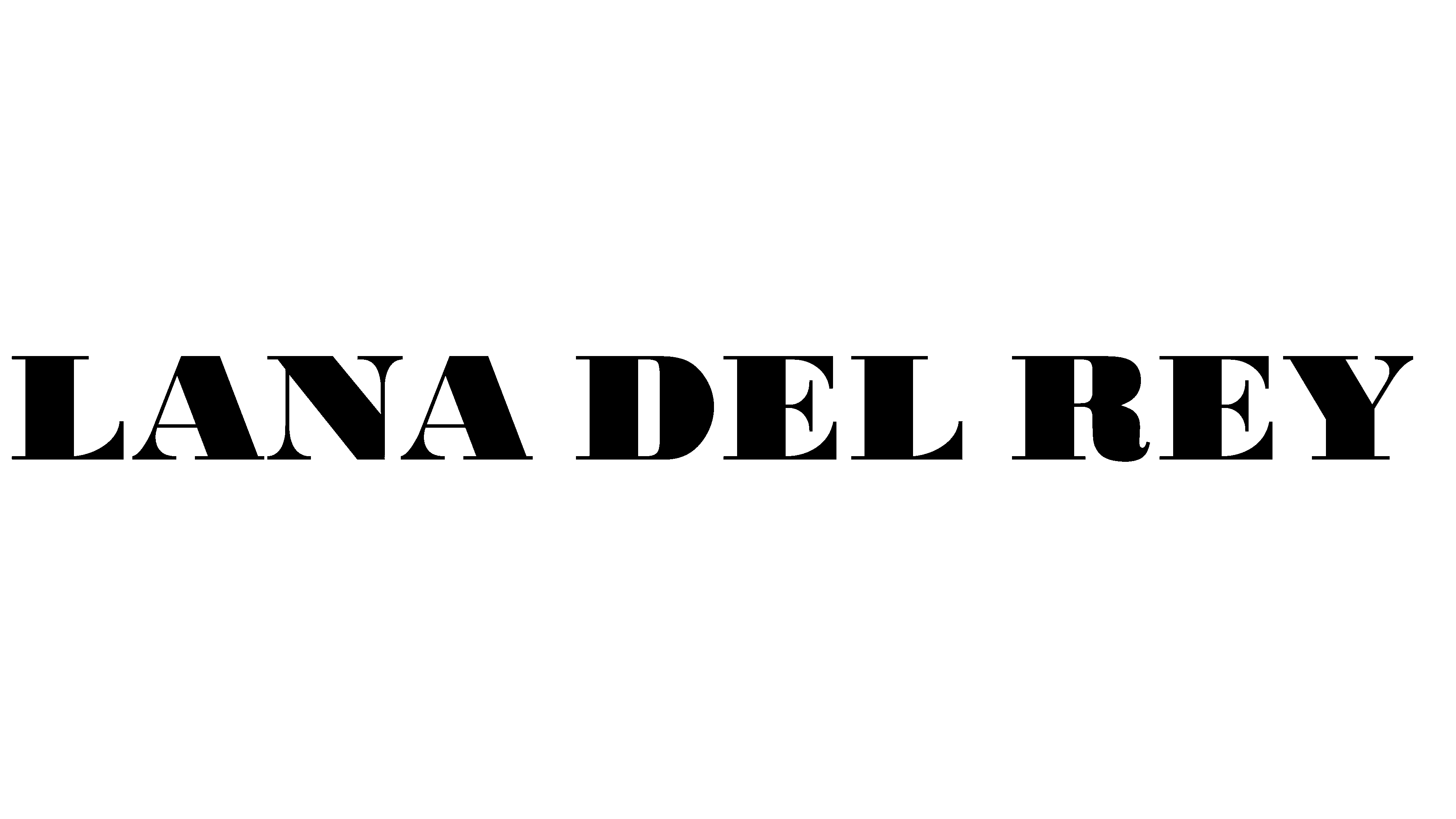
For the next two albums, we chose a thicker caption. Wide letters are complemented by thread-like beams and narrow elements on some of the legs, creating visual contrast. The black-and-white palette is retained.
Font and Colors
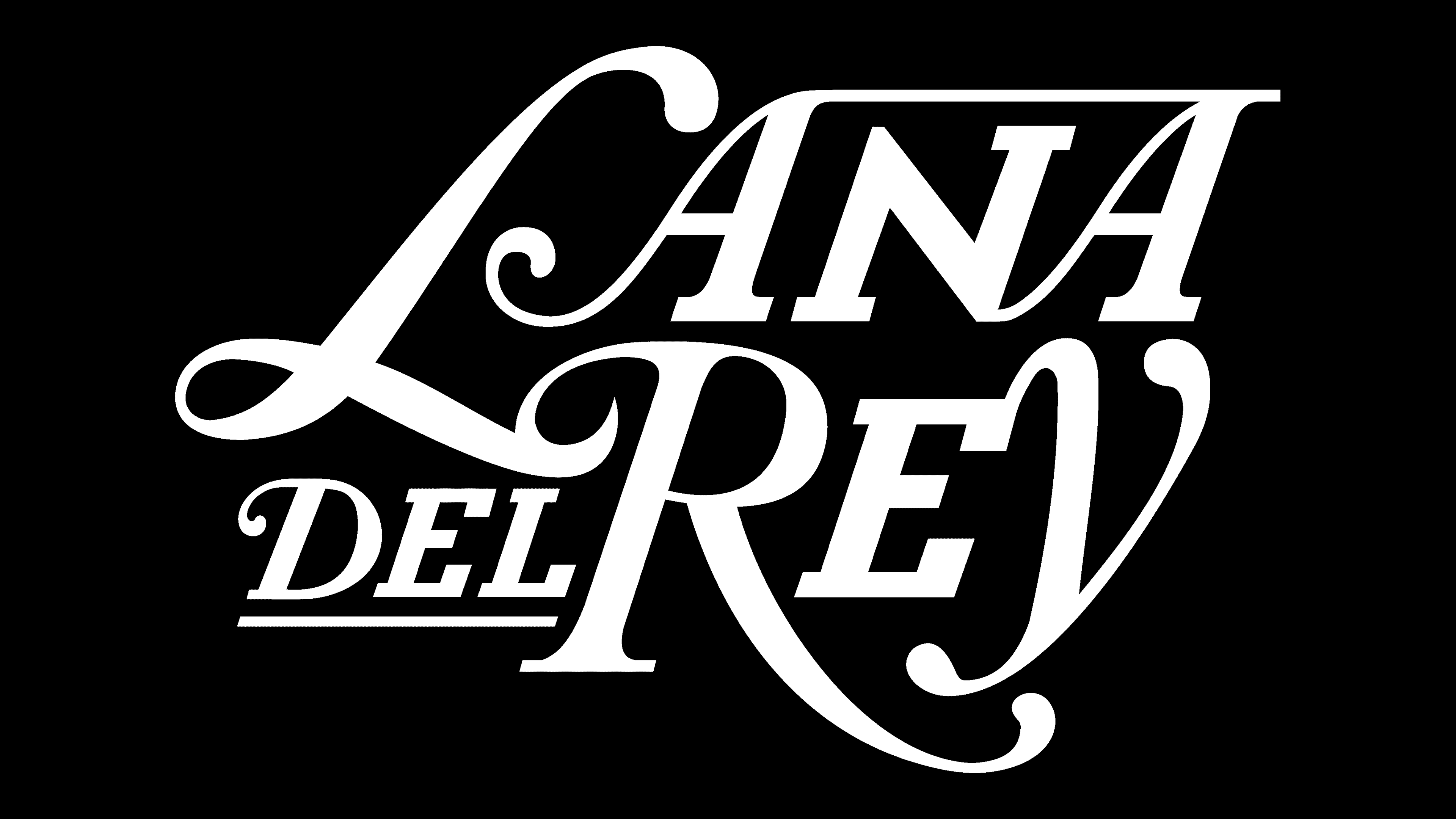
The 2019 logo has no font because it uses only hand-drawn elements adapted to the individual style. The lettering on the last album follows the design of the first emblem. It uses a modified version of the Muara typeface that resembles the debut logo. It also closely resembles Maron’s font.