


 Linux Logo PNG
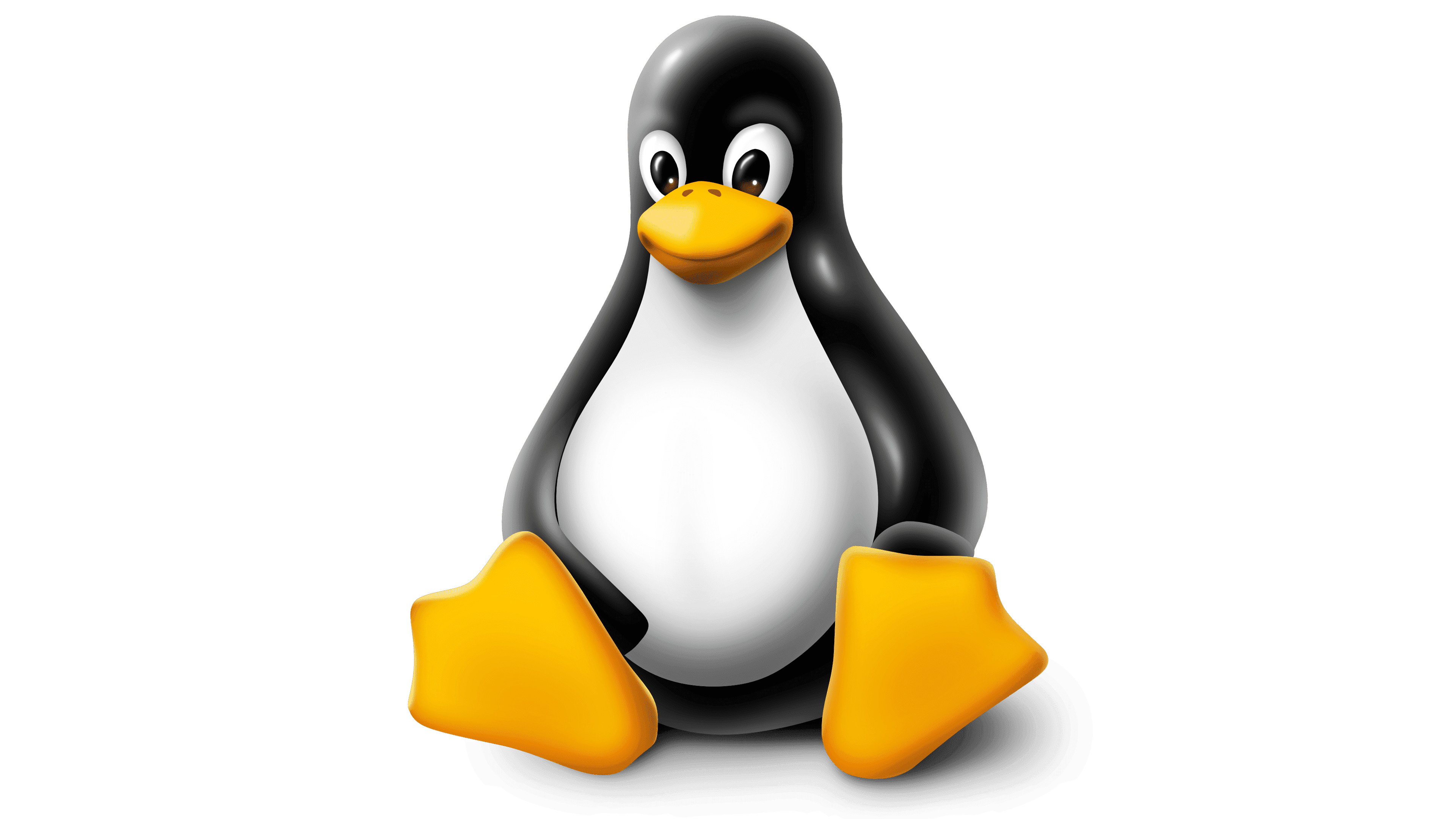
The recognizable Linux logo, which accompanies the entire family of operating systems, features a colorful mascot that reflects the developer’s passion. The comical Linux logo symbolizes the system’s friendliness, accessibility, and ease of configuration.
Linux traces its roots to 1969, when AT&T Bell Labs created Unix by Ken Thompson and Dennis Ritchie. By the 1980s, strict licensing limited access, prompting Richard Stallman to launch the GNU project. By 1990, GNU lacked only a kernel.
In 1991, Finnish student Linus Torvalds began writing one after rejecting MS-DOS and Andrew Tanenbaum’s MINIX. On August 25, 1991, he announced the project on Usenet. The name Linux was coined by Ari Lemke, who named the FTP directory.
On September 17, 1991, version 0.01 appeared with 10,239 lines of code. In 1992, Torvalds adopted the GNU GPL license, enabling open collaboration. Early distributions followed, including Slackware and Debian in 1993.
On March 14, 1994, version 1.0 launched with TCP/IP support. Red Hat and SUSE entered the market with commercial distributions. Linux competed with systems from Sun Microsystems and Microsoft Windows NT.
In version 2.0 (1996), multiprocessor support was added, and the Tux penguin became a symbol. In 1999, Red Hat and VA Linux went public. In 2000, IBM invested $1B, signaling corporate adoption.
In 2003, Torvalds joined Open Source Development Labs, which later merged into the Linux Foundation. In 2005, he created Git after licensing issues with BitKeeper.
In 2008, Google released Android, a Linux-based operating system. By the 2010s, the kernel had exceeded 19 million lines of code and was developed by nearly 12,000 contributors from over 1,200 companies.
Meaning and History

The OS and the company behind it share an official mascot: a stylized penguin named Tux. Moreover, the logo exists in several versions, each used depending on the situation. Each version depicts the penguin differently.
Although the operating system debuted in 1991, discussions of creating a unique logo began five years later. The team carefully discussed an incredible number of proposals. Some of them echoed other brands’ names or parodically repeated IT symbols.
The search continued until Linus Torvalds, the developer of a key component of the Linux system, mentioned in a conversation that he likes penguins. He also added that during his stay in Australia, one of them even bit him. That’s when the logo’s origin became clear.
Larry Ewing created the emblem’s debut version in 1996. Paradoxically, none of his versions had passed the competitive selection until then, and there were three. However, ultimately, this work became the mascot of the company.
What is Linux?
It is a family of operating systems that debuted in 1991 and is based on the Linux kernel. They are used for personal computers, mobile devices, servers, and specialized computers.
1996 – today

The logo depicts a penguin on a white background. It is executed in a strict style. The bird sits, stretching its legs forward, and looks intently at something. The beak resembles a real one; later, it will be depicted as a triangle. The animal’s face has a benevolent expression, emphasizing the operating system’s friendliness. This version is still relevant.
2005 – 2008
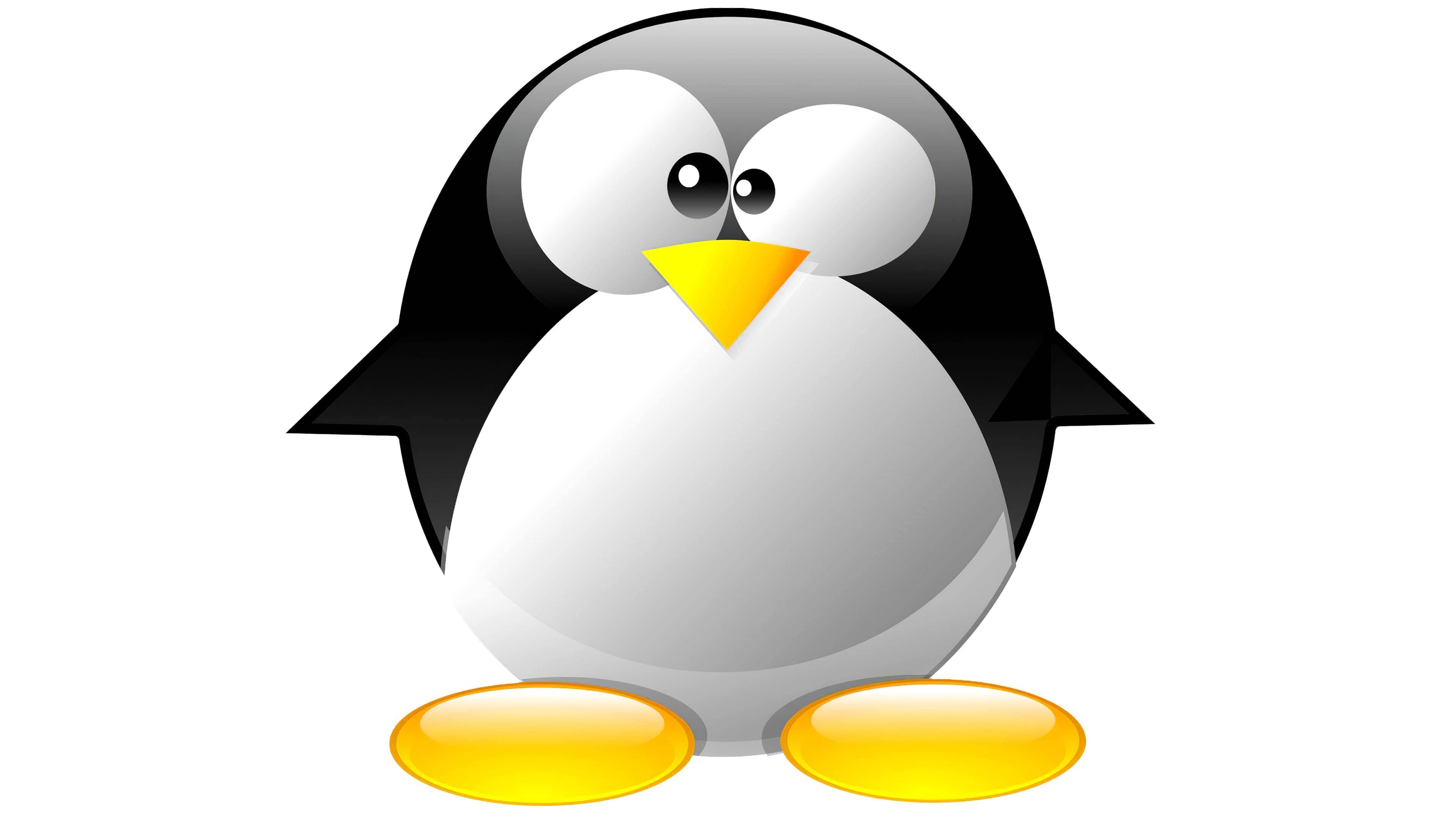
In 2005, an attempt was made to replace the mascot with a clumsy, funny one, executed in a parodic style. In this form, it lasted three years. The emblem depicted a fat penguin with strangely drawn eyes, as if it didn’t understand something. This is evidenced by the wings spread in different directions, as if the bird is shrugging in bewilderment.
2008 – today
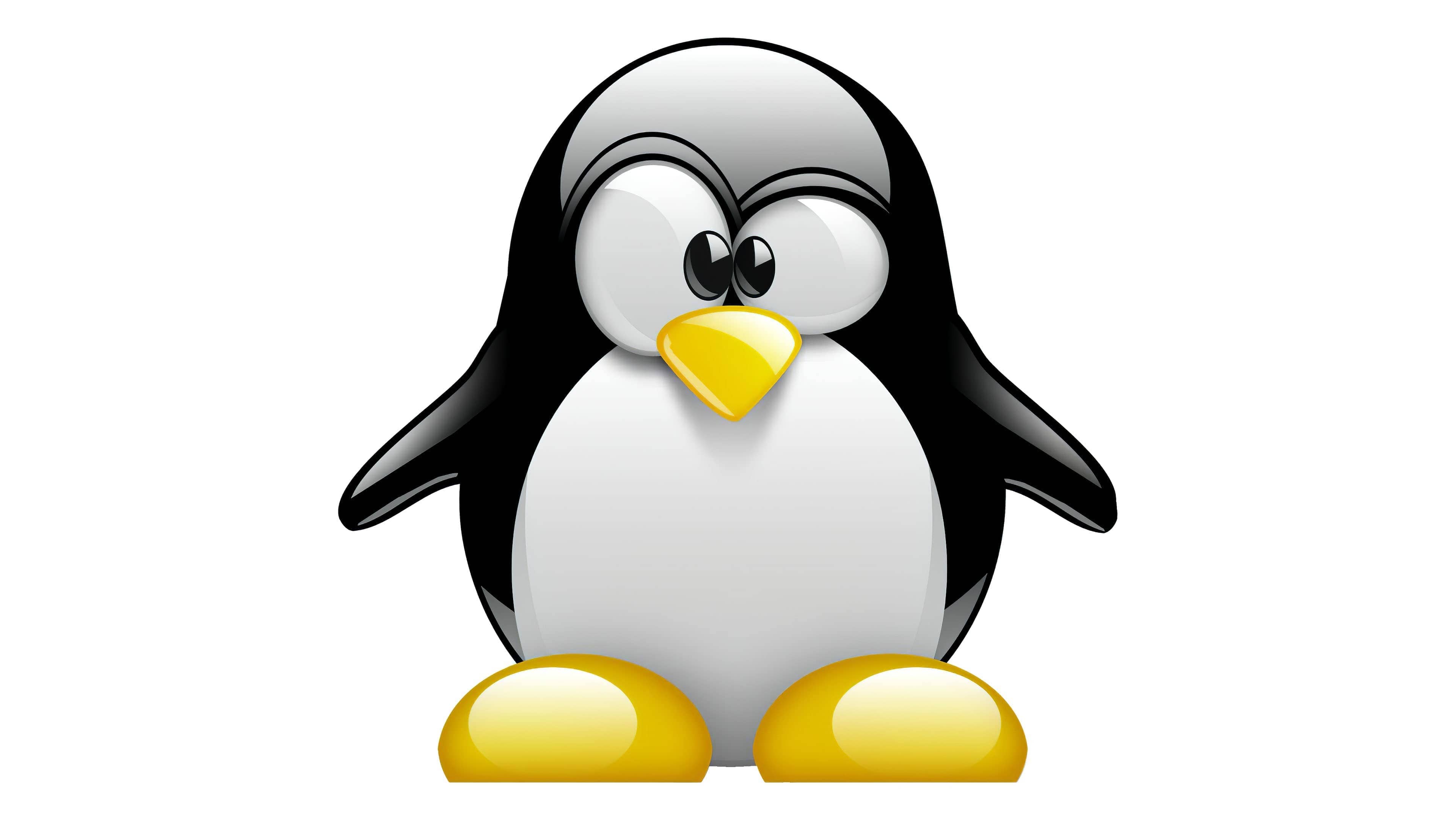
Alongside the debut logo, work is underway on a modern version in which the penguin appears awkward and perplexed, standing with its wings spread and bulging eyes. The designer used a cartoonish drawing style, so instead of paws, the bird has two yellow ovals.
Font and Colors

The penguin is the key element of the corporate logo. It faces us and, depending on the version, sits or stands. The bird’s eyes are large, and it looks either joyful, surprised, or puzzled. In one version, it also has a semblance of a smile.
The mascot’s name has several interpretations and has become the emblem’s main element. James Hughes, who proposed the nickname Tux, said it comes from a merger of several jests and is an acronym: (T)orvalds (U)ni(X). Users suggest that it is a shortened version of the word “tuxedo,” because penguins look like they are wearing tuxedos and tailcoats.

The word “sign” is not the main part of the emblem; it may consist only of the penguin and contain no inscriptions. But when used, it is rendered in a non-standard serif font. The first letter is uppercase; all others are lowercase. The logo’s classic palette combines warm yellow, white, and black. They signify happiness, intelligence, and enthusiasm.
FAQ
What Does the Linux Logo Represent?
The Linux logo contains no inscriptions. It only features the operating system’s main symbol: the penguin. It is depicted in a cartoonish 3D style. Additionally, the artist gave it disproportionately large eyes.
What is Linux Used For?
This operating system is widely used on web servers, switches, routers, automotive infotainment platforms, household appliances, phones, and more.
Why Does Linux Have a Penguin?
The operating system’s developer, Linus Benedict Torvalds, suggested using a penguin as Linux’s symbol. He explained that, at a zoo, a little penguin bit him, and since then, he has suffered from “penguinitis.”
What is the Linux Mascot?
The penguin named Tux is Linux’s only mascot.