


 Lululemon Logo PNG
The Lululemon logo is distinctive for its stylized first letter, which symbolizes the phrase “Athletically Hip.” The name has no inherent meaning and was deliberately invented to include three ‘L’s to “repel” Japanese business and create dissonance with other names in that country.
Lululemon grew out of Chip Wilson’s earlier work at Westbeach Snowboard, founded in 1979. He spent years studying technical fabrics and youth markets. In 1997, he sold Westbeach and, after attending a yoga class, recognized a gap in the training-clothing market.
In 1998, Wilson launched Lululemon Athletica in Vancouver. The first space worked as a design studio by day and a yoga studio at night. Instructor feedback shaped products, including Luon fabric, a nylon-Lycra blend designed to hold its shape under strain.
In November 2000, the first store opened in Kitsilano. The brand avoided traditional advertising and relied on local instructors as ambassadors. Stores doubled as community hubs focused on yoga culture.
Expansion accelerated in the mid-2000s across Canada and into the US. In 2005, Wilson sold 48 percent to Advent International and Highland Capital Partners, handing operations to CEO Robert Meers. In July 2007, Lululemon went public on NASDAQ and TSX, raising about $327M.
Competition came from Nike and Gap’s Athleta, yet Lululemon focused on premium yoga apparel. Prices exceeded $100 per item, while sales per square meter stayed high.
In 2013, defective Luon leggings forced a recall of about 17 percent of the inventory. Wilson’s public comments on product fit triggered backlash, and he stepped down as chairman in December 2013.
Under the later CEOs, Laurent Potdevin and Calvin McDonald, the range expanded to include menswear and outerwear. In 2020, the company bought Mirror for $500M. In 2023, Lululemon stopped selling Mirror devices and partnered with Peloton to provide workouts to subscribers. By 2024, revenue exceeded $10B.
Meaning and History
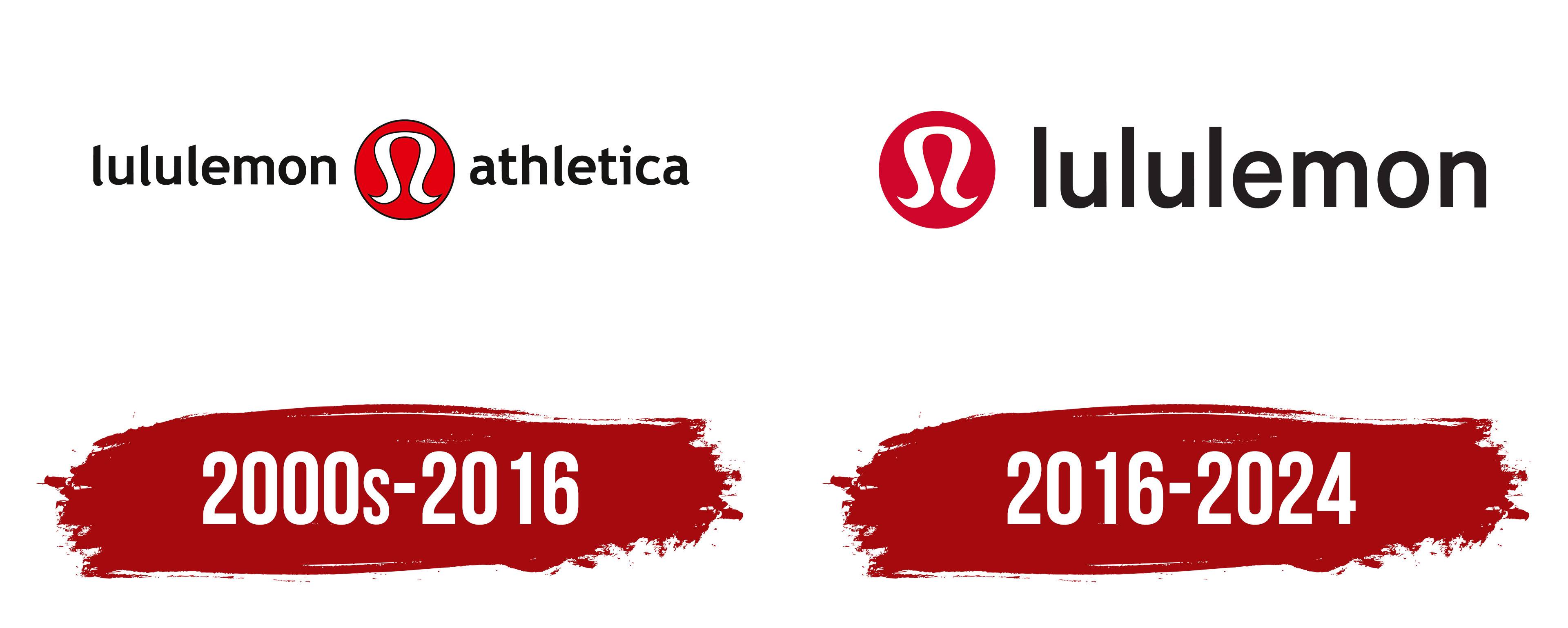
The brand’s logo appeared in its first year. Before making the final choice, the company’s founder hesitated for a long time, so he organized a contest. Among 20 proposed brand names, “Lululemon” caught his attention, and he liked the stylized omega Ω emblem, although its paired name did not win.
What is Lululemon?
The brand started by creating the perfect yoga pants and has since evolved into a stylish, high-quality producer of athletic and everyday apparel. It gained recognition for its unique fabric, which is breathable, comfortable, and almost invisible on the body. Initially focused on women practicing yoga, the company expanded its offerings to include clothing for both men and women, ranging from sports tops and leggings to jackets and accessories. These items suit both workouts and everyday wear. The brand has also built a community of people who share its values and support an active lifestyle and good health.
2000s – 2016
The Lululemon name and emblem retain traces of two proposed names. Women participating in discussion groups preferred the invented word lululemon. At the same time, the emblem was based on an “A” created for Athletically Hip, a name suggesting a blend of athleticism and style. Chip Wilson founded the yoga apparel brand in Vancouver in 1998. Sales began at a local studio in the Kitsilano neighborhood, and a standalone store opened in 2000.
Before lululemon, Wilson worked in surf and snowboard apparel under the Westbeach brand. While developing the new name, he experimented with sounds and repeated uses of the letter “l.” The invented word left room for interpretation. Wilson traced the idea behind its three “l” s to the sale of Homless Skateboards to Japanese partners. He believed English names with that sound were perceived as Western in Japan.
Twenty names and twenty emblems were presented for discussion. The sessions involved ten groups of ten women, ages 20 to 40. Wilson expected Athletically Hip to win, but the participants preferred lululemon. The initial “l” remained lowercase. He wanted the name to feel less assertive than those of men’s sports brands. He created “athletica” by adding an “a” to the English word “athletic,” giving it an Italian feel. The full name paired an invented word with a reference to athletic apparel.
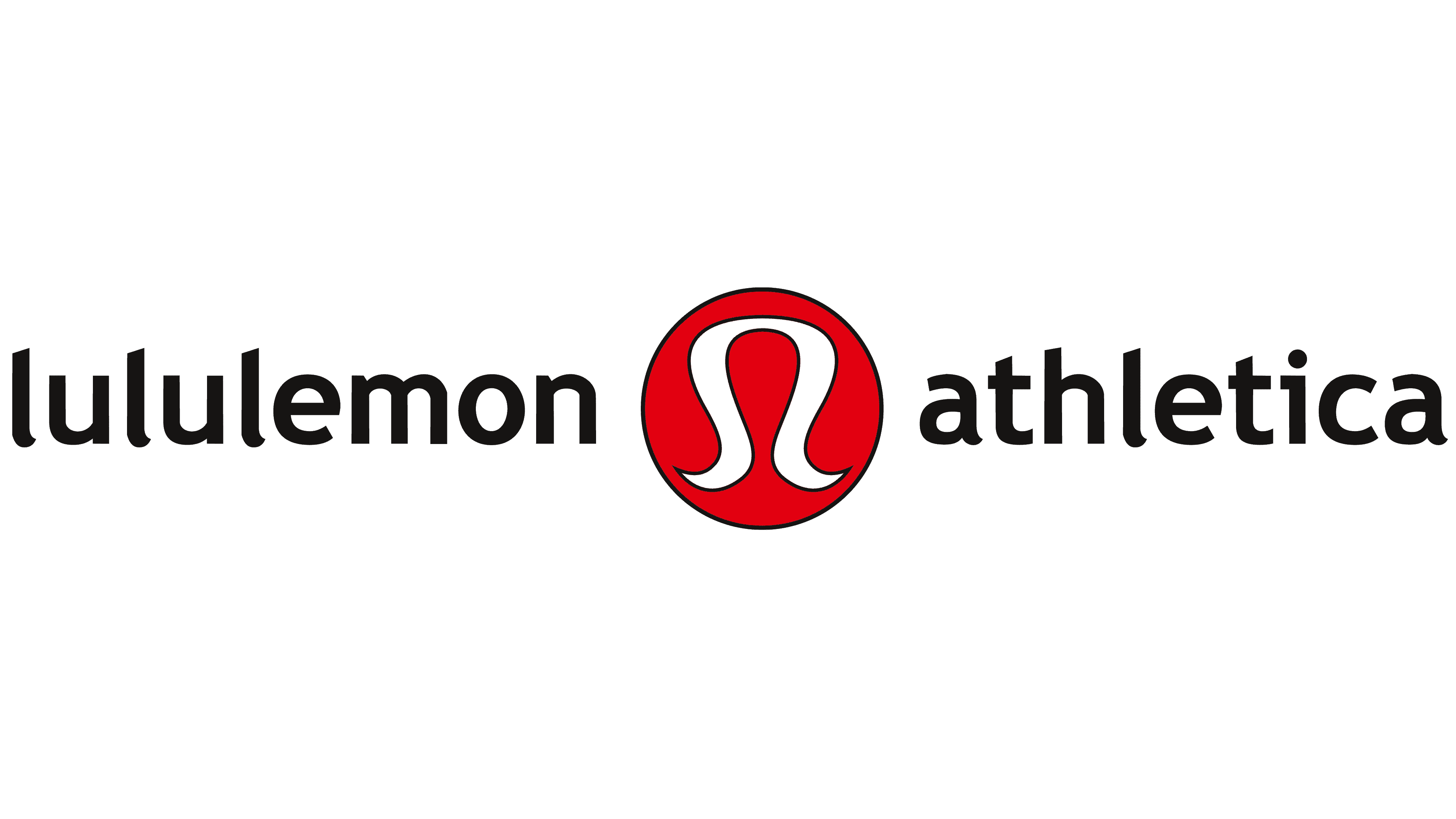
Although the participants preferred a different name, they approved the design for Athletically Hip. Wilson drew a stylized “A,” and artist Stephen Bennett placed it inside a circle. The letter had curved side strokes and no crossbar. The symmetrical white figure had a rounded top, narrowed in its lower half, and ended in two outward-flaring tips. Its curves resembled the Greek letter omega, although the design originated with the first letter of Athletically Hip.
The early horizontal logo placed the emblem between the two parts of the full name. lululemon appeared on the left and athletica on the right, both in black lowercase sans-serif lettering. The white figure sat on a red field, with thin black outlines tracing both the figure and the circle.
2016 – 2024
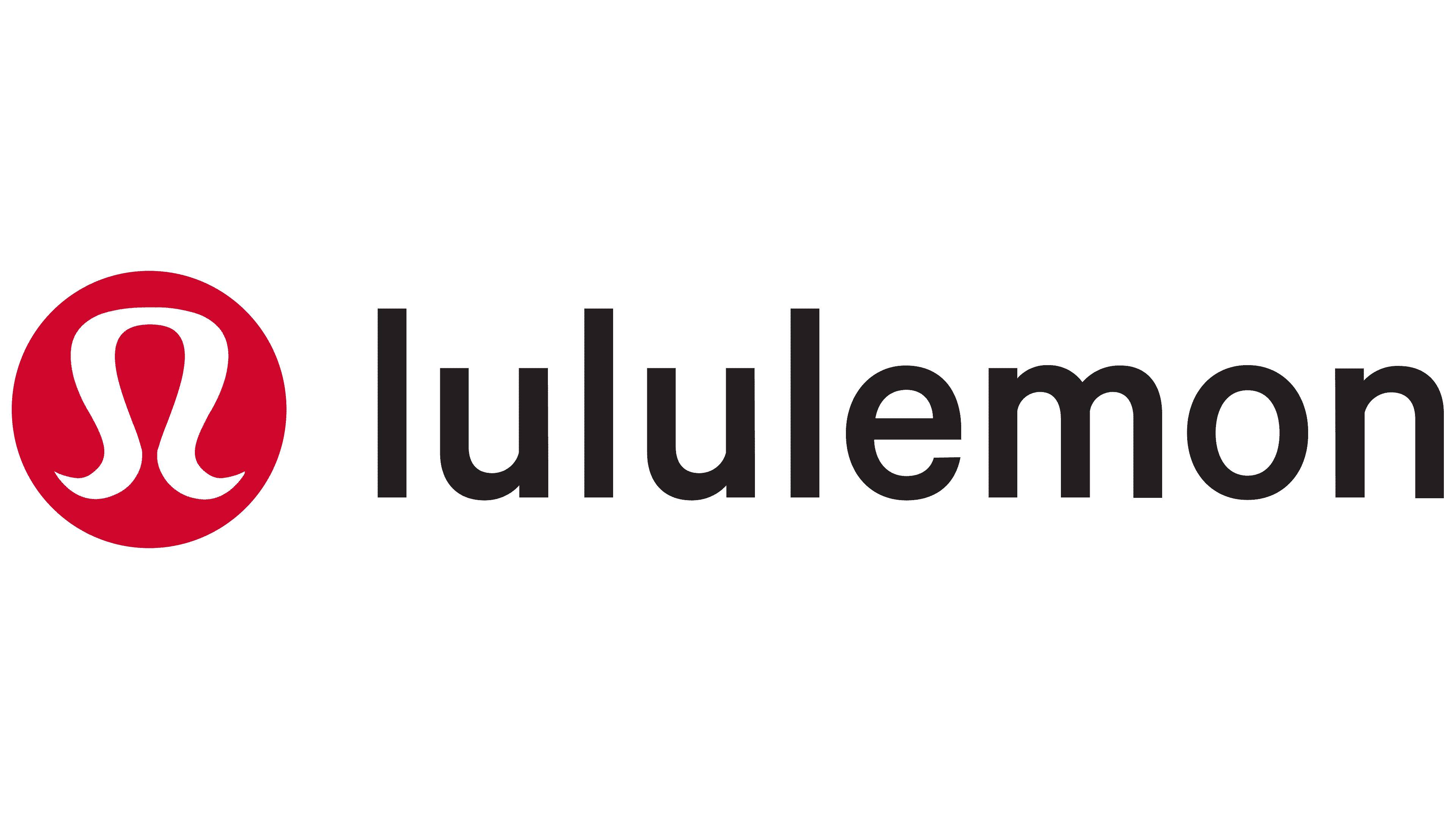
Shortening the name to lululemon in the summer of 2016 changed the logo’s arrangement. The word athletica was removed, and the red circle moved to the left of the name. The black outlines around the circle and the white figure inside it were eliminated. The name retained its black lowercase lettering. Later brand guidelines required the full name, lululemon, without abbreviations or the addition of athletica. The initial “l” remained lowercase even at the beginning of a sentence.
The 2020 standards called the circular emblem the “yogo,” combining “yoga” and “logo.” The wordmark used Calibre Medium, designed by Klim Type Foundry, with custom letter spacing. Its proportions were fixed, and the guidelines required the supplied logo artwork to be used rather than recreating it with typed text. Pantone 186 C was specified for the red. White and black versions accompanied the full-color logo for use on different backgrounds and in single-color reproduction.
Alongside the main emblem, lululemon developed a manifesto bringing together statements about everyday habits, sports, and personal responsibility. It appeared on red and black bags. In 2018, for the brand’s 20th anniversary, the manifesto was updated under the direction of company creative director Rémi Paringaux. The anniversary design included the designation 9818-20Y. The text was printed, embossed, applied in reflective materials, and knitted into apparel.
Pentagram, led by Eddie Opara, developed the manifesto’s new typography. Brankica Harvey, Ken Deegan, Pedro Mendes, and Xinle Huang contributed to the project. The work expanded the design possibilities for materials featuring the existing emblem while retaining the main logo. The circular symbol appeared between blocks of text, separating the statements.
The collaboration with Pentagram continued with lululemon practice. Type designer Chester Jenkins was brought in to modify Calibre. Related design work appeared in lululemon selfcare. The two lines had distinct identities while sharing the brand’s typographic foundation.
Font and Colors
The graphic symbol accurately conveys the yoga focus the company prioritizes. Therefore, the company chose it. Additionally, it resembles the capital letter “A” without a horizontal bar. The company’s full name, Lululemon Athletica, includes a word with this letter.
The logo evokes Omega, a letter of the Greek alphabet. The symbol is depicted in smooth lines, without sharp angles or abrupt transitions; all parts smoothly flow into one another. The logo sits in a circle between the two words of the company’s name.
The concise font with rounded letters looks perfect next to the smooth lines and curves. Together, they form a visually appealing harmony.
The logo’s palette includes several color combinations: red and white, and black and white. You can use them in various combinations, for example, a red sign with a white background, or vice versa.
FAQ
What Does the Lululemon Logo Represent?
The Lululemon logo resembles the Omega symbol, women’s hair, and a cattle brand. It represents a stylized letter “A” – the first letter of the phrase “Athletically Hip.” The creators wanted to name the brand just that, but another variant, Lululemon, won in the survey.
Does Lululemon Fix Logos?
This depends on the store where the Lululemon item was purchased. Some employees replace the logo, while others do not. No one is obligated to do this, since the company does not provide this service.
Where Does Lululemon Place Its Logos?
Lululemon places its logo on all its products. On clothing alone, the distinctive sign often appears on the shoulders, calves, or sacrum.
What Does the Word Lululemon Mean?
The word “Lululemon” has no meaning. Chip Wilson invented the word with three ‘L’s because he believed the Japanese found this letter difficult to pronounce. He wanted the brand name to feel authentic to Japanese speakers.