


 Romwe Logo PNG
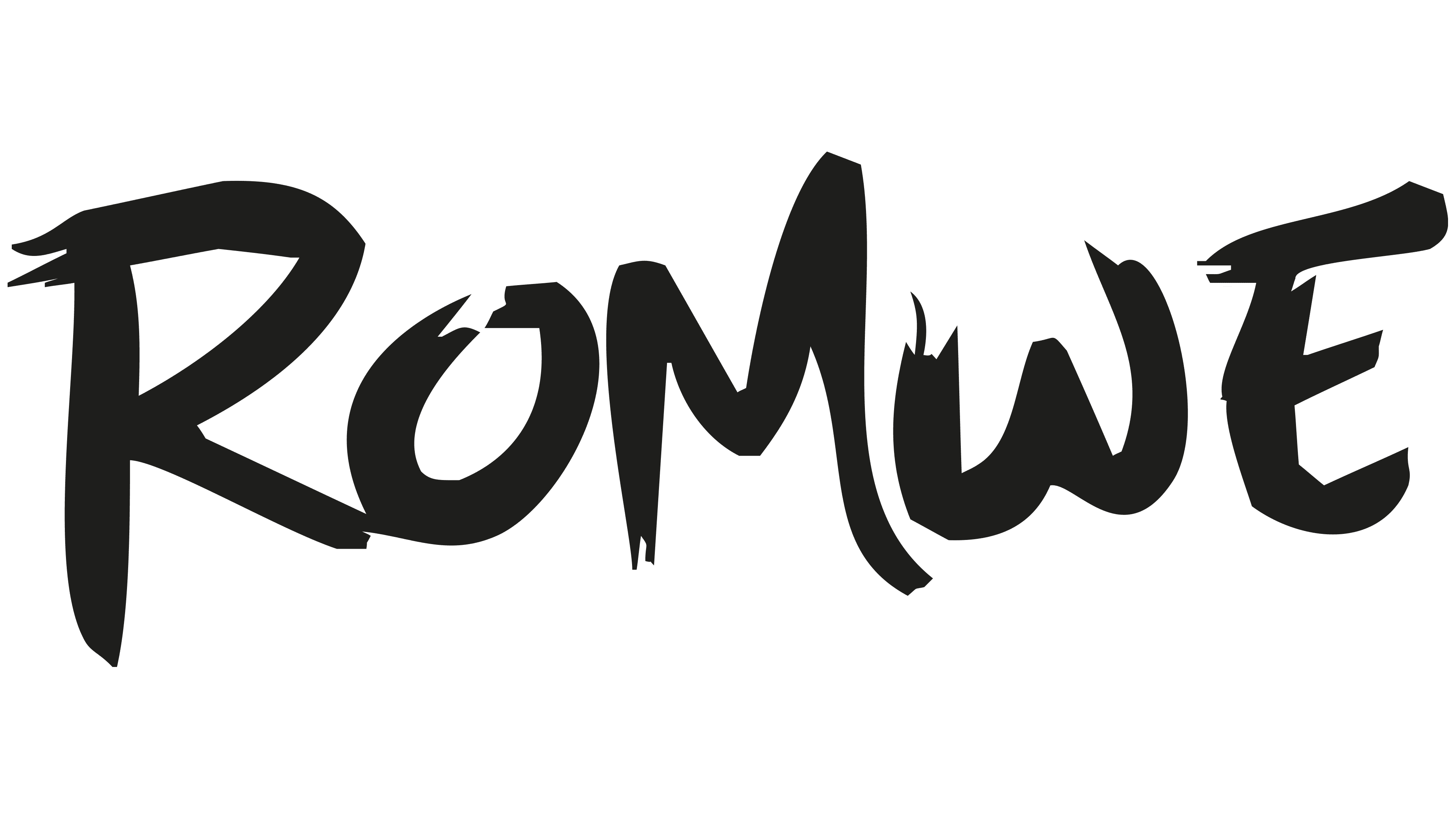
The Romwe logo encourages people to ignite, not depend on others’ opinions, and to be light and free. The emblem is closely associated with youth subcultures and sets the store apart from the classic retail identity options.
Romwe began in 2009 as a Chinese online store aimed at young women worldwide. It appeared that cross-border retail from China was taking shape, supported by the country’s large textile and garment production base. Factories in Guangdong and other provinces, once focused mainly on B2B work for Western brands and distributors, were looking for direct routes to overseas customers.
The platform followed the early Chinese export e-commerce model: an English-language website, PayPal payments, China Post delivery, and direct cooperation with local manufacturers. This structure allowed Romwe to offer blouses, dresses, and accessories at very low prices, without the costs of traditional stores, distributors, or wholesale chains.
Romwe differed from broad marketplaces by presenting itself as a trend-led fashion store with curated collections arranged by themes. Its core audience was women aged 18 to 35 who followed fashion but shopped on a limited budget. Regular catalog updates, with hundreds of new items each week, gave shoppers a reason to return often.
In the early 2010s, social media became central to Romwe’s growth. Tumblr, Pinterest, and Instagram helped spread outfit posts, tags, promo codes, reviews, and affiliate links. The brand competed with SHEIN, which began as SheInside, and Zaful, known for swimwear and resort clothing. During the 2010s, Romwe added men’s clothing, children’s products, and accessories, while women’s fashion remained its main category. By the mid-2010s, it served Europe, North America, Australia, and parts of Asia, accepted 16 currencies, and offered free shipping.
Meaning and History

The store’s logo has remained unchanged since its inception. The symbol matches the style of the clothing presented. It is just as extravagant and free. The store offers not just outfits but images that the shopper can try on for themselves. The emblem appeals to girls who are confident in themselves, unafraid to experiment, stand out in a crowd, and shock the audience.
What is Romwe?
A Chinese platform offering women’s clothing, shoes, jewelry, and bags at affordable prices in street fashion style. It collaborates with bloggers for advertising, providing free items for review. It owns warehouses in various countries, enabling express delivery of orders within a week.
2009 – today
The platform’s logo is word-based and set in black. It is quite eccentric and close to the goth style. The symbol represents the store’s uniqueness, showcasing items considered fashionable in Chinese culture. All products are divided into styles: goth (for mysticism lovers), kawaii (schoolgirl style, young virgins), and sweetness (for seduction).
- The letters of the inscription seem torn, and their uneven edges are fluttering in the wind. The logo demonstrates breaking boundaries, bold steps, and breaking the mold. The store’s outfits are not in the usual streetwear style the retailer leans towards. Elven ears, lace-up corsets, chains, harnesses, and fishnet stockings are combined with mini-skirts, very open tops, and dresses resembling school uniforms.
- The ends of the glyphs resemble tongues of flame. All images in the store are ultra-modern, bright, and memorable. They are similar to the blazing fire of a bonfire.
- The inscription is associated with torn clothing, all in the street-fashion style. It speaks of carelessness, extravagance, and the desire to stand out against the general background.
The unfinished letter O is reminiscent of bracelets with spikes, collars, chains, and hoops abundantly represented on the website.
Font and Colors
The black logo color is always trendy and pairs well with any product color. It indicates that the retailer’s offers will help emphasize the shopper’s individuality and create an unforgettable image.
The font for the ultra-fashionable clothing website could not be used as a placeholder, so it was specially designed for the platform. The writing style is free, like careless brushstrokes. They form angular letters of varying sizes with torn, unfinished ends. However, the emblem does not look incomplete. The symbol has its own unique charm and handwriting.