


 Seventeen Logo PNG
The Sex Pistols logo is grotesque and provocative. It seems like random newspaper clippings pieced together to form a message. This emblem represents a band focused on image and unconventional presentation, catapulting them to fame.
The Sex Pistols’ history traces back to 430 King’s Road in London. In 1971, Malcolm McLaren and Vivienne Westwood opened Let It Rock, later renamed Too Fast to Live Too Young to Die, then Sex and Seditionaries. The store became linked to London youth reacting to the economic crisis and cultural tensions in the mid-1970s.
In 1974, Steve Jones approached McLaren regarding The Strand. McLaren had returned from New York after working with the New York Dolls and began forming a lineup with Paul Cook and Glen Matlock. In 1975, John Lydon joined after an informal audition using a music machine, later known as Johnny Rotten.
The first performance took place on 6 November 1975 at St Martin’s College. In 1976, EMI signed the band and released Anarchy in the UK on 26 November. On 1 December 1976, an appearance on the ITV Today program with Bill Grundy triggered national controversy, leading EMI to end the contract.
In 1977, A&M signed the group and dropped it within a week. Glen Matlock left, and Sid Vicious joined. On 27 May 1977, God Save the Queen was released during the Silver Jubilee and was later banned by the BBC. On 28 October 1977, the album Never Mind the Bollocks, Here’s the Sex Pistols reached UK number one. In January 1978, the US tour ended in San Francisco at Winterland Ballroom on 14 January with the breakup. Later events included Nancy Spungen’s death in 1978 at the Chelsea Hotel and Sid Vicious’ death in 1979. A reunion tour, the Filthy Lucre Tour, followed in 1996, and in 2006, the Rock and Roll Hall of Fame invitation was declined.
Meaning and History
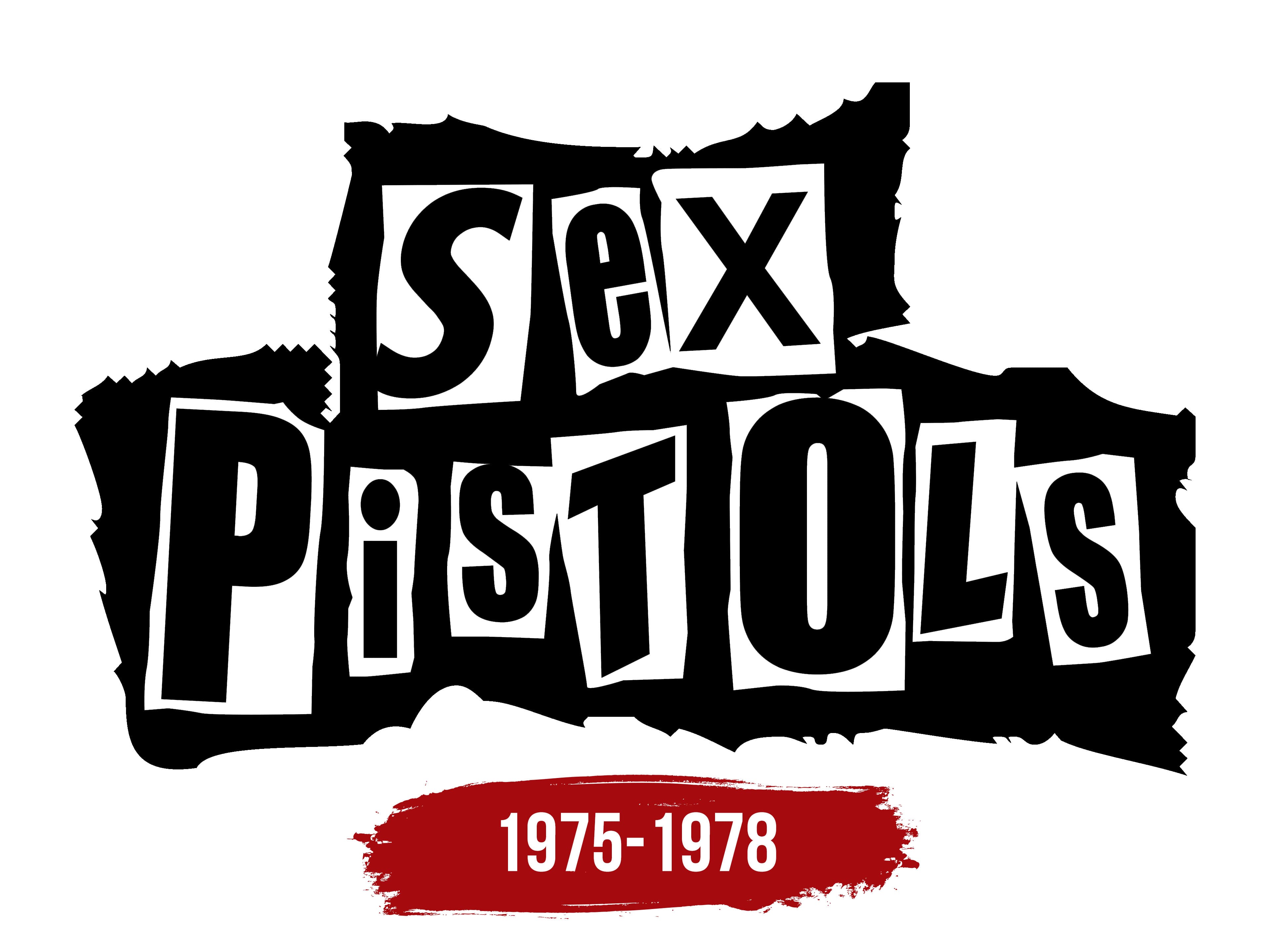
The band’s emblem captures the group’s spirit and views. It portrays young, free, and reckless guys whose beliefs are reflected not only in their songs but also in their appearance. The multi-layered logo embodies a cultural layer and lifestyle that the band’s creativity emanates from. The emblem was designed by the anarchist artist Jamie Reid, who worked in a newspaper clipping style.
What is Sex Pistols?
A controversial musical group is known for its aggressive, anarchic compositions and provocative behavior. No band in history has earned such a scandalous reputation in just three years of existence. The group catalyzed the English punk revolution and had a global impact on musical culture. Their most notable album is “Never Mind the Bollocks, Here’s the Sex Pistols,” which achieved platinum status.
1975 – 1978
The band’s logo is reminiscent of the Cartoon Network animation studio emblem, but appeared almost two decades earlier. It might have been the inspiration for Hatmaker Studios.
The black background seems torn from a whole sheet of paper, with jagged edges. This design conveys the band’s support for anarchy. The fragment suggests the lower classes, the band’s background, representing people who don’t adhere to societal norms, “torn” from decent society.
Because of the themes in their songs, the band was ostracized. Their music was often banned from airplay, albums seized, and concerts prohibited. The logo’s coarse background conveys a sense of rejection and aggression.
Each letter of the band’s name is set in a white rectangle with uneven edges. The light tones symbolized novelty. With the band’s emergence, punk culture arrived in England. The artists advocated for freedom, self-expression, and the breaking of established boundaries. The uneven white rectangles symbolize revolution and anarchy. No rules, not even geometric ones.
The band’s name was suggested by manager Malcolm McLaren, who owned the Sex Shop. The primary goal of the name choice was to shock people and introduce a group of sexy, young, and bad boys. The term is a reworked name for the female reproductive part of plants, “pistilla sex.”
The letters in the name are uneven and vary in size. Placing capital elements within the word strengthens its association with anarchic sentiments where ranks cease to matter. The quintessence of these beliefs was the single “God Save the Queen,” which was banned in the UK.
Overall, the symbol is very audacious and punk-showy. The letters were cut out from newspapers and pasted onto the background, forming an overall collage. This concept conveys the theme of sensation and, at the same time, complete disrespect for the press. It’s as if the musicians wrote about themselves using newspaper lines that didn’t want to write about them.
Font and Colors
Black and white are the primary colors of the emblem, just as the main tones in punk attire are, and the musicians endorsed them. Dark, provocative makeup, black leather pants, and jackets are essential to an anarchist’s image. The color alludes to sharp, provocative music and the projection of negative thoughts and desires.
The emblem’s font is free-form, not adhering to any proportions, slants, or sizes, aligning perfectly with the band’s views.