


 Stella Artois Logo PNG
The Stella Artois logo creates a cheerful and celebratory atmosphere. The symbols show that the drink suits holidays, parades, and tournaments. The emblem alludes to white foam in tall glasses and the bright, natural-ingredient taste of beer.
Stella Artois traces its history to Leuven, Belgium. Tax records from 1366 mention the Den Hoorn brewery, whose name means “The Horn” in Dutch. The hunting horn later remained part of the brand label. The first specific document confirming Den Hoorn dates to 1466, though the company uses 1366 as its starting point.
In 1708, Sébastien Artois joined Leuven’s brewers’ guild and trained under Den Hoorn’s head brewer, Jacob de Bruyn. In 1717, he bought the brewery and renamed it Brouwerij Artois. After his death, the business passed through the Artois family until 1840, when Jeanne Marie transferred the family’s breweries to Albert Marnef.
The modern Stella name appeared after Den Hoorn’s reconstruction in the early 20th century. In October 1925, brewers made five test batches under the code “X.” On January 19, 1926, the Stella trademark was registered in Leuven. The beer was created as a Christmas gift for the city, and “stella” means “star” in Latin. By 1930, it was brewed year-round and sold beyond Belgium.
After World War II, exports resumed, and by 1964 Stella Artois was sold in other European countries. In the 1980s, Whitbread promoted it in the UK with the “Reassuringly Expensive” campaign, competing with Heineken and Beck’s. In 1988, Brouwerij Artois helped form Interbrew, and David Taylor refreshed the packaging around the 1926 label, the Den Hoorn horn, the 1366 date, and exhibition medals. Interbrew merged with AmBev in 2004 to form InBev, then acquired Anheuser-Busch in 2008 to create Anheuser-Busch InBev.
Meaning and History
The roots of this enterprise run deep. In 1366, a tavern in Leuven brewed an alcoholic drink for hunters. Its debut logo featured a hunting horn, which the owners used to mark their products. At the time, the brewery was called Den Hoorn.
In 1717, Sebastien Artois, who had been the head brewer there since 1708, bought the factory. He called it by his surname. At that time, the company was known as Brouwerij Artois. In 1926, the manufacturer first produced Christmas beer, timed to coincide with the winter holiday and named after the Christmas star. In 1930, the company began delivering products to the European market.
In 1988, artist David Taylor of Taylorbrands redesigned the label, packaging, and bottle design. He connected the brand’s history to the present by depicting a hunting horn. He also indicated the opening date of the Den Hoorn brewery, which served as the basis for Stella Artois. The new design also contains architectural elements specific to the city of Leuven.
What is Stella Artois?
Stella Artois is the name of the beer and the company that produces it. The main plant is located in Belgium. The beer was first brewed in 1366, when it was named Den Hoorn, and was served in a tavern to hunters. Under the modern brand, it appeared in 1926. Anheuser-Busch InBev SA/NV owns the Belgian brand through its subsidiary Interbrew International B.V.
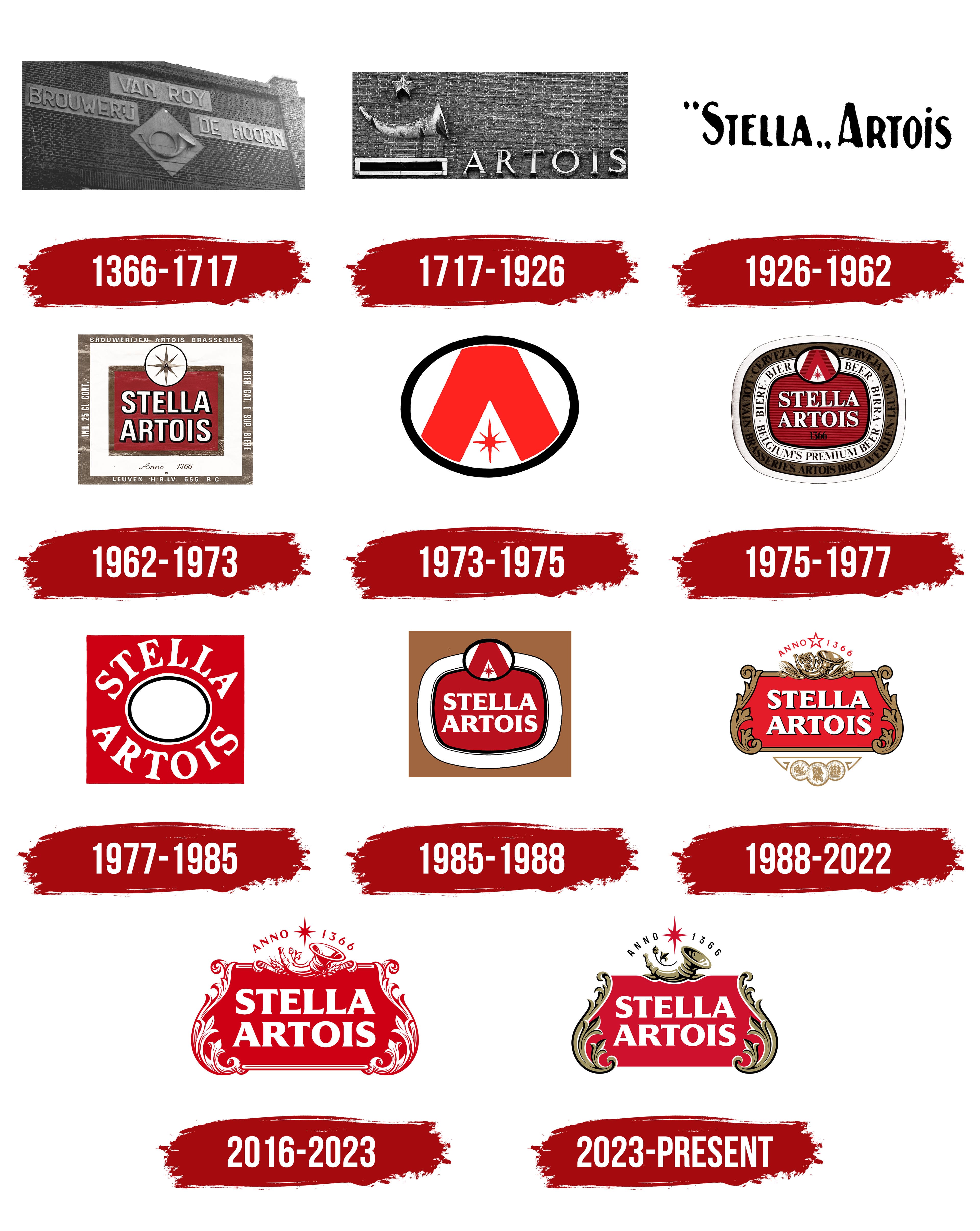
1366 – 1717
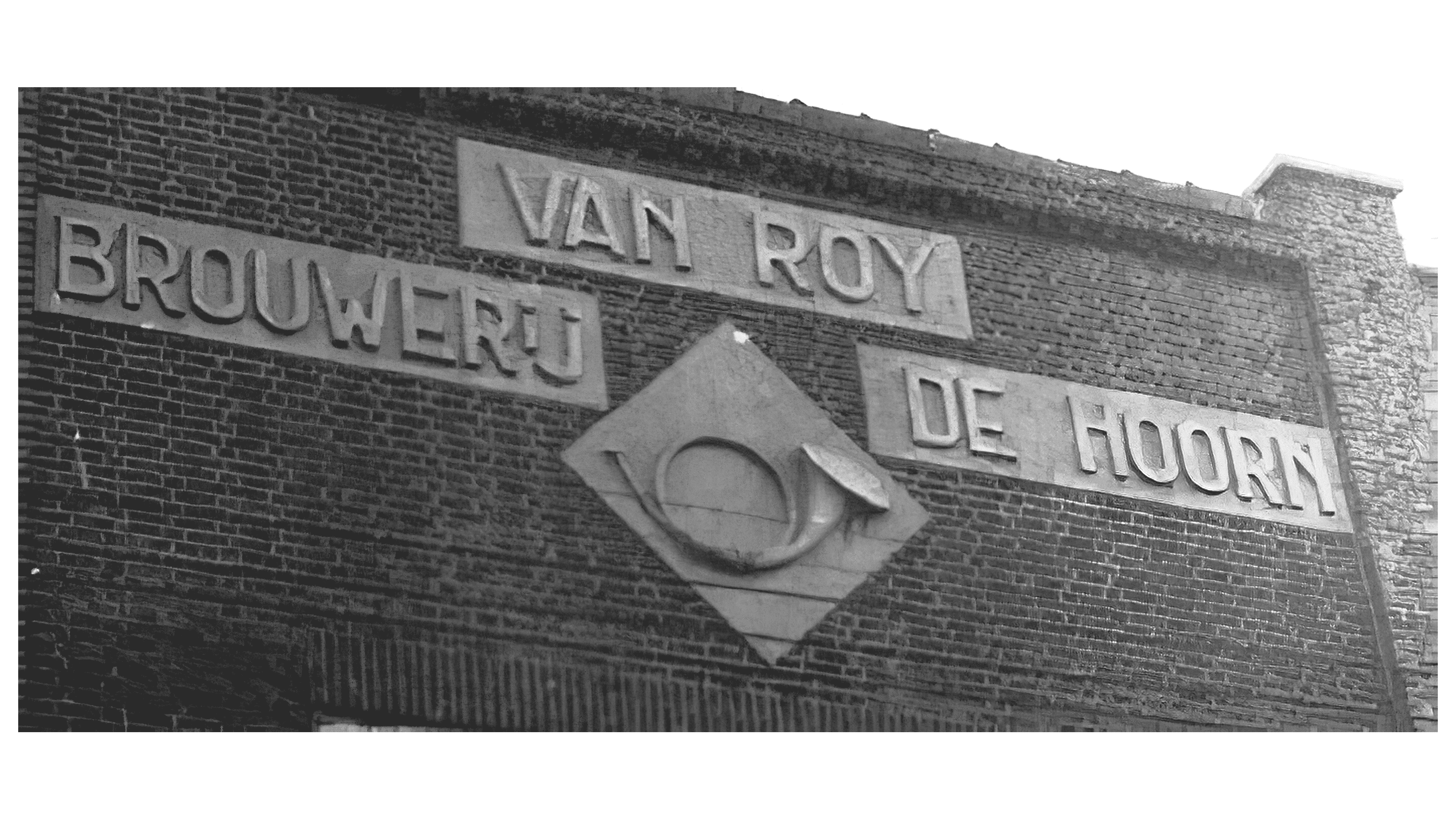
In the first years, when the brewery was combined with a tavern, its main distinguishing feature was a hunting horn. This is because it served alcoholic drinks to the hunters, which was reflected in the name Den Hoorn. Translated from Dutch, it means this particular instrument. The emblem also included the inscriptions “Van Roy” (above) and “Brouweru” (to the left of the horn). The text was typed in a grotesque font, and the horn was placed in a regular rhombus.
1717 – 1926
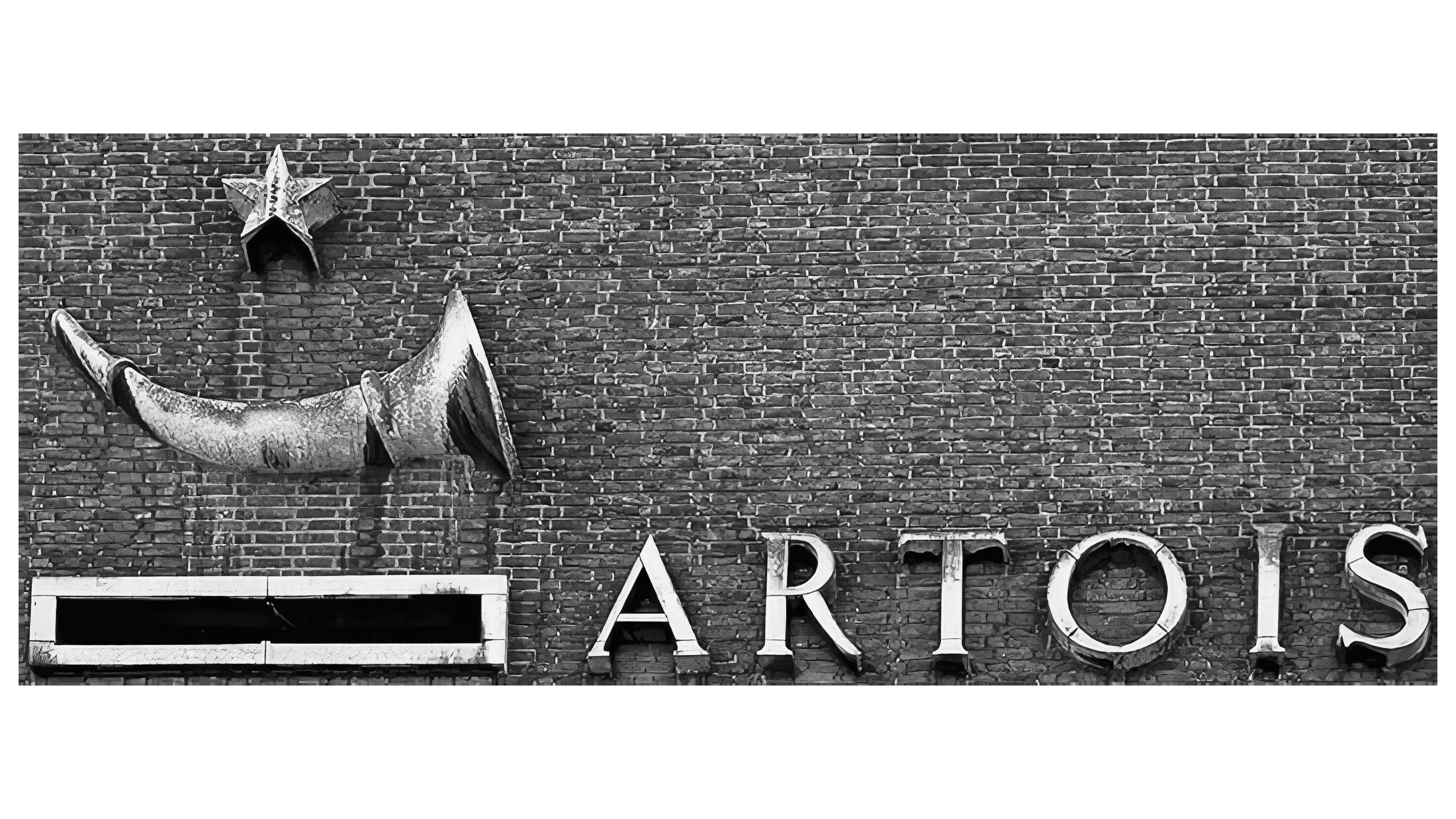
After the rebranding, the company became known as Brouwerij Artois. A single star lit up above the hunting horn, denoting the main winter holiday, Christmas. Nearby was the name of the company’s new owner, Sebastien Artois. The letters were thinner and sleeker in this version, with miniature serifs.
1926 – 1962
A laconic logo containing only the brewery’s name marks this period. The inscription was black, sans-serif, and set in an elongated type with thickened lowercase letters (the initial characters in each word remained in capitals). The first part of the name was in quotation marks because it was used not in its direct meaning but as a symbolic one (as a nickname).
1962 – 1973
In 1962, the Stella Artois label changed dramatically. It received a genuine label and was developed in accordance with all design rules. The emblem depicted a square with a light brown border. Inside was a wide white frame, behind which was another dark brown one that framed the central red square. It contained the company’s name. The letters were white, with a black outline. Above the inscription was a pointed star in a circle, reminiscent of a compass bearing. She had a single “A” in the middle. The logo also featured the brewery’s founding year, the beer type, and other production information.
1973 – 1975

In the simplified version, the Christmas star theme became predominant. Therefore, the designers enlarged the element within the circle, turning it into an oval with a stylized “A” and a bright star instead of a crossbar. The main color palette consisted of red (basic elements), black (frame), and white (background).
1975 – 1977
This version used an emblem of a very complex structure. The multi-component sign included three wide semi-oval stripes separated by thin black lines, supplemented with different information. A red background occupied the center, with the beer brand name painted white for contrast. The inscription was grotesque and in uppercase. Below was the year the company was founded, and above was a small icon depicting the previous logo.
1977 – 1985
For several years, the emblem was again minimalist. It was based on the name, divided into two parts, and painted white with slight shading on the right side. At the top was the word “Stella,” below which was “Artois.” In the center of the red square, a black oval-shaped ring was placed. Its middle was empty, just white.
1985 – 1988
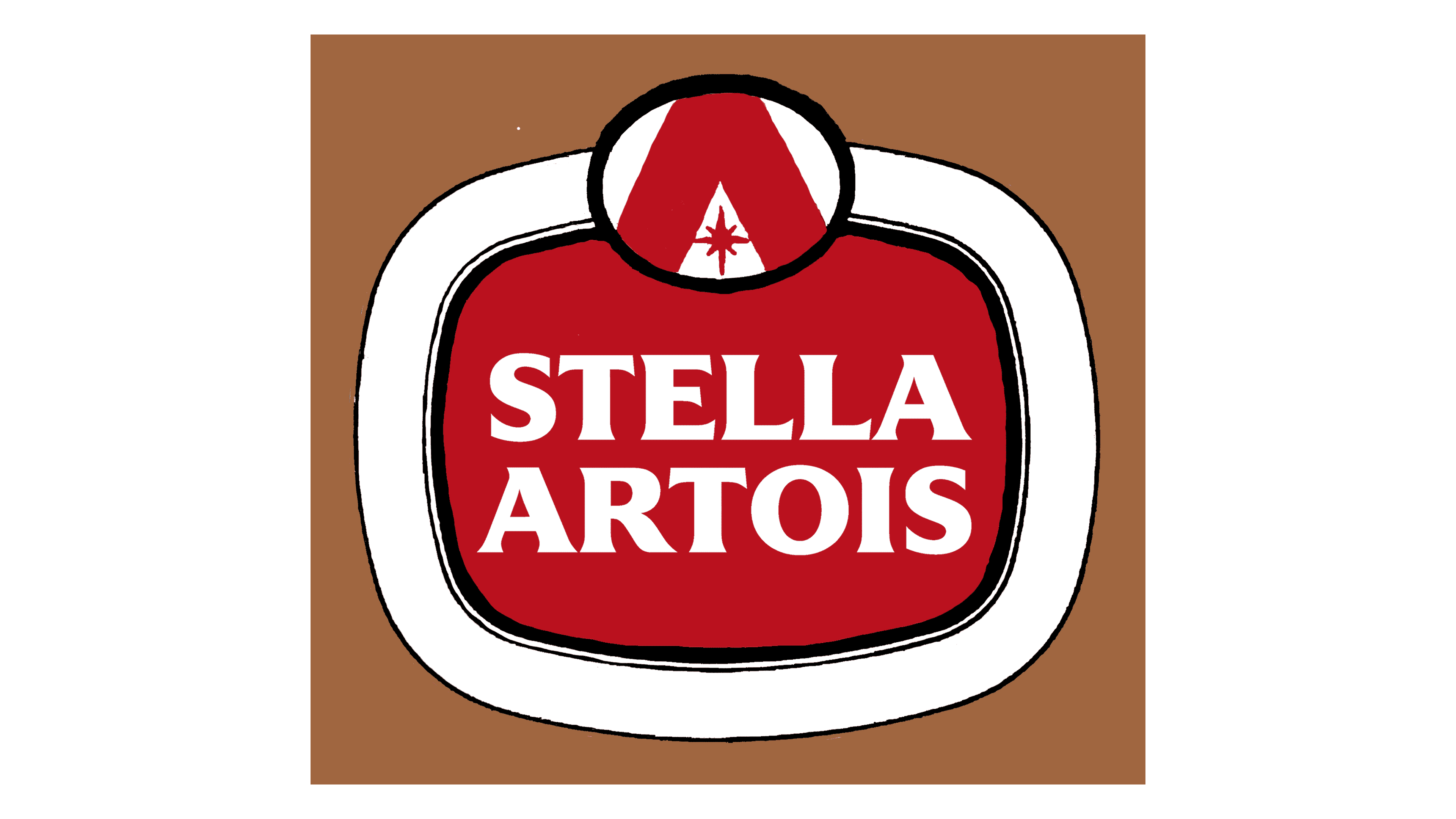
This logo was a simplified version of the one used from 1975 to 1977. The number of edging stripes has been reduced to one wide stripe and two thin stripes. The designers removed the text, keeping only the centered name. The oval now has a light-brown square in the background.
1988 – 2022

Graphic artist David Taylor created this iconic logo at Taylorbrands. He worked extensively on the brewery’s visual identity, presenting a label that connects to the enterprise’s history and activities. The developer kept the red background and centered the title, but regrouped everything else by adding new elements. Curly lines and curls appeared around the text, resembling hop stalks. However, this is stucco, characteristic of the architecture of the buildings in Leuven, where the brewery was opened.
At the top, the author placed a hunting horn, reminiscent of how it all started in a tavern, where beer was served to hunters and made for them. Around the cone, ears of barley, wheat, and hop cones are visible. Above them, the archway bears the year of the brand’s creation: “Anno 1366”. And between the word and the date is a miniature star. Under the company’s name, the artist depicted three medals awarded to outstanding beer.
2016 – 2023
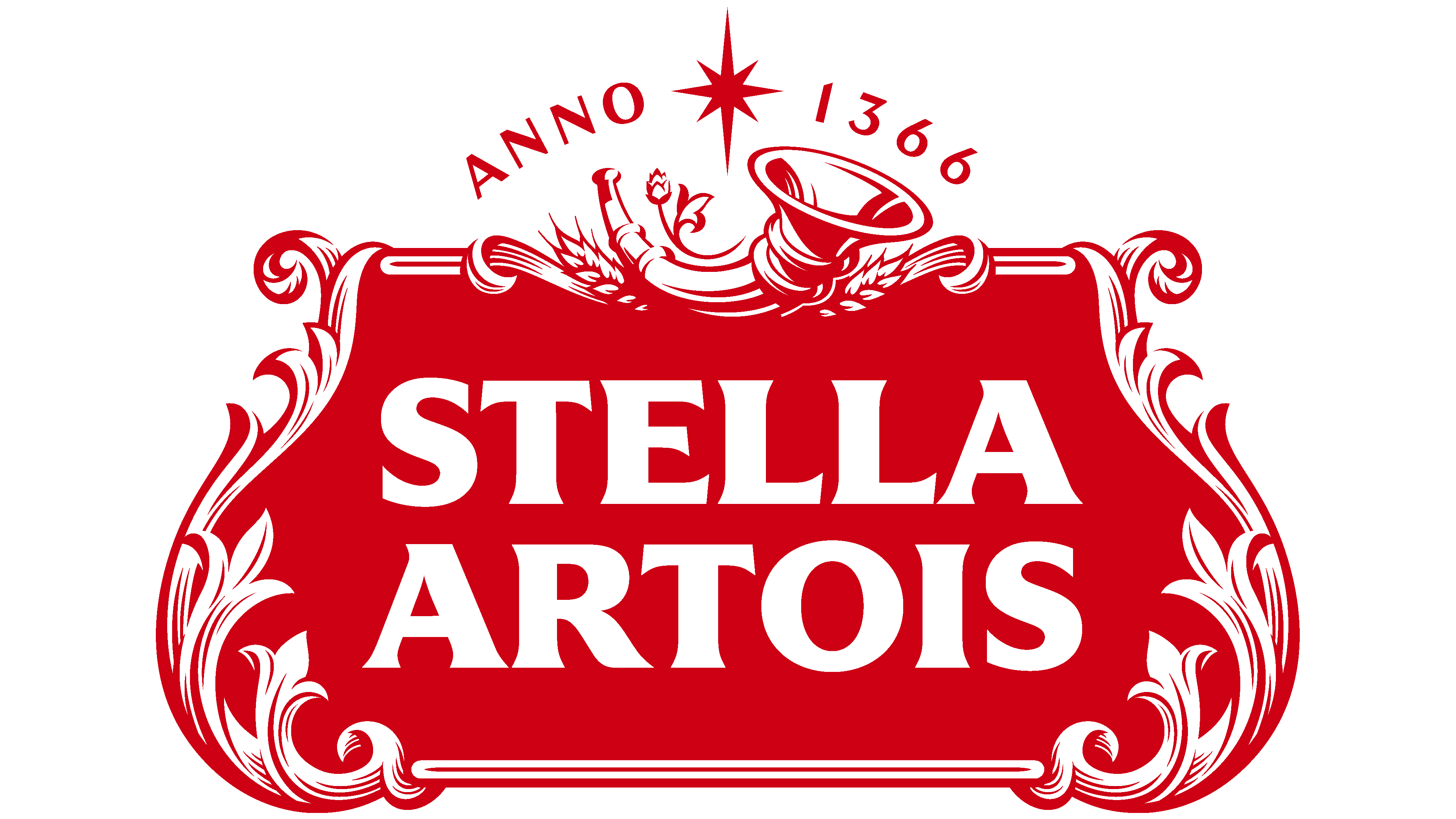
The modern logo lacks a red-and-gold palette, with red as the main color. The designers removed the lower elements and simplified the upper ones, leaving only two ears, one hop leaf, and one cone. They restored the 1973-1975 star shape and removed the black outline from the letters and the side curls.
2023 – today
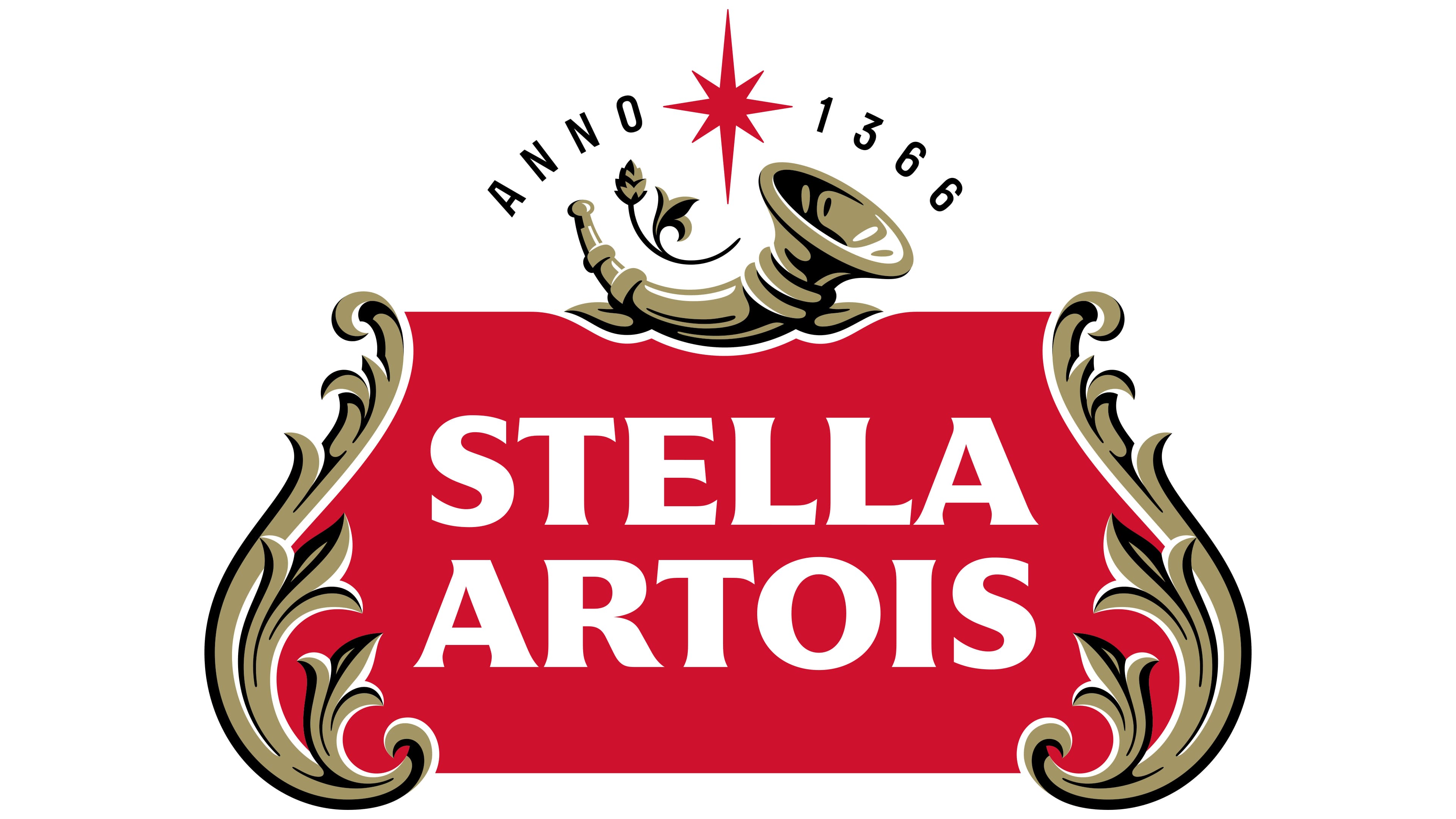
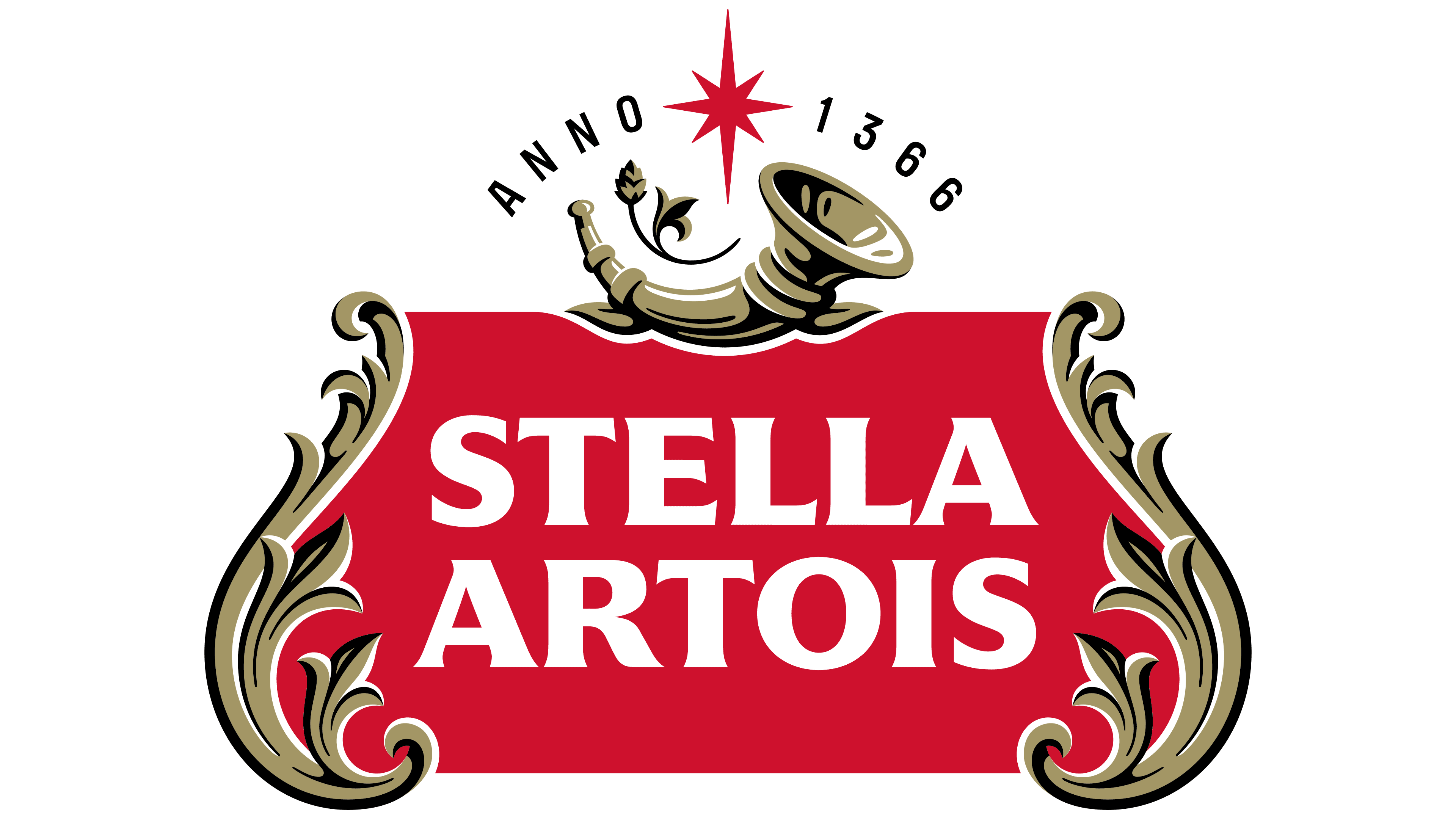
The Stella Artois logo conveys respect for brewing traditions and craftsmanship while remaining fresh and modern. At its center is a bright red trapezoid featuring the brand name in large white letters. The serif font adds solidity and emphasizes its connection to history.
A horn is at the top of the logo, symbolizing artisanal traditions and craftsmanship. Its rounded shapes and golden hue evoke rich flavor, while details like shadows and curves add depth and expressiveness. A hop stem with a cone and leaves emerges from the horn, highlighting the ingredients’ natural origin and high quality.
Above the horn is an eight-pointed star, symbolizing light and festivity. Its bright red stands out without disrupting the overall design harmony. Nearby are the numbers “1366,” the brewery’s founding year, emphasizing the brand’s rich history and pride in its roots.
The sides of the logo feature historical-style scrollwork. The golden lines add elegance and a sense of luxury to the visual symbol. Despite the decorative elements, the composition remains easy to perceive, creating an image of craftsmanship honed over centuries.
The red, white, black, and gold color palette effectively highlights the brand’s prestige. The red background makes it striking and noticeable, golden details add sophistication, and white letters ensure clarity. Black is used for the numbers, drawing attention to the historical legacy.
The updated design preserves the key elements tied to the brewery’s traditions while removing unnecessary details, making it more modern and easier to read. The Stella Artois emblem reflects the elegance and craftsmanship the brand has carefully cultivated for centuries.
Font and Colors
The Stella Artois logo alternates between simple and complex designs. It alternates between a minimalist sign and a more complex, multi-layered one. Recently, the emphasis has shifted to the company’s historical roots, when it was known as Den Hoorn and brewed beer for hunters. The Christmas star also plays an important role in the brand’s identity, as the brand is named after it.
Modern logo versions use the Friz Quadrata typeface as a bold sans-serif with elegant, almost invisible serifs. The corporate palette comprises red, gold, and white, with black as the delimiting color.