 UK Labour Party Logo PNG
The Labour Party’s history begins with James Keir Hardie, born in 1856 in Newhouse, Scotland. He never attended school, worked from childhood, and by age ten was employed in the coal mines of Lanarkshire. That experience shaped his early fight for workers’ rights.
In 1887, at the Trades Union Congress, Hardie proposed a workers’ party independent of Liberals and Conservatives. The idea met strong resistance, but in 1892, he entered Parliament for West Ham as an independent, becoming the first working man in the British Parliament. On February 27 and 28, 1900, socialist groups and trade unions founded the Labour Representation Committee in London. After winning 29 seats in 1906, it became the Labour Party, with Hardie as its first leader.
In 1918, Labour adopted a new constitution and declared itself socialist. By 1922, it had replaced the Liberal Party as the main opposition to the Conservatives. On January 22, 1924, Ramsay MacDonald formed the first Labour government, a minority cabinet backed by Liberals. In 1931, his coalition with the Conservatives and the Liberals split the party, and Labor fell from 288 MPs to 52.
Labour joined Churchill’s wartime coalition in May 1940, with Clement Attlee as deputy prime minister. In July 1945, Attlee won 393 seats and led a government that nationalized key industries and, in 1948, created the National Health Service. Later leaders included Harold Wilson, James Callaghan, Tony Blair, Gordon Brown, and Jeremy Corbyn. Blair’s New Labour won in 1997 and introduced the minimum wage, devolution, and the Good Friday Agreement. In April 2020, Keir Starmer became leader and led Labour to victory in 2024.
Meaning and History
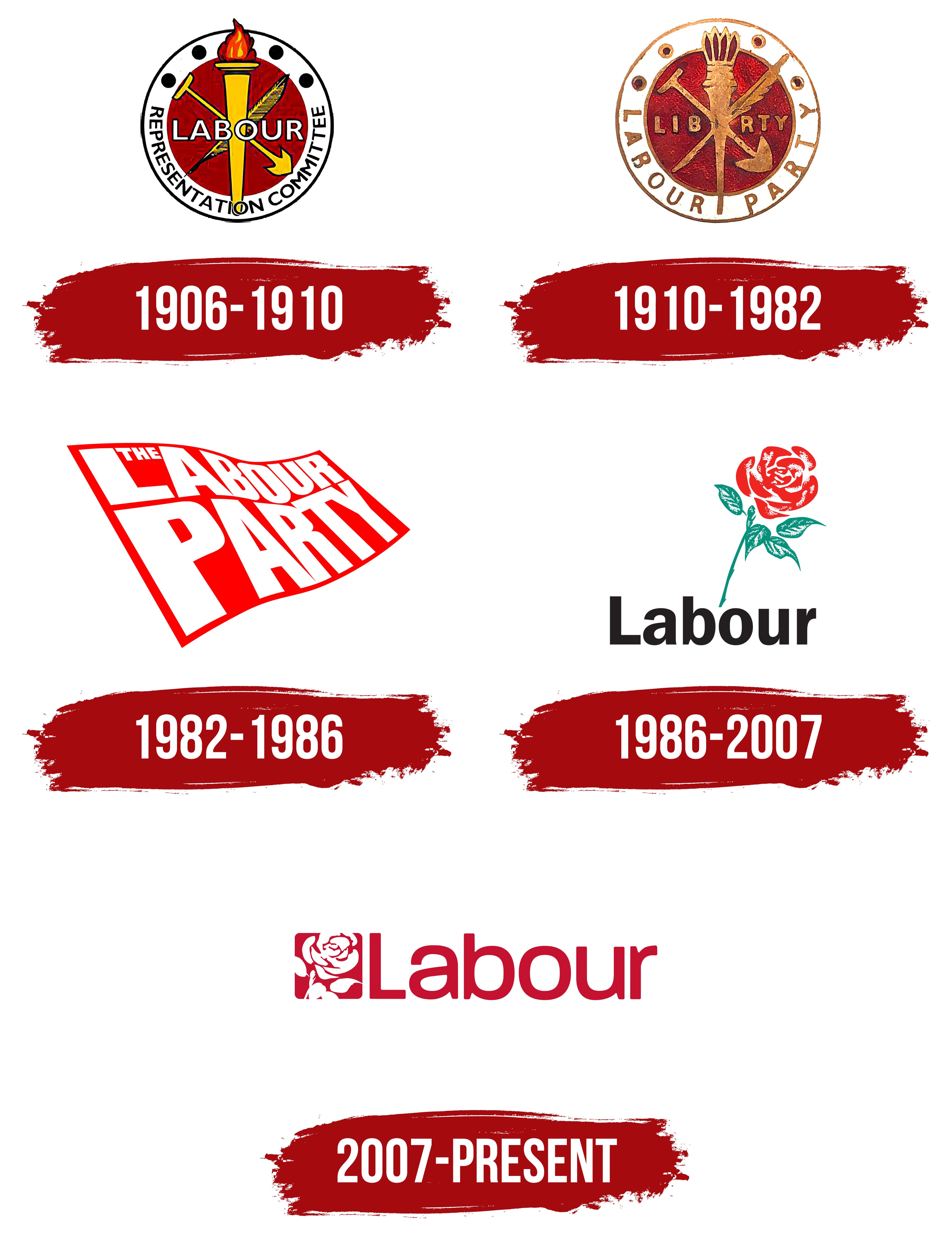
1906 – 1910

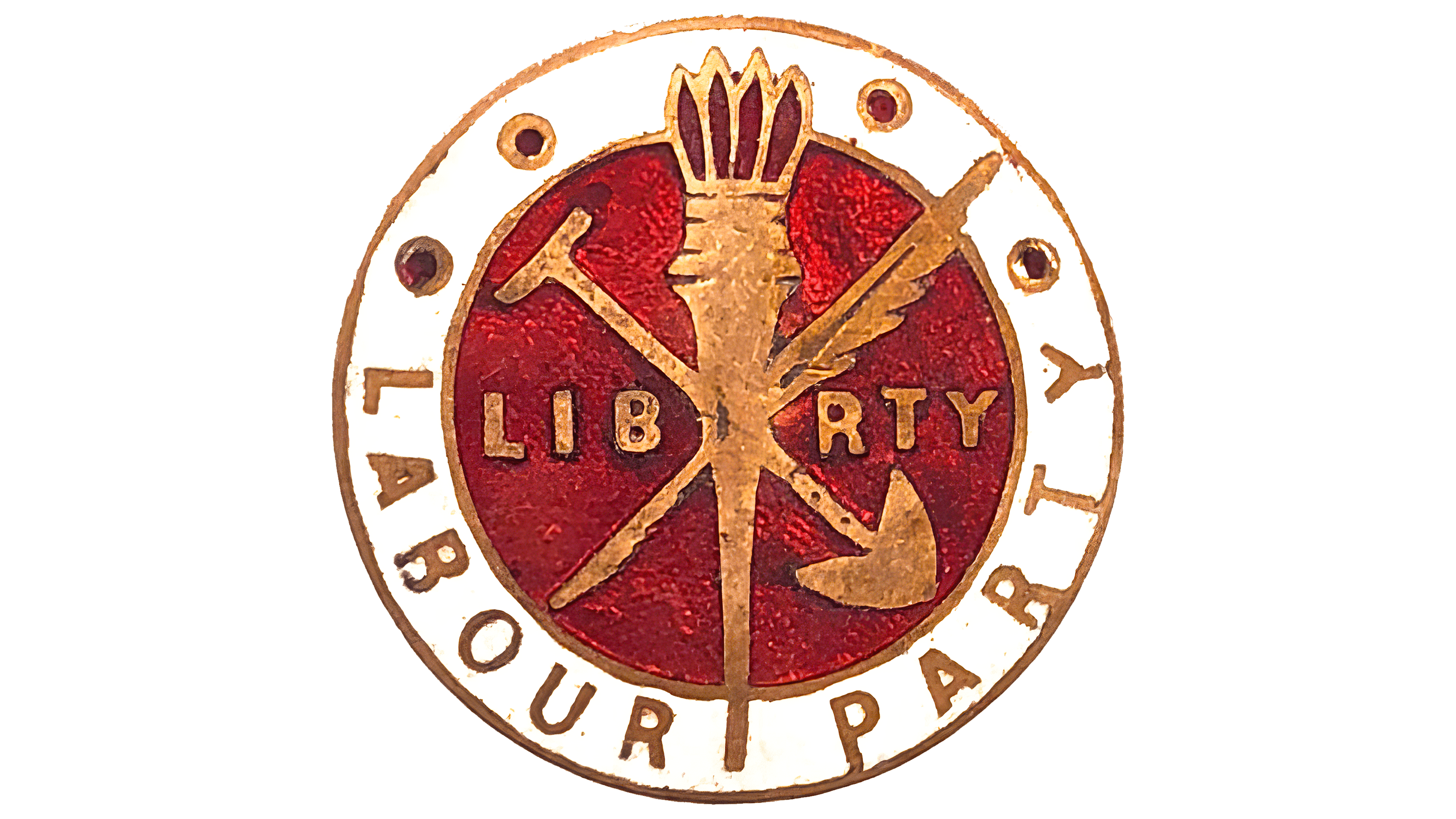
1910 – 1982
1982 – 1986

1986 – 2007
2007 – today