 Banco do Brasil Logo PNG
Banco do Brasil was created in Rio de Janeiro on October 12, 1808, by decree of Dom João VI, the prince regent of Portugal. The Portuguese court had moved to Brazil in 1807 during the Napoleonic threat, and the colony needed a bank to handle public debt, issue money, and support trade.
The first Banco do Brasil served as a commercial lender, the state treasury, and the sole issuer of paper money. In 1821, Dom João returned to Portugal and took the metal reserves backing the notes. After Brazilian independence in 1822, wars, deficits, and political unrest deepened the crisis. In 1829, parliament refused to renew the bank’s charter, and operations ended by 1839.
The bank was recreated on August 23, 1851, as a joint-stock company with a capital of 10 million contos de réis. It became a major lender to coffee exporters and planters. After the republic was proclaimed in 1889, the institution was reorganized again, later adopting the name Banco do Brasil for a third time and retaining the currency-issue monopoly until 1986.
In 1906, the bank joined the government’s coffee stock rediscount agreement, supporting coffee prices by buying surplus crops. In 1965, the Central Bank of Brazil was created, reducing Banco do Brasil’s official powers, even as it continued to compete with private banks such as Itaú Unibanco. After the 1994 Real Plan exposed losses, the government recapitalized the bank by about $8 billion in 1996. In 2002, it listed shares, and by 2010 its assets reached 811 billion reais, with operations in more than 20 countries.
Meaning and History
What is Banco do Brasil?
This is one of Brazil’s largest and oldest banks. It combines public and commercial functions, actively supporting Brazil’s economic development by offering a range of financial services, including asset management, insurance, retail, and commercial banking. The bank has an extensive nationwide network of branches, including major cities and remote rural areas, making it a key player in financial inclusion initiatives. The bank actively supports agribusiness, reflecting the importance of agriculture to Brazil’s economy, and helps Brazilian companies expand their presence internationally.
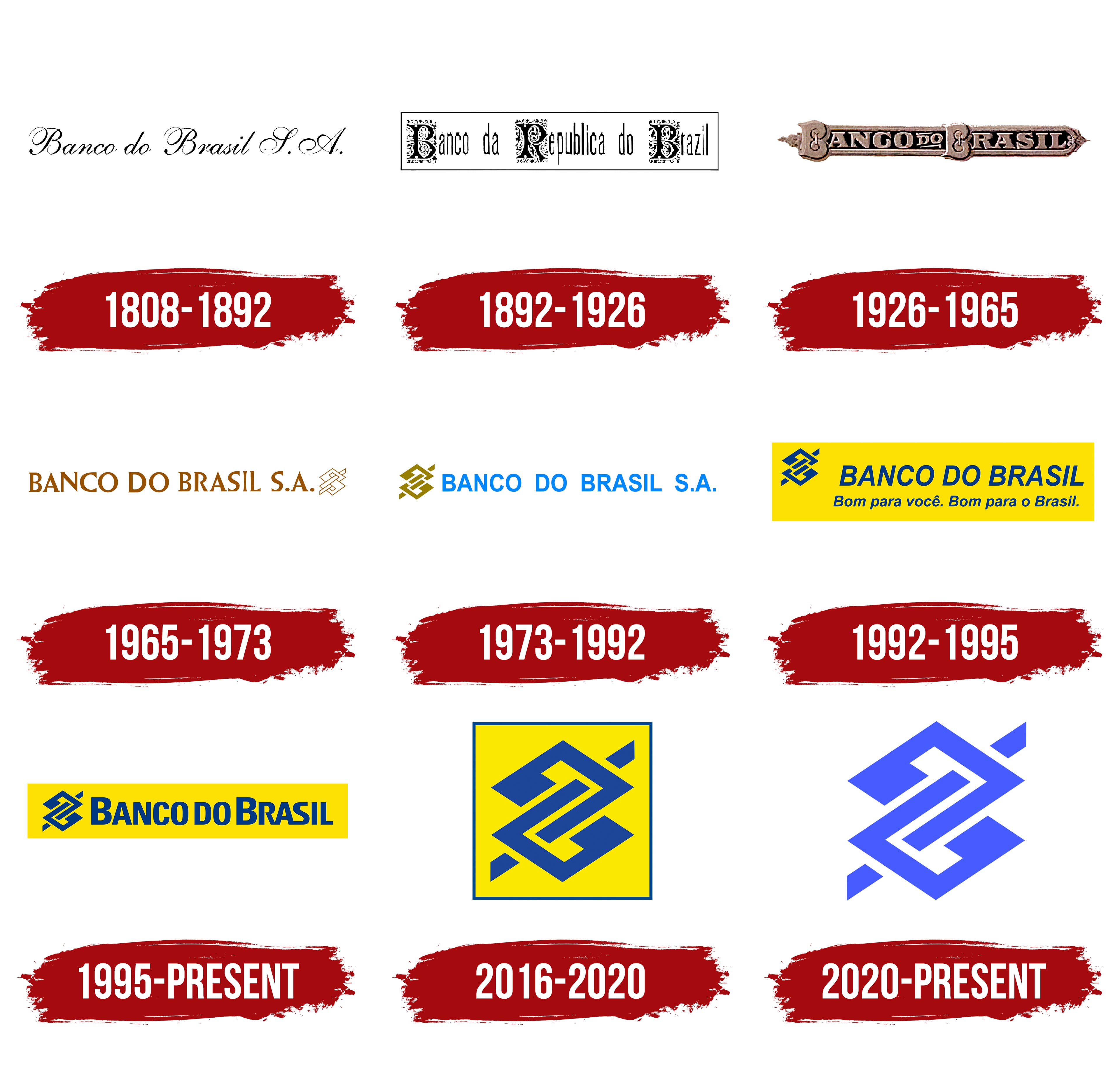
1808 – 1892

1892 – 1926

1926 – 1965

1965 – 1973

1973 – 1992

1992 – 1995

1995 – today

2016 – 2020

2020 – today