 BIK Logo PNG
BIK, or Biuro Informacji Kredytowej, grew out of Poland’s banking changes in the early 1990s. After the shift to a market economy, lending expanded, but banks had no shared system for checking borrowers. In 1991, the Polish Bank Association created a register of clients temporarily unable to meet their obligations. It covered only negative data, but it became the base for a broader credit information system.
The key step came in 1997, when banking law allowed banks to exchange borrower information. Under Article 105, section 4, banks and the Polish Bank Association founded Biuro Informacji Kredytowej S.A. The new bureau collected both late-payment data and records of correctly repaid loans. Its model was based on reciprocity, meaning only institutions that supplied data could use the database.
In 2000, the database was registered with the personal data protection authority, and the BIK Individual Client Information System began operating in November. The first credit contract data entered the system in 2001. In 2004, BIK introduced credit scoring, providing banks with a numerical view of borrowers’ reliability. From 2007, the score used a 0-100 scale, while markets such as the United Kingdom already had major players like Experian and Equifax.
BIK later became part of BIK Group, along with BIG InfoMonitor and Digital Fingerprints, a Polish behavioral biometrics startup active from 2017. The group added anti-fraud tools, blockchain services, cyberfraud detection, and behavioral biometrics. Its participants expanded from commercial and cooperative banks to SKOK credit unions and non-bank lenders. Today, BIK holds data on 159 million accounts, 25 million individuals, and 1.4 million companies, farmers, and other entities, and processes about 150,000 queries daily.
Meaning and History
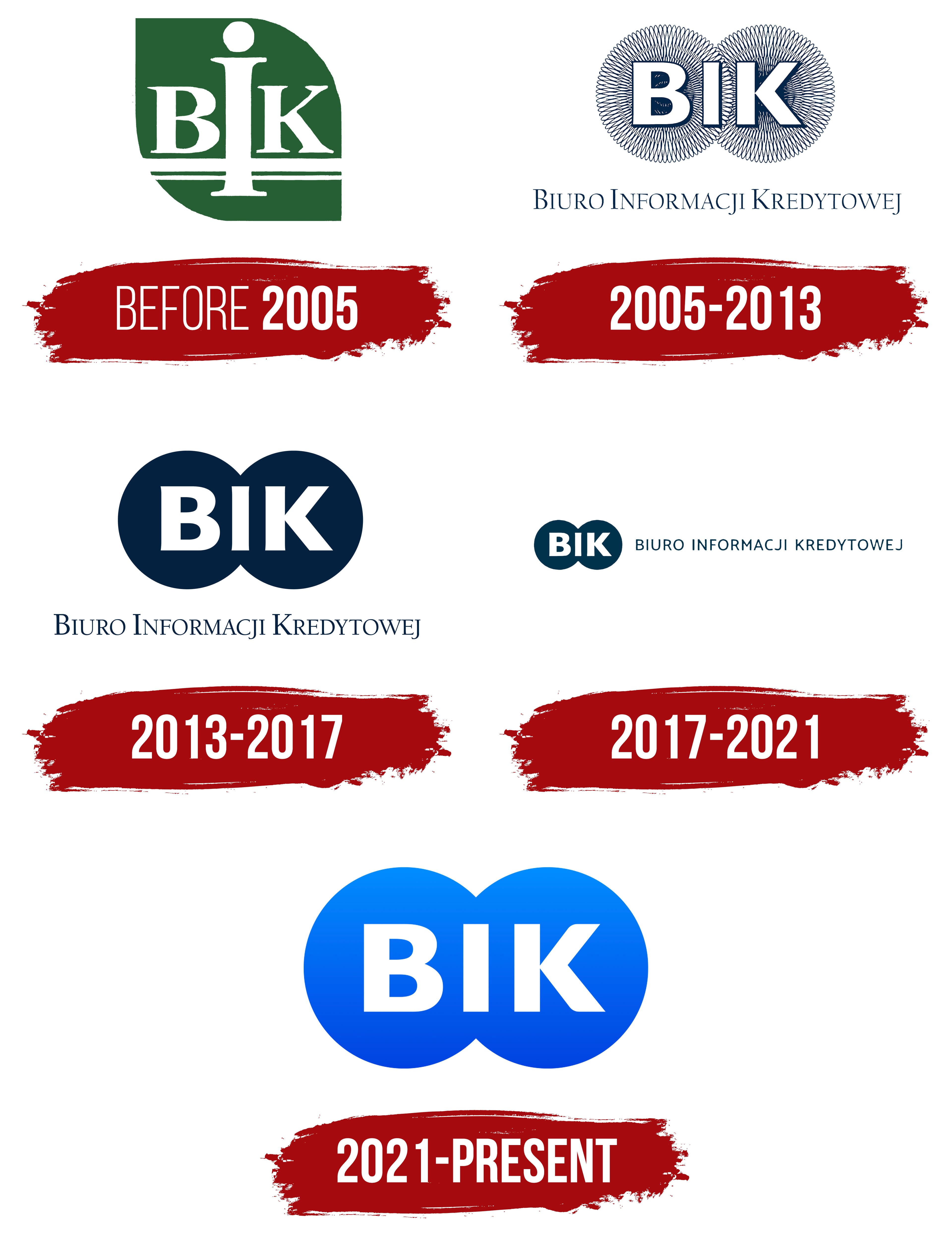
What is BIK?
This is Poland’s main credit information bureau, playing a key role in the country’s financial system. The company collects and processes data on clients’ credit activity from banks, credit unions, and other financial institutions, providing information to assess borrowers’ creditworthiness. This helps lenders make decisions quickly and manage risks. Clients can access their credit reports through an app, allowing them to monitor their credit status. In addition to providing basic information, the company uses advanced analytical tools and scoring models to help financial institutions develop personalized credit products and manage market risks.
Before 2005

2005 – 2013

2013 – 2017
2017 – 2021
2021 – today