


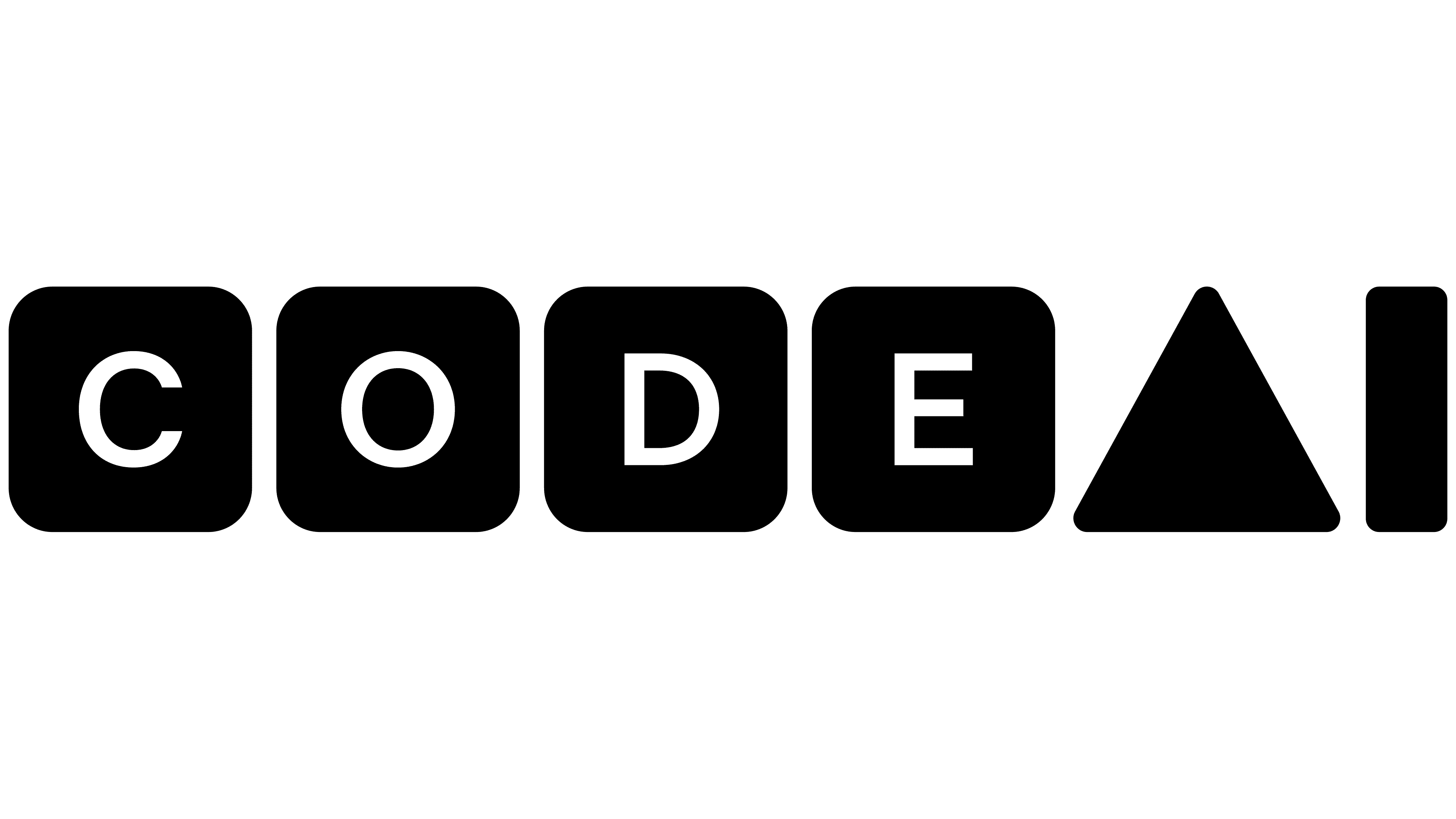
Artificial intelligence has become part of Code.org’s name and an extension of its familiar logo. The educational nonprofit began operating as CodeAI on June 2, 2026. Toronto studio Public Address retained the tiles containing CODE and added a triangle and rectangle. These shapes represent AI (artificial intelligence) and reflect an expanded curriculum.
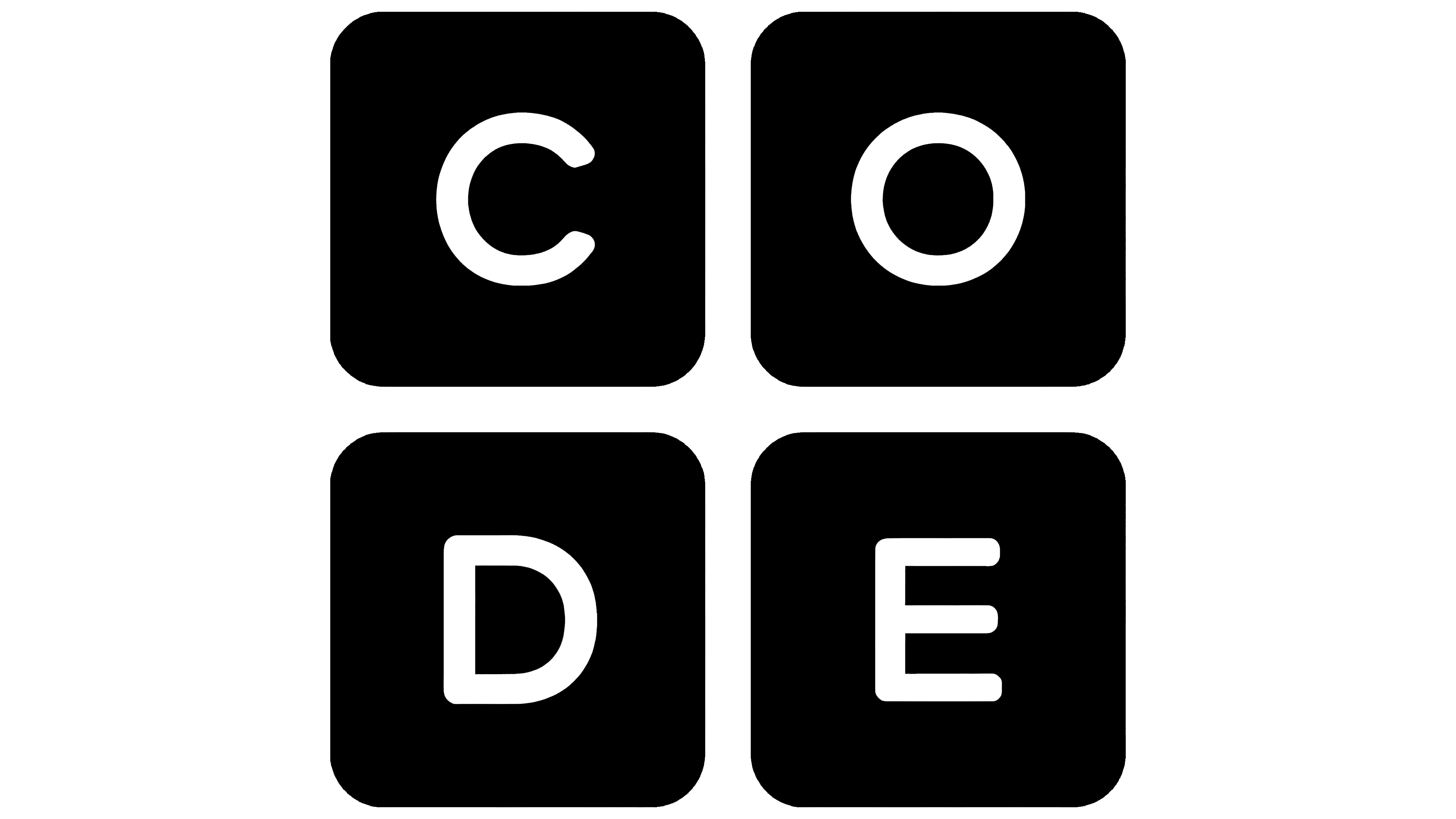
Led by cofounder and Creative Director Chris Braden, the team sought to preserve Code.org’s familiar features. The previous logo arranged four black squares with rounded corners in two rows. They now sit on a single line. Flat cuts replace the soft, rounded terminals of the white uppercase letters, as seen in the “C” and “E.” The surrounding tiles retain their rounded corners.
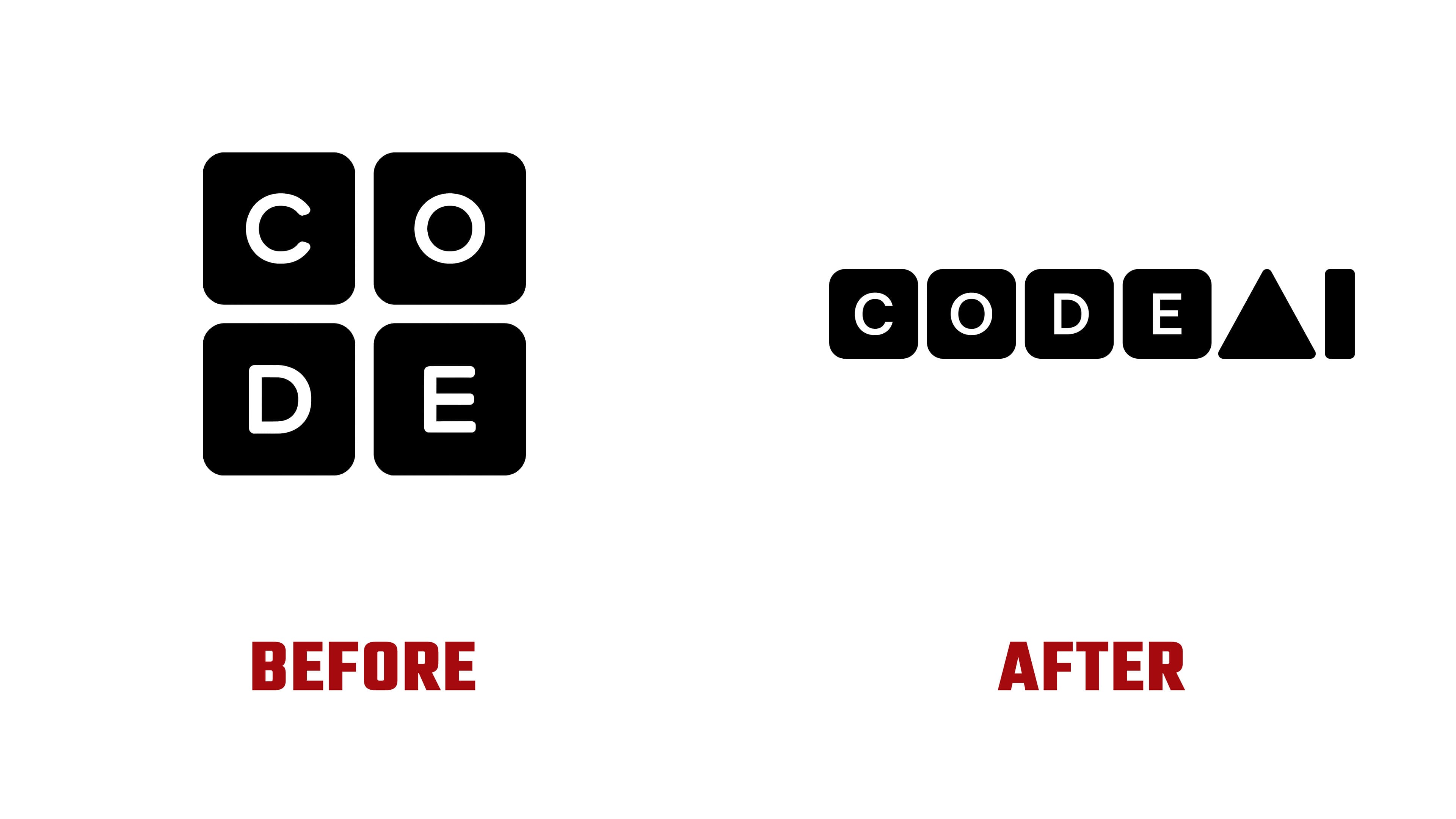
The new AI section continues the tiles’ geometry. A solid triangle represents “A,” and a narrow rectangle stands for “I.” Both shapes match the height of the CODE blocks and have slightly rounded corners. Shared proportions unite the name’s existing and added parts.
The triangle and rectangle provide the basis for varied visual treatments. Their outlines recur in hand-drawn illustrations, photographs, three-dimensional objects, and images made with generative tools. The concept “Shaped by Curiosity” connects these transformations with curiosity and exploration. Handmade work and generated imagery present AI as one tool among many for creative expression.

Public Address Senior Designer Riley McClymond explains the identity’s educational purpose. The geometric shapes remain abstract, while code and algorithms direct attention to how the technology works. The team aimed to encourage critical thinking and the habit of checking AI outputs, maintaining a distinction between a software tool and a living conversation partner.
The name change accompanies an expansion from computer science and coding into AI and data science. CodeAI provides free materials for students in grades 1 through 12 and their teachers. The platform has reached more than 150 million students in 190 countries. The organization explains the need for education through the gap between using technology and studying it. While 84% of U.S. students use AI, only 16% of high school leaders reported that all their students receive instruction in its fundamentals.
The curriculum helps students understand how AI works, evaluate its responses, and use it to create projects. The organization has contributed to education policy development in all 50 U.S. states and cofounded the international TeachAI coalition.
The varied treatments of the shapes allow materials to adapt to students, teachers, policymakers, and donors. School materials use contrasting colors and playful transformations, while partner communications and fundraising publications use more restrained combinations. Accessibility requirements cover color contrast and typography, guided by WCAG 2.1 Level AA.