


 Crew Dragon Logo PNG
“No matter how high Elon Musk’s legendary cosmic dragon rushes, he always returns to Earth,” the Crew Dragon logo says. The emblem represents passion and flight. It shows the majesty of the moment when tourists are sent into space.
Crew Dragon emerged from SpaceX, founded in 2002 by Elon Musk, a company focused on reusable spaceflight. In 2006, NASA launched the Commercial Orbital Transportation Services program to fund cargo systems. SpaceX developed Dragon, which docked with the ISS in May 2012, the first private spacecraft to complete such a mission.
After the Space Shuttle program ended in 2011, the US relied on the Soyuz spacecraft, with seats costing about $80 million. NASA introduced Commercial Crew Development and later Commercial Crew Transportation Capability. In 2014, SpaceX received $2.6 billion to build Crew Dragon, while Boeing received $4.2 billion to build CST-100 Starliner.
Development faced setbacks. In April 2019, a capsule was destroyed during ground tests at Cape Canaveral. Parachute failures later that year caused delays. Demo-1 flew uncrewed on March 2, 2019, docked with the ISS, and returned safely. In January 2020, the in-flight abort test validated the escape system.
On May 30, 2020, Demo-2 launched astronauts Doug Hurley and Bob Behnken, the first US crewed orbital flight since 2011. They returned on August 2 with a water landing. The first operational mission, Crew-1, launched on November 16, 2020, establishing regular crew transport.
Starliner continued testing with delays after a failed 2019 flight and partial success in 2022. Its first crewed mission in June 2024 encountered technical issues, and the astronauts returned via Crew Dragon in February 2025. In 2021, SpaceX flew Inspiration4, the first all-civilian orbital mission, followed by private missions with Axiom Space and Polaris Dawn in 2024.
Meaning and History
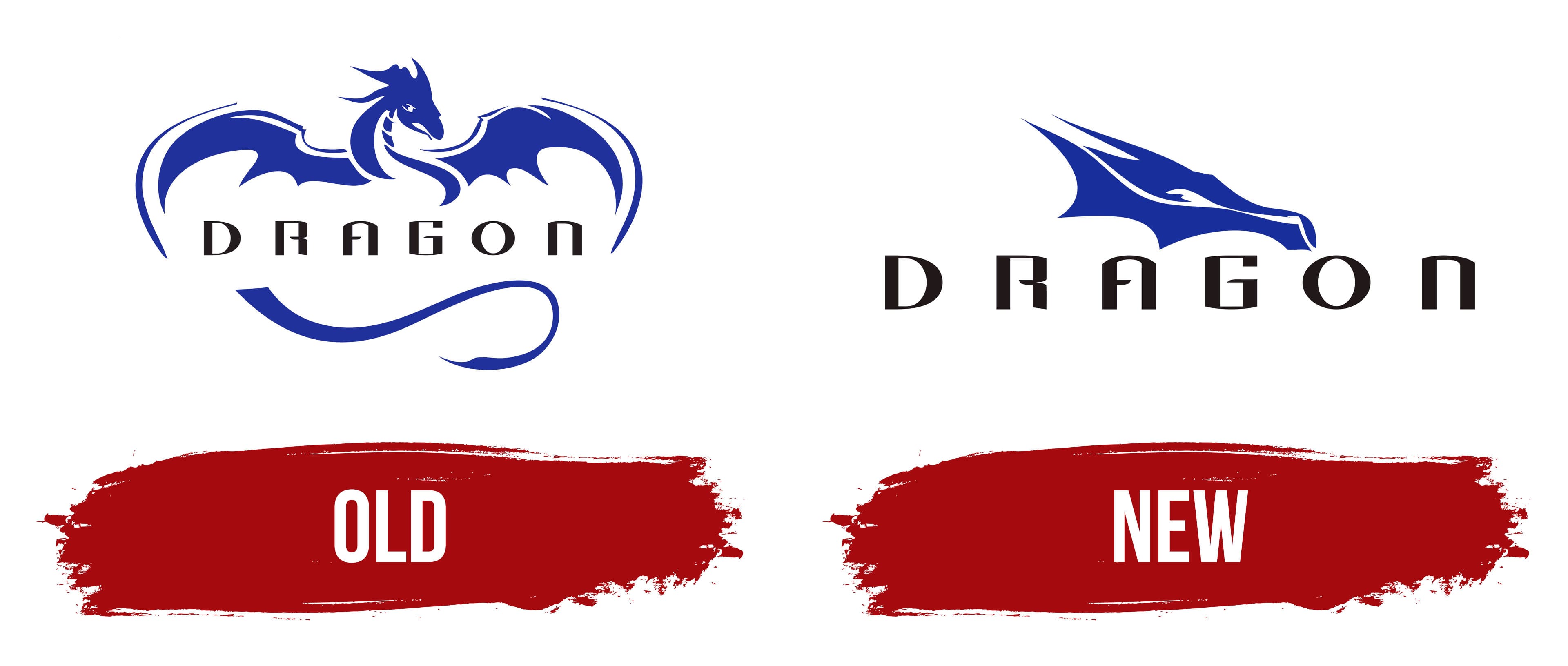
The Crew Dragon was originally planned for logistics flights under the Commercial Resupply Services 2 project and the Commercial Crew Development program. It was supposed to fly to low Earth orbit and serve on tourist missions to the Moon. In parallel, NASA is developing a Martian mission plan to launch its modified Red Dragon to the red planet.
Work on Crew Dragon began in 2010 as the DragonRider project, when NASA was seeking performers to send crews to the ISS under the state CCDev program. NASA made the final selection in January 2016.
After an unsuccessful takeoff attempt in test mode, the team studied the reasons for a long time. The investigation was completed in July 2019. A second verification test took place in January 2020, and in May of the same year, the main one, with two astronauts on board, took place. The module launched, lifted off, and successfully docked with the International Space Station.
Because of the SpaceX project’s innovation and its significant value to the United States, the Crew Dragon emblem is popular today. It appears on T-shirts, baseball caps, gift pens, decorative flags, mugs, notebooks, and other souvenir items. Since the program’s launch, the rocket has had two logos: the original and its modern version.
What is Crew Dragon?
Crew Dragon is a manned spacecraft developed by the American company SpaceX to transport people and cargo to Earth orbit, particularly to the International Space Station. SpaceX designed it in 2010 and initially called it DragonRider.
Old logo

The debut version of the logo is depicted on the first SpaceX spacecraft. It is a large winged dragon with widespread wings. The mythical creature hovers in the air, looking down. Smooth lines and aerodynamic curves accentuate its flight capabilities. The logo has no rough, geometric strokes. The upper part is the dragon’s head, torso, and wings; the lower part is the tail. The inscription “Dragon” separates them and runs along the entire horizontal border between the wings.
New logo
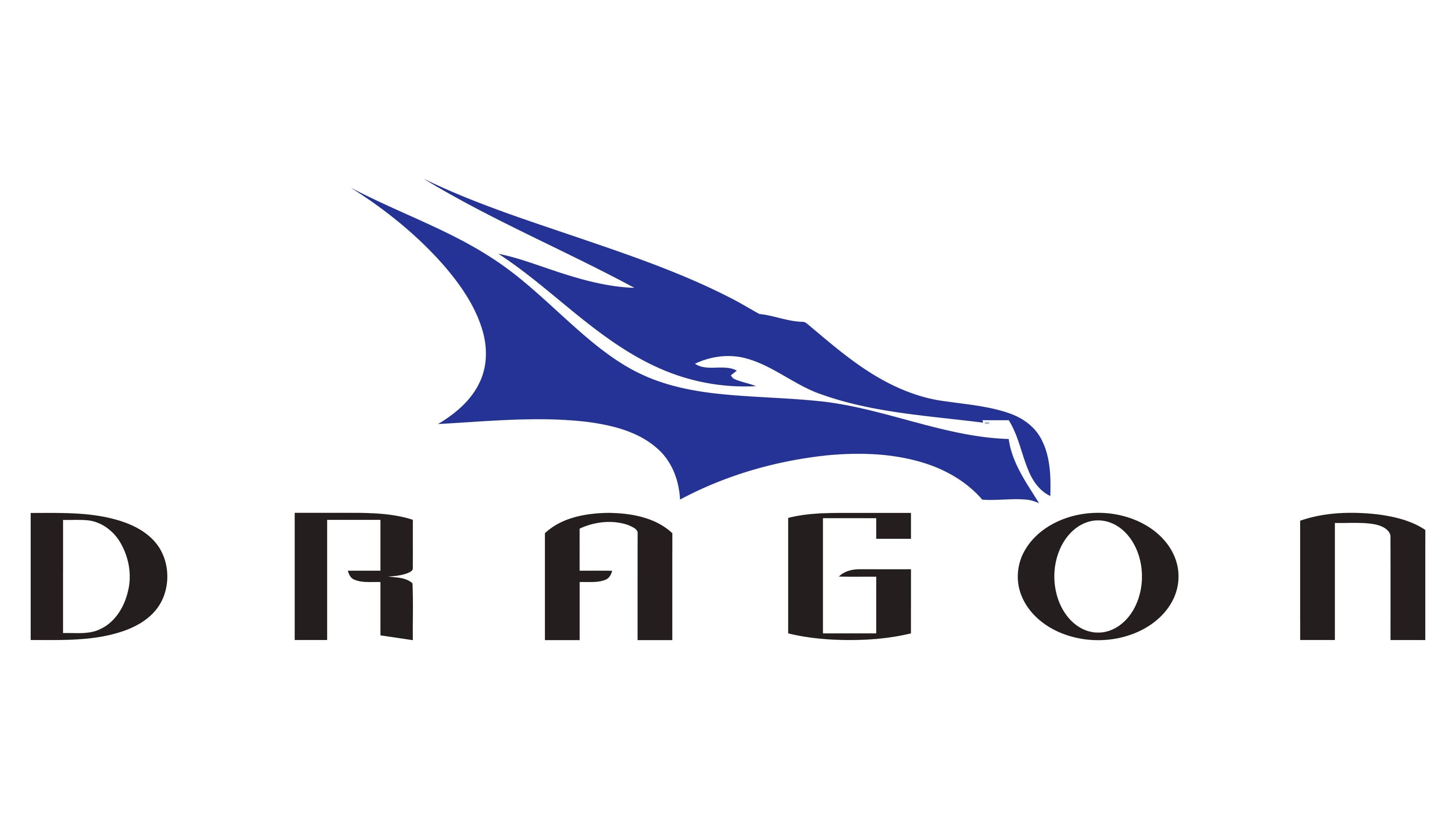
The second emblem was adopted for the spacecraft’s relaunch. It has been used on a recent vehicle. It depicts only a fragment of a dragon, a head turned in profile. This version differs from the previous one with smooth, confident, hard lines. The change in the drawing’s style indicates the project’s increased seriousness. Enlarged nostrils, wide-open eyes, and laid-back thorns suggest pressure, as if pressed by a powerful stream of wind during purposeful flight. The visual emphasis is on aerodynamics: the head is narrow, streamlined, and elongated, with a closed mouth, whereas in the first logo, it is open. The word “Dragon” is enlarged and positioned at the bottom.
The spacecraft, designed by innovator Elon Musk, has excited the public, especially in the United States. This is because people have high hopes for him, since NASA previously used Russian systems. In this case, US residents feel pride in their country, which increases global prestige, as reflected in the last emblem.
The dragon symbolizes independence, innovative spirit, freedom, and perseverance in achieving ambitious goals. The new logo embodies the American dream. Thanks to him, every American feels like another “dragon’s head,” of which, according to legend, he may have many. Consequently, the Crew Dragon trademark embodies the people’s main idea: “Together we will reach any heights!”
Font and Colors

Both versions of the logo use a similar typeface because it has not changed. The inscription is in uppercase and set in a distinct font. The symbols have a wide inter-letter space and an original design. The connecting line “R,” the horizontal stroke “A,” and the inwardly curved leg “G” share a unified design. The only difference is that the bar of “A” turns right, while the other two letters turn left.

Another individual difference in the inscription lies in the graphic parallelism between certain signs. So “A” looks like the top of “N,” “D” looks like a cut-off half of “O,” and “R” looks like an inverted “G.” The emblem’s palette also did not change: it always consisted of dark blue and white.