 G59 Logo PNG
The G59 logo captures the label’s spirit, in which contrasts and unique atmospheres form the basis of its musical identity. An independent project inspired by the culture of New Orleans, it has brought together different voices and styles, turning into a space for creativity and experimentation that values sincerity and originality.
G59 Records began in New Orleans in 2013, when cousins Scott Arceneaux Jr. and Aristos Petrou, known as $crim and Ruby da Cherry, started recording as $uicideboy$. The label name came from “Grey 59,” a reference to Highway 59 and the city’s fifth and ninth wards. Their music combined trap, horrorcore, phonk rhythms, and lyrics about addiction and self-destruction.
In June 2014, the duo released Kill Yourself Part I: The $uicide $aga, followed by nine more installments that year. Collaborations with Bones helped them reach underground listeners. SoundCloud became their main distribution channel, allowing frequent releases without a major label. In 2015, the Pouya collaboration $outh $ide $uicide widened their audience, while Ramirez became closely associated with G59.
The group used TuneCore to distribute music and retain royalties, while extensive touring financed further growth. In 2017, G59 developed into a formal label with Virgin distribution and added Germ, Chetta, Shakewell, and Crystal Meth. Features and shared tours connected the roster to the existing fan base.
On September 7, 2018, $uicideboy$ released I Want to Die in New Orleans through G59 and Caroline. The album debuted at number 9 on the Billboard 200, and the Grey Day Tour became an annual event. By 2022, the duo had passed 15 billion streams, and in 2023 they headlined Coachella. G59 was compared with Alamo Records and Rostrum Records, though it grew from an artist collective rather than a conventional label.
Meaning and History
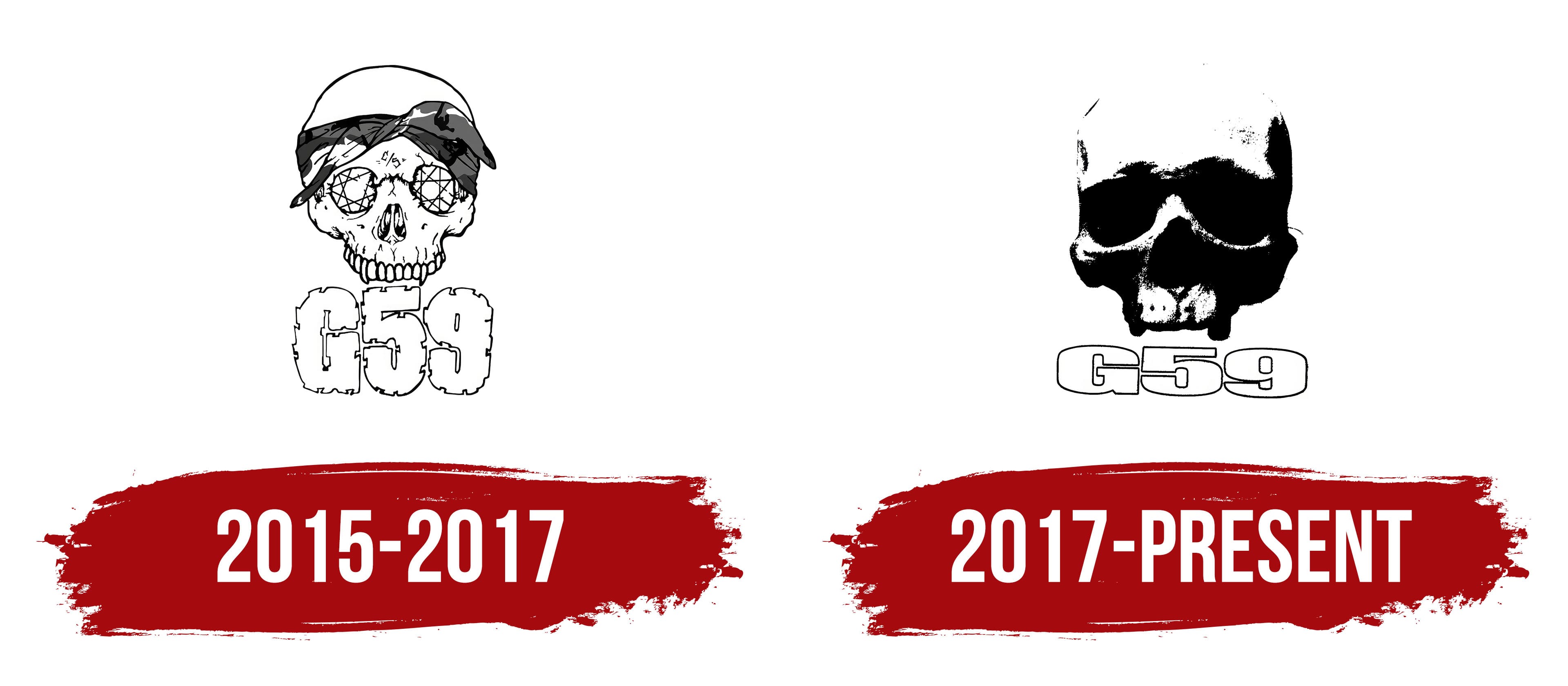
What is G59?
This independent music label and creative association develops hip-hop, combining it with elements of metal, horrorcore, and trap. The music is dark and atmospheric, with deep lyrics that reflect strong emotions. A community of loyal listeners, known as the “Grey Family,” supports artists and participates in creating products, clothes, and accessories with recognizable symbols.
2015 – 2017
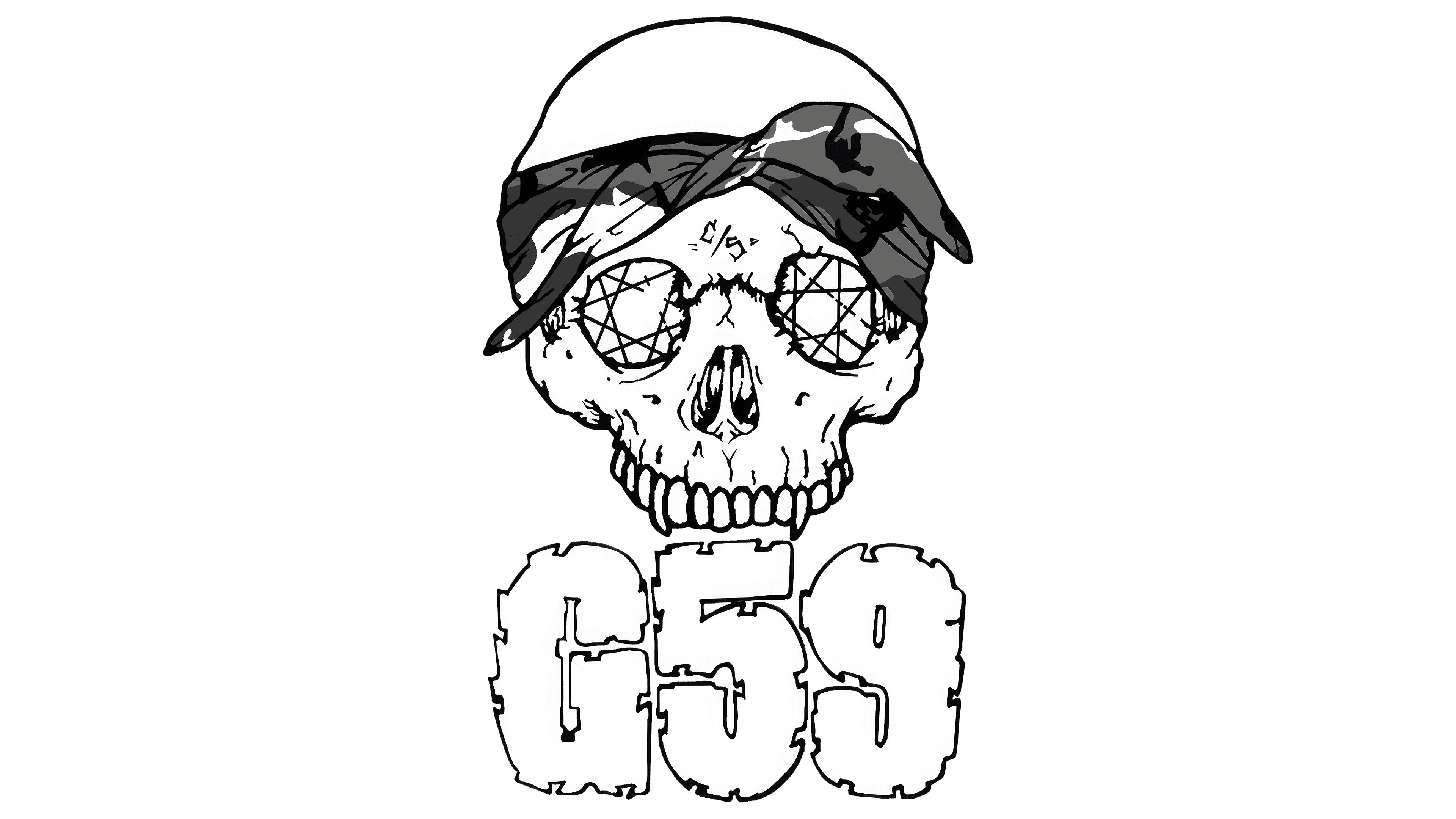
When the G59 label first appeared, its logo reflected the entire culture from which the project grew. The name was formed from simple yet strong symbolism: “G” is an abbreviation for “Grey,” emphasizing the cultural diversity of New Orleans, and “59” is taken from the name of the highway that runs through the heart of the city.
The main element of the emblem is a large, roughly drawn skull. The lines are sloppy and intermittent, and their movement creates a sense of chaos. Instead of eyes, the skull has strange, crossed lines resembling occult pentagrams, woven into the street’s aesthetics. Small, indistinct symbols on the forehead refer to something hidden, underground, and mysterious.
A black-and-white, asymmetrical camouflage bandana is tied around the skull’s head, slightly crumpled. This creates an atmosphere of the streets and the spirit of resistance inherent in many New Orleans rap artists.
Below is the label’s textual symbol, a roughly designed “G59” inscription. The letters look as if they were cut with a knife or crudely scratched on a wall. The white font color and chaotic writing style convey a feeling of defiance and insubordination.
The emblem reflected the group’s music and ideas: a mix of cultures, street philosophy, and dark imagery. It tells the story of what made the label famous: the sound and lyrics that refuse to compromise, speak openly about everything, and avoid pretty packaging.
2017 – today
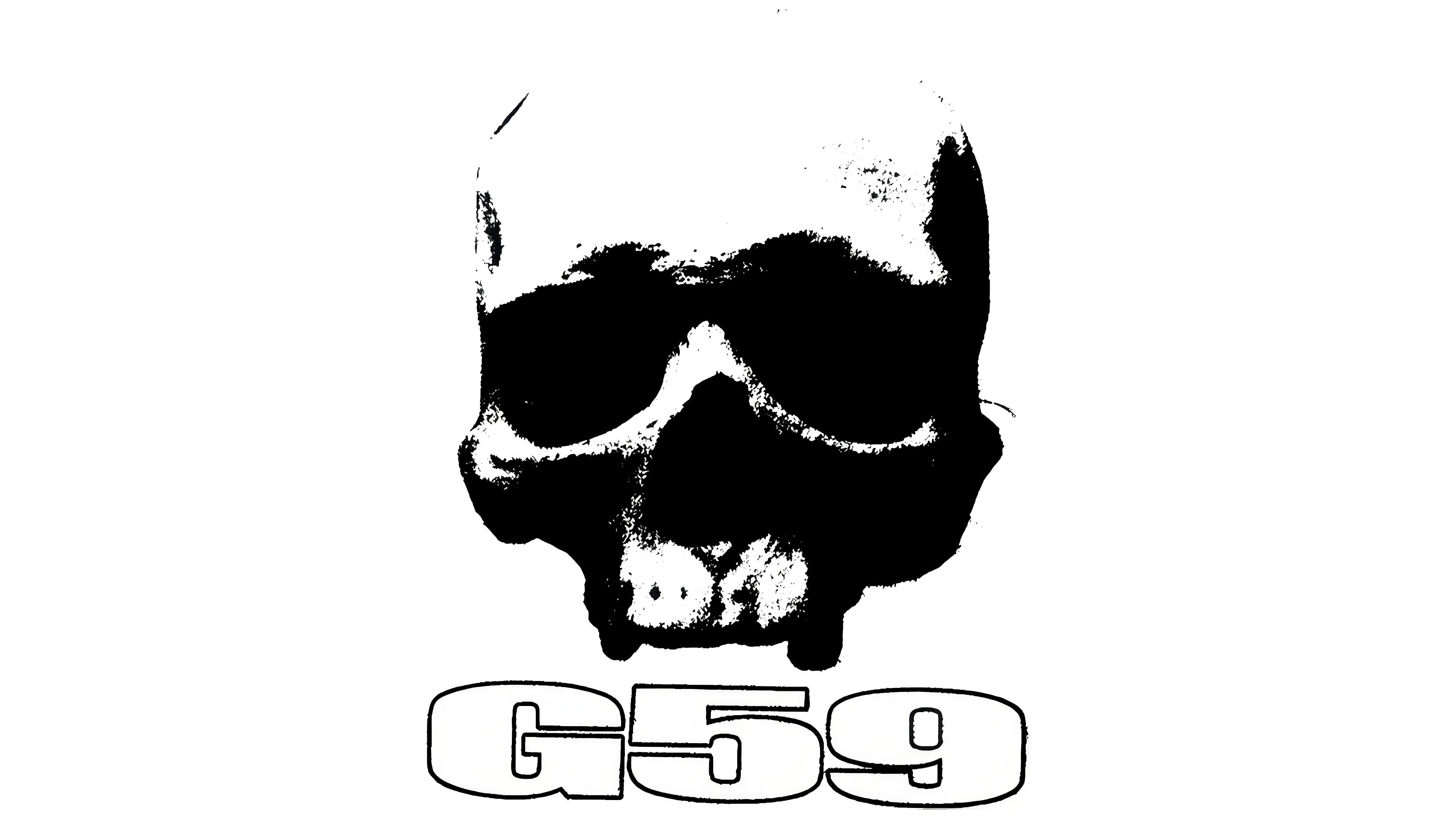
After the logo update in 2017, the group moved from detailed symbolism to minimalism and aggressive simplicity. The updated design reflects the spirit of underground music and the label’s independent nature from New Orleans.
The main focus of the emblem is a completely different, stylized skull. The eyes and nose of the skull are painted black, creating an effect of emptiness and tension. The silhouette looks rough, with uneven contours and scuffs, reminiscent of graphics on the walls of abandoned areas where punk subculture supporters or experimental music enthusiasts often gather.
Below the skull is the brand name. The inscription is made in a rough style with black outlines and white fill. The font is wide, with massive, industrial shapes, and a thin outer line highlights the three-dimensional effect and depth. The overall style is kept harsh and straightforward, just like the label’s music.
The black-and-white color scheme of the logo conveys the mood of a protest movement that rejects generally accepted norms and projects an image of unyielding strength. The design is easy to imagine on vinyl covers, merch, and concert posters, where G59’s music finds its listeners.