 Hennessy Logo PNG
Cognac’s strength can put anyone on their back, as shown by the elegant elements decorating the emblem. The Hennessy logo confirms the drink’s popularity since the time of kings. This alcohol is worthy of the table of the highest-ranking people.
Hennessy traces its history to Richard Hennessy, born in 1724 in County Cork, Ireland. In 1745, he joined the Irish Brigade in the army of King Louis XV of France. He later settled in Charente, a French region known for winemaking. In 1765, he founded his trading house in Cognac.
The business expanded through exports to Ireland, England, and Scandinavia. According to company archives, the first barrels arrived in New York in 1794. Richard died in 1800, and his son James later gave the firm its official name, Jas Hennessy & Co., in 1813. James had married Martha Martell in 1795, linking the family to Martell, Hennessy’s major local rival.
Hennessy helped change the trade in 1804 by moving from barrel sales to branded glass bottles. In 1806, Jean Fillioux became the first master blender, starting a family line that has held the role for eight generations. In 1817, the house created V.S.O.P. for Britain’s Prince Regent, the future George IV. Regular shipments to Russia began in 1818, and China followed in 1859.
By the 1840s, Hennessy was the world’s largest brandy producer, and by 1860 it supplied a quarter of all cognac bottles sold globally. In 1870, Maurice Hennessy and Emile Fillioux created X.O., later a premium cognac category. Rémy Martin later entered the same segment, but Hennessy already held a strong lead. In 1971, Hennessy merged with Moët & Chandon to form Moët Hennessy. In 1987, it joined Louis Vuitton to create LVMH, where Hennessy remains a major cognac asset.
Meaning and History
What is Hennessy?
This is the world’s most famous cognac house, producing exceptional spirits in the Charente region of France. The brand’s unique amber elixirs, from VS to the revered Paradis Imperial, have gained acclaim among connoisseurs and shaped global perceptions of luxury beverage culture. Each bottle reflects the expertise of eight generations of Fillioux blenders. From its humble beginnings as a trading company to its current status as part of the LVMH group, the house has remained committed to artisanal traditions.
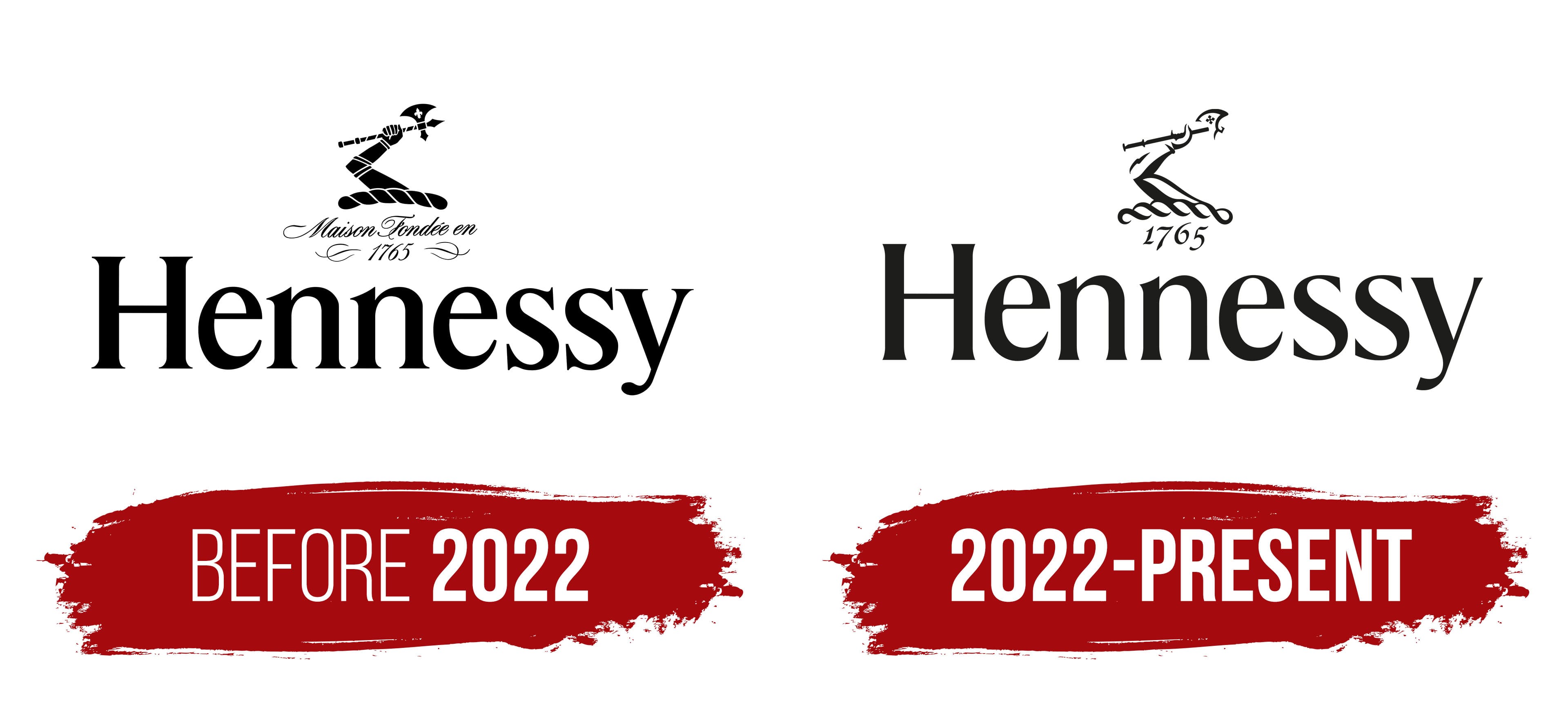
Before 2022
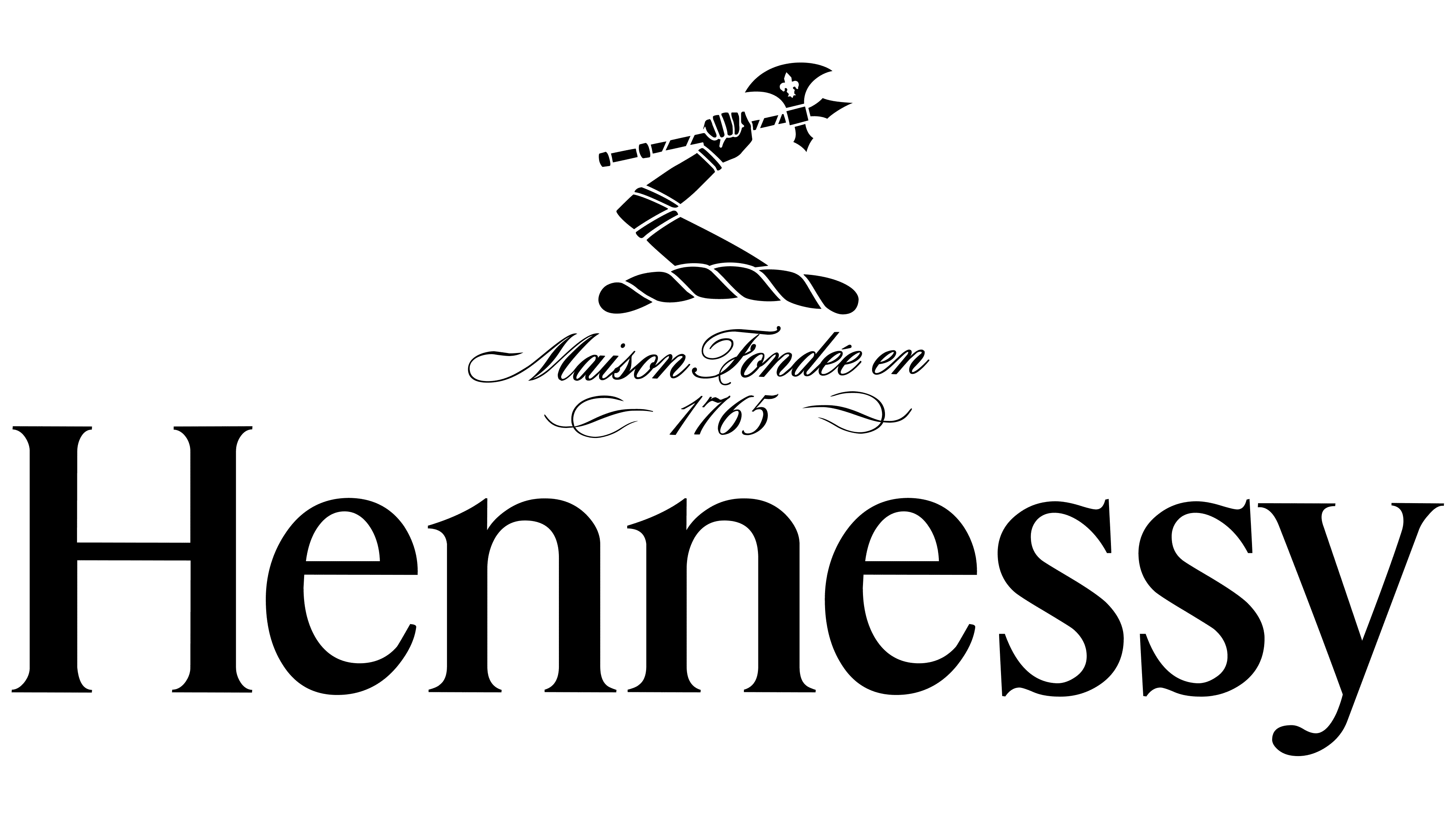
Richard named the brand after himself, thereby immortalizing the Hennessy name in the history of ethanol-containing products. The family coat of arms became the logo, featuring a raised hand holding an axe. This symbol is known as Bras Armé. It reflects the military theme because the Irish officer served in the army for 12 years, which allowed him to obtain French citizenship.
However, Richard did not approve the emblem; his descendants did. It happened in 1856 when the popular alcoholic drink needed a new label. Nine years later, stars, indicating aging, appeared on cognac bottles. A representative of Hennessy’s fourth generation proposed this classification, and after some modifications, it began to be used worldwide. The logo also became world-famous. Despite artists’ attempts to modernize the design, the symbol’s concept remains unchanged.
Brás Armé reflects Richard’s military glory, as his service indirectly helped him settle in France and open a liquor business. The graphic Hennessy sign has graced labels since 1856. An armored hand holds a halberd, a weapon from Louis XV’s time. Beneath it, the inscription “Maison Fondée en” embodies French charm through fine calligraphic script. Even lower is the year the company was founded: 1765. Decorative ornaments on both sides surround the four-digit number.
The next line contains the word “Hennessy. It is the most noticeable because the letters are enlarged and highlighted in bold. The bottom part of the logo features the final inscription, which indicates not only the type of alcohol but also the place of production: “COGNAC.” As a hand holding a halberd, the iconic Hennessy emblem embodies the aristocracy, nobility, and ambition to win. The text complements the image, making it even more expressive.
2022 – today
Font and Colors
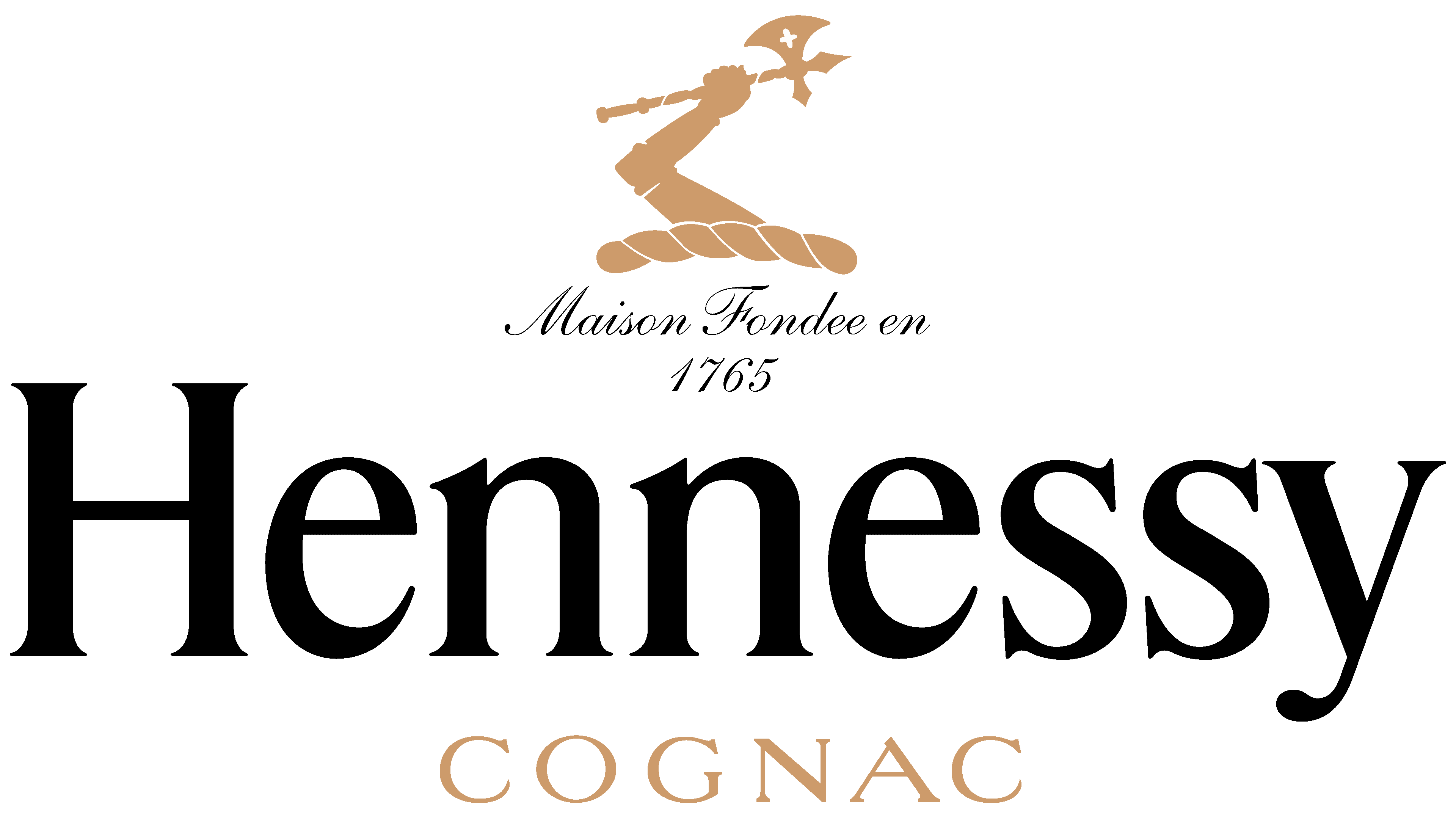
The cognac house’s logo features many inscriptions, each with its own design. The phrase “Maison Fondée en” exemplifies refined French style. Its font imitates calligraphic handwriting, with curls and a pronounced rightward slant. The brand name has a completely different design. It uses a bold typeface with thin triangular serifs and a contrasting transition between the main and connective strokes. A similar font was chosen for the word “COGNAC,” but the letters are not as bold. The simple black-and-white palette emphasizes the drink’s nobility and aristocracy.