


Lay’s, a potato chip brand with a broad audience, has changed its visual appearance for the first time in many years. The brand from the PepsiCo portfolio, known to consumers since the 1930s, has unveiled an updated logo and packaging design that highlight the product’s key quality: natural potatoes.
PepsiCo’s in-house team developed the new look. The core idea was to show the potato’s journey from the field to the bag. Audience research revealed an interesting fact. Nearly half of Lay’s fans did not associate the product with natural ingredients. The company decided to close this gap and shifted its focus to ingredient authenticity and the absence of artificial additives.
The main changes affected the brand’s central image, the recognizable yellow sun. The mark is now complemented by rays that symbolize natural light, which helps potatoes ripen. A new color system tied to flavor ingredients was introduced. It includes shades of red pepper, cucumber green, and woody brown tones. Large photographs on the packaging enhance appetite appeal by focusing on the golden surface of the chips and the seasoning on each slice.
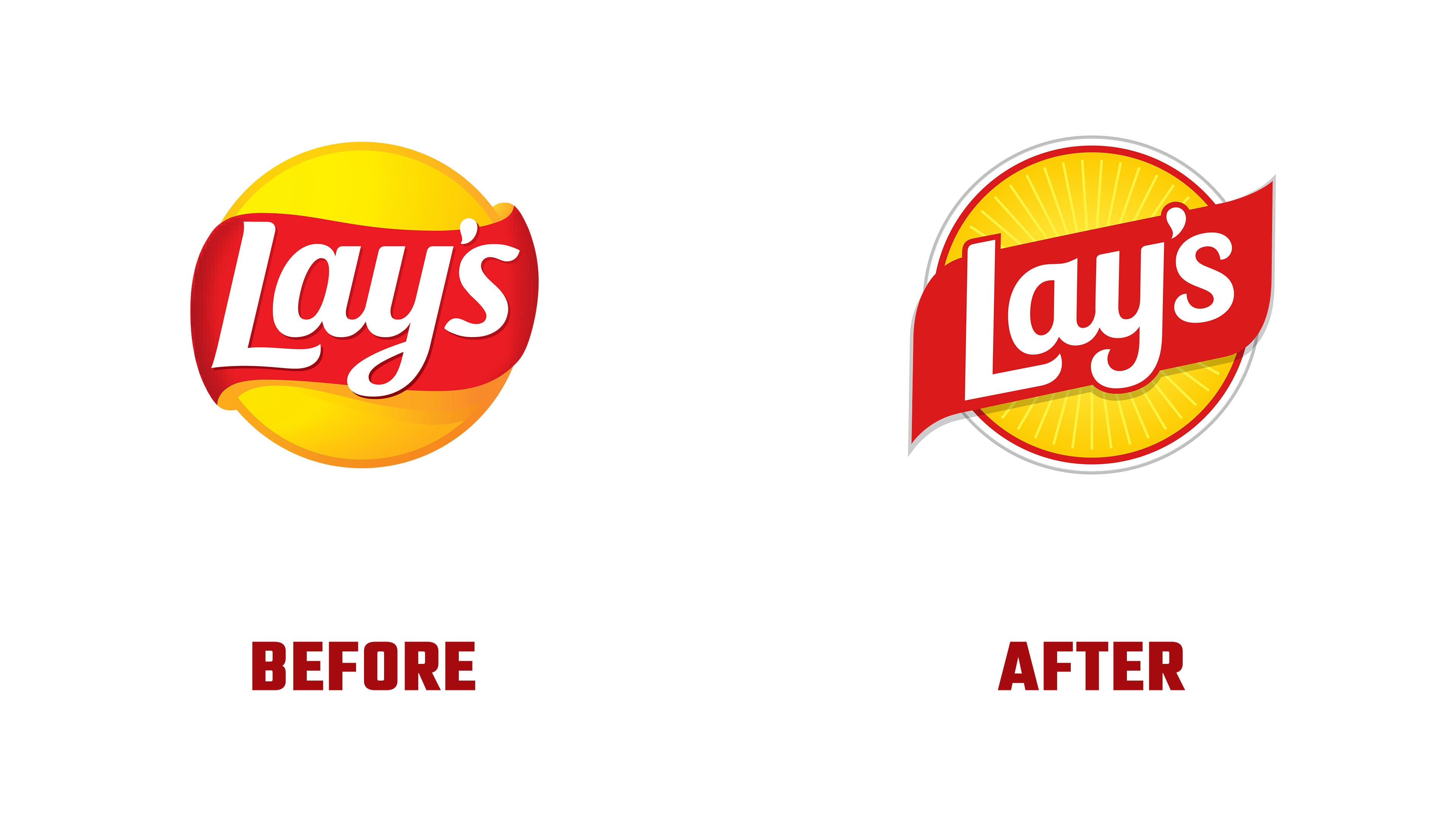
Gradients and shadows were removed from the logo, replaced with a simpler lettering style that resembles handwritten forms. An interesting move was integrating the apostrophe with the red ribbon. At the same time, the push for simplification led to debatable points. The three colored lines that replaced the wide red band look less cohesive, and the added sun rays create associations with juices or fruit products.
The rethink also affected the packaging as a whole. Despite the intention to make it feel more personal to shoppers, the overall impression is overloaded. Photographs of the ingredients and the chips themselves do not combine effectively, and the wood-textured background raises questions. At the same time, the patterned background created using potato stamps stands out as a strong solution. This approach feels fresh and adds originality to the style.
The typography also changed. The previous forms were replaced with letters featuring smooth curves reminiscent of handwritten text. At the same time, traces of the FF Cocon typeface are evident in some characters, and its stylization disrupts the overall balance and feels excessive.

Lay’s advertising posters, which aim to build an iconic brand image, deserve special attention. They are still far from the level of recognition achieved by the Coca-Cola bottle silhouette, but the idea itself looks bold and generates interest.
The Lay’s rebrand was mixed. The brand highlighted the natural potato theme and made the image more vivid, but the final visual impression feels more like a stage in an ongoing process than a fully resolved form.