


 OnePlus Logo PNG
OnePlus logo about logic and VIP service. The emblem evokes premium goods, victories, and first place, inviting customers to join a club of happy owners of perfect smartphones.
Emerging on the tech scene in December 2013, OnePlus was founded by Pete Lau and Carl Pei, who had previously honed their skills at the Chinese smartphone firm Oppo. Within a year, the fledgling company launched its first device, the OnePlus One, which disrupted the market. Drawing considerable attention for its top-notch features and a surprisingly affordable $299 price, this device introduced the “flagship killer” paradigm to the smartphone arena.
To build interest and manage supply, OnePlus adopted an exclusive, invite-only model for early buyers. A more open sales approach eventually supplanted this strategy. Over time, OnePlus maintained its market presence by unveiling new devices each year, numbered sequentially, such as the OnePlus 2 and OnePlus 3. These offerings continued the company’s ethos of coupling high-end specifications with cost-effectiveness.
The year 2020 marked a period of expansion and transition for the brand. OnePlus returned to the mid-tier smartphone market with the OnePlus Nord. The company also expanded into new product categories, including wireless earbuds. Meanwhile, co-founder Carl Pei left OnePlus to launch a new smart-device startup, Nothing.
Today, OnePlus is a formidable player in the global smartphone market, especially in countries like India. The brand’s ongoing mission is to offer high-performance devices with robust features while undercutting competitors’ prices.
Meaning and History
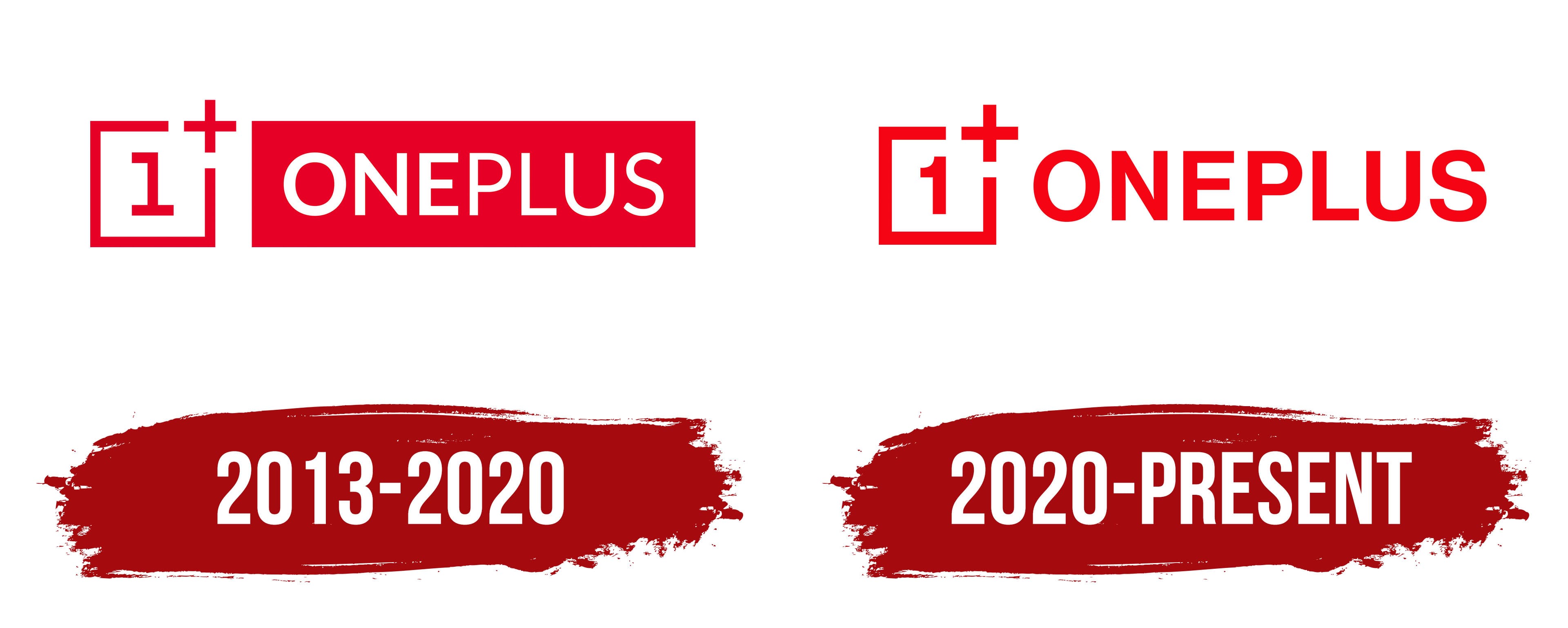
In its brief history, the brand has already introduced a logo and undergone one rebranding. Each element of the sign aims to convey leadership. The company’s advantage is that its products align with the chosen logo, so the emblem is supported by real facts. The logo creates strong associations by using graphics, text, and color.
What is OnePlus?
A rapidly growing Chinese consumer electronics manufacturer. In 2021, the brand’s North American sales grew by 500% in three months. It ranks among the top 10 most famous Chinese brands globally. During the OnePlus 9 launch in China, 300 million units were sold in 10 seconds, making it the market leader in India. The manufacturer’s headquarters is in Shenzhen’s central district, in the Tairan Building.
2013 – 2020
The emblem has a graphic element and the brand name in a red rectangle.
The square frame with the number 1 and a plus in the upper corner visually embodies the name. The image’s meaning becomes clear when one considers the company’s motto: “never settle” for second place. “One” clearly represents the best smartphone.
The square frame represents a pedestal of honor.
The plus indicates:
- Extra features and perks for customers.
- Better service.
- Products for cool and stylish individuals.
- An exceptional degree: the brand’s products are even better than one can imagine.
- Continuous improvement.
The word “One” is highlighted in bold to draw customers’ attention to the smartphones’ premium features, positioning the phones as the market’s central product.
A red rectangle beneath the inscription, like a line highlighted with a marker in a message, post, or news on social networks, hinted at a smartphone sales method. The first OnePlus was launched in China in 2014, and by 2015, the brand was sold in 16 European countries without a single marketing campaign, solely due to word-of-mouth and social media discussions. People wrote about the brand, and orders were placed for the popular wonder-phone.
A rectangular background, like a gift ribbon on a box, signals that the smartphone brings a bright celebration into the buyer’s life.
2020 – today

In 2020, the brand updated its business strategy and rebranded. As a result, the red rectangle, which was subconsciously perceived as a symbol of danger, warning, or threat, disappeared from the emblem. The white inscription was also difficult to read and got lost in a brighter environment.
The new logo appears clean and clear. Red symbols on a white background reflect the products’ premium quality and underscore the manufacturer’s leading position. For three consecutive years, PCMag ranked the brand first in the best smartphone brand category.
Thicker letters indicate the manufacturer’s growth and maturation. Soft, rounded character ends convey the phone’s streamlined design.
The words “One” and “Plus” are no longer separated by different glyph thicknesses, unifying the name as a brand. The number one is written in the same style as the name, smoothly and neatly, which the company believes improves its readability.
The plus symbol in the upper corner of the square has grown larger. This change honors loyal fans who help improve the brand.
Font and Colors
The red and white colors in the logo represent novelty, design beauty, and excellent smartphone features. The palette supports the brand’s positioning as a “flagship killer.” Because the phones’ features and functionality match those of leading models from major manufacturers while remaining more affordable, red conveys joy in purchasing and enjoying the devices’ functionality. White represents a relatively new brand that immediately stands out among competitors.
The font resembles the Neue Haas Grotesk Display.