


 Premier Inn Logo PNG
The Premier Inn logo evokes cozy nights and sweet dreams, representing hospitality and comfort. The company’s emblem clearly signals a place for travelers to stay. The symbol embodies peace, quiet, and coziness, which matters especially to weary travelers seeking a calm, comfortable place to rest.
Premier Inn began in 1987, when Whitbread, a British company known for breweries and pubs, entered the budget hotel sector. The first Travel Inn opened in Bedford, United Kingdom, offering affordable rooms and consistent service. In the late 1980s and early 1990s, the chain expanded nationwide, reaching several dozen hotels.
A major change came in 2004, when Whitbread bought rival Premier Lodge for £505 million. The deal more than doubled the hotel network and led to the adoption of the Premier Travel Inn name. In 2007, the brand was renamed Premier Inn, followed by a broad marketing campaign and investment in room quality, beds, and guest services. In 2008, the company opened its first hotel outside the UK in Dubai.
In 2011, the company introduced “hub by Premier Inn” in London, a compact hotel format for city travelers who needed smaller rooms, central locations, and modern technology. During the 2010s, Premier Inn added free Wi-Fi across its hotels. It developed a mobile app for booking and room management. In 2015, the chain opened its 700th property. In 2016, it entered the German market with a hotel in Frankfurt am Main.
In 2019, Whitbread sold Costa Coffee to Coca-Cola and focused its resources on hotel development. In 2021, Premier Inn expanded further in Germany, including Munich and Hamburg, and launched Premier Inn Business for corporate clients. In 2022, contactless check-in and check-out were introduced. In 2023, the company announced plans to expand into the Netherlands and renovated several UK hotels.
Meaning and History
What is Premier Inn?
This UK-based hotel chain is the largest hotel brand. It is known for providing cozy and affordable accommodations for business and leisure travelers. The company takes pride in offering a reliable, high-quality experience across its many locations, with a focus on comfortable mattresses and restful sleep. Modern, well-furnished rooms, on-site restaurants (usually Thyme or Beefeater), and practical extras like free Wi-Fi are standard. The company is widely distributed across major UK cities and near transportation hubs. It also operates in a few select destinations worldwide. With its easily recognizable purple branding and trusted reputation, the brand has become a popular option for budget travelers who don’t want to sacrifice cleanliness and comfort.
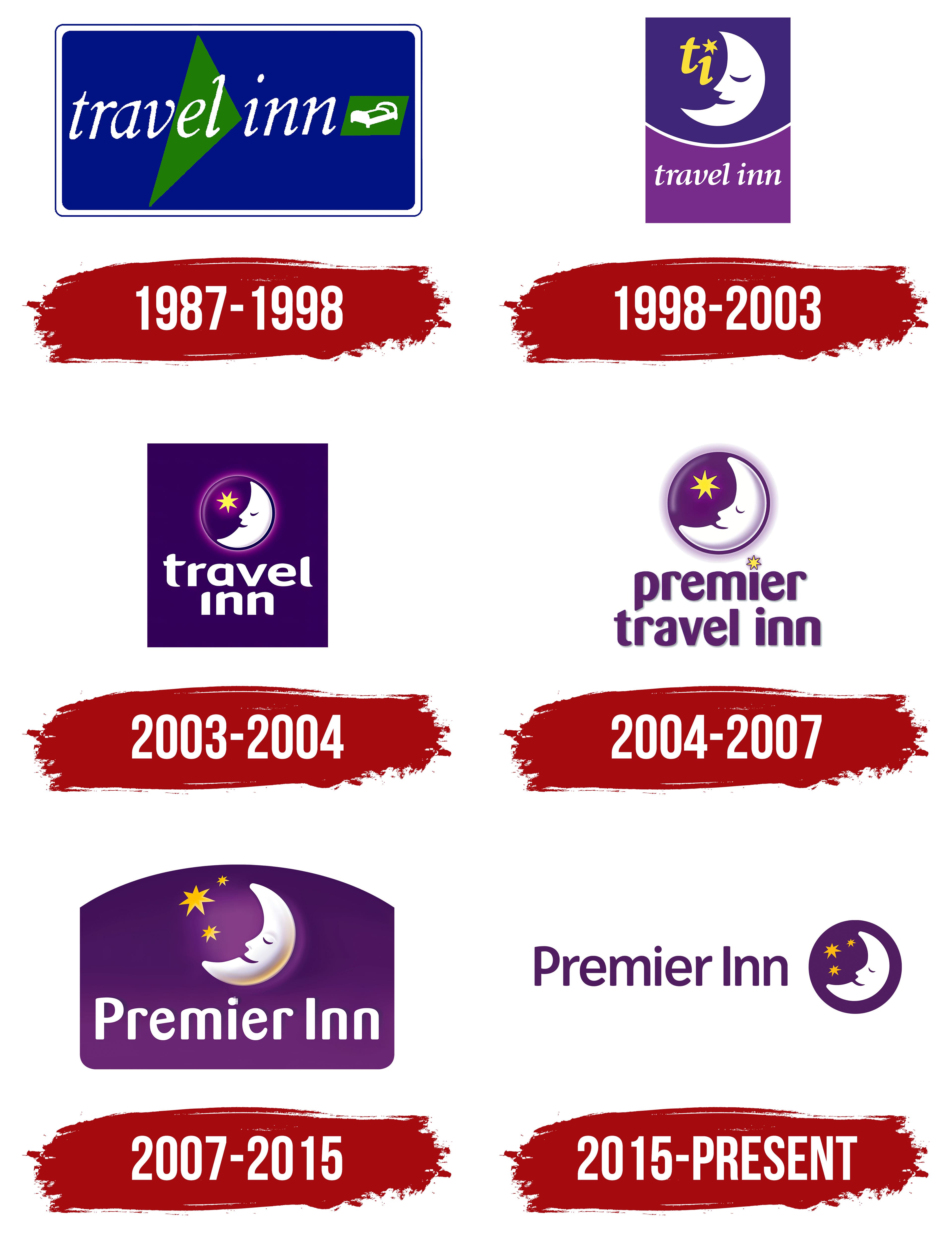
1987 – 1998
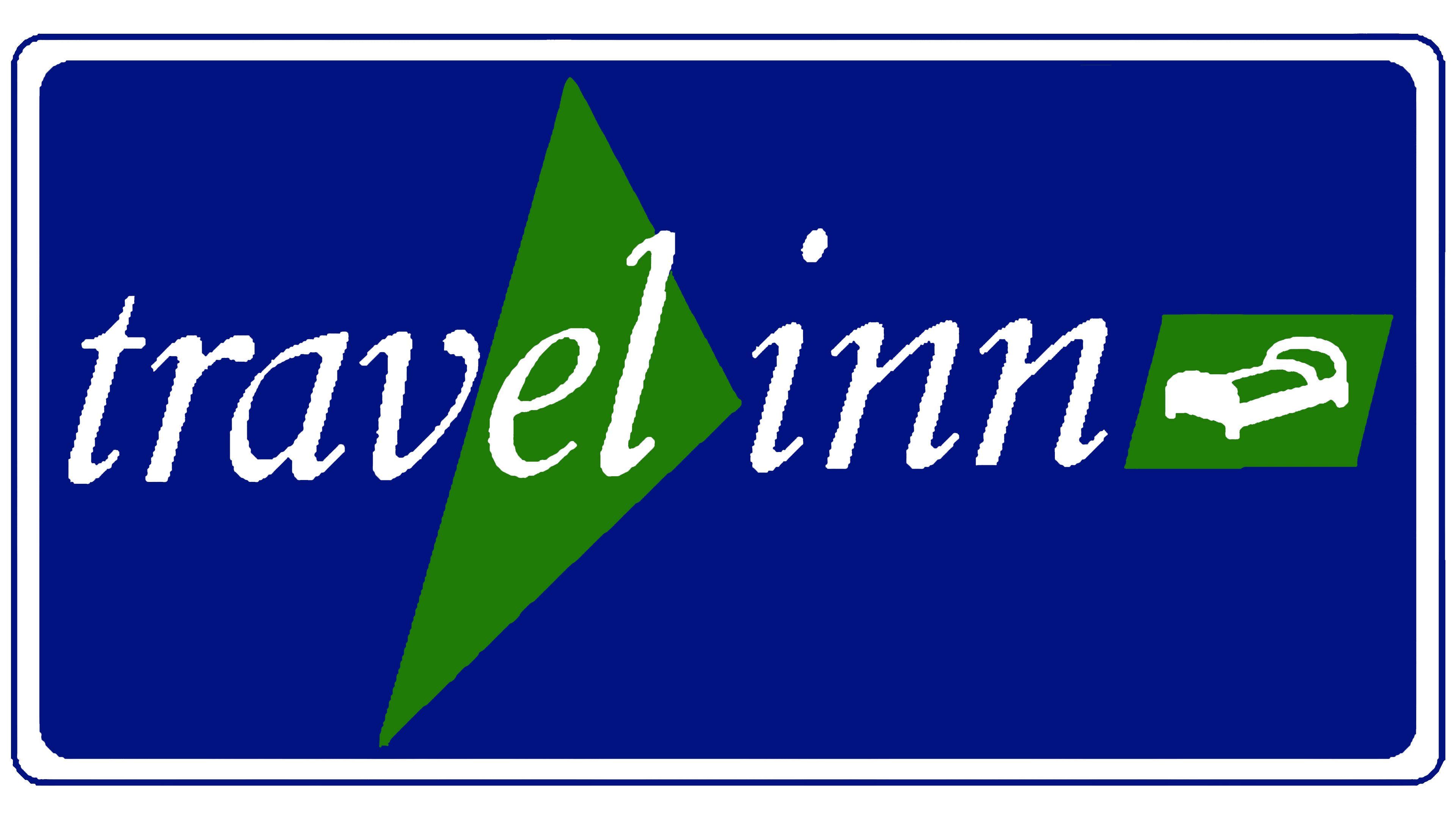
The first logo, associated with the network’s original name, Travel Inn, was simple and functional. The emblem featured a blue rectangle with a white-and-blue border, resembling a road sign or a hotel sign. This created an association with a reliable place to stop for the night.
The name “Travel Inn” was written in white cursive letters, emphasizing the hotel staff’s readiness to care for their guests. Behind the name, a large green triangle symbolizing a bed was placed on a green rectangle. This element reinforced the visual connection to comfort and coziness.
The logo invited travelers to stay at the network’s establishments, promising comfortable beds, peace, and a picturesque view of greenery from the window. This made the establishment appealing to weary travelers seeking a place to rest.
1998 – 2003
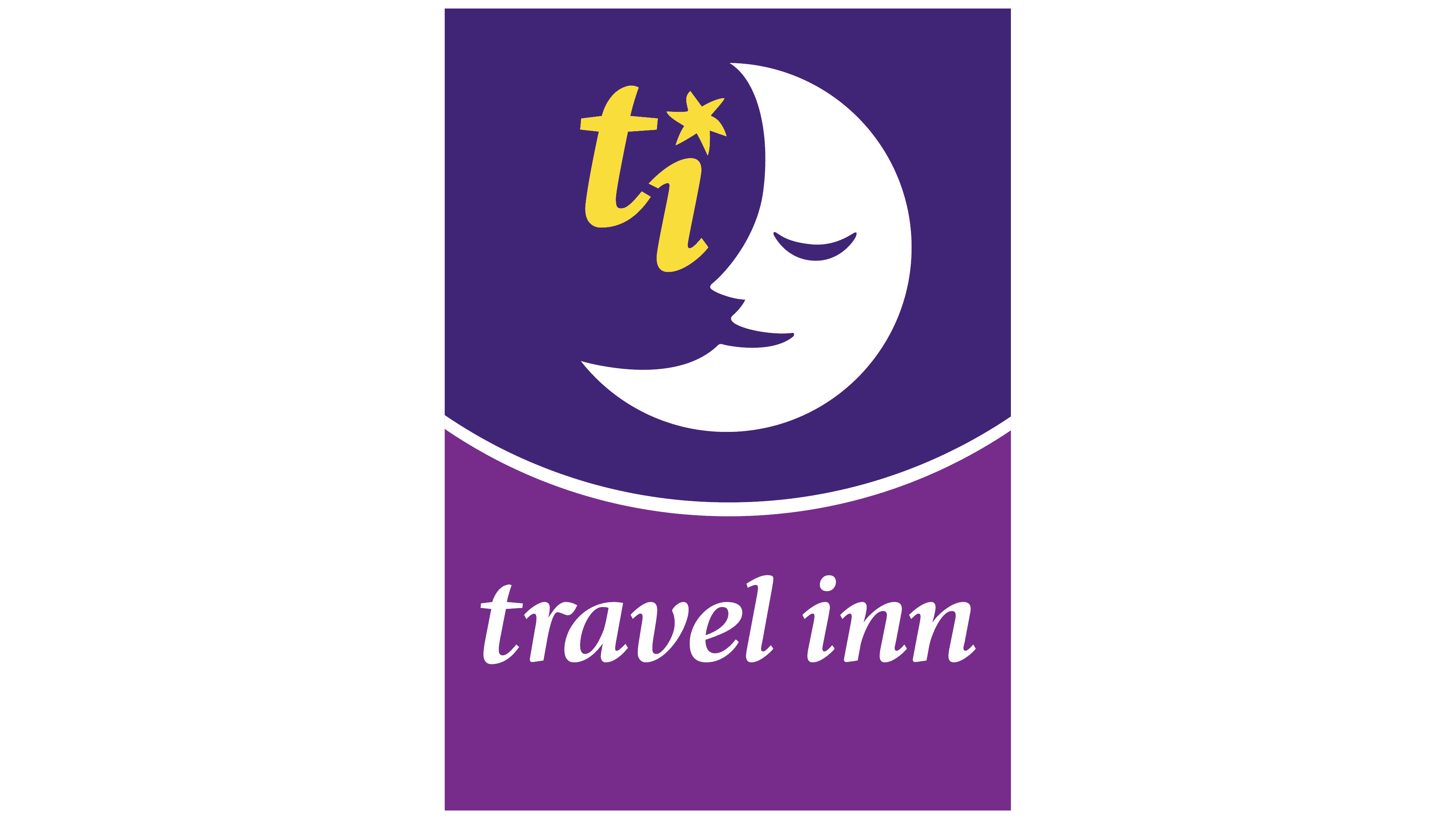
The Travel Inn logo, introduced in 1998, kept its focus on rest and lodging but updated its presentation to look more modern and appealing. Visually, the logo was vertically elongated, resembling a poster at the hotel entrance, and giving it solidity and recognizability.
The emblem’s canvas is divided into two parts: the upper blue and the lower purple, separated by a white semicircular stripe. The upper part symbolizes the night sky, where the sleeping crescent first appeared, and now serves as the company’s main symbol. The crescent is depicted with closed eyes, emphasizing sleep and rest, and from its “mouth,” the first letters of the name “ti” seem to exhale, adding dynamism and creativity to the emblem. A star replacing the dot above the letter “i” symbolizes stars in the night sky and adds lyricism and romance to the overall image. The bright yellow letters complement the starry-sky theme, creating a warm, friendly impression.
This symbol became an invitation to travelers, signaling it was time to pause and rest, offering a cozy place to stay. The image of the night and the sleeping crescent is universal and easily understood across cultures, making it especially effective for an international brand. The logo was so well-received that its key elements were preserved in subsequent versions.
The lower part contains the company name, written in white letters on a purple background. The font emphasizes the brand’s continuity and stability. The visual sign conveys care for customers and invites them to rest peacefully and comfortably wherever the brand is present.
2003 – 2004
The logo became more square, with a unified dark-sky background. The pleasant dark blue evokes a calm, deep night. A drowsy crescent inside the circle symbolizes a full moon and evokes a cozy feel. Next to it, a golden star, like a nightlight, guards sleep. A soft, muted light emanates from the circle, emphasizing comfort and tranquility.
The brand name is written in large white letters on two levels in the lower part of the logo. The bold font symbolizes the network’s growth and stable development, adding confidence and authority to the logo.
2004 – 2007
After acquiring the large hotel chain Premier Lodge and renaming it Premier Travel Inn, the company introduced a new logo that reflected its expansion and updated image. The main change was removing the background to symbolize the brand’s global expansion, which included more than 140 new hotels. This move emphasized openness and readiness for further growth, showing the company was reaching a new level.
The logo retained the circle with a sleeping crescent and a star, which had already become the chain’s symbol. Inside the circle, a fragment of the night sky creates a sense of calm and serenity that aligns with the brand’s philosophy of offering guests a comfortable stay and a cozy atmosphere.
Below the brand symbol is the chain’s new name, Premier Travel Inn. The inscription’s font became rounder and smoother, emphasizing comfort and convenience for guests. The star replacing the dot above the letter “i” creates a visual tandem with the star in the circle, uniting the elements into a cohesive whole.
2007 – 2015
In 2007, the company’s logo took on a shape resembling a bed’s side railing, symbolizing the comfort and coziness awaiting guests in every room. The purple background emphasizes its connection to the starry sky. It hints at the premium service that became the standard after the company opened over 500 hotels and acquired another competitor. This design also reflects the company’s goal of unifying bedroom design, which explains the bed-like shape.
At the logo’s center is a crescent moon, whose contours are highlighted by a lighter glow. This moon exhales stars that trail off into the distance, emphasizing the theme of travel. Although the word “Travel” was removed from the name, the logo still conveys that the company’s hotels serve as guiding stars for travelers, offering reliable, always-availableplaces to stay. In this context, the number 3 symbolizes the merger of three hotel companies into one powerful network.
The brand name has been shortened to “Premier Inn” and is written in white font. The bright, moonlight-like tone makes the text easy to read and visually appealing while maintaining a connection to the theme of night and tranquility.
2015 – today
The company updated its logo again, reflecting the brand’s evolution and commitment to modernization while maintaining continuity and a connection to the past. The new logo once again removed the background, emphasizing modernity and minimalism.
The crescent moon and stars, now recognizable brand symbols, are retained and placed in a separate circle to the right of the name as a nod to previous emblems. This symbol represents night and sleep, evoking the comfort and rest the hotel chain offers.
The network’s name, written in purple, stands out with thin, elegant letters. The purple color symbolizes luxury, tranquility, and confidence, highlighting the high level of service the company provides across its more than 700 hotels. The thin font adds elegance and a light feel, aligning with the company’s aim to create a comfortable, cozy atmosphere for its guests.