 Banque Populaire Logo
Banque Populaire traces its roots to 1878, when Louis de Besse founded the first bank of this type in Angers, western France. It was a cooperative institution created by craftsmen and traders for mutual lending. The bank belonged to its members rather than outside shareholders, a model linked to the wider European cooperative movement. By 1893, the network had grown to 17 branches.
A formal legal basis was established on March 13, 1917, during World War I, when French commerce minister Étienne Clémentel secured a law recognizing the cooperative status of people’s banks and granting tax and financial benefits. The aim was practical: returning soldiers would need credit to reopen workshops, revive trades, and rebuild small businesses after the war.
In 1921, Caisse centrale des Banques populaires was created to connect regional banks into a federal network. It redistributed liquidity between institutions, while regional banks kept local control over clients and lending. In 1919, BRED opened in Vincennes for industrialists and traders in eastern Paris. Over the following decades, Banque Populaire became closely tied to small businesses, artisans, merchants, and liberal professions.
In 1996, the network entered corporate and investment banking by acquiring Natexis, later renamed Natexis Banques Populaires. In 1999, CCBP became Banque fédérale des banques populaires, and in 2002, Crédit coopératif joined the group. After losses tied to Natixis during the 2008 financial crisis, Groupe Banque Populaire and Groupe Caisse d’Épargne announced a merger. On July 31, 2009, they formed Groupe BPCE, while Banque Populaire and Caisse d’Épargne kept separate retail brands.
Meaning and History
What is Banque Populaire?
This cooperative bank in France operates under a model combining regional autonomy with national-level support. The bank consists of a network of regional banks, enabling it to be deeply integrated into local communities while offering a wide range of financial services, including retail and corporate banking and specialized products. Due to its cooperative structure, many of the bank’s clients are also its shareholders, fostering engagement and a focus on customer needs. The bank supports small and medium-sized businesses, promotes regional economic growth, and is part of the BPCE group.
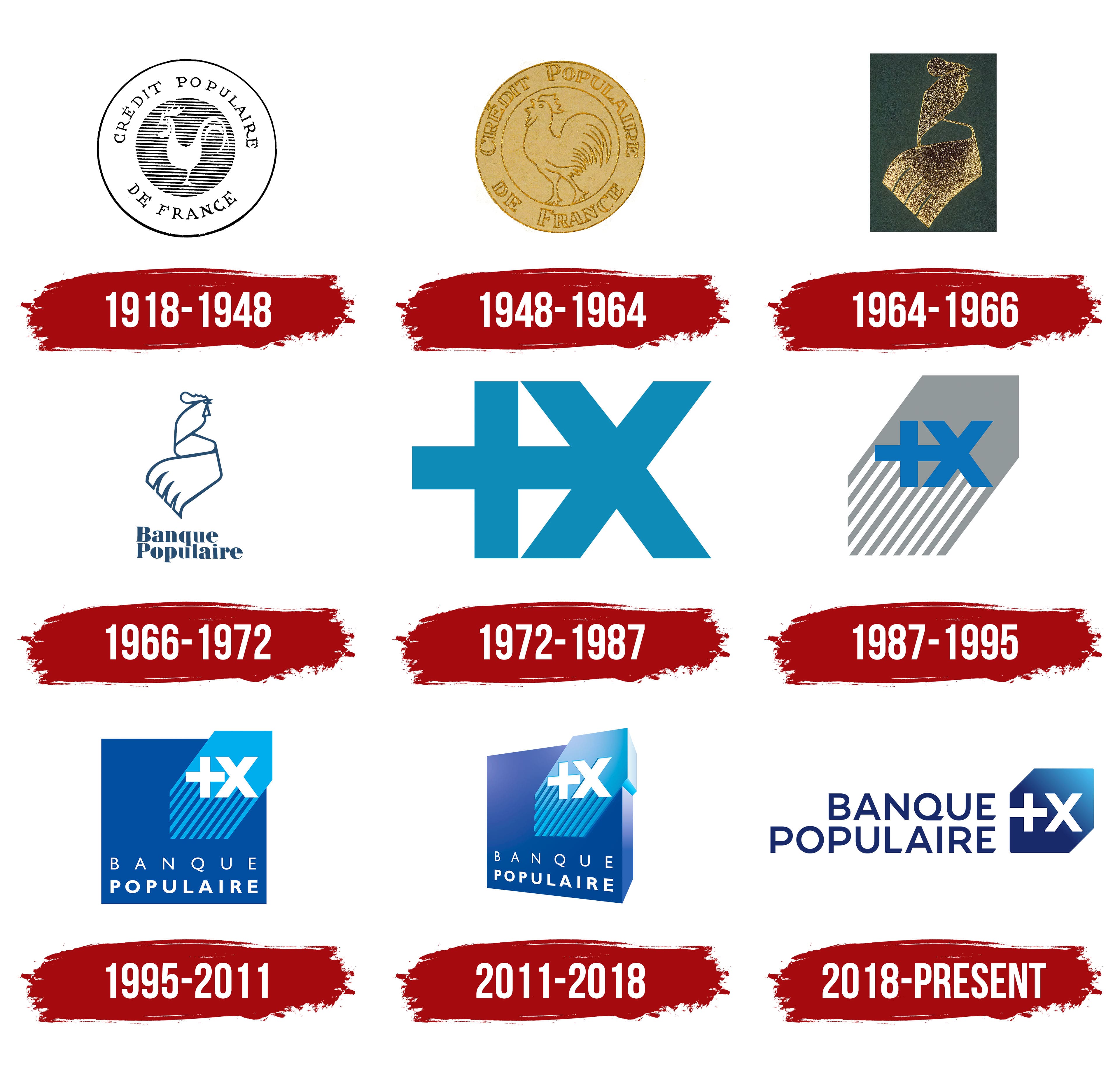
1918 – 1948

1948 – 1964

1964 – 1966

1966 – 1972

1972 – 1987

1987 – 1995

1995 – 2011

2011 – 2018

2018 – today